སྒྱུ་རྩལ
མཛེས་སྡུག་དང་བདེ་ཐང
བཟོ་རིག
རིག་གནས་དང་ལོ་རྒྱུས
དགའ་སྟོན
ཁོར་ཡུག
ཟས་དང་བཏུང་རྫས
ཕྱིར་འཕྲུལ་རིག
ཚན་རིག
རྩེད་འགྲན
རིག་རྩལ
གྱོན་རུང
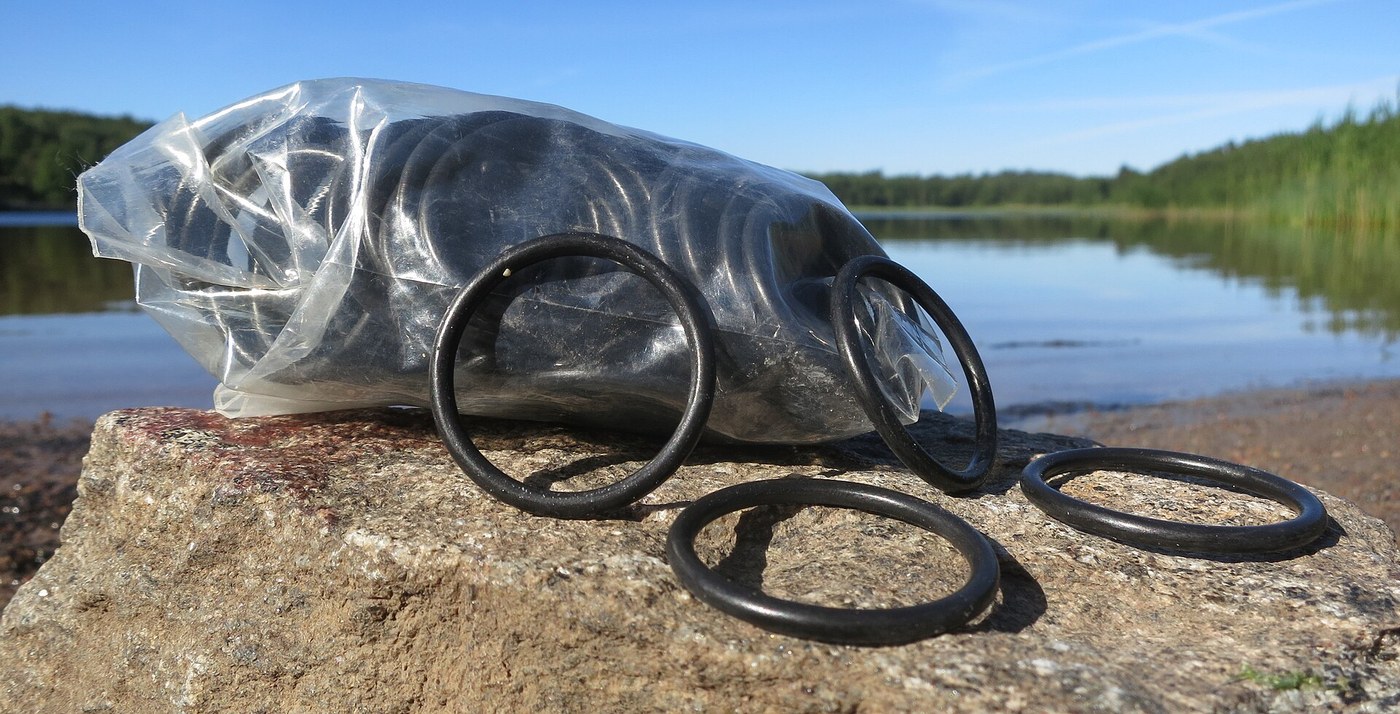


Rubber and Silicone Forming: Tubing, Sheet, O-Rings and Bands
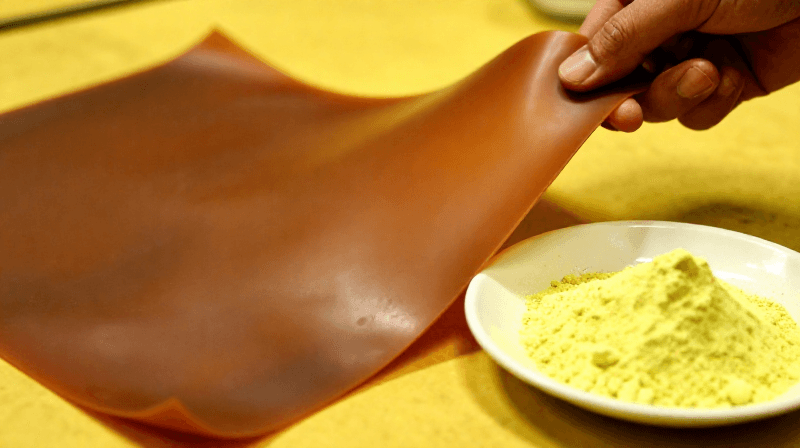
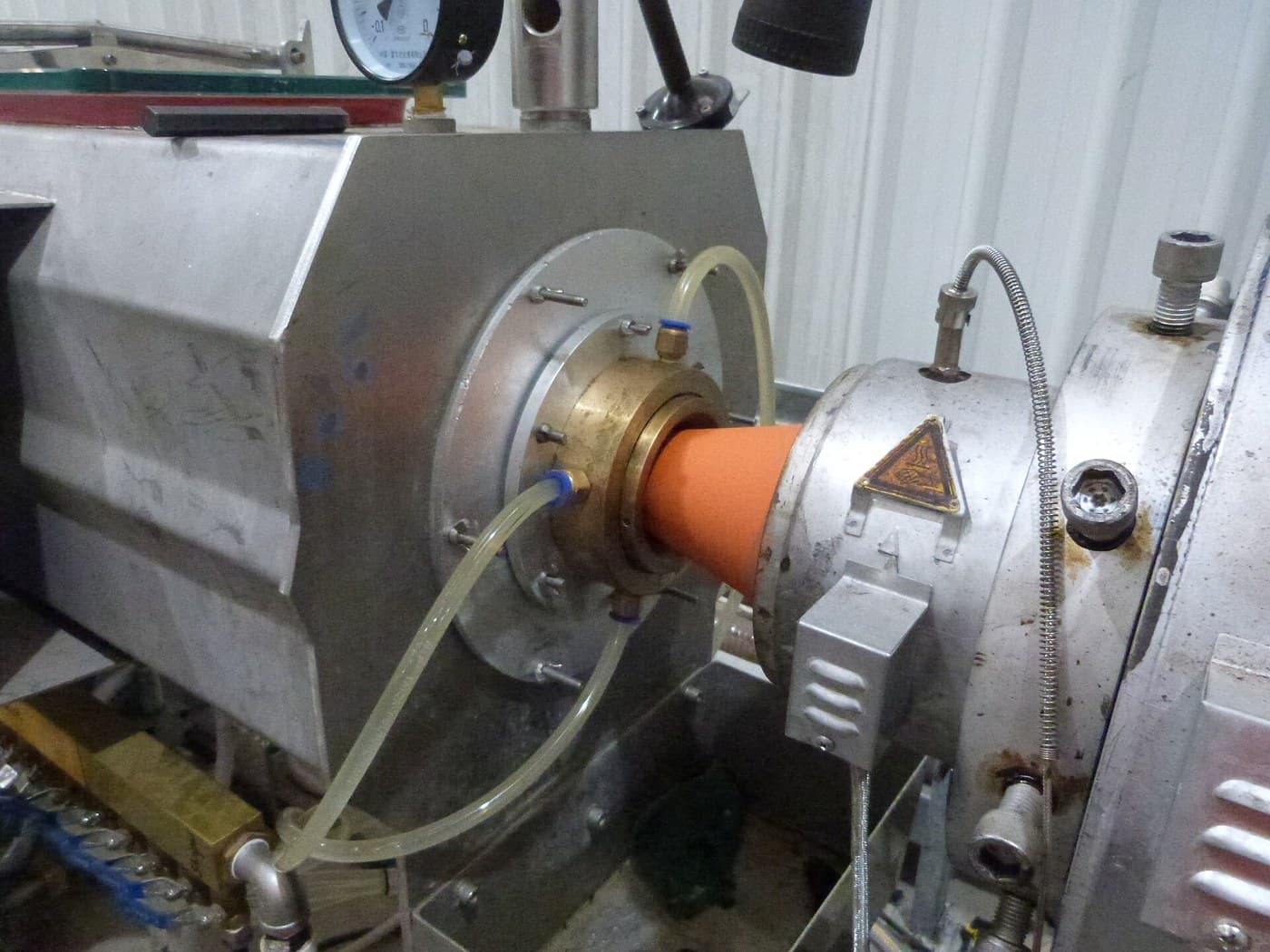
Rubber is shaped soft and then cured, the curing locking its shape and giving it its spring. Natural rubber is mixed on a two-roll mill with sulfur and activators such as zinc oxide; silicone rubber comes as a ready compound. Tubing is extruded through a ring die and cured with heat; rubber bands are extruded tube cured on mandrels and sliced across. Sheet is calendered between rolls and cured. O-rings and gaskets are compression moulded: a measured charge is laid in a heated mould cavity, the press closes, the heat cures it, and the thin flash is trimmed off.
མཐོ་རིམ
Minutes per moulding (industrial)
ལམ་སྟོན
1
1
Why rubber is cured
Why rubber is cured
What sulfur does to natural rubber.
2
2
Compound
Compound
Natural rubber is worked on a two-roll mill and the sulfur and zinc oxide are mixed in evenly.
གོམ་པ་འདིའི་རྫས་རིགས:
 དུ་བས་བསྐམས་པའི་འཇག་རྩིའི་ལེབ།50 kg
 མུ་ཟིའི་ཕྱེ་མ།1 kg
 ཛིང་ཀ་ཨོག་སཱའིཌ་ཀྱི་ཕྱེ།2 kg
ལག་ཆས་དགོས་མཁོ:
 འཁོར་ལོ་གཉིས་ཅན་རབ་བར་འཕྲུལ་ཆས།
3
3
Extrude tubing
Extrude tubing
Compound or silicone is extruded through a ring die as tube and cured with heat; for rubber bands, the tube is cured on mandrels and sliced across into bands.
གོམ་པ་འདིའི་རྫས་རིགས:
 སི་ལི་ཀོན་རབ་བར་སྦྱོར་རྫས།20 kg
ལག་ཆས་དགོས་མཁོ:
 པ་ལས་ཊིག་ཕྱིར་འདྲེན་འཕྲུལ་ཆས།
 ཕྱིར་འདྲེན་གྱི་བཟོ་སྐྱོགས།
 ལྕགས་མཉེན་བཟོའི་ཐབ་ཁུང་།
4
4
Calender sheet
Calender sheet
Compound is pressed into an even sheet between rolls and cured.
ལག་ཆས་དགོས་མཁོ:
འཁོར་ལོ་གཉིས་ཅན་རབ་བར་འཕྲུལ་ཆས།ལྕགས་མཉེན་བཟོའི་ཐབ་ཁུང་།5
5
Compression mould O-rings
Compression mould O-rings
A measured charge goes into each cavity of a heated O-ring mould; the press closes and holds until the rubber cures; the mould opens and the flash is trimmed.
ལག་ཆས་དགོས་མཁོ:
 དྲོད་ཅན་བཙིར་དཔེ་གནོན་འཕྲུལ།
 བཙིར་དཔེ།
6
6
Check
Check
Inside diameter, cross-section and wall thickness are measured.
ལག་ཆས་དགོས་མཁོ:
 ཨང་རྟགས་ཚད་འཇལ་ཆས་ ཨིནཅི 6
རྫས་རིགས
4- ས་ཆ་འཛིན
- 1 kgས་ཆ་འཛིན
- ས་ཆ་འཛིན
- ས་ཆ་འཛིན
ལག་ཆས་དགོས་མཁོ
7- ས་ཆ་འཛིན
- ས་ཆ་འཛིན
- ས་ཆ་འཛིན
- ས་ཆ་འཛིན
- ས་ཆ་འཛིན
- ས་ཆ་འཛིན
- ས་ཆ་འཛིན
བིལུ་པིརིན་ཊི་འདི་གིས་བཟོ་མི





འབྲེལ་ཡོད་བིལུ་པིརིན་ཊི
བིལུ་པིརིན་ཊི་འདི་ཚུ་ཐབས་ལམ་དང་རྫས་རིགས། སྤྱི་ཆོས་བགོ་བཤའ་བྱེད

CC0 སྤྱི་དབང
བིལུ་པིརིན་ཊི་འདི་CC0 འོག་བཀྲམས་ཡོད། ཁྱེད་རང་གིས་ཆོག་མཆན་མ་བཞེས་པར་ཕབ་ལེན་དང་བཟོ་བཅོས། བགོ་བཤའ། དགོས་མཁོ་གང་ལའང་བཀོལ་སྤྱོད་བྱས་ཆོག
བཟོ་མཁན་ལ་རྒྱབ་སྐྱོར་བྱེད་པའི་ཆེད་ཁོང་ཚོའི་བིལུ་པིརིན་ཊི་བརྒྱུད་ཐོན་སྐྱེད་ཉོ། བཟོ་མཁན་གྱིས བཟོ་མཁན་གྱི་ཁེ་ཕོགས ཚོང་པས་གཏན་འཁེལ་བྱས་པ། ཡང་ན་བིལུ་པིརིན་ཊི་འདིའི་པར་གསར་བཟོས་ཏེ་ཁྱེད་རང་གི་བིལུ་པིརིན་ཊི་ནང་མཐུད་སྦྲེལ་བྱས་ཏེ་ཡོང་སྒོ་བགོ་བཤའ་བྱེད།