སྒྱུ་རྩལ
མཛེས་སྡུག་དང་བདེ་ཐང
བཟོ་རིག
རིག་གནས་དང་ལོ་རྒྱུས
དགའ་སྟོན
ཁོར་ཡུག
ཟས་དང་བཏུང་རྫས
ཕྱིར་འཕྲུལ་རིག
ཚན་རིག
རྩེད་འགྲན
རིག་རྩལ
གྱོན་རུང
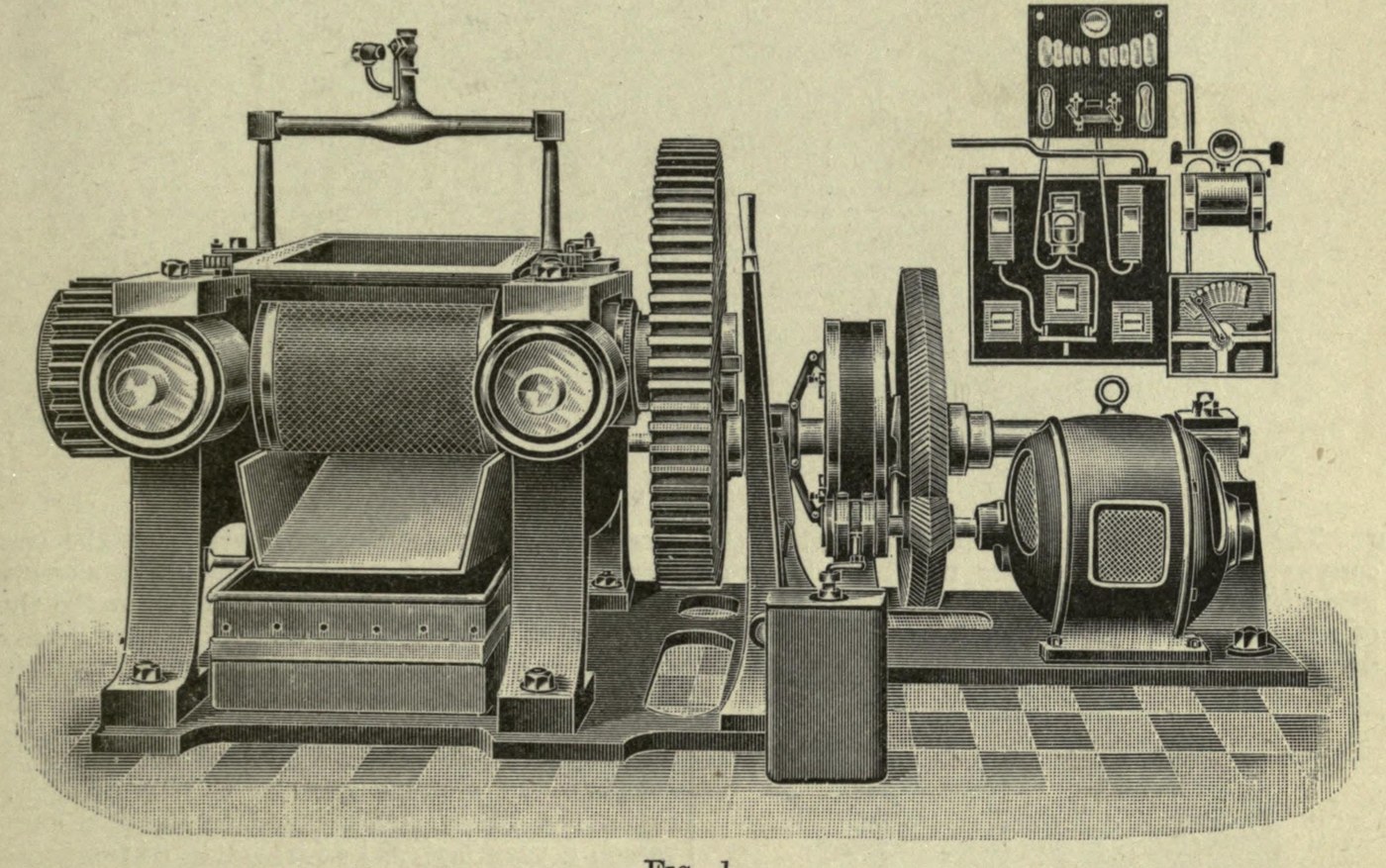


Rubber Compound: Raw Rubber Washed, Dried and Mixed with Sulphur on Hot Rolls (Thorpe, 1913)
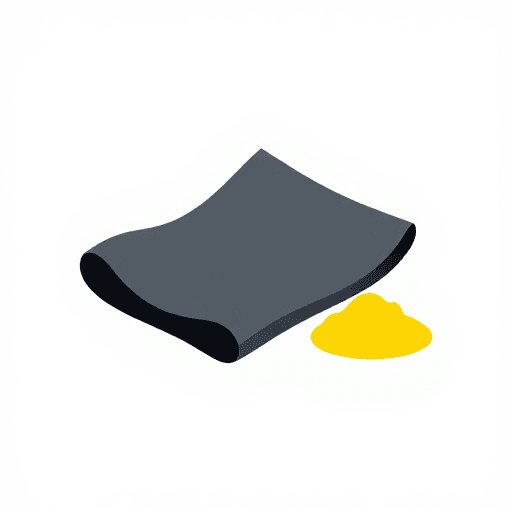
How a rubber works of 1913 turned raw rubber into a 'mixing' ready for shaping and curing: the rubber is washed between corrugated rolls under running water, dried on racks, broken down on hot smooth rolls until plastic, and then worked together with fillers and finally sulphur into an even dough.
Very few goods were made of rubber and sulphur alone: pure mixings cost too much and are too soft for most uses.
Unknown: which fillers, and how much of them and of sulphur. Thorpe names the kinds of materials but gives no mixing.
Source: T. E. Thorpe, Dictionary of Applied Chemistry vol. IV (1913), pp. 586-587. Picture: Fig. 1, a washing machine.
བར་མ
3-4 days drying
ལམ་སྟོན
1
1
Steep and wash the rubber
Steep and wash the rubber
Cut the raw rubber into lumps or slabs and steep them for some hours in warm water. Pass them again and again through corrugated, diamond-cut or fluted rolls running at a speed difference of 6 : 4 down to one tooth, with a stream of water on the rubber, until the rough crepe-like sheet is clean and thin.
གོམ་པ་འདིའི་རྫས་རིགས:
 དུ་བས་བསྐམས་པའི་འཇག་རྩིའི་ལེབ།1 raw rubber
 ཆུ།1 warm, then running
ལག་ཆས་དགོས་མཁོ:
 འཁོར་ལོ་གཉིས་ཅན་རབ་བར་འཕྲུལ་ཆས།
2
2
Dry on racks
Dry on racks
Hang the sheet on racks in a drying room until it holds only about 0.25-0.5 per cent moisture: about 3-4 days at about 80°F with good ventilation. Cooler, drier air is better, as warm rubber turns soft and tacky.
ལག་ཆས་དགོས་མཁོ:
 སྐམ་སའི་སྟེགས་བུ།
3
3
Break it down
Break it down
Pass the dry rubber repeatedly through the steam-heated smooth rolls of the mixing machine, which run at different speeds, tightening the rolls gradually until the rubber is thoroughly plastic.
ལག་ཆས་དགོས་མཁོ:
འཁོར་ལོ་གཉིས་ཅན་རབ་བར་འཕྲུལ་ཆས།4
4
Mix in the fillers and sulphur
Mix in the fillers and sulphur
Add the other materials gradually: reclaimed rubber, ground waste, 'substitute' and other organic fillers first, then the minerals and the sulphur last. Work it into a thoroughly even dough without overworking ('tiring') the rubber.
གོམ་པ་འདིའི་རྫས་རིགས:
 ངོ་མ་ཤེས་པའི་རྒྱུ་ཆ།1 fillers and minerals; not given
 མུ་ཟིའི་ཕྱེ་མ།1 amount not given
ལག་ཆས་དགོས་མཁོ:
འཁོར་ལོ་གཉིས་ཅན་རབ་བར་འཕྲུལ་ཆས།རྫས་རིགས
4- 1 raw rubberས་ཆ་འཛིན
- 1 warm, then runningས་ཆ་འཛིན
- 1 fillers and minerals; not givenས་ཆ་འཛིན
- 1 amount not givenས་ཆ་འཛིན
ལག་ཆས་དགོས་མཁོ
2- ས་ཆ་འཛིན
- ས་ཆ་འཛིན
བིལུ་པིརིན་ཊི་འདི་གིས་བཟོ་མི
CC0 སྤྱི་དབང
བིལུ་པིརིན་ཊི་འདི་CC0 འོག་བཀྲམས་ཡོད། ཁྱེད་རང་གིས་ཆོག་མཆན་མ་བཞེས་པར་ཕབ་ལེན་དང་བཟོ་བཅོས། བགོ་བཤའ། དགོས་མཁོ་གང་ལའང་བཀོལ་སྤྱོད་བྱས་ཆོག
བཟོ་མཁན་ལ་རྒྱབ་སྐྱོར་བྱེད་པའི་ཆེད་ཁོང་ཚོའི་བིལུ་པིརིན་ཊི་བརྒྱུད་ཐོན་སྐྱེད་ཉོ། བཟོ་མཁན་གྱིས བཟོ་མཁན་གྱི་ཁེ་ཕོགས ཚོང་པས་གཏན་འཁེལ་བྱས་པ། ཡང་ན་བིལུ་པིརིན་ཊི་འདིའི་པར་གསར་བཟོས་ཏེ་ཁྱེད་རང་གི་བིལུ་པིརིན་ཊི་ནང་མཐུད་སྦྲེལ་བྱས་ཏེ་ཡོང་སྒོ་བགོ་བཤའ་བྱེད།