སྒྱུ་རྩལ
མཛེས་སྡུག་དང་བདེ་ཐང
བཟོ་རིག
རིག་གནས་དང་ལོ་རྒྱུས
དགའ་སྟོན
ཁོར་ཡུག
ཟས་དང་བཏུང་རྫས
ཕྱིར་འཕྲུལ་རིག
ཚན་རིག
རྩེད་འགྲན
རིག་རྩལ
གྱོན་རུང
Heil and Esch · Public domain (1909)


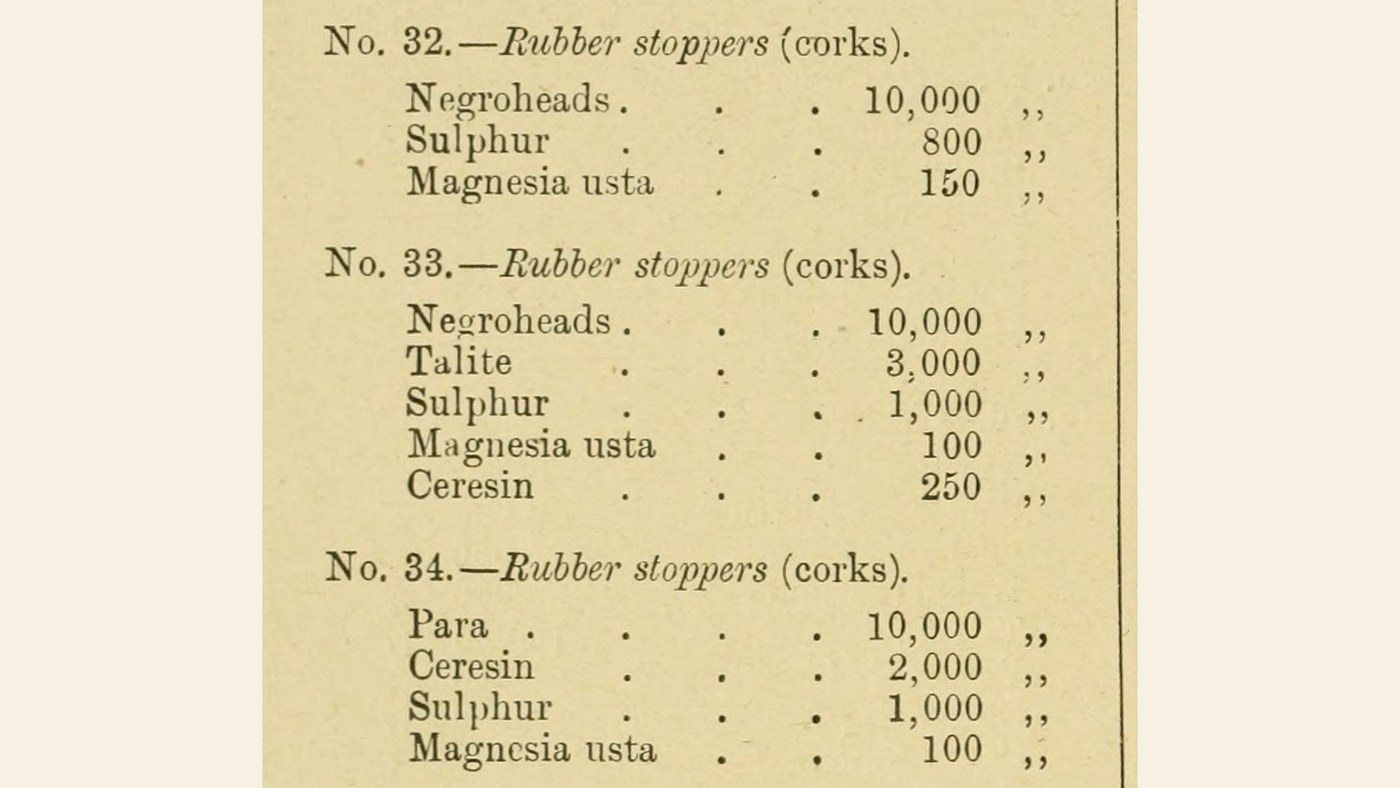
Rubber Stoppers: Pará Rubber with Ceresine, Moulded and Cured (Heil & Esch 1909)
Laboratory rubber stoppers from a 1909 rubber factory's book of mixings: Pará rubber with ceresine wax, sulphur and magnesia, run out as a cord, cut to weight, pressed into moulds and cured.
Source: Heil & Esch, The Manufacture of Rubber Goods (1909), mixing No. 34 (p. 108) and the stopper method (p. 135). They give no cure time or temperature. Using smoked ball rubber as their Pará, and the mill, clamps and steam vessel, are ours. Picture: their page of mixings.
བར་མ
1 day
ལམ་སྟོན
1
1
Weigh mixing No. 34
Weigh mixing No. 34
Weigh out 10,000 g Pará rubber, 2,000 g ceresine, 1,000 g sulphur and 100 g calcined magnesia (magnesia usta).
གོམ་པ་འདིའི་རྫས་རིགས:
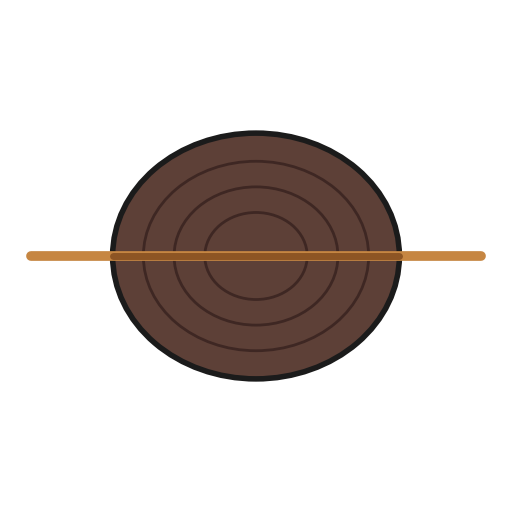 དུ་བས་བསྐམས་པའི་འཇག་རྩིའི་རིལ་བུ།10000 g
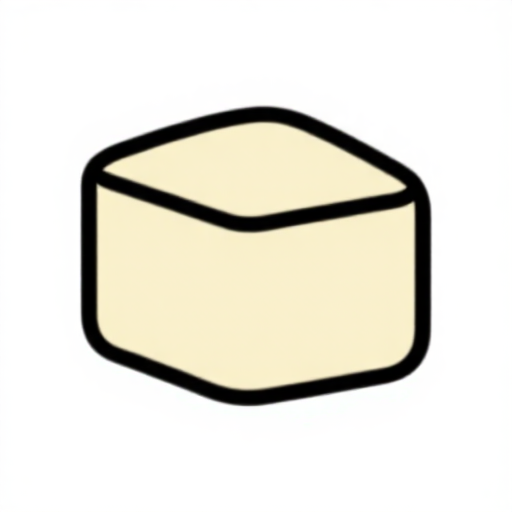 སེ་རེ་སིན་གྱི་ཞུན།2000 g
 མུ་ཟིའི་ཕྱེ་མ།1000 g
 མེག་ནི་སིཡམ་ཨོག་སཱའིཌ།100 g
ལག་ཆས་དགོས་མཁོ:
 ལག་པ་འདྲ་མཉམ་གྱི་སྲང་།
2
2
Mix on the rolls
Mix on the rolls
Work the rubber on the mixing rolls and work the ceresine, sulphur and magnesia into it until the mixing is even.
ལག་ཆས་དགོས་མཁོ:
 འཁོར་ལོ་གཉིས་ཅན་རབ་བར་འཕྲུལ་ཆས།
3
3
Run a cord on the tube machine
Run a cord on the tube machine
Run the mixing through the tube machine as a cord of a size to suit the stoppers. It must be free from air bubbles, or the stoppers will be faulty after curing.
ལག་ཆས་དགོས་མཁོ:
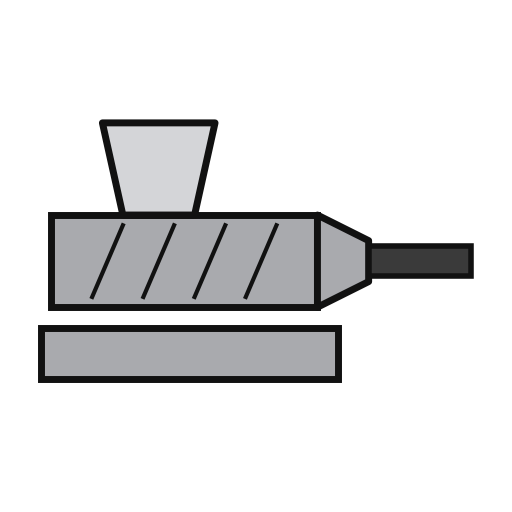 རབ་བར་དོང་བུའི་འཕྲུལ་ཆས།
4
4
Cut pieces to weight
Cut pieces to weight
Cut the cord into pieces of the exact weight of one stopper plus 2 or 3 per cent, for what squeezes out of the mould.
ལག་ཆས་དགོས་མཁོ:
 ལག་བཟོའི་གྲི་གུལག་པ་འདྲ་མཉམ་གྱི་སྲང་།
5
5
Press into moulds and clamp
Press into moulds and clamp
Press each piece into a mould and clamp the small moulds very tightly in iron clips.
ལག་ཆས་དགོས་མཁོ:
 བཙོ་སྦྱང་དཔེ་ཕོར།
 C གཟུགས་ཅན་གྱི་འཛིན་ཆས།
6
6
Cure in steam
Cure in steam
Cure the clamped moulds in a steam heater (Heil & Esch also name the sulphur bath). They give no time or temperature for stoppers; then open the moulds and take out the stoppers.
ལག་ཆས་དགོས་མཁོ:
 ཕྱོགས་ཙི་གུའི་ཨོ་ཊོ་ཀི་ལེབ།བཙོ་སྦྱང་དཔེ་ཕོར།
རྫས་རིགས
4- ས་ཆ་འཛིན
- 2000 gས་ཆ་འཛིན
- 1000 gས་ཆ་འཛིན
- ས་ཆ་འཛིན
ལག་ཆས་དགོས་མཁོ
7- ས་ཆ་འཛིན
- ས་ཆ་འཛིན
- ས་ཆ་འཛིན
- ས་ཆ་འཛིན
- ས་ཆ་འཛིན
- ས་ཆ་འཛིན
- ས་ཆ་འཛིན
བིལུ་པིརིན་ཊི་འདི་གིས་བཟོ་མི

འབྲེལ་ཡོད་བིལུ་པིརིན་ཊི
བིལུ་པིརིན་ཊི་འདི་ཚུ་ཐབས་ལམ་དང་རྫས་རིགས། སྤྱི་ཆོས་བགོ་བཤའ་བྱེད

CC0 སྤྱི་དབང
བིལུ་པིརིན་ཊི་འདི་CC0 འོག་བཀྲམས་ཡོད། ཁྱེད་རང་གིས་ཆོག་མཆན་མ་བཞེས་པར་ཕབ་ལེན་དང་བཟོ་བཅོས། བགོ་བཤའ། དགོས་མཁོ་གང་ལའང་བཀོལ་སྤྱོད་བྱས་ཆོག
བཟོ་མཁན་ལ་རྒྱབ་སྐྱོར་བྱེད་པའི་ཆེད་ཁོང་ཚོའི་བིལུ་པིརིན་ཊི་བརྒྱུད་ཐོན་སྐྱེད་ཉོ། བཟོ་མཁན་གྱིས བཟོ་མཁན་གྱི་ཁེ་ཕོགས ཚོང་པས་གཏན་འཁེལ་བྱས་པ། ཡང་ན་བིལུ་པིརིན་ཊི་འདིའི་པར་གསར་བཟོས་ཏེ་ཁྱེད་རང་གི་བིལུ་པིརིན་ཊི་ནང་མཐུད་སྦྲེལ་བྱས་ཏེ་ཡོང་སྒོ་བགོ་བཤའ་བྱེད།