སྒྱུ་རྩལ
མཛེས་སྡུག་དང་བདེ་ཐང
བཟོ་རིག
རིག་གནས་དང་ལོ་རྒྱུས
དགའ་སྟོན
ཁོར་ཡུག
ཟས་དང་བཏུང་རྫས
ཕྱིར་འཕྲུལ་རིག
ཚན་རིག
རྩེད་འགྲན
རིག་རྩལ
གྱོན་རུང
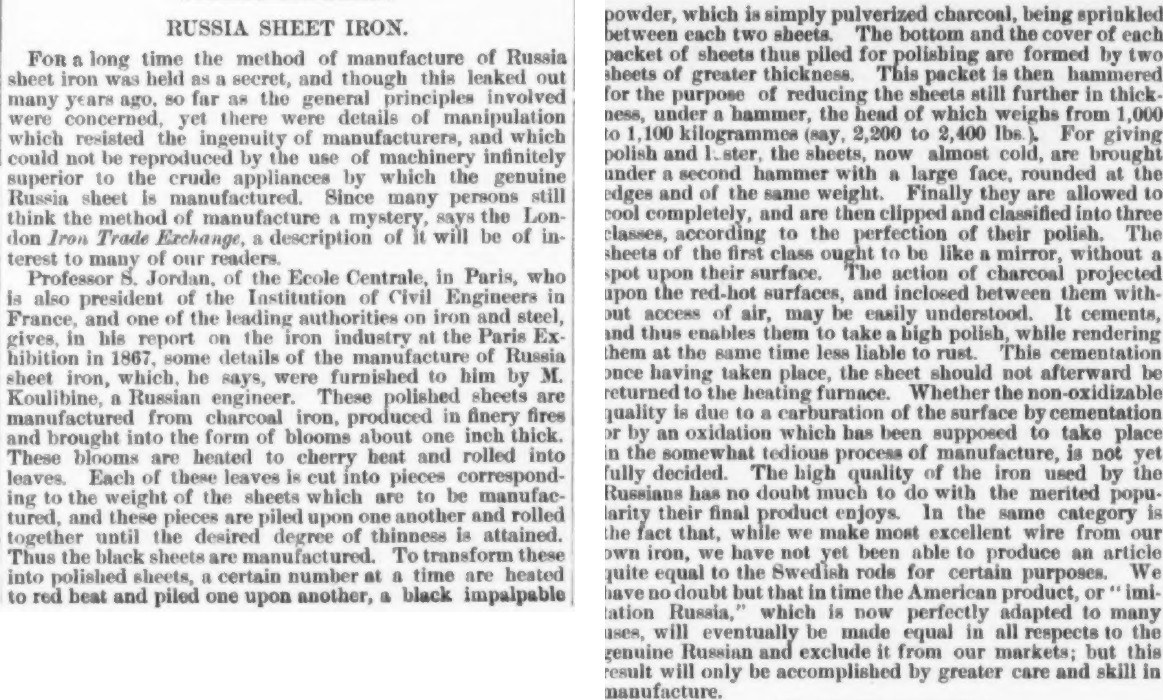


Russia Sheet Iron: Charcoal-Packed Sheets Hammered to a Mirror Polish (Jordan after Koulibine, 1867)
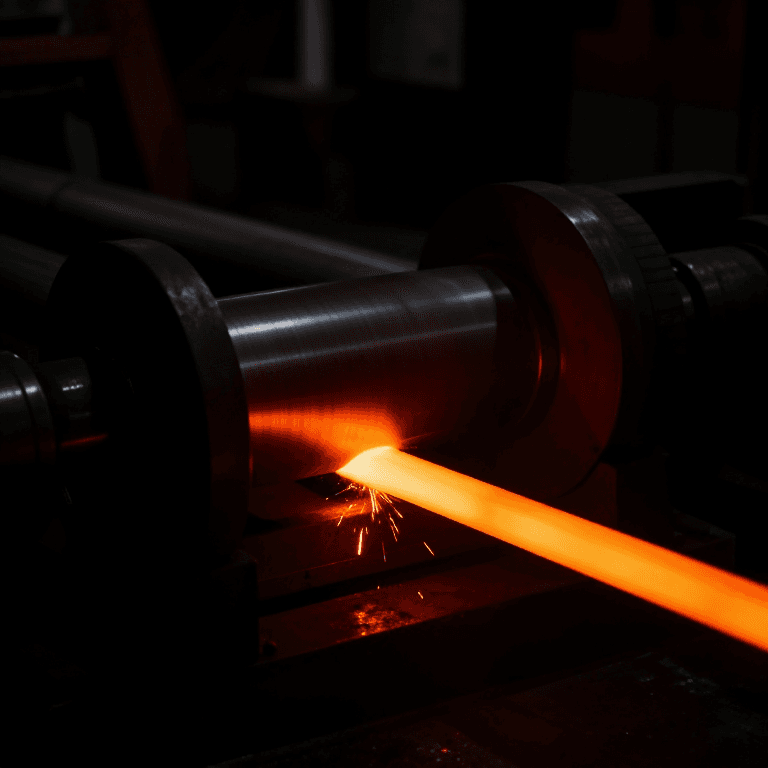
The glossy blue-black Russia sheet iron, long a Russian secret, as the engineer Koulibine described it to Professor Jordan for the Paris Exhibition of 1867: charcoal iron is rolled into black sheets, then packed red-hot with powdered charcoal between them and hammered under a one-ton hammer, then polished cold under a second.
The charcoal, shut in between the hot sheets without air, cements the surface: it takes a high polish and rusts less. Once cemented, a sheet must not go back into the heating furnace.
Unknown: how the charcoal finery iron is made. The source does not give it.
Source: 'Russia Sheet Iron', Scientific American Supplement No. 154 (1878), pp. 2448-2449, after Jordan's 1867 report. Picture: the article.
མཐོ་རིམ
Unknown
ལམ་སྟོན
1
1
Roll the blooms into leaves
Roll the blooms into leaves
Start from charcoal iron made in finery fires and brought into blooms about one inch thick. Heat the blooms to cherry heat and roll them into leaves. Ours: the furnace and the rolling mill; the source names neither.
གོམ་པ་འདིའི་རྫས་རིགས:
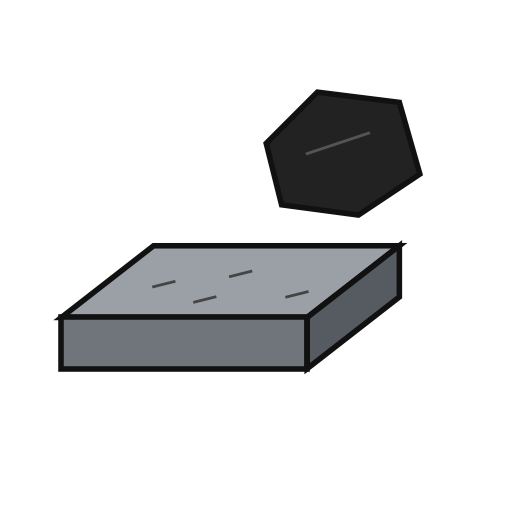 ཤིང་སོལ་གྱིས་ བཙོ་བཅོས་འབད་མི་ ལྕགས།1 blooms about 1 inch thick
ལག་ཆས་དགོས་མཁོ:
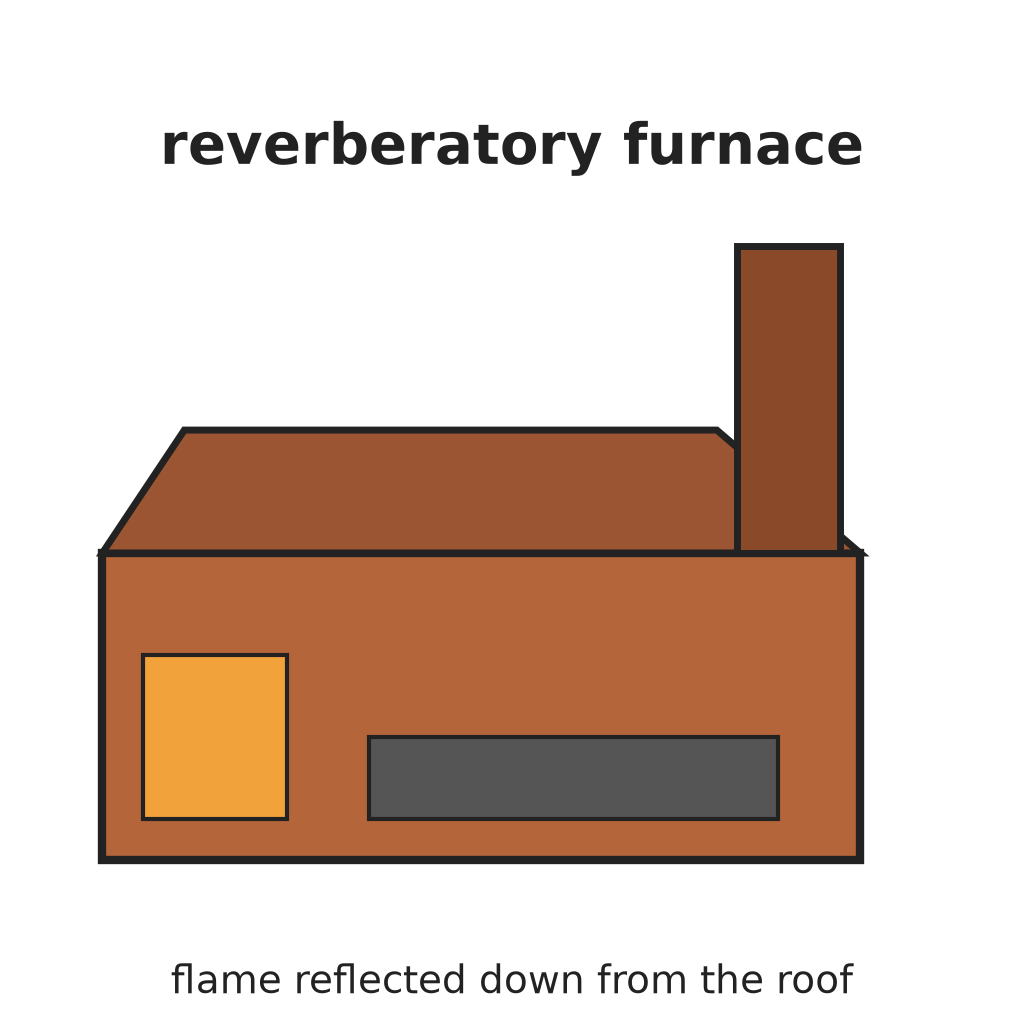 མེ་ལྕེ་ཕྱིར་འཕྱོག་ཐབ
 ལྕགས་བརྡར་འཕྲུལ་ཆས།
 མགར་བའི་གཟེར་ཆས།
2
2
Roll the black sheets
Roll the black sheets
Cut each leaf into pieces that match the weight of the sheets to be made. Pile the pieces on one another and roll them together until they are as thin as wanted. These are the black sheets.
ལག་ཆས་དགོས་མཁོ:
 ལྕགས་ལེབ་གཏུབ་ཇེམ།མེ་ལྕེ་ཕྱིར་འཕྱོག་ཐབལྕགས་བརྡར་འཕྲུལ་ཆས།མགར་བའི་གཟེར་ཆས།
3
3
Pack with charcoal
Pack with charcoal
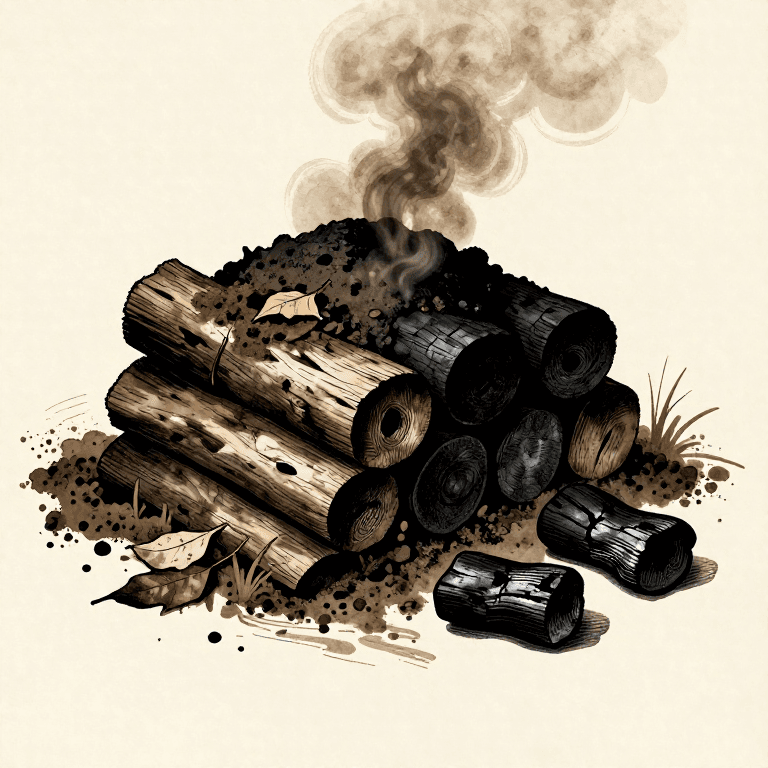
Heat a number of black sheets at a time to red heat and pile them one on another, sprinkling pulverized charcoal, a black impalpable powder, between each two. Two thicker sheets form the bottom and the cover of the packet. Ours: we pound lump charcoal in a mortar.
གོམ་པ་འདིའི་རྫས་རིགས:
 ཤིང་སོལ་གྱི་དུམ་བུ། (ཤིང་སྲ།)1 pulverized
ལག་ཆས་དགོས་མཁོ:
 རྡོའི་གཏུན་ཁུང་དང་གཏུན་ཤིང་།མེ་ལྕེ་ཕྱིར་འཕྱོག་ཐབམགར་བའི་གཟེར་ཆས།
4
4
Hammer the packet
Hammer the packet
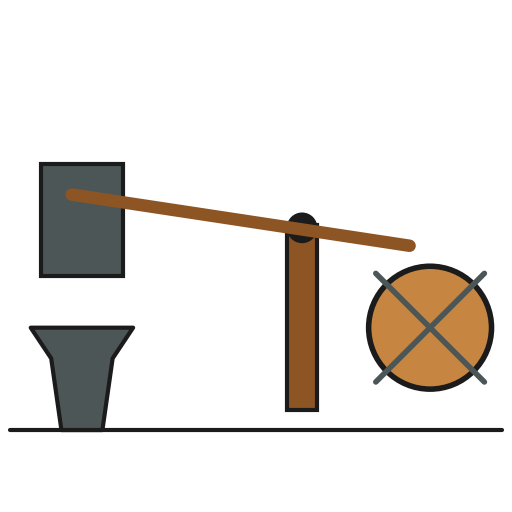
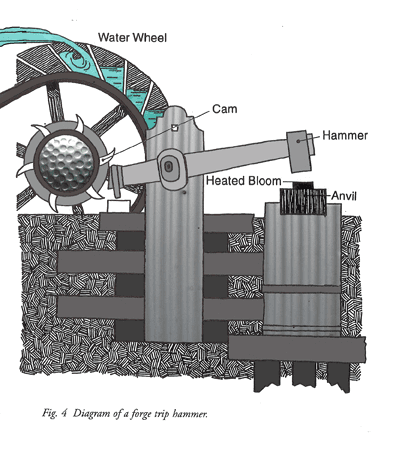
Hammer the packet to thin the sheets further, under a hammer whose head weighs 1,000 to 1,100 kg (2,200 to 2,400 lb). Ours: a trip hammer; the source does not say how the hammer is driven.
ལག་ཆས་དགོས་མཁོ:
 འཕྱར་བབ་ཐོ་བ།མགར་བའི་གཟེར་ཆས།
5
5
Polish under the second hammer
Polish under the second hammer
When the sheets are almost cold, bring them under a second hammer of the same weight with a large face, rounded at the edges, to give them polish and lustre. Do not put them back in the heating furnace.
ལག་ཆས་དགོས་མཁོ:
འཕྱར་བབ་ཐོ་བ།མགར་བའི་གཟེར་ཆས།6
6
Clip and sort
Clip and sort
Let the sheets cool completely, then clip them and sort them into three classes by the perfection of their polish. A first-class sheet is like a mirror, without a spot on its surface.
ལག་ཆས་དགོས་མཁོ:
ལྕགས་ལེབ་གཏུབ་ཇེམ།རྫས་རིགས
2- 1 blooms about 1 inch thickས་ཆ་འཛིན
- 1 pulverizedས་ཆ་འཛིན
མཐུད་སྦྲེལ་བིལུ་པིརིན་ཊི་རྫས་རིགས

བིལུ་པིརིན་ཊི་འདི་གིས་བཟོ་མི
CC0 སྤྱི་དབང
བིལུ་པིརིན་ཊི་འདི་CC0 འོག་བཀྲམས་ཡོད། ཁྱེད་རང་གིས་ཆོག་མཆན་མ་བཞེས་པར་ཕབ་ལེན་དང་བཟོ་བཅོས། བགོ་བཤའ། དགོས་མཁོ་གང་ལའང་བཀོལ་སྤྱོད་བྱས་ཆོག
བཟོ་མཁན་ལ་རྒྱབ་སྐྱོར་བྱེད་པའི་ཆེད་ཁོང་ཚོའི་བིལུ་པིརིན་ཊི་བརྒྱུད་ཐོན་སྐྱེད་ཉོ། བཟོ་མཁན་གྱིས བཟོ་མཁན་གྱི་ཁེ་ཕོགས ཚོང་པས་གཏན་འཁེལ་བྱས་པ། ཡང་ན་བིལུ་པིརིན་ཊི་འདིའི་པར་གསར་བཟོས་ཏེ་ཁྱེད་རང་གི་བིལུ་པིརིན་ཊི་ནང་མཐུད་སྦྲེལ་བྱས་ཏེ་ཡོང་སྒོ་བགོ་བཤའ་བྱེད།