སྒྱུ་རྩལ
མཛེས་སྡུག་དང་བདེ་ཐང
བཟོ་རིག
རིག་གནས་དང་ལོ་རྒྱུས
དགའ་སྟོན
ཁོར་ཡུག
ཟས་དང་བཏུང་རྫས
ཕྱིར་འཕྲུལ་རིག
ཚན་རིག
རྩེད་འགྲན
རིག་རྩལ
གྱོན་རུང
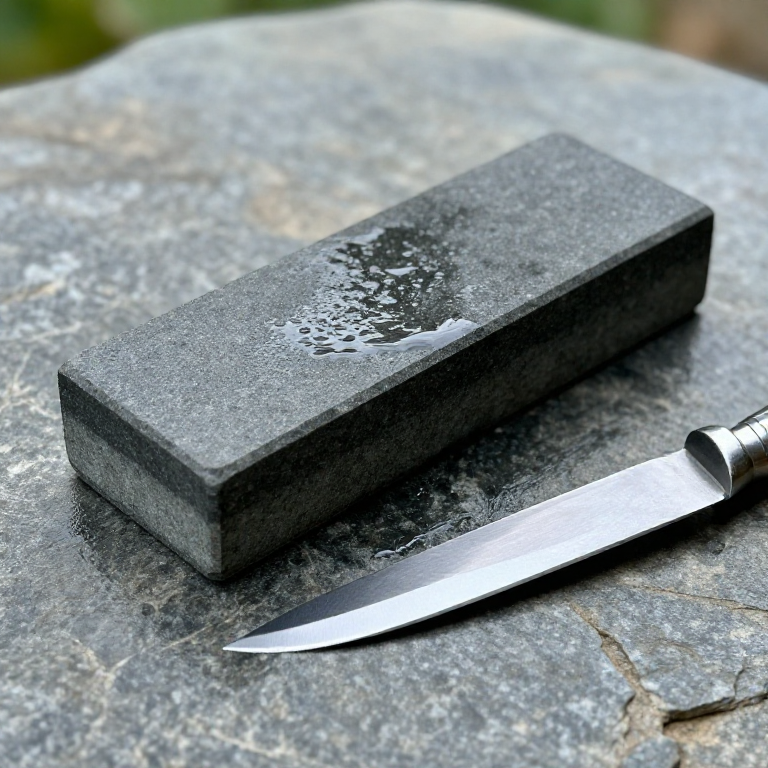


Sandstone Whetstone
Before bonded abrasives, edges were sharpened on natural stone, and fine sandstone was the commonest. A piece is shaped to a block and one face is ground dead flat by rubbing it on a flat slab with sand and water. Used wet, its quartz grains cut steel. Sandstone cuts fast but coarse: finish an edge on a finer stone.
འགོ་བཙུགས
Half a day
ལམ་སྟོན
1
1
Choose the stone
Choose the stone
Pick a piece of fine, even-grained sandstone without cracks or soft layers, a little bigger than the block you want.
གོམ་པ་འདིའི་རྫས་རིགས:
 བྱེ་རྡོ་ (གཞོག་ཆས)2 kg
2
2
Shape a block
Shape a block
Wearing glasses, trim it to a rough block about 200 by 60 by 30 mm with the chisels and hammer.
ལག་ཆས་དགོས་མཁོ:
 རྡོ་བརྐོ་ནིའི་གཟོང་ཚུ།
 རྡོ་བརྐོ་ནིའི་ཐོ་བ།
 ཉེན་སྲུང་མིག་ཤེལ།
3
3
Flatten the face
Flatten the face
Sprinkle sand and water on a large flat stone and rub the stone's face on it in figure-eights until the straightedge shows no light under it.
གོམ་པ་འདིའི་རྫས་རིགས:
 བྱེ་མ།0.5 kg
 ཆུ།2 ལི་ཊར།
ལག་ཆས་དགོས་མཁོ:
 རྡོ་ལེབ་ལེབ་སྦོམ།
 ཟུར་དྲང་པོ།
4
4
Test it
Test it
Soak it in water and hone a dull knife on it: the edge should come up keen but coarse.
གོམ་པ་འདིའི་རྫས་རིགས:
ཆུ།2 ལི་ཊར།ལག་ཆས་དགོས་མཁོ:
 ཕོར་པ་
ལག་ཆས་དགོས་མཁོ
6- ས་ཆ་འཛིན
- ས་ཆ་འཛིན
- ས་ཆ་འཛིན
- ས་ཆ་འཛིན
- ས་ཆ་འཛིན
- ས་ཆ་འཛིན
བིལུ་པིརིན་ཊི་འདི་གིས་བཟོ་མི


CC0 སྤྱི་དབང
བིལུ་པིརིན་ཊི་འདི་CC0 འོག་བཀྲམས་ཡོད། ཁྱེད་རང་གིས་ཆོག་མཆན་མ་བཞེས་པར་ཕབ་ལེན་དང་བཟོ་བཅོས། བགོ་བཤའ། དགོས་མཁོ་གང་ལའང་བཀོལ་སྤྱོད་བྱས་ཆོག
བཟོ་མཁན་ལ་རྒྱབ་སྐྱོར་བྱེད་པའི་ཆེད་ཁོང་ཚོའི་བིལུ་པིརིན་ཊི་བརྒྱུད་ཐོན་སྐྱེད་ཉོ། བཟོ་མཁན་གྱིས བཟོ་མཁན་གྱི་ཁེ་ཕོགས ཚོང་པས་གཏན་འཁེལ་བྱས་པ། ཡང་ན་བིལུ་པིརིན་ཊི་འདིའི་པར་གསར་བཟོས་ཏེ་ཁྱེད་རང་གི་བིལུ་པིརིན་ཊི་ནང་མཐུད་སྦྲེལ་བྱས་ཏེ་ཡོང་སྒོ་བགོ་བཤའ་བྱེད།