སྒྱུ་རྩལ
མཛེས་སྡུག་དང་བདེ་ཐང
བཟོ་རིག
རིག་གནས་དང་ལོ་རྒྱུས
དགའ་སྟོན
ཁོར་ཡུག
ཟས་དང་བཏུང་རྫས
ཕྱིར་འཕྲུལ་རིག
ཚན་རིག
རྩེད་འགྲན
རིག་རྩལ
གྱོན་རུང
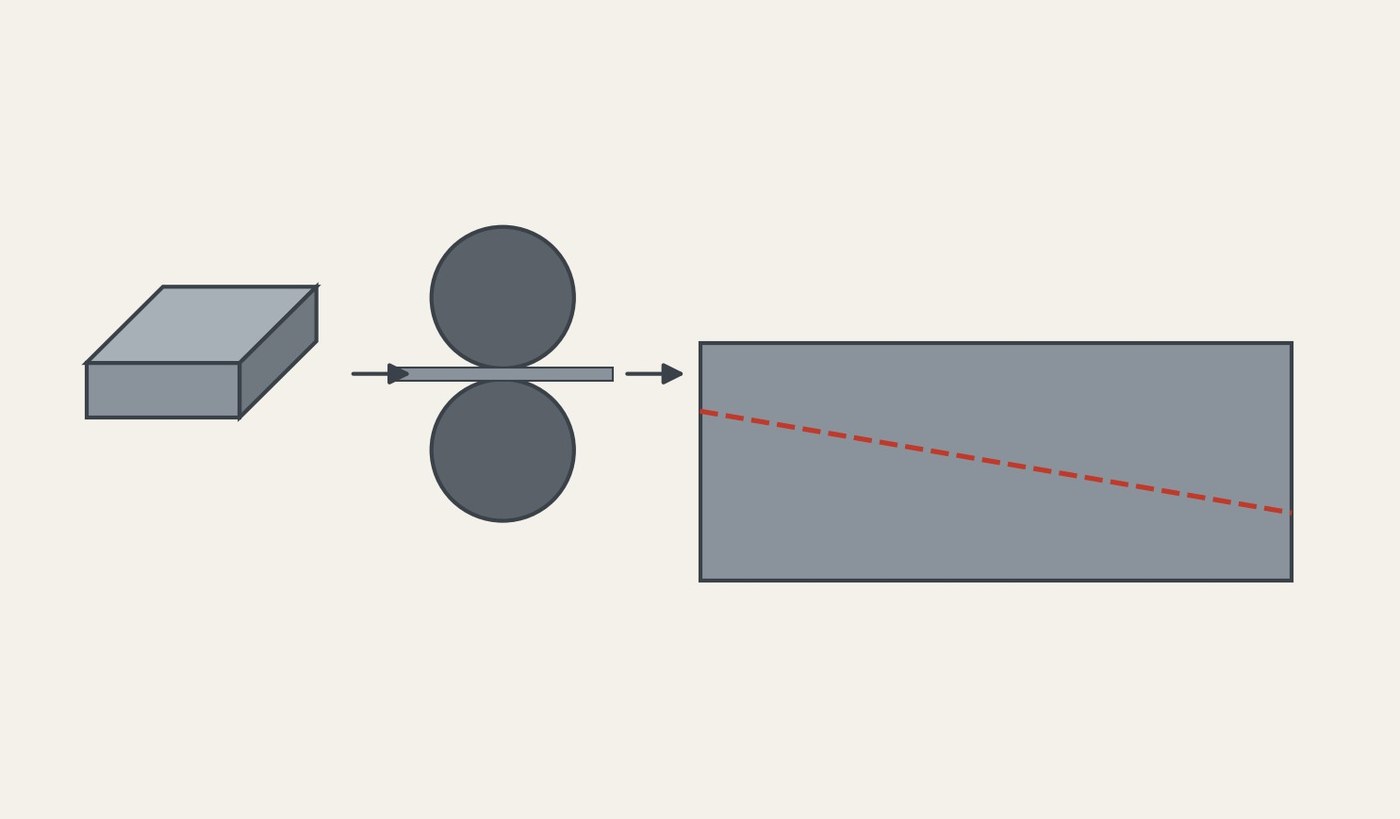


Saw Plate Steel Rolled from a Crucible Ingot
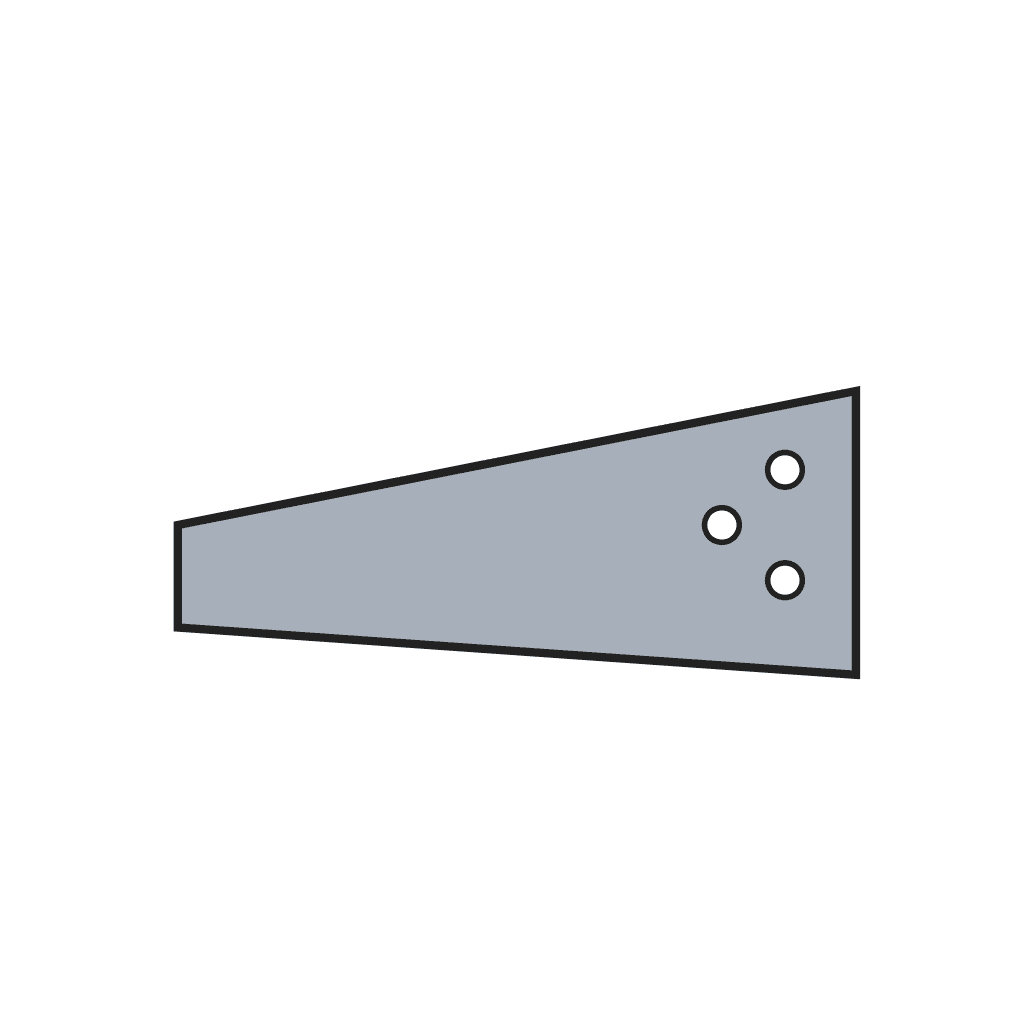
Saw blades start as thin steel plate. In the 1880s Disston's works cast crucible steel into flat ingots, cut each ingot into pieces, rolled every piece to the gauge of the saw and sheared it to outline; one handsaw plate was split diagonally to make two tapered blades (Grimshaw, Saws, 1882).
The picture: our diagram, ingot to rolls to plate, with the diagonal split.
མཐོ་རིམ
A day at the mill
ལམ་སྟོན
1
1
A flat ingot
A flat ingot
Start from crucible steel cast in an iron mould as a flat block. Grimshaw's ingot for 18 handsaws of 26 in weighed 48 lb and measured 6.5 × 12 × 2 in. For thicker saws, use milder steel (less carbon).
གོམ་པ་འདིའི་རྫས་རིགས:
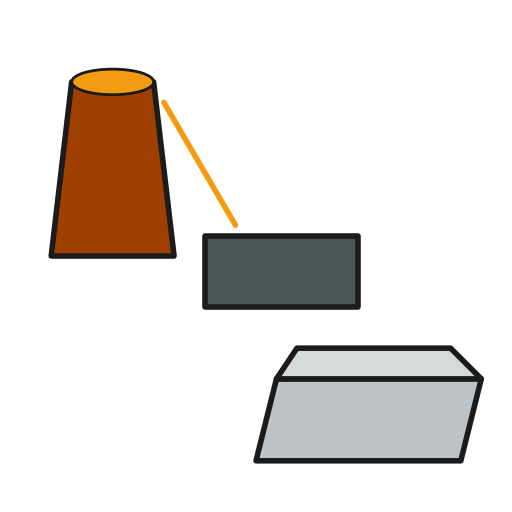 ཞུན་སྣོད་ཀྱི་ལྕགས་ཁར2 kg
ལག་ཆས་དགོས་མཁོ:
 མགར་བའི་ལག་བཟུང་།
 ཚག་གི་ལག་ཤུབས།
 ཉེན་སྲུང་མིག་ཤེལ།
2
2
Cut the ingot
Cut the ingot
Heat the ingot and cut it into equal pieces, one per plate, using Oldham's rule (step 5) for the weight each plate needs.
གོམ་པ་འདིའི་རྫས་རིགས:
 སོལ་བ།5 as required
ལག་ཆས་དགོས་མཁོ:
 མགར་བའི་ཐབ་ཁུང་།
 མགར་བའི་རྡོ་ལེབ།
 ཚན་པོའི་གཟོང་།
 ཐོ་བ་ཆེན།མགར་བའི་ལག་བཟུང་།ཚག་གི་ལག་ཤུབས།ཉེན་སྲུང་མིག་ཤེལ།
3
3
Roll to gauge
Roll to gauge
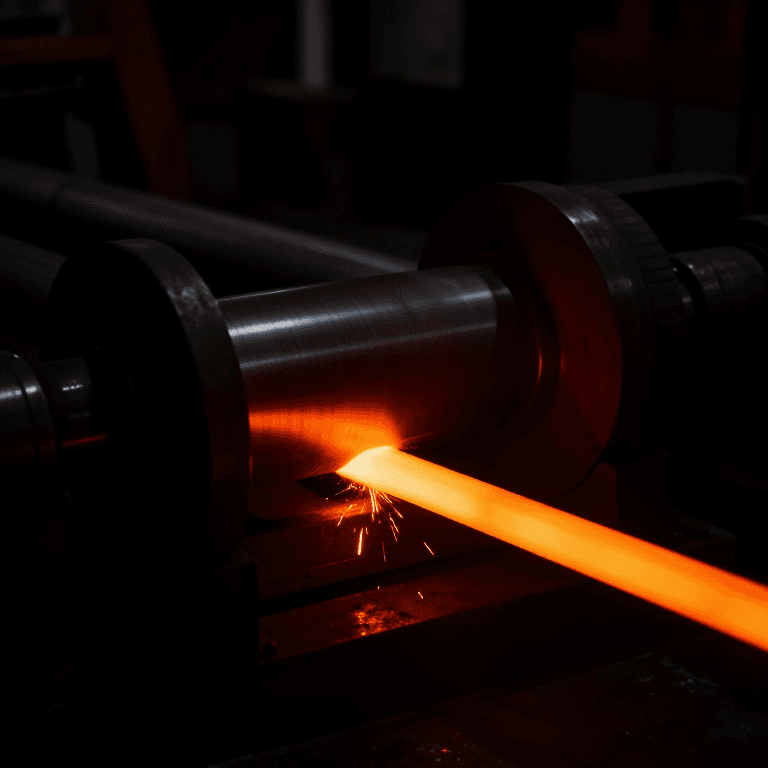
Pass each hot piece through the rolls again and again, reheating as needed, until it reaches the plate size. Between passes slap the plate on a smooth iron floor to knock off scale, which would otherwise be rolled into the steel (Grimshaw).
གོམ་པ་འདིའི་རྫས་རིགས:
སོལ་བ།5 as requiredལག་ཆས་དགོས་མཁོ:
 ལྕགས་བརྡར་འཕྲུལ་ཆས།མགར་བའི་ཐབ་ཁུང་།མགར་བའི་ལག་བཟུང་།ཚག་གི་ལག་ཤུབས།ཉེན་སྲུང་མིག་ཤེལ།
4
4
Shear to outline
Shear to outline
Shear the plate to the outline of the saw. For handsaws, split the plate diagonally along its length to get two tapered blades.
ལག་ཆས་དགོས་མཁོ:
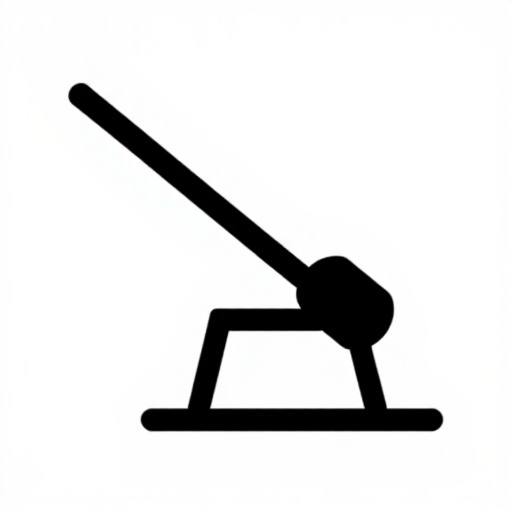 ལྕགས་ལེབ་གཏུབ་ཇེམ།ཚག་གི་ལག་ཤུབས།ཉེན་སྲུང་མིག་ཤེལ།
5
5
Oldham's rule: how heavy an ingot
Oldham's rule: how heavy an ingot
Jupyter ཚང་དེབ་མངོན་གསལ་འབད་དོ་…
བིལུ་པིརིན་ཊི་འདི་གིས་བཟོ་མི
འབྲེལ་ཡོད་བིལུ་པིརིན་ཊི
བིལུ་པིརིན་ཊི་འདི་ཚུ་ཐབས་ལམ་དང་རྫས་རིགས། སྤྱི་ཆོས་བགོ་བཤའ་བྱེད


CC0 སྤྱི་དབང
བིལུ་པིརིན་ཊི་འདི་CC0 འོག་བཀྲམས་ཡོད། ཁྱེད་རང་གིས་ཆོག་མཆན་མ་བཞེས་པར་ཕབ་ལེན་དང་བཟོ་བཅོས། བགོ་བཤའ། དགོས་མཁོ་གང་ལའང་བཀོལ་སྤྱོད་བྱས་ཆོག
བཟོ་མཁན་ལ་རྒྱབ་སྐྱོར་བྱེད་པའི་ཆེད་ཁོང་ཚོའི་བིལུ་པིརིན་ཊི་བརྒྱུད་ཐོན་སྐྱེད་ཉོ། བཟོ་མཁན་གྱིས བཟོ་མཁན་གྱི་ཁེ་ཕོགས ཚོང་པས་གཏན་འཁེལ་བྱས་པ། ཡང་ན་བིལུ་པིརིན་ཊི་འདིའི་པར་གསར་བཟོས་ཏེ་ཁྱེད་རང་གི་བིལུ་པིརིན་ཊི་ནང་མཐུད་སྦྲེལ་བྱས་ཏེ་ཡོང་སྒོ་བགོ་བཤའ་བྱེད།