སྒྱུ་རྩལ
མཛེས་སྡུག་དང་བདེ་ཐང
བཟོ་རིག
རིག་གནས་དང་ལོ་རྒྱུས
དགའ་སྟོན
ཁོར་ཡུག
ཟས་དང་བཏུང་རྫས
ཕྱིར་འཕྲུལ་རིག
ཚན་རིག
རྩེད་འགྲན
རིག་རྩལ
གྱོན་རུང


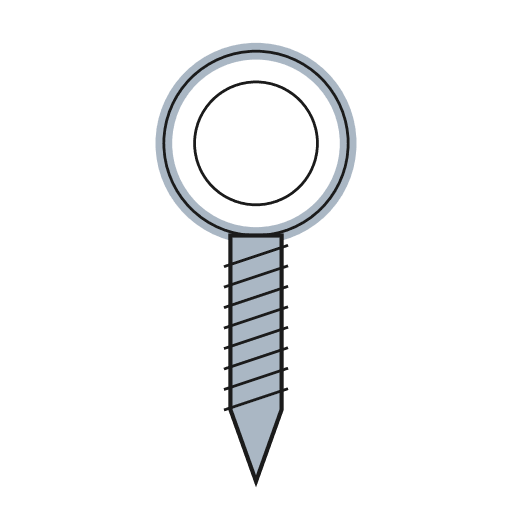
Screw Eye: Parmelee's One-Piece Wire Eye with a Stop-Ring
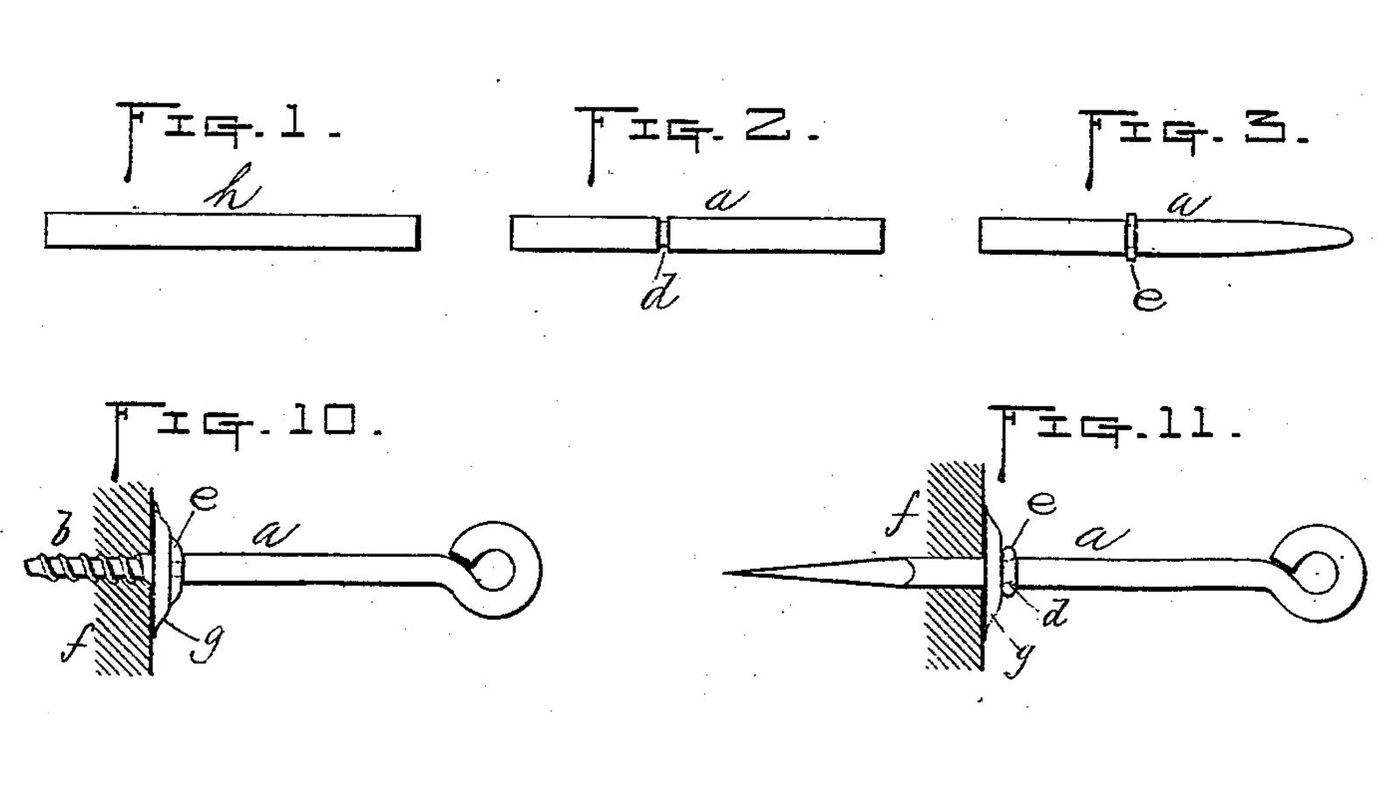
A screw eye bent from one piece of wire, by Arthur W. Parmelee of Worcester, Massachusetts (US 350,209, 1886). One end is threaded to turn into wood, the other bent into a closed eye. His addition is a ring closed into a groove around the shank: it stops the screw at the right depth, looks neat, and is left a little loose so the eye can turn without marking the wood under it.
The patent gives no metal or sizes. Iron wire, the 3 mm size, the pliers and the die are ours. The picture: Figs. 1-3 and 10-11 of the patent.
འགོ་བཙུགས
30 minutes
ལམ་སྟོན
1
1
Cut a piece of wire
Cut a piece of wire
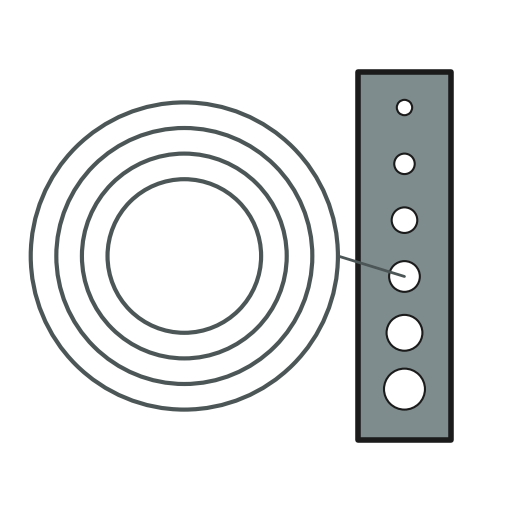
Cut a straight piece of iron wire about 3 mm thick (ours), long enough for the screw, the shank and the eye (Fig. 1).
གོམ་པ་འདིའི་རྫས་རིགས:
 ལྕགས་སྐུད1 དུམ་བུ།
ལག་ཆས་དགོས་མཁོ:
 ཐིག་ཤིང་།
 ལྕགས་སྐུད་ཟུར་གཏུབ་ཀྱི་ཀམ་ཅུང་།
2
2
Cut the groove
Cut the groove
File a narrow groove right round the wire, a screw length from one end (Fig. 2). Parmelee cuts it or presses it in.
ལག་ཆས་དགོས་མཁོ:
 ཁབ་དར་མའི་ཚོགས་ཆས།
 ལས་ཅོག་གི་འཛིན་ཆས།
3
3
Point the screw end
Point the screw end
File that end to a tapering point (Fig. 3).
ལག་ཆས་དགོས་མཁོ:
 ལྕགས་ཀྱི་དར་མ།ལས་ཅོག་གི་འཛིན་ཆས།
4
4
Thread the screw end
Thread the screw end
Cut a screw thread on the pointed end "in the usual way". Ours: a die in a die stock, run on as far as the point allows.
ལག་ཆས་དགོས་མཁོ:
 ཕྱིའི་སྐུད་རིས་འཛིན་ཆས།ལས་ཅོག་གི་འཛིན་ཆས།
5
5
Bend the eye
Bend the eye
Bend the other end into a closed round eye, the end turned in against the shank (Fig. 10).
ལག་ཆས་དགོས་མཁོ:
 ཁ་སྒོར་གྱི་གཟེར་འཛིན།
 ཁ་ལེབ་ཀྱི་ལྕགས་ཀྱིབ།
6
6
Make the split ring
Make the split ring
Bend a short piece of the same wire round into an open ring that just slips over the shank (Figs. 9 and 11).
གོམ་པ་འདིའི་རྫས་རིགས:
ལྕགས་སྐུད1 དུམ་བུ།ལག་ཆས་དགོས་མཁོ:
ལྕགས་སྐུད་ཟུར་གཏུབ་ཀྱི་ཀམ་ཅུང་།ཁ་སྒོར་གྱི་གཟེར་འཛིན།7
7
Close the ring into the groove
Close the ring into the groove
Slide the ring onto the groove and squeeze it until its two ends meet in a continuous band. Leave it a little loose, so the eye turns while the ring stays still against the wood.
ལག་ཆས་དགོས་མཁོ:
ཁ་ལེབ་ཀྱི་ལྕགས་ཀྱིབ།8
8
Turn it into the wood
Turn it into the wood
Turn the screw into the wood by the eye until the ring meets the surface: the ring is the depth stop. Parmelee also allows washers under the ring; we leave them out.
ལག་ཆས་དགོས་མཁོ
8- ས་ཆ་འཛིན
- ས་ཆ་འཛིན
- ས་ཆ་འཛིན
- ས་ཆ་འཛིན
- ས་ཆ་འཛིན
- ས་ཆ་འཛིན
- ས་ཆ་འཛིན
- ས་ཆ་འཛིན
བིལུ་པིརིན་ཊི་འདི་གིས་བཟོ་མི
འབྲེལ་ཡོད་བིལུ་པིརིན་ཊི
བིལུ་པིརིན་ཊི་འདི་ཚུ་ཐབས་ལམ་དང་རྫས་རིགས། སྤྱི་ཆོས་བགོ་བཤའ་བྱེད
CC0 སྤྱི་དབང
བིལུ་པིརིན་ཊི་འདི་CC0 འོག་བཀྲམས་ཡོད། ཁྱེད་རང་གིས་ཆོག་མཆན་མ་བཞེས་པར་ཕབ་ལེན་དང་བཟོ་བཅོས། བགོ་བཤའ། དགོས་མཁོ་གང་ལའང་བཀོལ་སྤྱོད་བྱས་ཆོག
བཟོ་མཁན་ལ་རྒྱབ་སྐྱོར་བྱེད་པའི་ཆེད་ཁོང་ཚོའི་བིལུ་པིརིན་ཊི་བརྒྱུད་ཐོན་སྐྱེད་ཉོ། བཟོ་མཁན་གྱིས བཟོ་མཁན་གྱི་ཁེ་ཕོགས ཚོང་པས་གཏན་འཁེལ་བྱས་པ། ཡང་ན་བིལུ་པིརིན་ཊི་འདིའི་པར་གསར་བཟོས་ཏེ་ཁྱེད་རང་གི་བིལུ་པིརིན་ཊི་ནང་མཐུད་སྦྲེལ་བྱས་ཏེ་ཡོང་སྒོ་བགོ་བཤའ་བྱེད།