སྒྱུ་རྩལ
མཛེས་སྡུག་དང་བདེ་ཐང
བཟོ་རིག
རིག་གནས་དང་ལོ་རྒྱུས
དགའ་སྟོན
ཁོར་ཡུག
ཟས་དང་བཏུང་རྫས
ཕྱིར་འཕྲུལ་རིག
ཚན་རིག
རྩེད་འགྲན
རིག་རྩལ
གྱོན་རུང
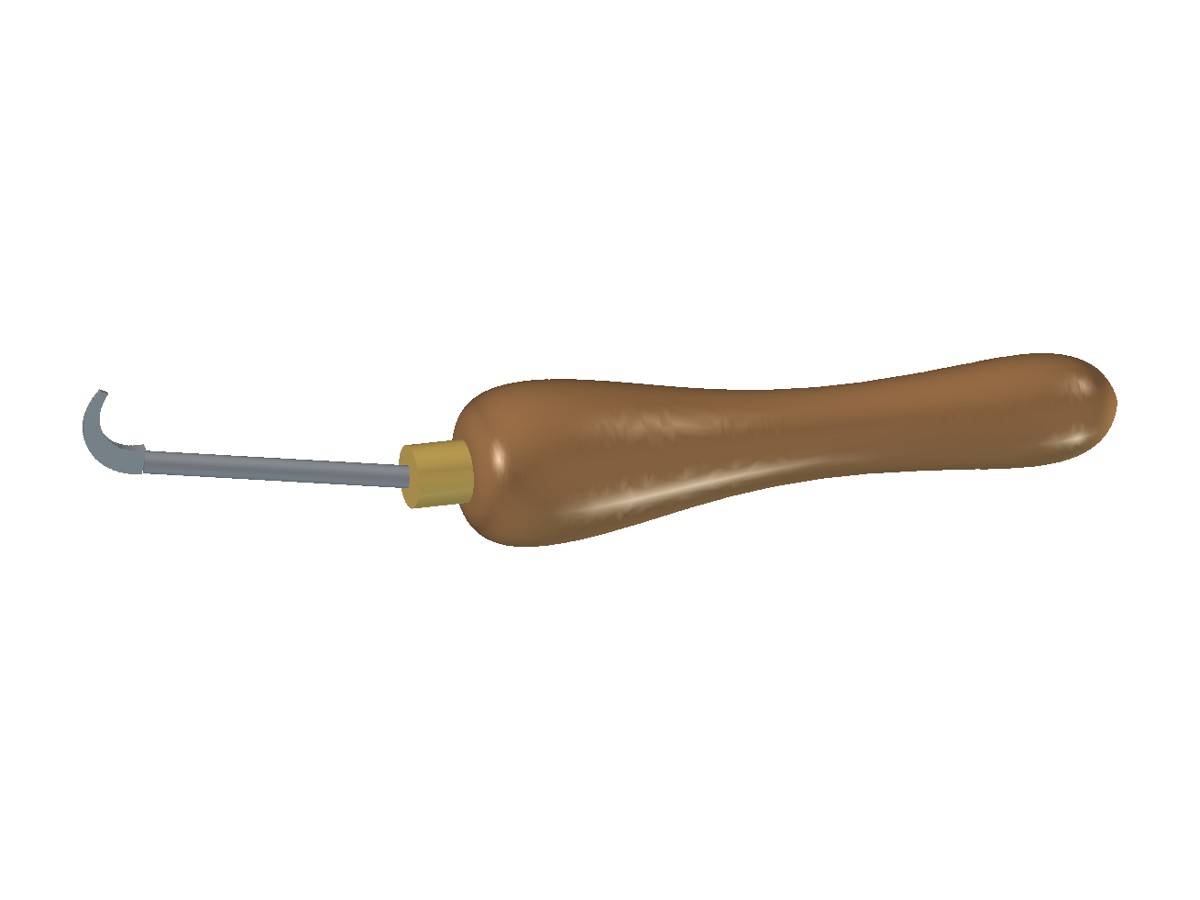


Seam Ripper: a Hook Blade with a Flat Under Face on an Upturned Shank (after Beavin, 1945)
A seam ripper forged from piano wire: a small hook-shaped blade, flat underneath so it slides on the cloth, sharpened on the inside of its curve to cut stitches without cutting the fabric, on a shank bent up so your hand clears the work. Alfred Beavin patented this shape in 1945.
བར་མ
About 3 hours
ལམ་སྟོན
1
1
How a seam ripper is used
How a seam ripper is used
Unpicking stitches without hurting the fabric (Wendi Gratz). Ours is a single hook blade that slides on its flat side.
2
2
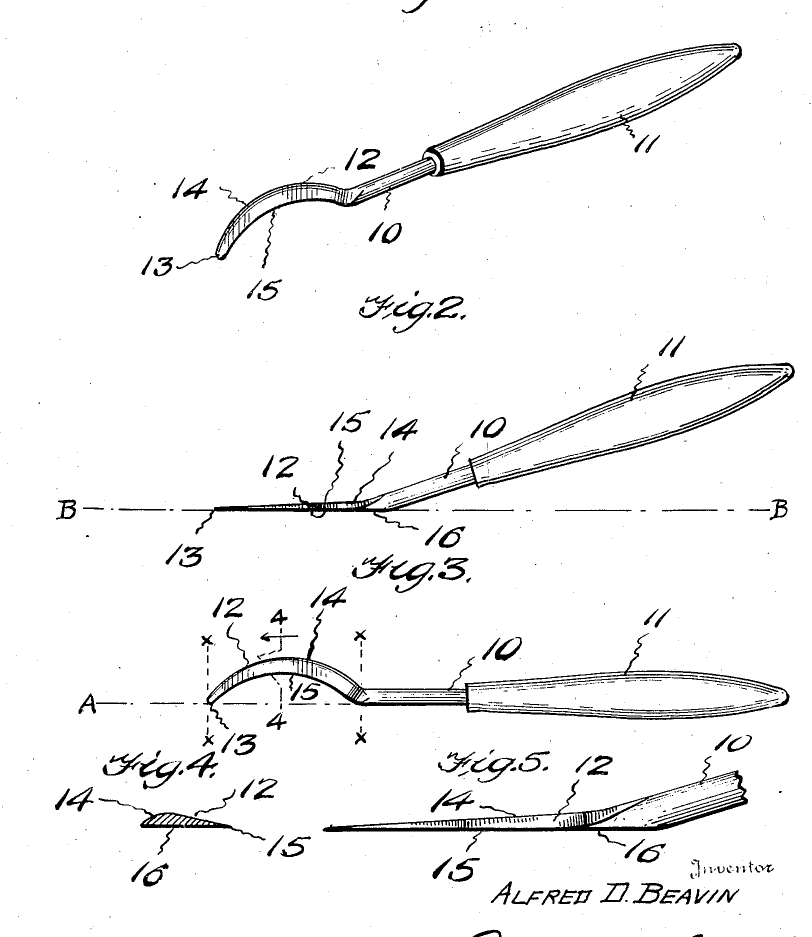
Beavin's seam ripper, 1945
Beavin's seam ripper, 1945
US 2,370,440: a hook-like blade 12 curved to one side of the shank, its rounded apex 13 in line with the shank's edge; bevelled on top from the convex back 14 to the concave cutting edge 15; a flat under face 16 that slides on the cloth so the edge cuts the thread with a shearing action; the shank 10 bent up so the hand clears the work; the blade tempered.
3
3
Forge the blade
Forge the blade
Cut 70 mm of 3 mm piano wire. Heat the last 25 mm to a bright red and hammer it flat on the anvil, about 1.2 mm thick and 4 mm wide, thinner towards the tip. While hot, bend the flat end sideways round the nose of the pliers into a hook about 8 mm in radius, its tip in line with the edge of the shank. Bend the shank up about 15 degrees just behind the hook.
གོམ་པ་འདིའི་རྫས་རིགས:
 པི་ཡ་ནོའི་སྐུད་པ།1 piece (3 mm, 70 mm)
ལག་ཆས་དགོས་མཁོ:
 ལྕགས་གཏུབ་སོག་ལེ།
 པོ་རོ་པེན་གྱི་མེ་ལྕེ།
 མགོ་སྒོར་སྒོར་གྱི་ཐོ་བ།
 མགར་བའི་རྡོ་ལེབ།
 ཁ་སྒོར་གྱི་གཟེར་འཛིན།
 ཁ་ལེབ་ཀྱི་ལྕགས་ཀྱིབ།
 ཚ་བཟོད་ཀྱི་ལག་ཤུབས།
 ཉེན་སྲུང་མིག་ཤེལ།
 ཨང་རྟགས་ཚད་འཇལ་ཆས་ ཨིནཅི 6
4
4
File and grind the edge
File and grind the edge
File the under face dead flat. File the top face as a bevel from the outer curve down to the inner curve, which becomes the edge, and taper it towards the tip. Round the tip smooth so it slips under a stitch without snagging.
ལག་ཆས་དགོས་མཁོ:
 ལྕགས་ཀྱི་དར་མ།
 ཁབ་དར་མའི་ཚོགས་ཆས།
 ལས་ཅོག་གི་འཛིན་ཆས།
5
5
Harden and temper
Harden and temper
Heat the hook until a magnet no longer sticks and quench in warm cooking oil. Clean it bright and temper in the oven at 200 degrees C for one hour (light straw).
གོམ་པ་འདིའི་རྫས་རིགས:
 ཟས་བཟོའི་སྣུམ།0.5 l
ལག་ཆས་དགོས་མཁོ:
པོ་རོ་པེན་གྱི་མེ་ལྕེ། ཁབ་ལེན་ཆུང་ཀུ།
 སྲ་བཟོའི་ཆུ་སྣོད།
 བསྲེག་ཐབ།
 ཨེ་མེ་རི་ཤོག་བུ།ཚ་བཟོད་ཀྱི་ལག་ཤུབས།
6
6
Fit the handle
Fit the handle
Shape 90 mm of hardwood dowel to a comfortable grip. Drill a 3 mm hole 35 mm deep in one end, fit 10 mm of brass tube over that end as a ferrule, and glue the shank in with epoxy.
གོམ་པ་འདིའི་རྫས་རིགས:
 ཤིང་སྲ་གི་ཕུར་པ།1 piece (16 mm, 90 mm)
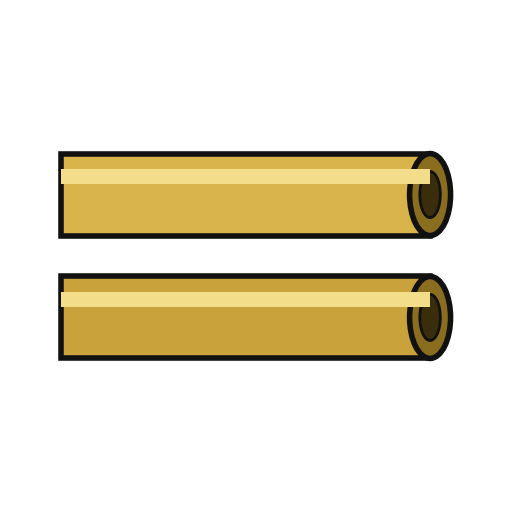 རག་གི་ དོང་པོ།1 piece (about 8 mm, 10 mm)
 ཨེ་པོག་སི་ཞུན་ཤིང2 g
ལག་ཆས་དགོས་མཁོ:
 ཤིང་གི་སྲོག་ལེབ་རྩུབ་མོ།
 བྱེ་མའི་ཤོག་ཀུ
 ཕུག་མགོའི་ཚོགས་ཆས།ལས་ཅོག་གི་འཛིན་ཆས།ལྕགས་གཏུབ་སོག་ལེ།
7
7
Hone and use
Hone and use
Hone the inner edge on the stone, keeping the under face flat. To rip, lay the flat face on the cloth, slip the tip under a stitch, and draw the tool along the seam.
ལག་ཆས་དགོས་མཁོ:
 རྣོ་བཟོའི་རྡོ།
8
8
Troubleshooting
Troubleshooting
Ripper problems and fixes.
Flow
Loading...
9
9
History and honest limits
History and honest limits
Alfred D. Beavin, Eastport, Maryland: US 2,370,440, "Seam Ripper", filed 10 August 1944, granted 27 February 1945. He gives no sizes or steel: ours are 3 mm piano wire, the blade sizes, the handle and the heat treatment. Not made by us yet.
རྫས་རིགས
5- 1 piece (3 mm, 70 mm)ས་ཆ་འཛིན
- 0.5 lས་ཆ་འཛིན
- 1 piece (16 mm, 90 mm)ས་ཆ་འཛིན
- 1 piece (about 8 mm, 10 mm)ས་ཆ་འཛིན
- ས་ཆ་འཛིན
ལག་ཆས་དགོས་མཁོ
20- ས་ཆ་འཛིན
- ས་ཆ་འཛིན
- ས་ཆ་འཛིན
- ས་ཆ་འཛིན
- ས་ཆ་འཛིན
- ས་ཆ་འཛིན
- ས་ཆ་འཛིན
- ས་ཆ་འཛིན
- ས་ཆ་འཛིན
- ས་ཆ་འཛིན
- ས་ཆ་འཛིན
- ས་ཆ་འཛིན
- ས་ཆ་འཛིན
- ས་ཆ་འཛིན
- ས་ཆ་འཛིན
- ས་ཆ་འཛིན
- ས་ཆ་འཛིན
- ས་ཆ་འཛིན
- ས་ཆ་འཛིན
- ས་ཆ་འཛིན
བིལུ་པིརིན་ཊི་འདི་གིས་བཟོ་མི

འབྲེལ་ཡོད་བིལུ་པིརིན་ཊི
བིལུ་པིརིན་ཊི་འདི་ཚུ་ཐབས་ལམ་དང་རྫས་རིགས། སྤྱི་ཆོས་བགོ་བཤའ་བྱེད
CC0 སྤྱི་དབང
བིལུ་པིརིན་ཊི་འདི་CC0 འོག་བཀྲམས་ཡོད། ཁྱེད་རང་གིས་ཆོག་མཆན་མ་བཞེས་པར་ཕབ་ལེན་དང་བཟོ་བཅོས། བགོ་བཤའ། དགོས་མཁོ་གང་ལའང་བཀོལ་སྤྱོད་བྱས་ཆོག
བཟོ་མཁན་ལ་རྒྱབ་སྐྱོར་བྱེད་པའི་ཆེད་ཁོང་ཚོའི་བིལུ་པིརིན་ཊི་བརྒྱུད་ཐོན་སྐྱེད་ཉོ། བཟོ་མཁན་གྱིས བཟོ་མཁན་གྱི་ཁེ་ཕོགས ཚོང་པས་གཏན་འཁེལ་བྱས་པ། ཡང་ན་བིལུ་པིརིན་ཊི་འདིའི་པར་གསར་བཟོས་ཏེ་ཁྱེད་རང་གི་བིལུ་པིརིན་ཊི་ནང་མཐུད་སྦྲེལ་བྱས་ཏེ་ཡོང་སྒོ་བགོ་བཤའ་བྱེད།