སྒྱུ་རྩལ
མཛེས་སྡུག་དང་བདེ་ཐང
བཟོ་རིག
རིག་གནས་དང་ལོ་རྒྱུས
དགའ་སྟོན
ཁོར་ཡུག
ཟས་དང་བཏུང་རྫས
ཕྱིར་འཕྲུལ་རིག
ཚན་རིག
རྩེད་འགྲན
རིག་རྩལ
གྱོན་རུང
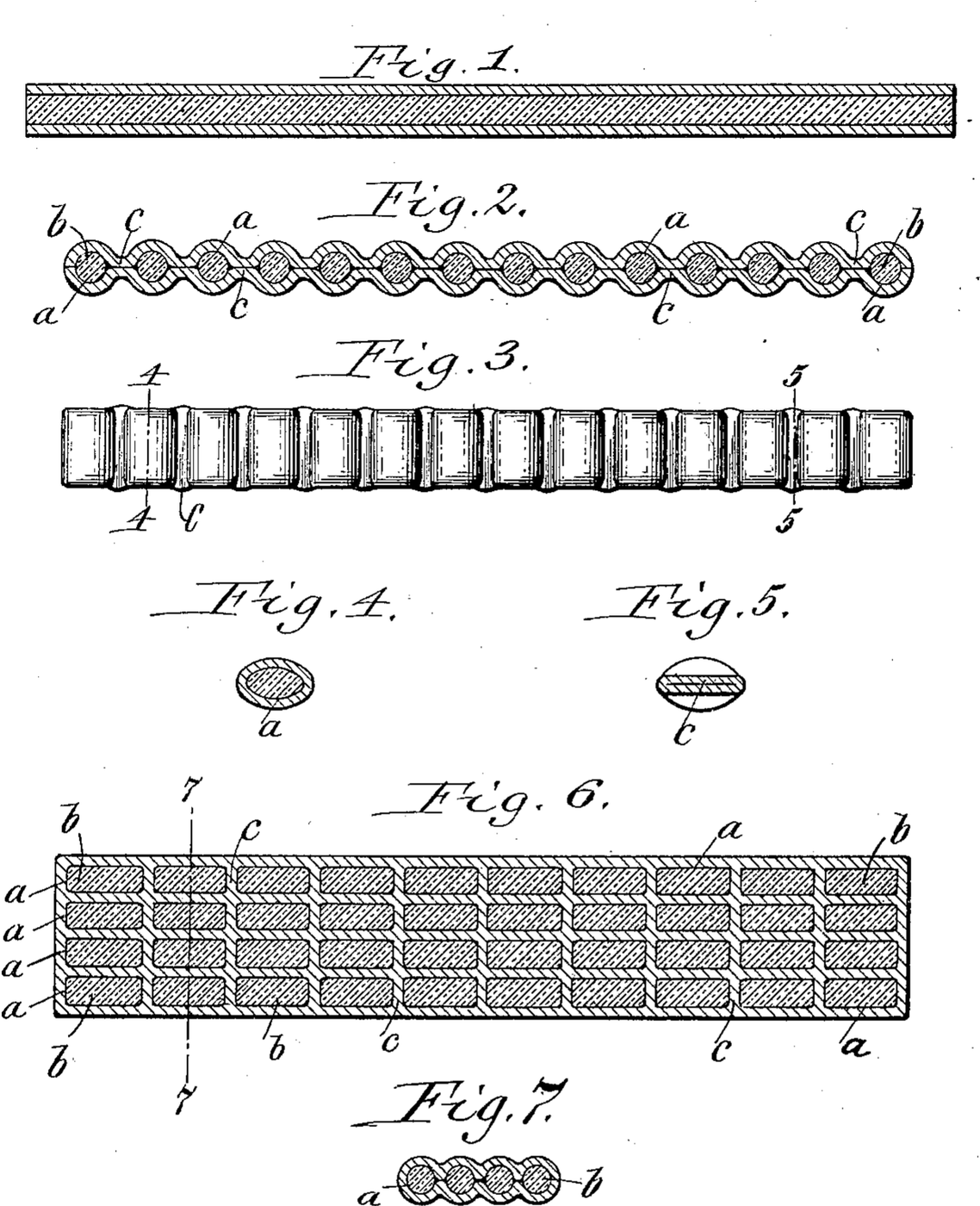


Self-Fluxing Solder with Flux Cells: Kester, 1899
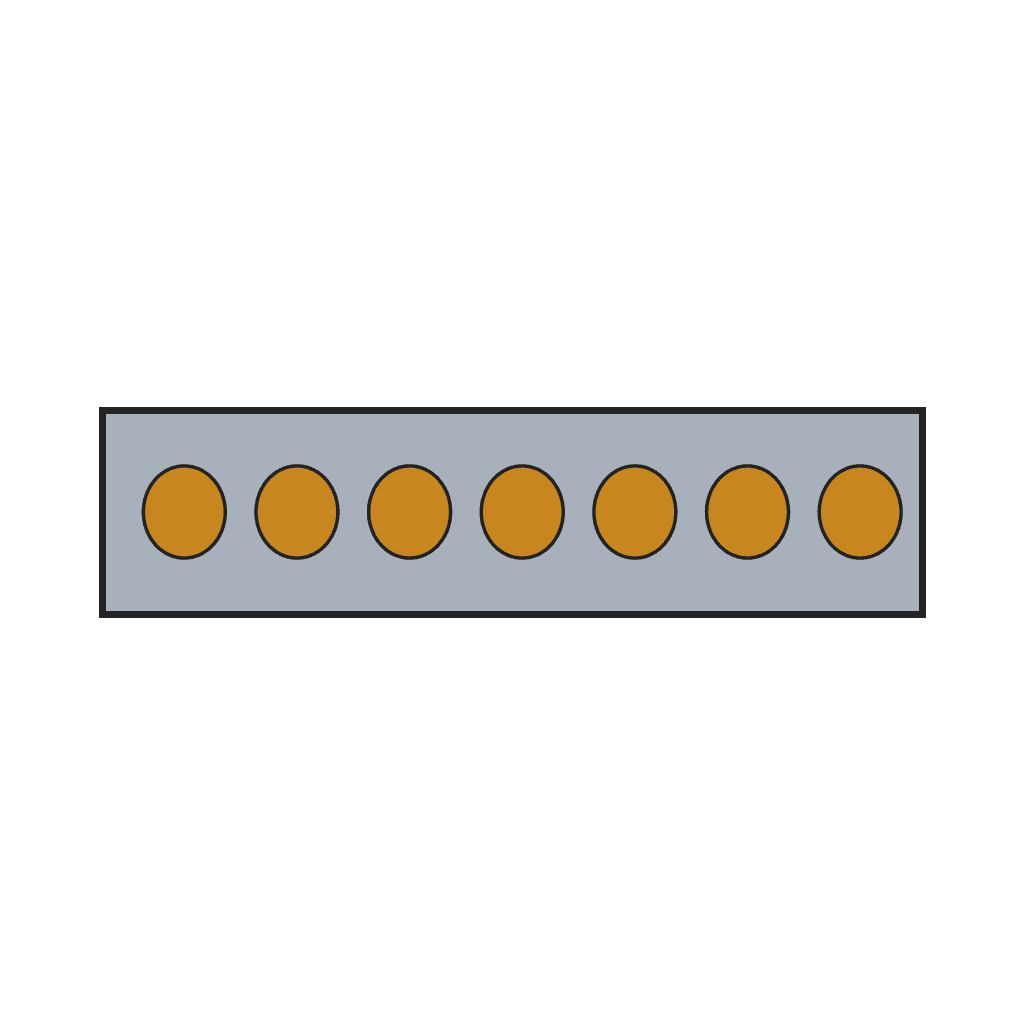
Jesse F. Kester of Buffalo, New York, patented this solder in 1899, US 628,541. Solder wire with one continuous core of flux already existed, but the flux melts at a lower heat than the solder, so it melted some distance back from the end, too much ran out at each joint, and little was left near the end for the next. Kester divided the flux into a row of separate closed cells: each melt opens one cell and supplies a uniform charge of flux.
བར་མ
Workshop process
ལམ་སྟོན
1
1
Groove the wire
Groove the wire
Pass ordinary wire solder lengthwise between rollers to make it trough-shaped in cross-section. (Kester's preferred route starts instead from a tube or hollow wire of solder, filled with the flux.)
གོམ་པ་འདིའི་རྫས་རིགས:
 ཞ་སྦྱར་རྫས་ཀྱི་སྐུད་པ1 as required
ལག་ཆས་དགོས་མཁོ:
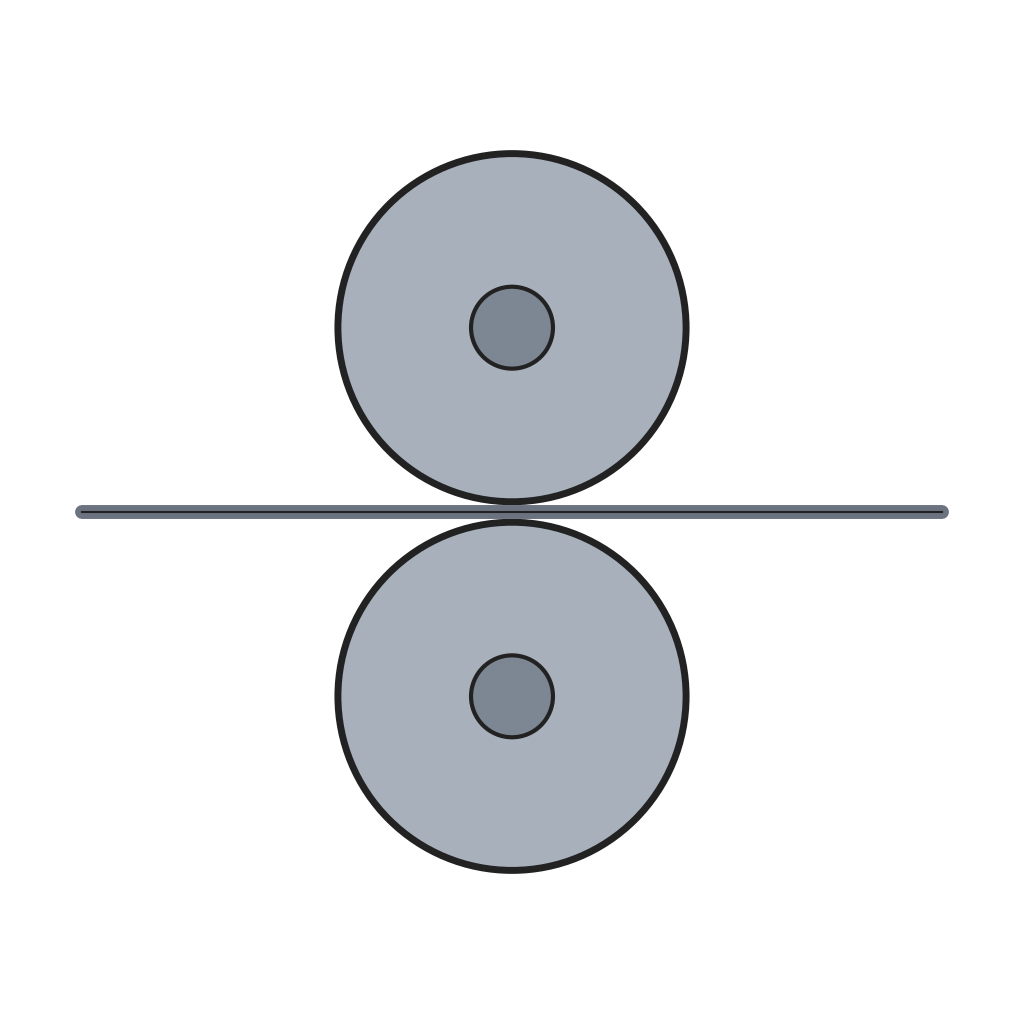 སྐུད་པའི་དབྱིབས་བཟོ་སྒྲིལ་འཁོར
2
2
Fill and close
Fill and close
Fill the groove with a suitable flux, in dry, plastic or liquid form. Close the edges of the solder together again, giving the wire a rounded or oval cross-section.
གོམ་པ་འདིའི་རྫས་རིགས:
 ཞུ་རོགས་རྫས1 as required
ལག་ཆས་དགོས་མཁོ:
སྐུད་པའི་དབྱིབས་བཟོ་སྒྲིལ་འཁོར3
3
Pinch into cells
Pinch into cells
Corrugate the filled wire between rollers, or pinch it at intervals of about three-sixteenths of an inch, pressing the walls together into webs. Each web closes off a cell, so the flux is held in a row of separate, uniform charges and cannot run out of the solder.
ལག་ཆས་དགོས་མཁོ:
སྐུད་པའི་དབྱིབས་བཟོ་སྒྲིལ་འཁོར4
4
Wide bars
Wide bars
For wide bars, such as roofers use, form several rows of cells, in straight rows from end to end or in diagonal rows of lozenge-shaped cells. A solid bar or rod can also have cells formed in its surface, filled with flux and closed by a covering strip pressed on.
རྫས་རིགས
2- 1 as requiredས་ཆ་འཛིན
- 1 as requiredས་ཆ་འཛིན
བིལུ་པིརིན་ཊི་འདི་གིས་བཟོ་མི
འབྲེལ་ཡོད་བིལུ་པིརིན་ཊི
བིལུ་པིརིན་ཊི་འདི་ཚུ་ཐབས་ལམ་དང་རྫས་རིགས། སྤྱི་ཆོས་བགོ་བཤའ་བྱེད

CC0 སྤྱི་དབང
བིལུ་པིརིན་ཊི་འདི་CC0 འོག་བཀྲམས་ཡོད། ཁྱེད་རང་གིས་ཆོག་མཆན་མ་བཞེས་པར་ཕབ་ལེན་དང་བཟོ་བཅོས། བགོ་བཤའ། དགོས་མཁོ་གང་ལའང་བཀོལ་སྤྱོད་བྱས་ཆོག
བཟོ་མཁན་ལ་རྒྱབ་སྐྱོར་བྱེད་པའི་ཆེད་ཁོང་ཚོའི་བིལུ་པིརིན་ཊི་བརྒྱུད་ཐོན་སྐྱེད་ཉོ། བཟོ་མཁན་གྱིས བཟོ་མཁན་གྱི་ཁེ་ཕོགས ཚོང་པས་གཏན་འཁེལ་བྱས་པ། ཡང་ན་བིལུ་པིརིན་ཊི་འདིའི་པར་གསར་བཟོས་ཏེ་ཁྱེད་རང་གི་བིལུ་པིརིན་ཊི་ནང་མཐུད་སྦྲེལ་བྱས་ཏེ་ཡོང་སྒོ་བགོ་བཤའ་བྱེད།