སྒྱུ་རྩལ
མཛེས་སྡུག་དང་བདེ་ཐང
བཟོ་རིག
རིག་གནས་དང་ལོ་རྒྱུས
དགའ་སྟོན
ཁོར་ཡུག
ཟས་དང་བཏུང་རྫས
ཕྱིར་འཕྲུལ་རིག
ཚན་རིག
རྩེད་འགྲན
རིག་རྩལ
གྱོན་རུང
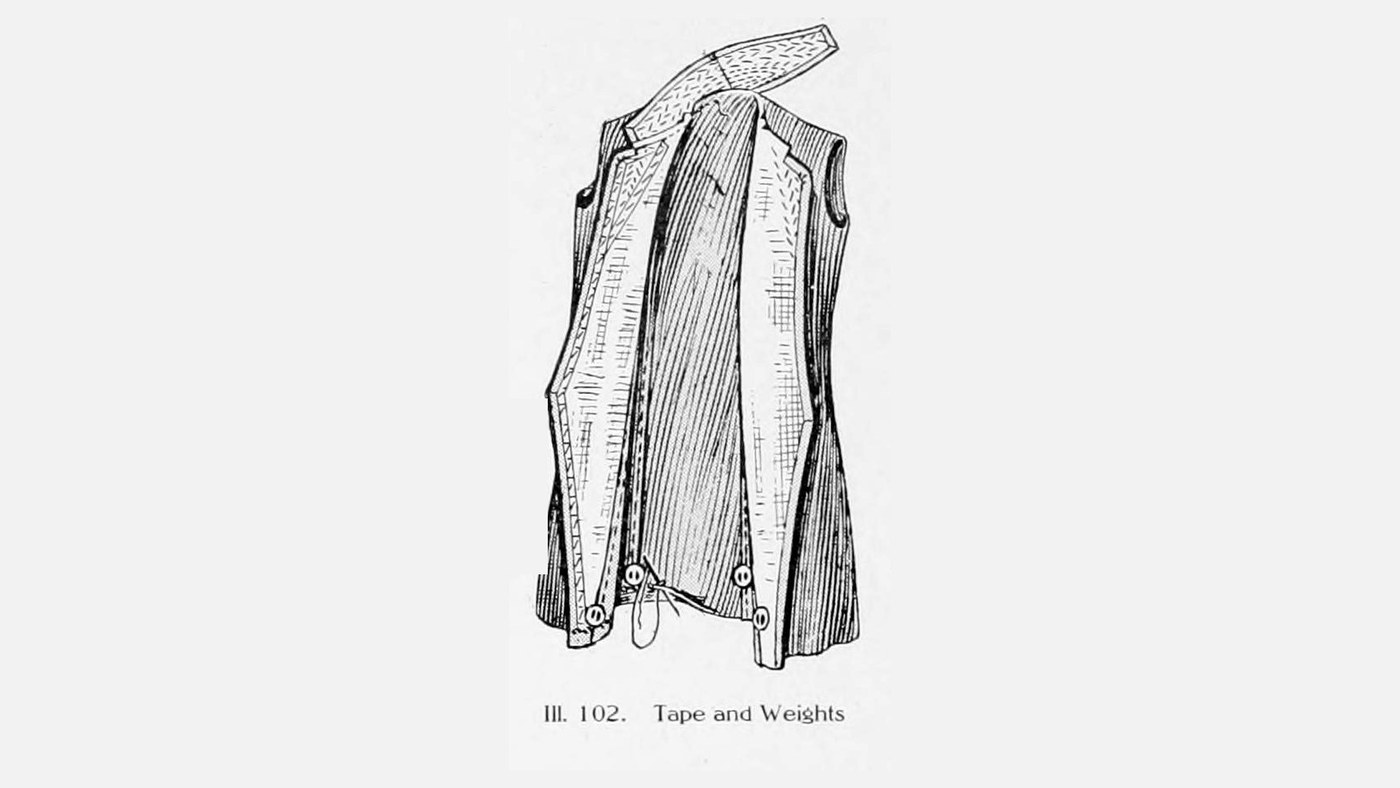


Sew-In Interfacing: Cotton Shrunk Overnight Before Cutting
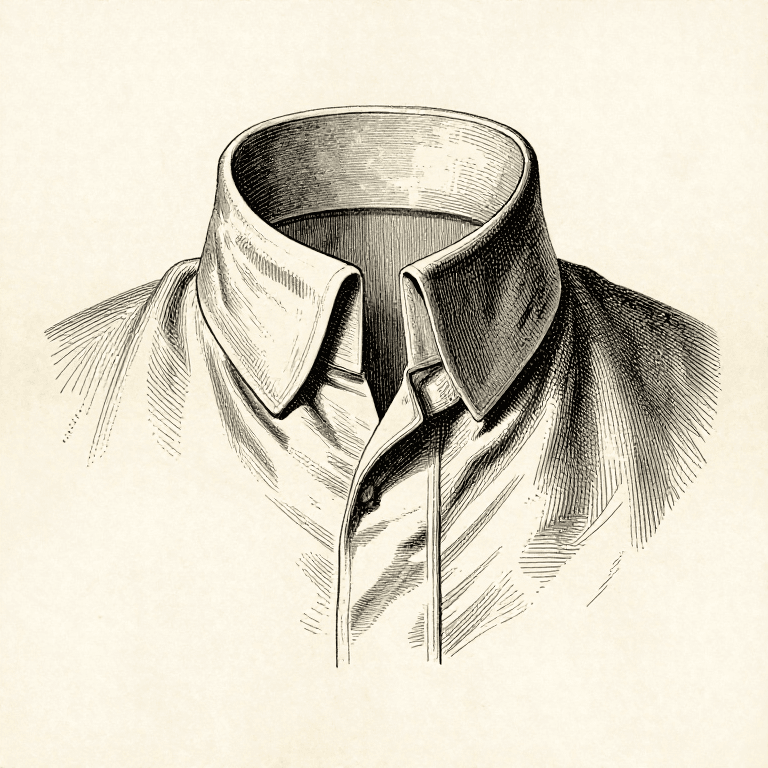
The cloth basted inside a collar or coat front to give it body is only useful if it has been shrunk first: otherwise, as Butterick's New Dressmaker (1921) warns, it "will shrink on the first damp day and will draw in and wrinkle the coat". This is the book's sponging method: roll the cloth up with a damp muslin overnight, press it dry, then cut it by the pattern.
Butterick names soft canvas, cotton serge or cambric for wool, and butchers' linen, cambric or muslin for linen; ours is cotton muslin. The picture: the book's Ill. 102.
འགོ་བཙུགས
Overnight + 30 minutes
ལམ་སྟོན
1
1
Choose the cloth
Choose the cloth
For wool: soft pliable canvas, cotton serge or cambric. For linen: butchers' linen, cambric or muslin. For silk: cotton serge, sateen or cambric. Ours: cotton muslin.
གོམ་པ་འདིའི་རྫས་རིགས:
 རས་བལ་གྱི་མསི་ལིན།1 དུམ་བུ།
2
2
Clip the selvedge
Clip the selvedge
Cut off the selvedge, or clip it at intervals, so it cannot pull the cloth as it shrinks.
ལག་ཆས་དགོས་མཁོ:
 ཇེམ་ཙི།
3
3
Lay it out
Lay it out
Lay the cloth face down on the table over an ironing blanket. Ours: the ironing board.
ལག་ཆས་དགོས་མཁོ:
 དྲོ་ལྕགས་རྒྱག་སའི་པང་ལེབ།
4
4
Damp the sponging cloth
Damp the sponging cloth
Wet a strip of heavy unbleached muslin, as wide as your cloth and half as long, in cold water and wring it out.
ལག་ཆས་དགོས་མཁོ:
 མཱས་ལིན་གོས།
 ཆུ།
5
5
Fold and roll
Fold and roll
Spread it without wrinkles over half the cloth, fold the other half over it, and roll the two up tightly together.
ལག་ཆས་དགོས་མཁོ:
མཱས་ལིན་གོས།6
6
Leave it overnight
Leave it overnight
Leave the roll overnight, covered with a piece of muslin and some newspapers to keep the moisture in.
ལག་ཆས་དགོས་མཁོ:
མཱས་ལིན་གོས། གསར་ཤོག (གདན)
7
7
Unroll and press dry
Unroll and press dry
In the morning unroll it, pressing the cloth dry on the wrong side as you go.
ལག་ཆས་དགོས་མཁོ:
 གོས་ཀྱི་ལྕགས་འཇམདྲོ་ལྕགས་རྒྱག་སའི་པང་ལེབ།
8
8
Cut by the pattern
Cut by the pattern
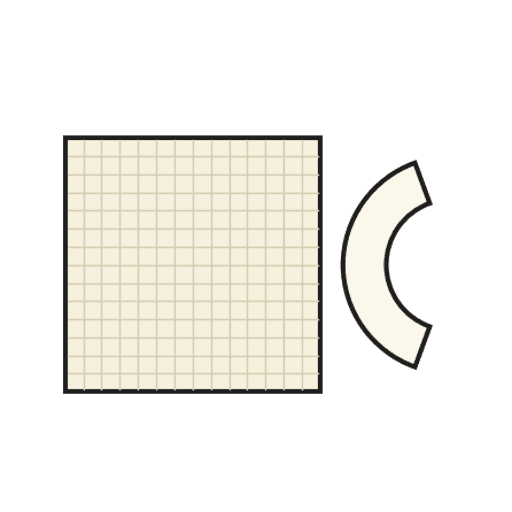
Cut the interfacing by the garment pattern. For a strictly tailored collar, cut it 3/8 inch smaller than the pattern at all edges. Baste it to the wrong side of the garment.
ལག་ཆས་དགོས་མཁོ:
ཇེམ་ཙི།རྫས་རིགས
1- 1 དུམ་བུ།ས་ཆ་འཛིན
བིལུ་པིརིན་ཊི་འདི་གིས་བཟོ་མི
འབྲེལ་ཡོད་བིལུ་པིརིན་ཊི
བིལུ་པིརིན་ཊི་འདི་ཚུ་ཐབས་ལམ་དང་རྫས་རིགས། སྤྱི་ཆོས་བགོ་བཤའ་བྱེད
CC0 སྤྱི་དབང
བིལུ་པིརིན་ཊི་འདི་CC0 འོག་བཀྲམས་ཡོད། ཁྱེད་རང་གིས་ཆོག་མཆན་མ་བཞེས་པར་ཕབ་ལེན་དང་བཟོ་བཅོས། བགོ་བཤའ། དགོས་མཁོ་གང་ལའང་བཀོལ་སྤྱོད་བྱས་ཆོག
བཟོ་མཁན་ལ་རྒྱབ་སྐྱོར་བྱེད་པའི་ཆེད་ཁོང་ཚོའི་བིལུ་པིརིན་ཊི་བརྒྱུད་ཐོན་སྐྱེད་ཉོ། བཟོ་མཁན་གྱིས བཟོ་མཁན་གྱི་ཁེ་ཕོགས ཚོང་པས་གཏན་འཁེལ་བྱས་པ། ཡང་ན་བིལུ་པིརིན་ཊི་འདིའི་པར་གསར་བཟོས་ཏེ་ཁྱེད་རང་གི་བིལུ་པིརིན་ཊི་ནང་མཐུད་སྦྲེལ་བྱས་ཏེ་ཡོང་སྒོ་བགོ་བཤའ་བྱེད།