སྒྱུ་རྩལ
མཛེས་སྡུག་དང་བདེ་ཐང
བཟོ་རིག
རིག་གནས་དང་ལོ་རྒྱུས
དགའ་སྟོན
ཁོར་ཡུག
ཟས་དང་བཏུང་རྫས
ཕྱིར་འཕྲུལ་རིག
ཚན་རིག
རྩེད་འགྲན
རིག་རྩལ
གྱོན་རུང
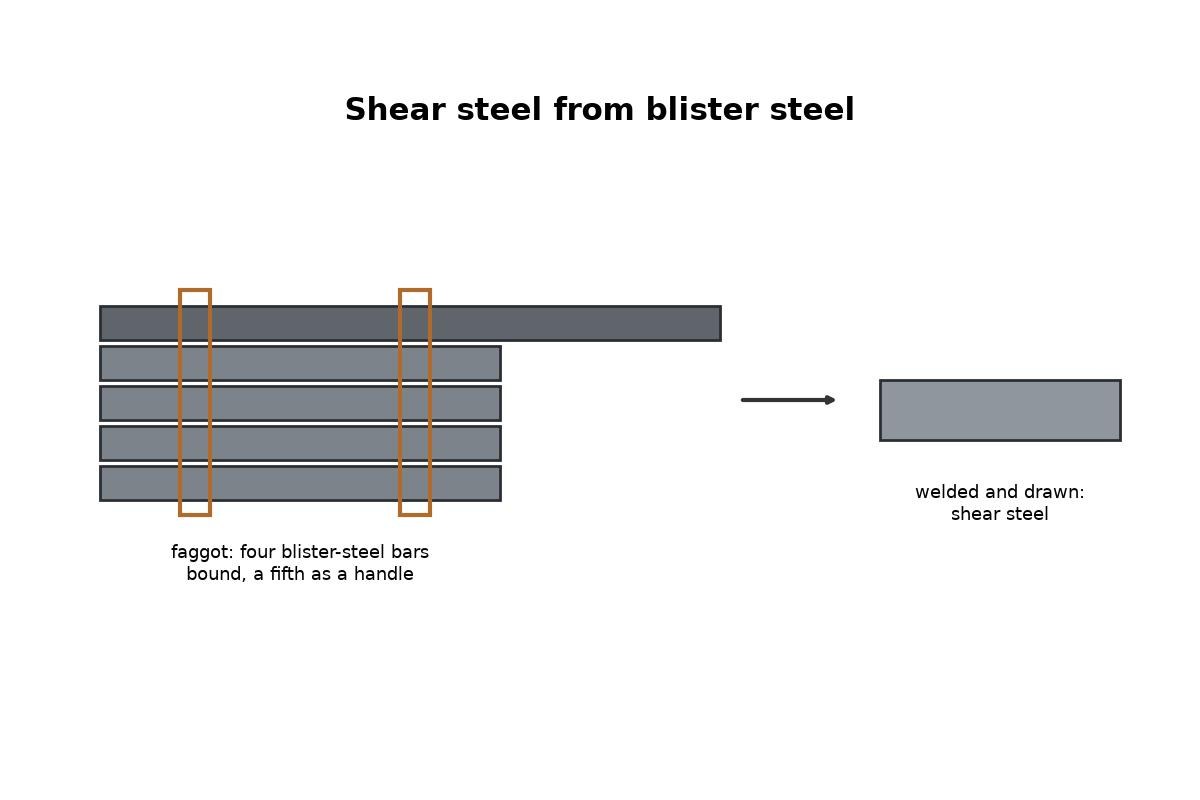


Shear Steel: Blister Bars Faggoted and Welded, Ure 1839
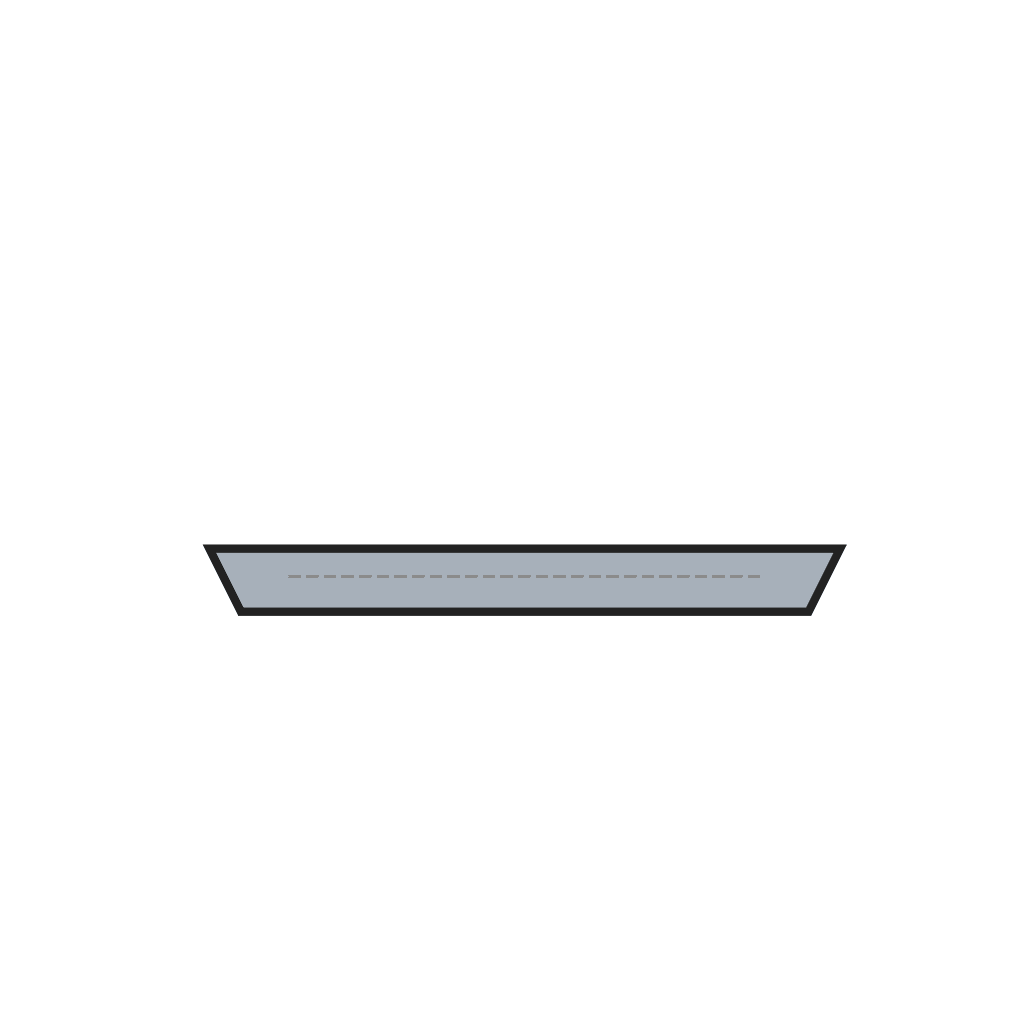
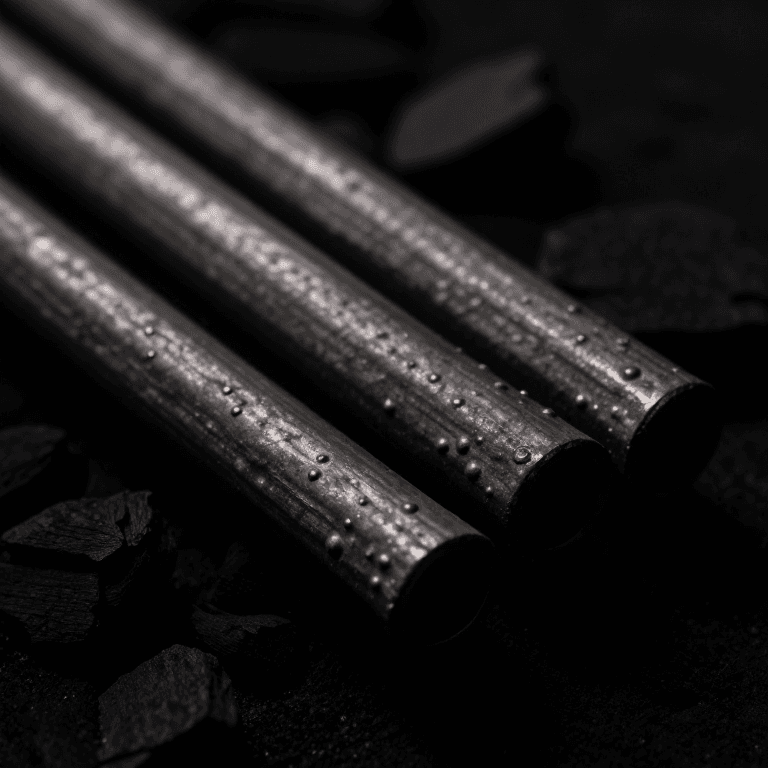
Blister steel from the cementation furnace is uneven. Ure (1839) describes shear steel, named after the cloth shearers' shears made from it: four bars bound into a faggot with a fifth as a handle, welded under the hammer and drawn out. It polishes finer and is tougher and more even; too many heats turn it back towards iron.
The picture: our diagram of the faggot and the welded bar.
མཐོ་རིམ
A day
ལམ་སྟོན
1
1
Make the faggot
Make the faggot
Break the blister steel into four bars of equal length and lay them side by side with a fifth of double length whose end sticks out as a handle. Bind them tight with rings of iron rod.
གོམ་པ་འདིའི་རྫས་རིགས:
 ཆུ་བུར་ཅན་གྱི་ལྕགས་ཀྱི་དབྱུག་གུ།5 དུམ་བུ།
 བརྡུངས་ལྕགས་ཀྱི་དབྱུག་པ1 m
ལག་ཆས་དགོས་མཁོ:
 མགར་རྡོའི་གཏུབ་ཆས།
 རྒྱབ་ཐིག་གི་ཐོ་བ།
 མགར་བའི་ལག་བཟུང་།
 ཚག་གི་ལག་ཤུབས།
 ཉེན་སྲུང་མིག་ཤེལ།
2
2
Welding heat
Welding heat
Bring the faggot to a full welding heat in the forge, sprinkling it with fine sand so a film of slag protects the surface.
གོམ་པ་འདིའི་རྫས་རིགས:
 བྱེ་མ་ཞིབ་མོ།0.2 kg
 སོལ་བ།10 kg
ལག་ཆས་དགོས་མཁོ:
 མགར་བའི་ཐབ་ཁུང་།མགར་བའི་ལག་བཟུང་།ཚག་གི་ལག་ཤུབས།ཉེན་སྲུང་མིག་ཤེལ།
3
3
Weld it
Weld it
On the anvil, strike it down on both sides at once, the striker with the sledge, until the bars have united. Knock off the rings at the next heat.
ལག་ཆས་དགོས་མཁོ:
 མགར་བའི་རྡོ་ལེབ།
 ཐོ་བ་ཆེན།རྒྱབ་ཐིག་གི་ཐོ་བ།མགར་བའི་ལག་བཟུང་།ཚག་གི་ལག་ཤུབས།ཉེན་སྲུང་མིག་ཤེལ།
4
4
Draw to a plate
Draw to a plate
Draw the welded bar out into a plate of even thickness, using as few heats as you can, and finish the faces with the flatter.
ལག་ཆས་དགོས་མཁོ:
མགར་བའི་ཐབ་ཁུང་།མགར་བའི་རྡོ་ལེབ།ཐོ་བ་ཆེན། ངོས་སྙོམས་ཆས།མགར་བའི་ལག་བཟུང་།ཚག་གི་ལག་ཤུབས།ཉེན་སྲུང་མིག་ཤེལ།
5
5
Plate size
Plate size
Jupyter ཚང་དེབ་མངོན་གསལ་འབད་དོ་…
རྫས་རིགས
4- 5 དུམ་བུ།ས་ཆ་འཛིན
- ས་ཆ་འཛིན
- 0.2 kgས་ཆ་འཛིན
- 10 kgས་ཆ་འཛིན
བིལུ་པིརིན་ཊི་འདི་གིས་བཟོ་མི
འབྲེལ་ཡོད་བིལུ་པིརིན་ཊི
བིལུ་པིརིན་ཊི་འདི་ཚུ་ཐབས་ལམ་དང་རྫས་རིགས། སྤྱི་ཆོས་བགོ་བཤའ་བྱེད

CC0 སྤྱི་དབང
བིལུ་པིརིན་ཊི་འདི་CC0 འོག་བཀྲམས་ཡོད། ཁྱེད་རང་གིས་ཆོག་མཆན་མ་བཞེས་པར་ཕབ་ལེན་དང་བཟོ་བཅོས། བགོ་བཤའ། དགོས་མཁོ་གང་ལའང་བཀོལ་སྤྱོད་བྱས་ཆོག
བཟོ་མཁན་ལ་རྒྱབ་སྐྱོར་བྱེད་པའི་ཆེད་ཁོང་ཚོའི་བིལུ་པིརིན་ཊི་བརྒྱུད་ཐོན་སྐྱེད་ཉོ། བཟོ་མཁན་གྱིས བཟོ་མཁན་གྱི་ཁེ་ཕོགས ཚོང་པས་གཏན་འཁེལ་བྱས་པ། ཡང་ན་བིལུ་པིརིན་ཊི་འདིའི་པར་གསར་བཟོས་ཏེ་ཁྱེད་རང་གི་བིལུ་པིརིན་ཊི་ནང་མཐུད་སྦྲེལ་བྱས་ཏེ་ཡོང་སྒོ་བགོ་བཤའ་བྱེད།