སྒྱུ་རྩལ
མཛེས་སྡུག་དང་བདེ་ཐང
བཟོ་རིག
རིག་གནས་དང་ལོ་རྒྱུས
དགའ་སྟོན
ཁོར་ཡུག
ཟས་དང་བཏུང་རྫས
ཕྱིར་འཕྲུལ་རིག
ཚན་རིག
རྩེད་འགྲན
རིག་རྩལ
གྱོན་རུང
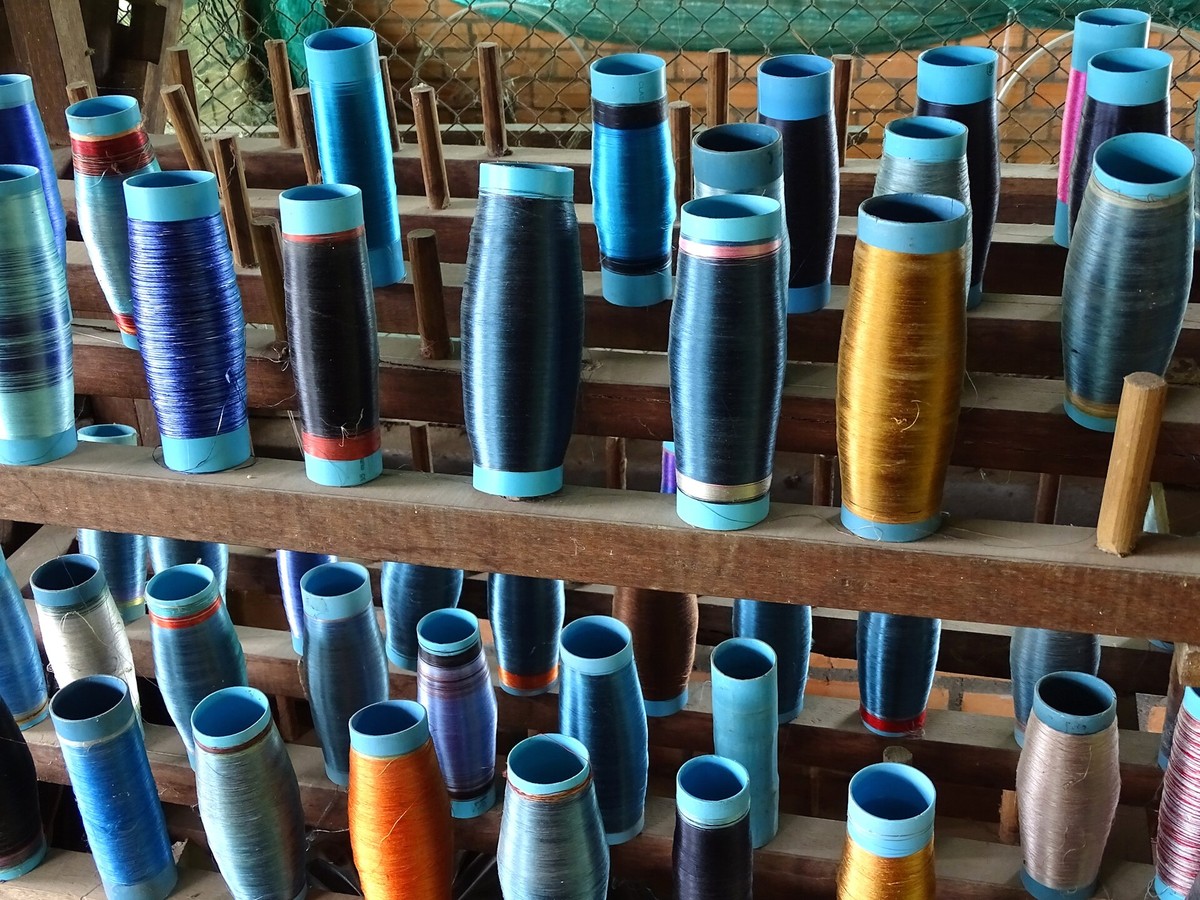


Silk Thread: Reeled Silk Thrown, Doubled, Thrown Back the Other Way and Steamed (Hooper, c. 1919)
Strong sewing silk made from reeled silk the way a throwing mill does it, by hand on a spinning wheel: each single is given a hard twist, two or more are doubled together and twisted back the other way so they lock, and the twist is set with steam. Luther Hooper described the throwing mill in Silk: Its Production and Manufacture.
བར་མ
About a day for 100 m
ལམ་སྟོན
1
1
Reeled silk on the wheel
Reeled silk on the wheel
Setting up a spinning wheel for reeled silk (Craig Israel).
2
2
Hooper's throwing mill
Hooper's throwing mill
Hooper (pp. 44-45): for sewing silks "as many as sixty twists to an inch are given in the first throwing". Then doubling, "winding two, three, four, or more threads together". The folded thread is thrown again, and "this time the twist is given in the opposite direction, which knits the threads together, so that they have no tendency to untwist". Last, steaming sets the twist.
3
3
How much to let wind on
How much to let wind on
Jupyter ཚང་དེབ་མངོན་གསལ་འབད་དོ་…
ལག་ཆས་དགོས་མཁོ:
 ཐིག་ཤིང་།
4
4
First throwing: twist each single
First throwing: twist each single
Put a bobbin of reeled silk yarn on the lazy kate and run it through the wheel's orifice to the flyer. Treadle clockwise (Z twist, ours) and let only the length from the notebook wind on for each treadle, giving about 60 twists to the inch. Twist at least two bobbins the same way.
གོམ་པ་འདིའི་རྫས་རིགས:
 དར་གྱི་སྐུད་པ20 g
ལག་ཆས་དགོས་མཁོ:
 སྐུད་པ་འཁལ་བའི་འཁོར་ལོ།
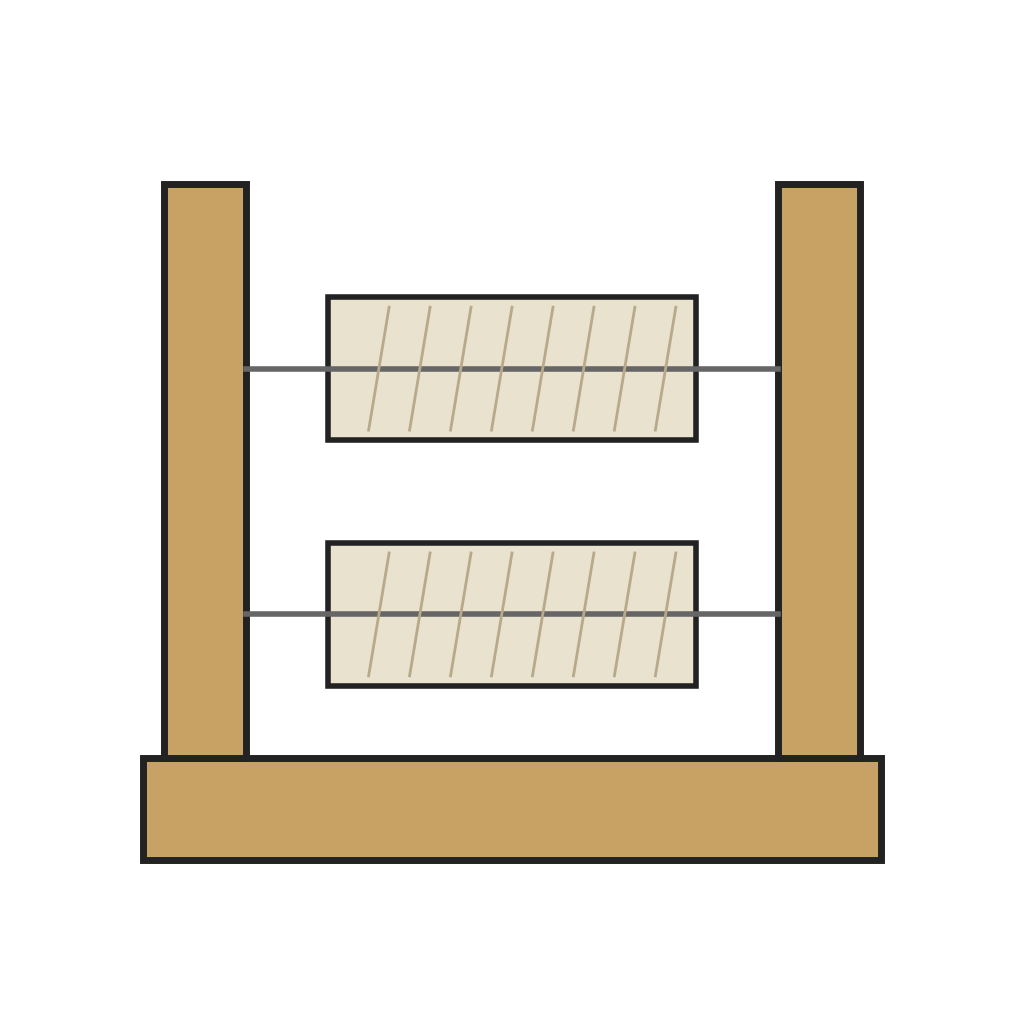 སྐུད་སྒྲིལ་བཞག་ཁྲི
5
5
Double them
Double them
Put two (or three) twisted singles on the lazy kate and bring the ends together through the orifice, side by side and under even tension.
ལག་ཆས་དགོས་མཁོ:
སྐུད་སྒྲིལ་བཞག་ཁྲིསྐུད་པ་འཁལ་བའི་འཁོར་ལོ།6
6
Second throwing: twist back the other way
Second throwing: twist back the other way
Treadle anticlockwise (S twist) so the doubled threads twist round each other the opposite way. Stop to test a length: let it hang in a loop; when it hangs without twisting round itself, the twist is right (ours: usually about half the first twist). Wind it off into a skein.
ལག་ཆས་དགོས་མཁོ:
སྐུད་པ་འཁལ་བའི་འཁོར་ལོ།7
7
Steam to set the twist
Steam to set the twist
Hang the skein in a steamer basket over a pot of simmering water, under a lid, for about 15 minutes (ours), then let it dry hanging. Weigh a measured length to size the thread, as Hooper's throwsters did by weighing 1,000 yards.
ལག་ཆས་དགོས་མཁོ:
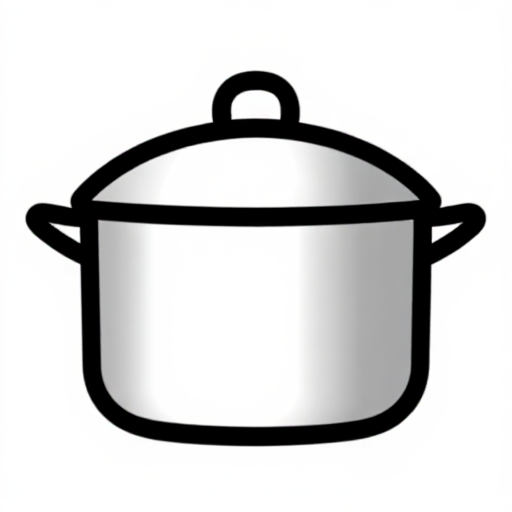 ཁུ་བའི་ཧོད་ཆེན།
 རླངས་པའི་ཟོ
 ལག་པ་འདྲ་མཉམ་གྱི་སྲང་།ཐིག་ཤིང་།
8
8
Troubleshooting
Troubleshooting
Thread problems and fixes.
Flow
Loading...
9
9
History and honest limits
History and honest limits
Luther Hooper, Silk: Its Production and Manufacture (Sir Isaac Pitman & Sons, London, c. 1919), chapter VII, Silk Throwing and Winding, pp. 44-45. A throwing mill does this on many spindles at once; doing it on a spinning wheel, the twist directions, the second twist and the steaming time are ours. The cover shows silk thread on spools at a weaving cooperative in Cambodia (Adam Jones, CC BY-SA 2.0, Wikimedia Commons). Not made by us yet.
རྫས་རིགས
1- 20 gས་ཆ་འཛིན
མཐུད་སྦྲེལ་བིལུ་པིརིན་ཊི་རྫས་རིགས
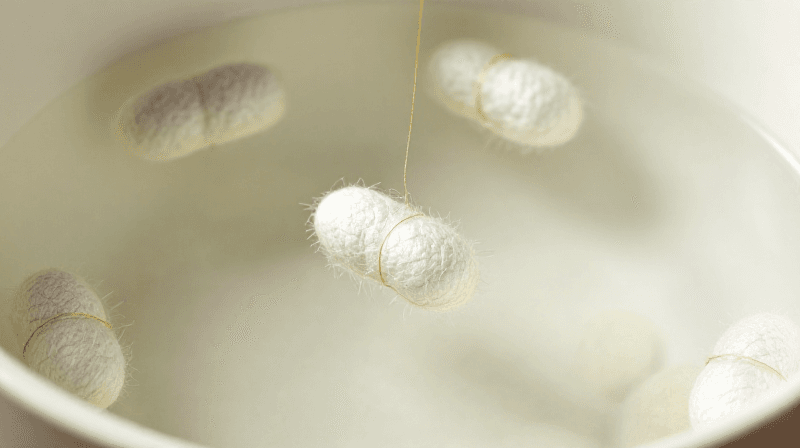
བིལུ་པིརིན་ཊི་འདི་གིས་བཟོ་མི
CC0 སྤྱི་དབང
བིལུ་པིརིན་ཊི་འདི་CC0 འོག་བཀྲམས་ཡོད། ཁྱེད་རང་གིས་ཆོག་མཆན་མ་བཞེས་པར་ཕབ་ལེན་དང་བཟོ་བཅོས། བགོ་བཤའ། དགོས་མཁོ་གང་ལའང་བཀོལ་སྤྱོད་བྱས་ཆོག
བཟོ་མཁན་ལ་རྒྱབ་སྐྱོར་བྱེད་པའི་ཆེད་ཁོང་ཚོའི་བིལུ་པིརིན་ཊི་བརྒྱུད་ཐོན་སྐྱེད་ཉོ། བཟོ་མཁན་གྱིས བཟོ་མཁན་གྱི་ཁེ་ཕོགས ཚོང་པས་གཏན་འཁེལ་བྱས་པ། ཡང་ན་བིལུ་པིརིན་ཊི་འདིའི་པར་གསར་བཟོས་ཏེ་ཁྱེད་རང་གི་བིལུ་པིརིན་ཊི་ནང་མཐུད་སྦྲེལ་བྱས་ཏེ་ཡོང་སྒོ་བགོ་བཤའ་བྱེད།