སྒྱུ་རྩལ
མཛེས་སྡུག་དང་བདེ་ཐང
བཟོ་རིག
རིག་གནས་དང་ལོ་རྒྱུས
དགའ་སྟོན
ཁོར་ཡུག
ཟས་དང་བཏུང་རྫས
ཕྱིར་འཕྲུལ་རིག
ཚན་རིག
རྩེད་འགྲན
རིག་རྩལ
གྱོན་རུང
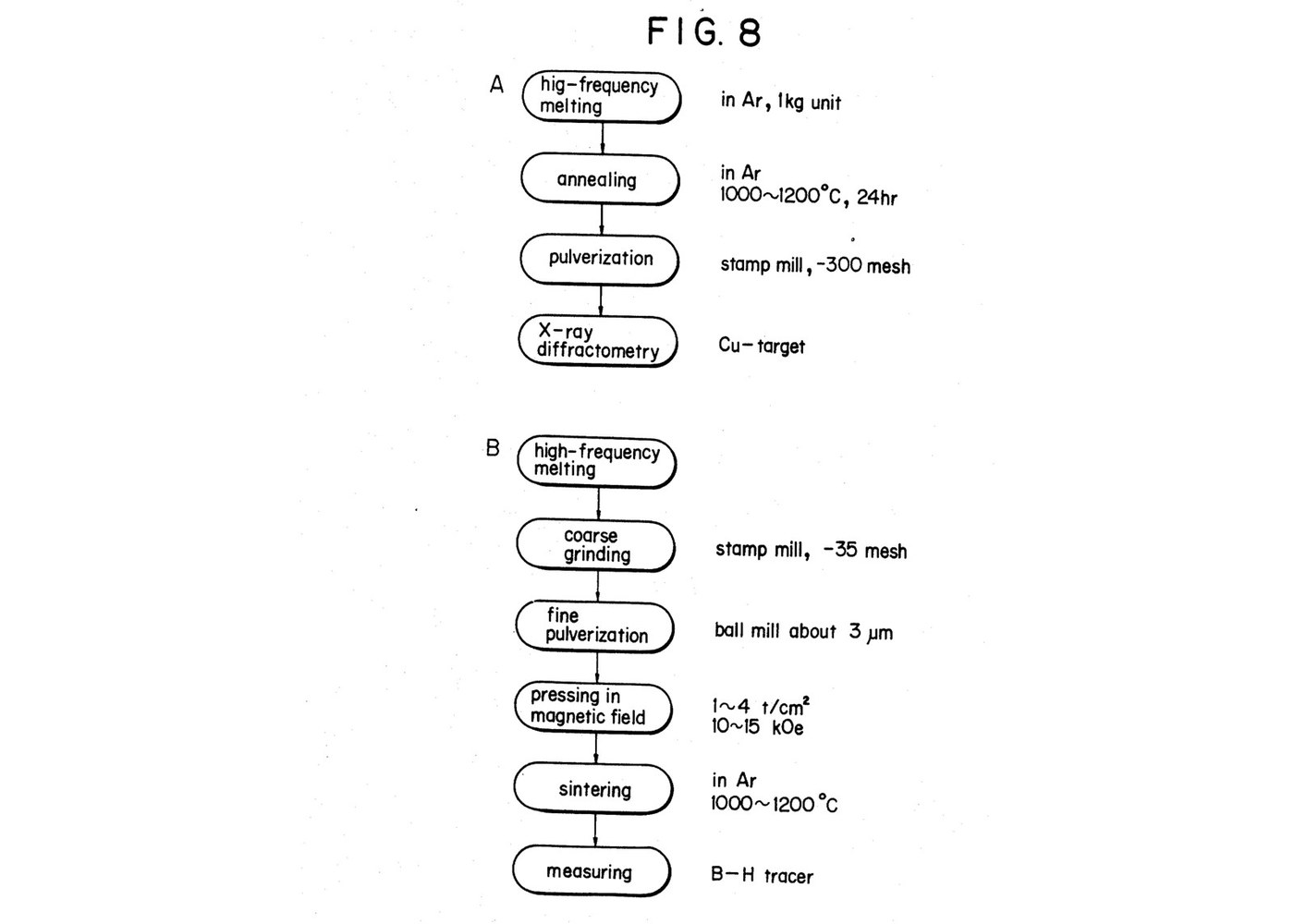


Neodymium Magnets, Sample 22: 73Fe-8B-19Nd Sintered (Sagawa 1988)
Neodymium magnets are iron, boron and neodymium. Sagawa's team at Sumitomo melted the three together, ground the casting to a powder finer than 10 µm, lined the grains up in a magnetic field while pressing them, and sintered the compact in argon. This is their sample 22, 73 % iron, 8 % boron and 19 % neodymium by atoms: 28.0 MGOe.
Source: M. Sagawa et al. (Sumitomo Special Metals), US 4,770,723 (1988). Unknown: how the pure iron, the ferroboron and the neodymium metal are made, and how the finished magnets are magnetised; the patent does not say. The 1 kg weights are our arithmetic from the patent's atomic percentages. Picture: the patent's Fig. 8.
ཆེས་མཁས་པ
2 days
ལམ་སྟོན
1
1
Weigh sample 22: 73 Fe, 8 B, 19 Nd
Weigh sample 22: 73 Fe, 8 B, 19 Nd
Sample 22 is 73 % iron, 8 % boron and 19 % neodymium by atoms. Use 99.9 % electrolytic iron, ferroboron (19.38 % B, 5.32 % Al, 0.74 % Si, 0.03 % C, the rest iron) and neodymium of 99.7 % or better. Ours: a 1 kg melt, by arithmetic: 542.3 g iron, 64.6 g ferroboron, 397.0 g neodymium. Unknown: how these three are made.
གོམ་པ་འདིའི་རྫས་རིགས:
 གློག་གི་བརྒྱུད་དེ་བཟོ་མི་ལྕགས།542.3 g
 ཕེ་རོ་བོ་རོན།64.6 g
 ནི་ཡོ་ཌི་མི་ཡམ་ལྕགས།397 g
ལག་ཆས་དགོས་མཁོ:
 ལག་པ་འདྲ་མཉམ་གྱི་སྲང་།
2
2
Melt by high frequency in argon and cast
Melt by high frequency in argon and cast
Melt the charge in a high-frequency (induction) furnace under argon and pour it into a water-cooled copper mould.
ལག་ཆས་དགོས་མཁོ:
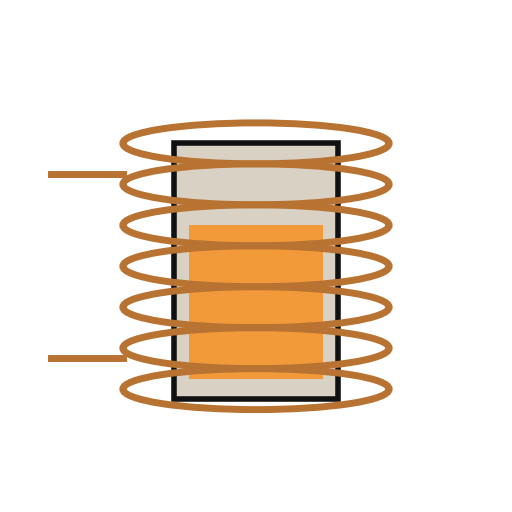 ཨིན་ཌག་ཤཱན་ཐབ།
 འཇིམ་གྱི་ཞུན་སྣོད — མེ་བཟོད།
 ཨར་གཱོན།
 གནོན་ཤུགས་ཀྱི་རླུང་རྫས་སྣོད།
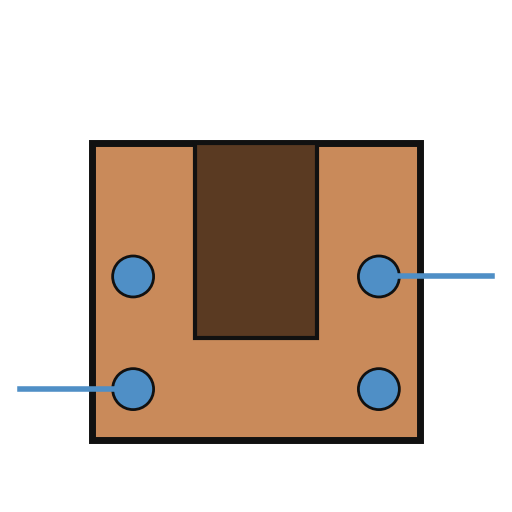 ཆུ་གིས་གྲང་བཏང་བའི་ཟངས་ཀྱི་དཔེ་ཤིང་།
 ཚ་བཟོད་ཀྱི་ལག་ཤུབས།
3
3
Stamp to 35 mesh, ball-mill to 3-10 µm
Stamp to 35 mesh, ball-mill to 3-10 µm
Crush the casting in a stamp mill until it passes a 35-mesh sieve. Then grind it in a ball mill for 3 hours, to 3-10 µm.
ལག་ཆས་དགོས་མཁོ:
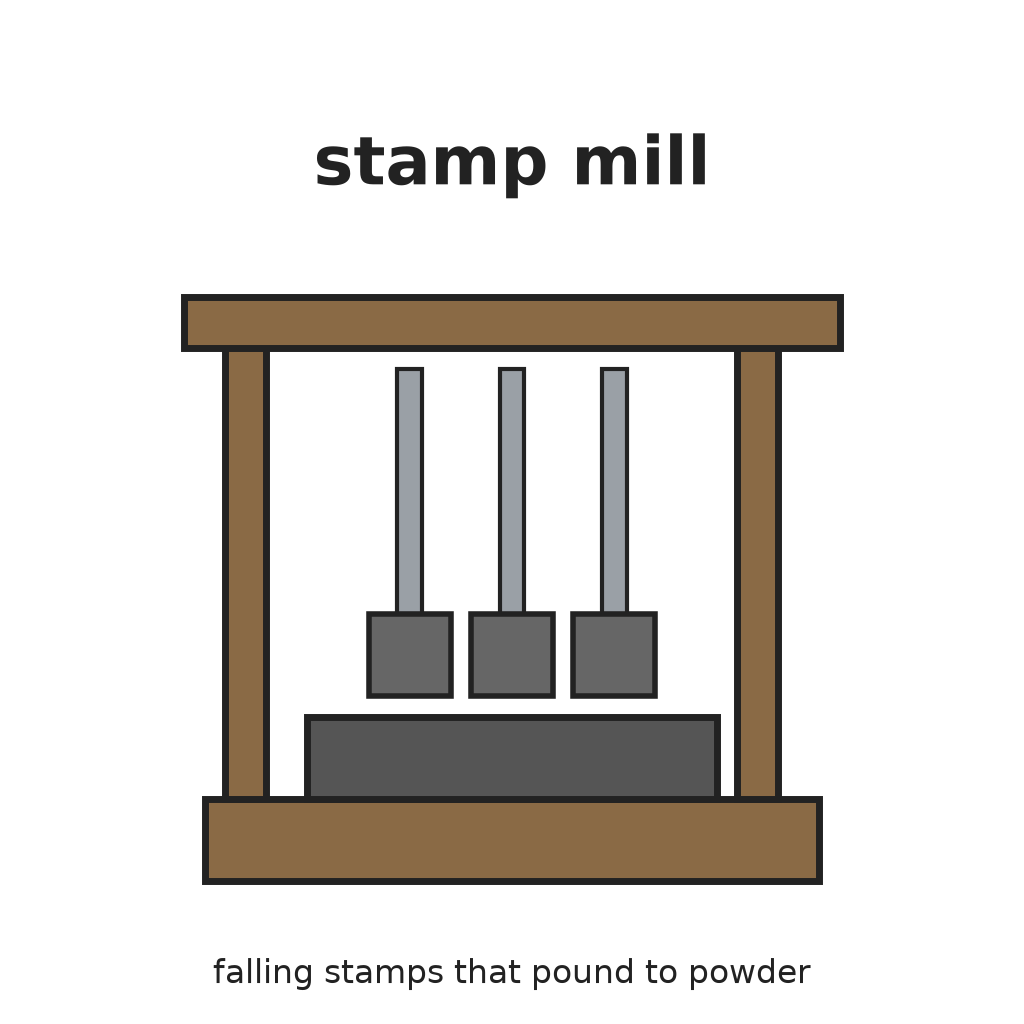 རྡོ་འཐབ་འཁོར་ལོ།
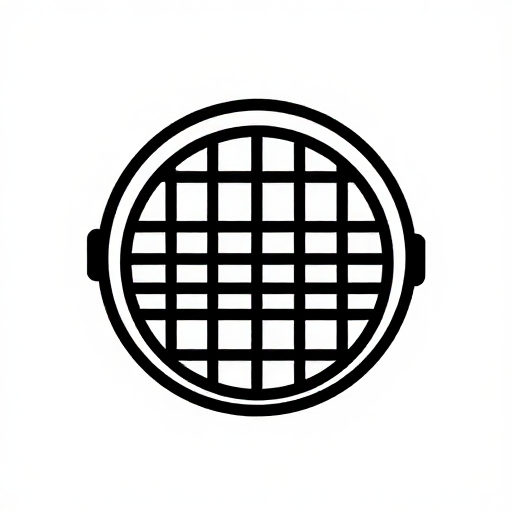 ཚགས་མའི་ཚན་ཁག (ཁུང་བུའི་རིམ་པ་སོ་སོ།)
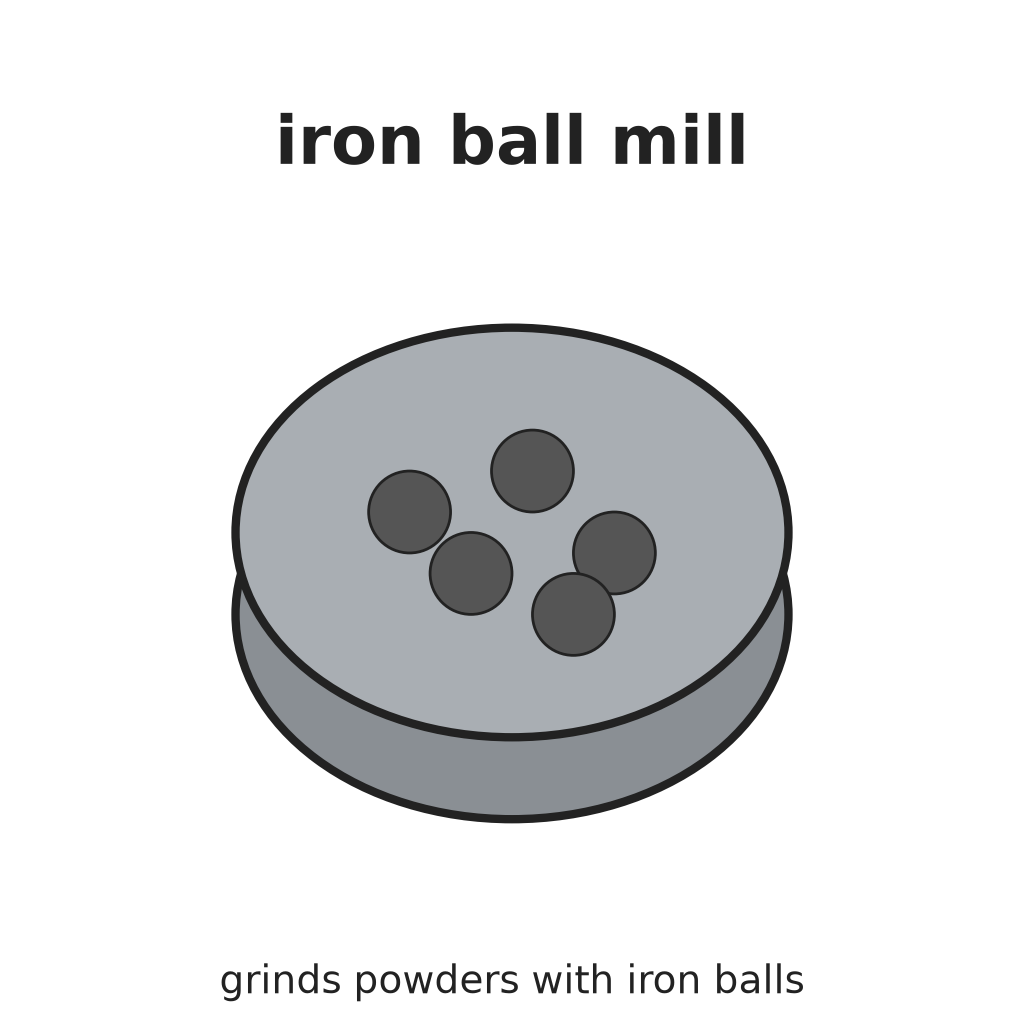 ལྕགས་ཀྱི་ལྡེ་གུ་འཚོག་འཁོར་ལོ
 ཉེན་སྲུང་མིག་ཤེལ།
4
4
Press in a 10 kOe field at 1.5 t/cm²
Press in a 10 kOe field at 1.5 t/cm²
Line the powder up in a magnetic field of 10 kOe and press it at 1.5 tonnes per cm². Unknown: the size and shape of the magnets.
ལག་ཆས་དགོས་མཁོ:
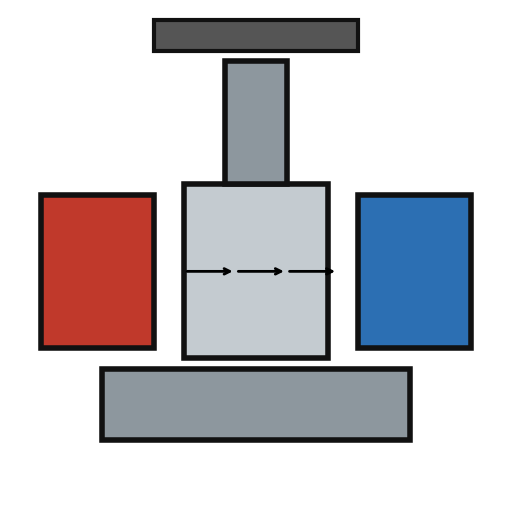 ཁབ་ལེན་ས་ཁོངས་ཀྱི་བཙིར་འཕྲུལ།
5
5
Sinter in argon at 1000-1200 °C
Sinter in argon at 1000-1200 °C
Sinter the compacts at 1000-1200 °C for about one hour in argon, then let them cool. Sample 22 measured 10.9 kG remanence, 11.4 kOe coercivity and 28.0 MGOe.
ལག་ཆས་དགོས་མཁོ:
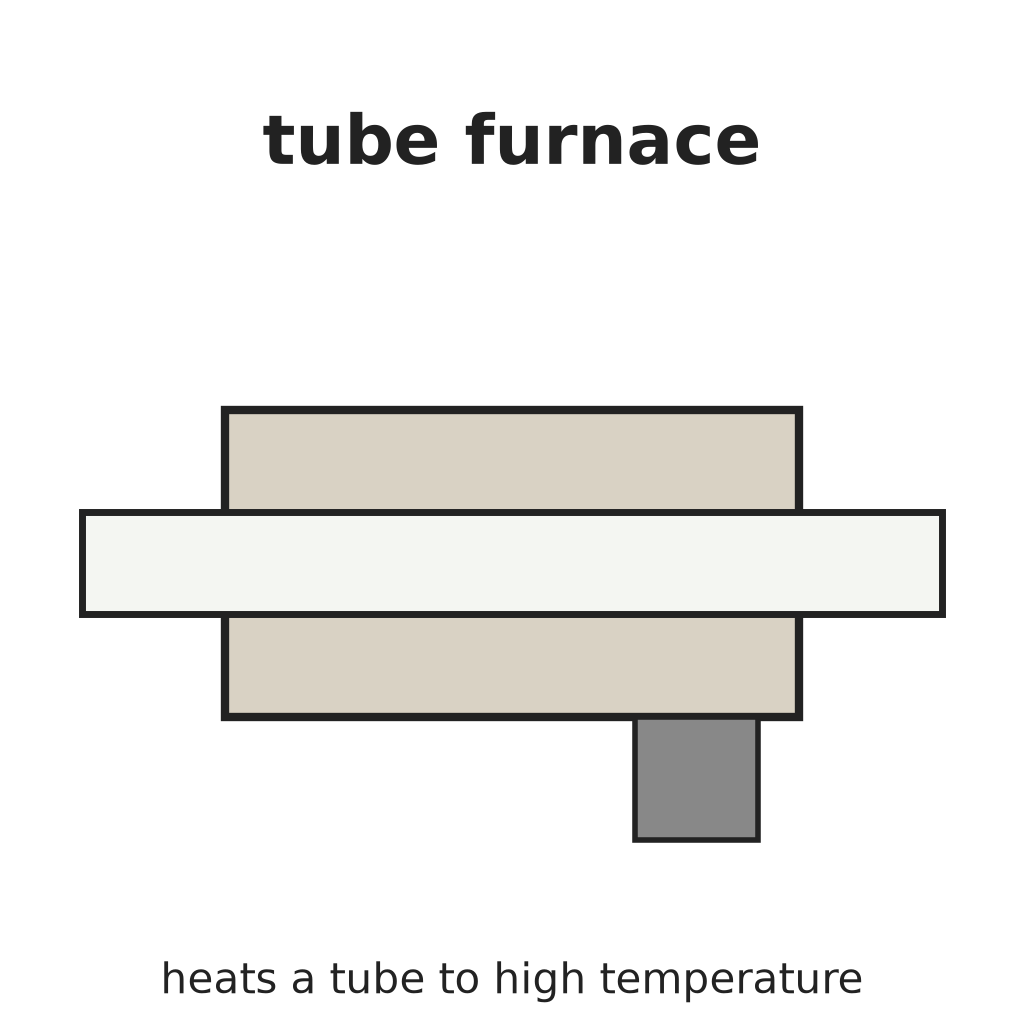 རྒྱུ་ཐིག་ཐབཨར་གཱོན།གནོན་ཤུགས་ཀྱི་རླུང་རྫས་སྣོད།ཚ་བཟོད་ཀྱི་ལག་ཤུབས།
6
6
Magnetise the magnets
Magnetise the magnets
Unknown: how the sintered magnets are magnetised. Sagawa measures them on a B-H tracer but gives no magnetising field or apparatus.
ལག་ཆས་དགོས་མཁོ:
 ཁབ་ལེན་བཟོ་ཐངས་མ་ཤེས་པ།
རྫས་རིགས
3- ས་ཆ་འཛིན
- 64.6 gས་ཆ་འཛིན
- 397 gས་ཆ་འཛིན
ལག་ཆས་དགོས་མཁོ
14- ས་ཆ་འཛིན
- ས་ཆ་འཛིན
- ས་ཆ་འཛིན
- ས་ཆ་འཛིན
- ས་ཆ་འཛིན
- ས་ཆ་འཛིན
- ས་ཆ་འཛིན
- ས་ཆ་འཛིན
- ས་ཆ་འཛིན
- ས་ཆ་འཛིན
- ས་ཆ་འཛིན
- ས་ཆ་འཛིན
བིལུ་པིརིན་ཊི་འདི་གིས་བཟོ་མི


འབྲེལ་ཡོད་བིལུ་པིརིན་ཊི
བིལུ་པིརིན་ཊི་འདི་ཚུ་ཐབས་ལམ་དང་རྫས་རིགས། སྤྱི་ཆོས་བགོ་བཤའ་བྱེད

CC0 སྤྱི་དབང
བིལུ་པིརིན་ཊི་འདི་CC0 འོག་བཀྲམས་ཡོད། ཁྱེད་རང་གིས་ཆོག་མཆན་མ་བཞེས་པར་ཕབ་ལེན་དང་བཟོ་བཅོས། བགོ་བཤའ། དགོས་མཁོ་གང་ལའང་བཀོལ་སྤྱོད་བྱས་ཆོག
བཟོ་མཁན་ལ་རྒྱབ་སྐྱོར་བྱེད་པའི་ཆེད་ཁོང་ཚོའི་བིལུ་པིརིན་ཊི་བརྒྱུད་ཐོན་སྐྱེད་ཉོ། བཟོ་མཁན་གྱིས བཟོ་མཁན་གྱི་ཁེ་ཕོགས ཚོང་པས་གཏན་འཁེལ་བྱས་པ། ཡང་ན་བིལུ་པིརིན་ཊི་འདིའི་པར་གསར་བཟོས་ཏེ་ཁྱེད་རང་གི་བིལུ་པིརིན་ཊི་ནང་མཐུད་སྦྲེལ་བྱས་ཏེ་ཡོང་སྒོ་བགོ་བཤའ་བྱེད།