སྒྱུ་རྩལ
མཛེས་སྡུག་དང་བདེ་ཐང
བཟོ་རིག
རིག་གནས་དང་ལོ་རྒྱུས
དགའ་སྟོན
ཁོར་ཡུག
ཟས་དང་བཏུང་རྫས
ཕྱིར་འཕྲུལ་རིག
ཚན་རིག
རྩེད་འགྲན
རིག་རྩལ
གྱོན་རུང
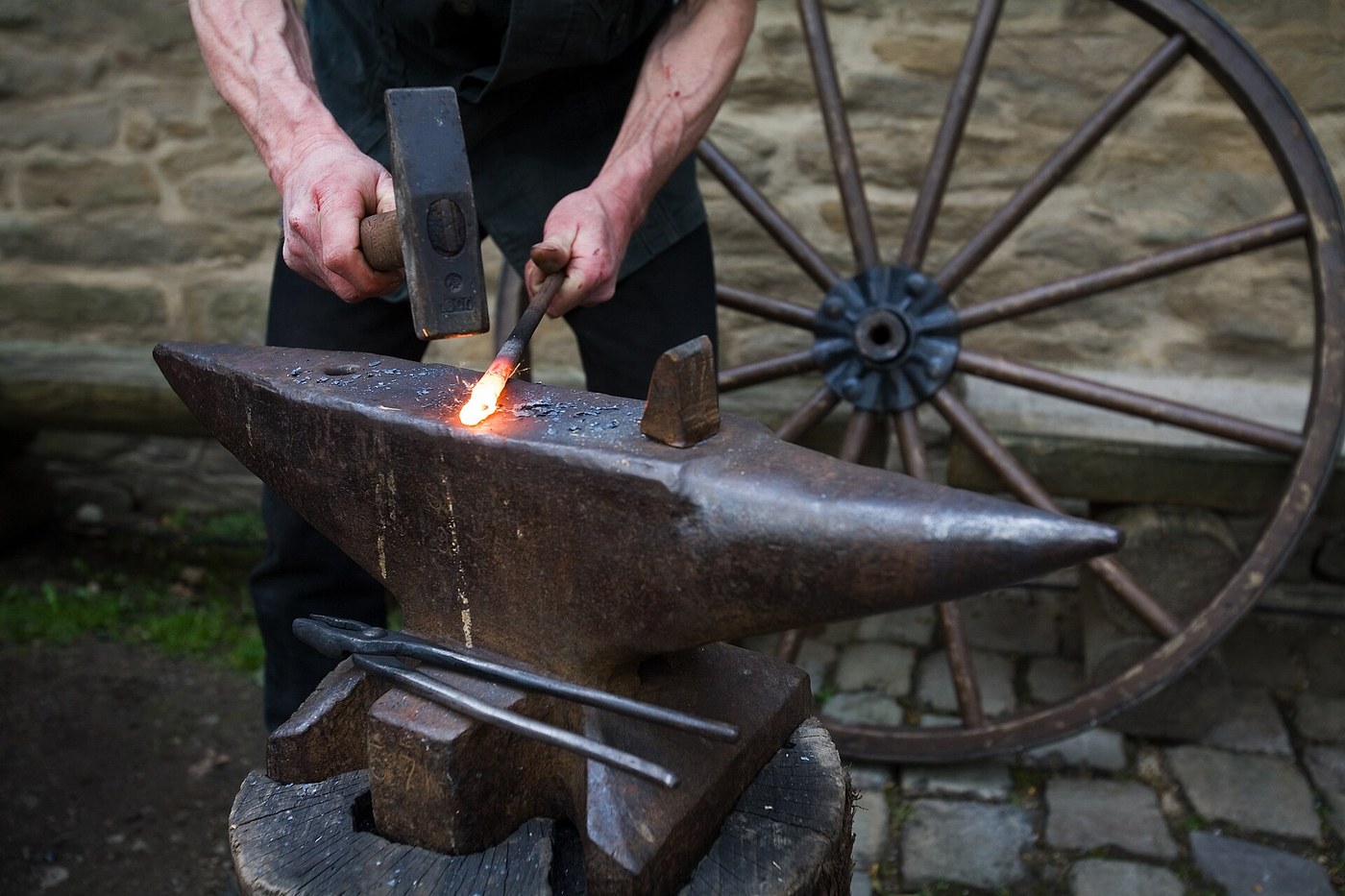


Smith's Top and Bottom Tools: Punch, Drift, Hardy, Fullers, Chisel and Swage
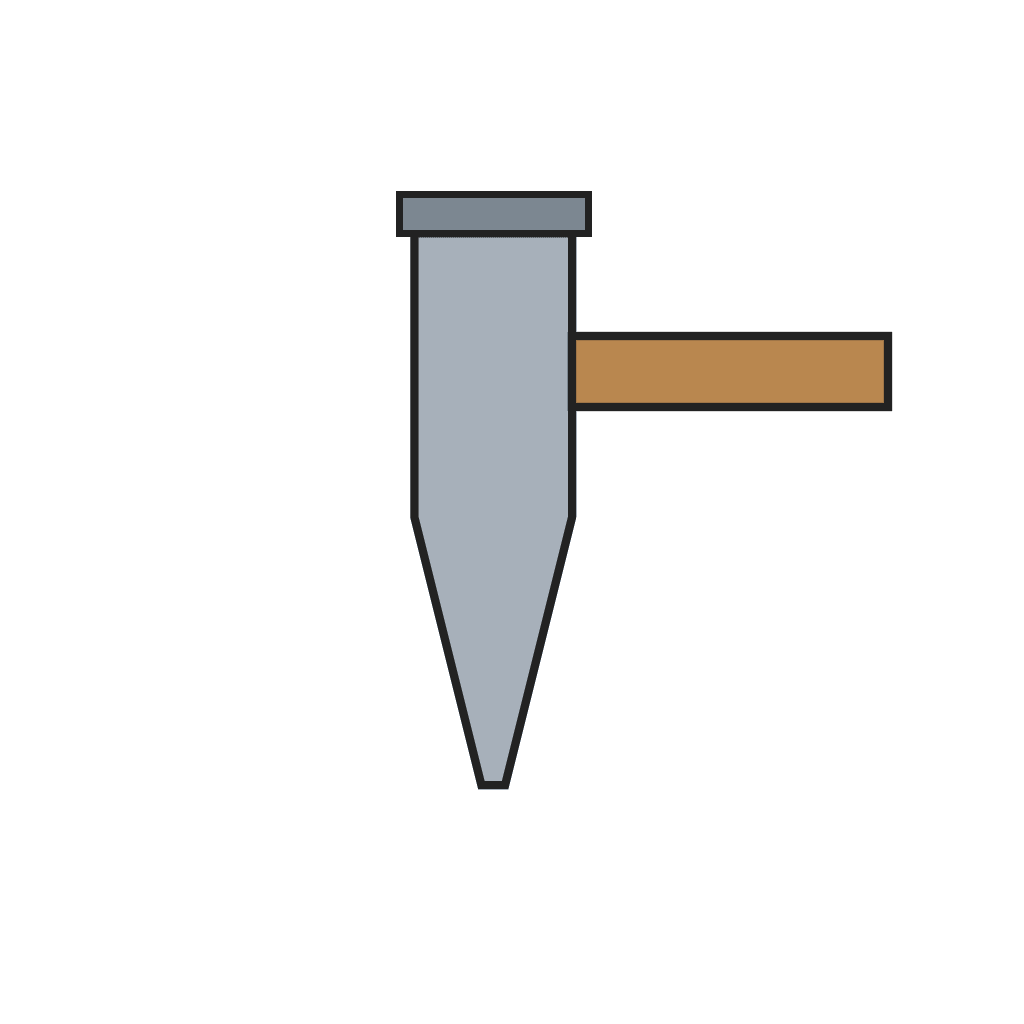
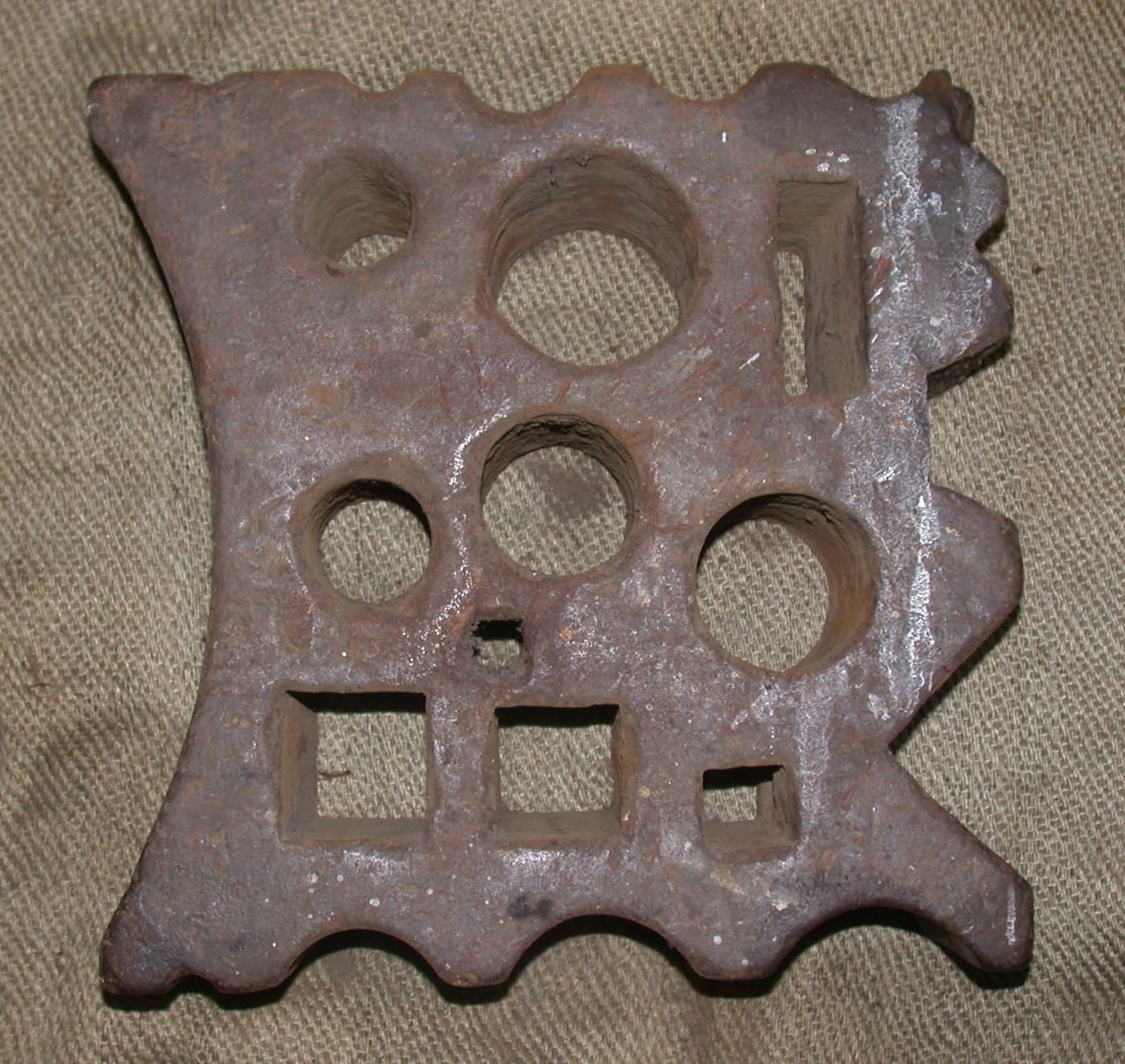
Bottom tools have a square shank that drops into the anvil's hardy hole; top tools have a handle and are held on the work and struck. The hardy cuts hot stock laid over it, the fuller's rounded nose spreads metal, the punch makes a hole and the drift opens it to size, the hot chisel cuts from above, and the bottom swage rounds bar in its groove. Forge them all from tool steel.
The picture: a smith at the anvil, a hardy standing in the hardy hole.
མཐོ་རིམ
Two days
ལམ་སྟོན
1
1
Shanks for the hardy hole
Shanks for the hardy hole
For each bottom tool, forge a square shank that slips into the hardy hole without rocking, with a shoulder above it that sits on the anvil face.
གོམ་པ་འདིའི་རྫས་རིགས:
 ལག་ཆས་ལྕགས་ཁར་གྱི་ཡུ་བ་ཟུར་བརྒྱད།4 kg
 སོལ་བ།6 as required
ལག་ཆས་དགོས་མཁོ:
 མགར་བའི་ཐབ་ཁུང་།
 མགར་བའི་རྡོ་ལེབ།
 རྒྱབ་ཐིག་གི་ཐོ་བ།
 ཐོ་བ་ཆེན།
 མགར་བའི་ལག་བཟུང་།
 ཚག་གི་ལག་ཤུབས།
 ཉེན་སྲུང་མིག་ཤེལ།
2
2
Hardy and bottom fuller
Hardy and bottom fuller
On one shanked blank forge a wedge with its edge upward: the hot cut hardy. On another, forge a rounded nose: the bottom fuller.
ལག་ཆས་དགོས་མཁོ:
མགར་བའི་ཐབ་ཁུང་།མགར་བའི་རྡོ་ལེབ།རྒྱབ་ཐིག་གི་ཐོ་བ།ཐོ་བ་ཆེན།མགར་བའི་ལག་བཟུང་།ཚག་གི་ལག་ཤུབས།ཉེན་སྲུང་མིག་ཤེལ།3
3
Bottom swage
Bottom swage
On a third shanked blank, form a half-round groove by forging a hot bar of the size you want into it with the top swage, then file it clean.
ལག་ཆས་དགོས་མཁོ:
མགར་བའི་ཐབ་ཁུང་།མགར་བའི་རྡོ་ལེབ།རྒྱབ་ཐིག་གི་ཐོ་བ།ཐོ་བ་ཆེན།མགར་བའི་ལག་བཟུང་།ཚག་གི་ལག་ཤུབས།ཉེན་སྲུང་མིག་ཤེལ།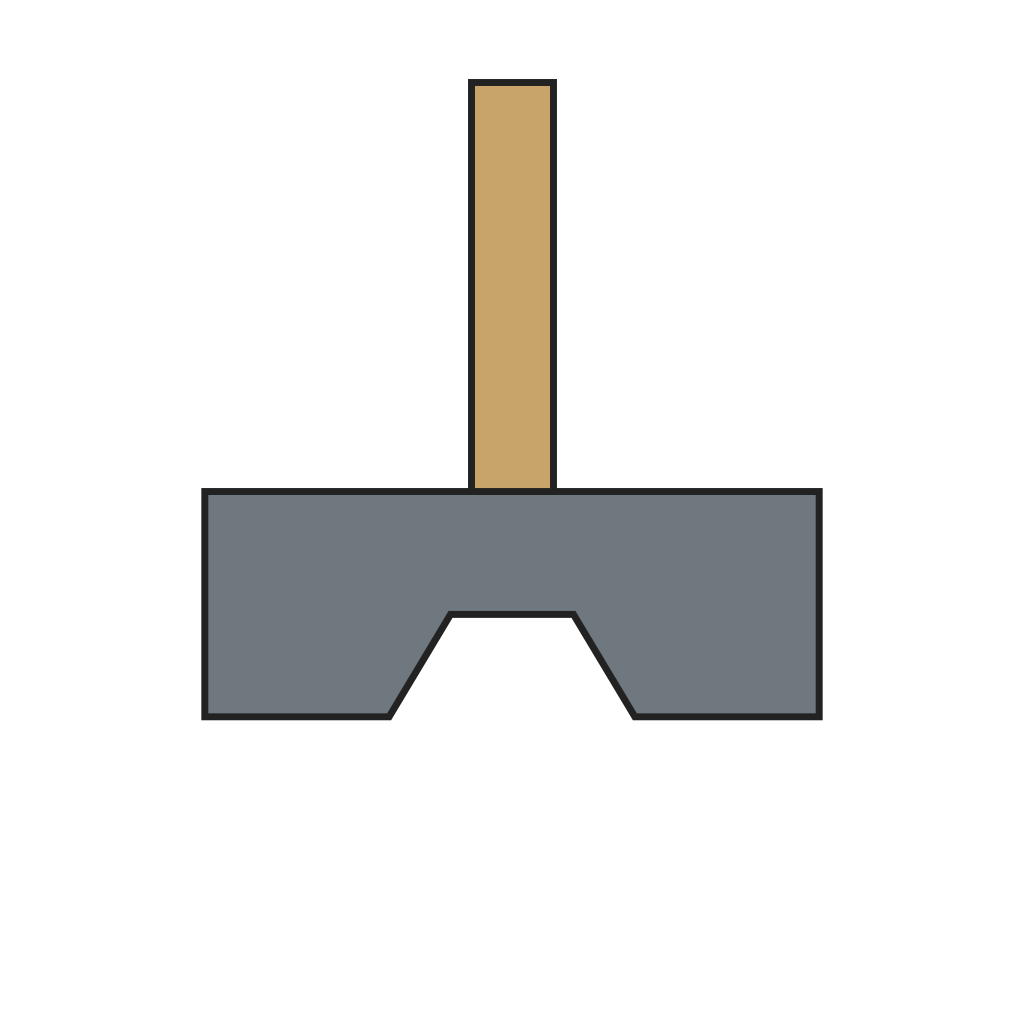 གོང་གི་སྒོར་དཔེ།
 ལྕགས་ཀྱི་དར་མ།
4
4
Top tools
Top tools
Forge the top tools from bar: a hot punch tapering to a small flat end, a drift tapering evenly to the size of the finished hole, a top fuller with a rounded nose, and a hot chisel with a thin edge. Leave a flat face on top of each to be struck.
ལག་ཆས་དགོས་མཁོ:
མགར་བའི་ཐབ་ཁུང་།མགར་བའི་རྡོ་ལེབ།རྒྱབ་ཐིག་གི་ཐོ་བ།ཐོ་བ་ཆེན།མགར་བའི་ལག་བཟུང་།ཚག་གི་ལག་ཤུབས།ཉེན་སྲུང་མིག་ཤེལ།5
5
Harden the edges and fit handles
Harden the edges and fit handles
Harden the hardy and hot chisel edges in water and temper them to blue; leave the punch, drift and fullers as forged, since they work hot (our practice). Fit ash handles to the hot chisel and top fuller.
གོམ་པ་འདིའི་རྫས་རིགས:
 ཨེཤ་ཤིང་གི་གཤག་དུམ།2 དུམ་བུ།
 ཆུ།10 ལི་ཊར།
ལག་ཆས་དགོས་མཁོ:
མགར་བའི་ཐབ་ཁུང་། སྲ་བཟོའི་ཆུ་སྣོད།
 འཁོར་བའི་གཏར་རྡོམགར་བའི་ལག་བཟུང་།ཚག་གི་ལག་ཤུབས།ཉེན་སྲུང་མིག་ཤེལ།
6
6
Steel for the set
Steel for the set
Jupyter ཚང་དེབ་མངོན་གསལ་འབད་དོ་…
རྫས་རིགས
4- ས་ཆ་འཛིན
- 6 as requiredས་ཆ་འཛིན
- 2 དུམ་བུ།ས་ཆ་འཛིན
- 10 ལི་ཊར།ས་ཆ་འཛིན
ལག་ཆས་དགོས་མཁོ
11- ས་ཆ་འཛིན
- ས་ཆ་འཛིན
- ས་ཆ་འཛིན
- ས་ཆ་འཛིན
- ས་ཆ་འཛིན
- ས་ཆ་འཛིན
- ས་ཆ་འཛིན
- ས་ཆ་འཛིན
- ས་ཆ་འཛིན
- ས་ཆ་འཛིན
- ས་ཆ་འཛིན
བིལུ་པིརིན་ཊི་འདི་གིས་བཟོ་མི





འབྲེལ་ཡོད་བིལུ་པིརིན་ཊི
བིལུ་པིརིན་ཊི་འདི་ཚུ་ཐབས་ལམ་དང་རྫས་རིགས། སྤྱི་ཆོས་བགོ་བཤའ་བྱེད


CC0 སྤྱི་དབང
བིལུ་པིརིན་ཊི་འདི་CC0 འོག་བཀྲམས་ཡོད། ཁྱེད་རང་གིས་ཆོག་མཆན་མ་བཞེས་པར་ཕབ་ལེན་དང་བཟོ་བཅོས། བགོ་བཤའ། དགོས་མཁོ་གང་ལའང་བཀོལ་སྤྱོད་བྱས་ཆོག
བཟོ་མཁན་ལ་རྒྱབ་སྐྱོར་བྱེད་པའི་ཆེད་ཁོང་ཚོའི་བིལུ་པིརིན་ཊི་བརྒྱུད་ཐོན་སྐྱེད་ཉོ། བཟོ་མཁན་གྱིས བཟོ་མཁན་གྱི་ཁེ་ཕོགས ཚོང་པས་གཏན་འཁེལ་བྱས་པ། ཡང་ན་བིལུ་པིརིན་ཊི་འདིའི་པར་གསར་བཟོས་ཏེ་ཁྱེད་རང་གི་བིལུ་པིརིན་ཊི་ནང་མཐུད་སྦྲེལ་བྱས་ཏེ་ཡོང་སྒོ་བགོ་བཤའ་བྱེད།