སྒྱུ་རྩལ
མཛེས་སྡུག་དང་བདེ་ཐང
བཟོ་རིག
རིག་གནས་དང་ལོ་རྒྱུས
དགའ་སྟོན
ཁོར་ཡུག
ཟས་དང་བཏུང་རྫས
ཕྱིར་འཕྲུལ་རིག
ཚན་རིག
རྩེད་འགྲན
རིག་རྩལ
གྱོན་རུང
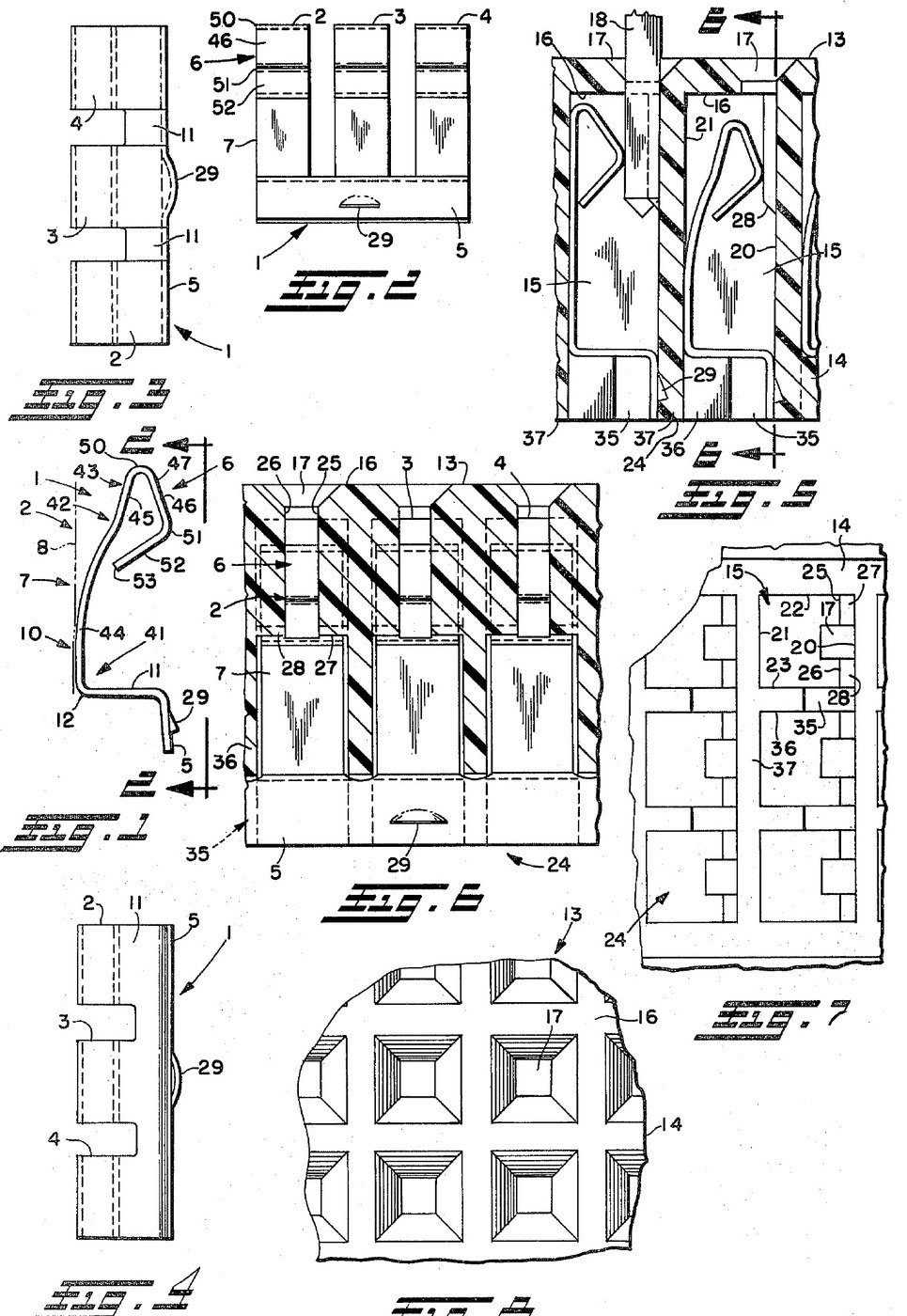


Solderless Breadboard: Cantilever Contacts in a Moulded Acetal Housing (Tengler, US 4,420,215)
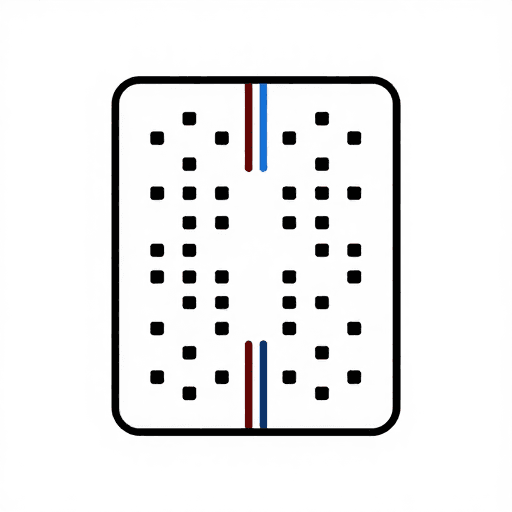
A breadboard lets you build a circuit without solder: push component leads into holes and spring contacts underneath join them in rows. John N. Tengler of A P Products received US 4,420,215 (1983) for one: a one-piece moulded acetal housing with holes on 0.100 in centres, and sets of three springy cantilever contacts of copper alloy No. 688 pushed in from below.
Not given: the contact thickness and sizes, how the contacts are formed, and the moulding conditions.
Source: J. N. Tengler, US 4,420,215. Picture: the patent's drawing sheet.
མཐོ་རིམ
Not given in the source
ལམ་སྟོན
1
1
Mould the housing
Mould the housing
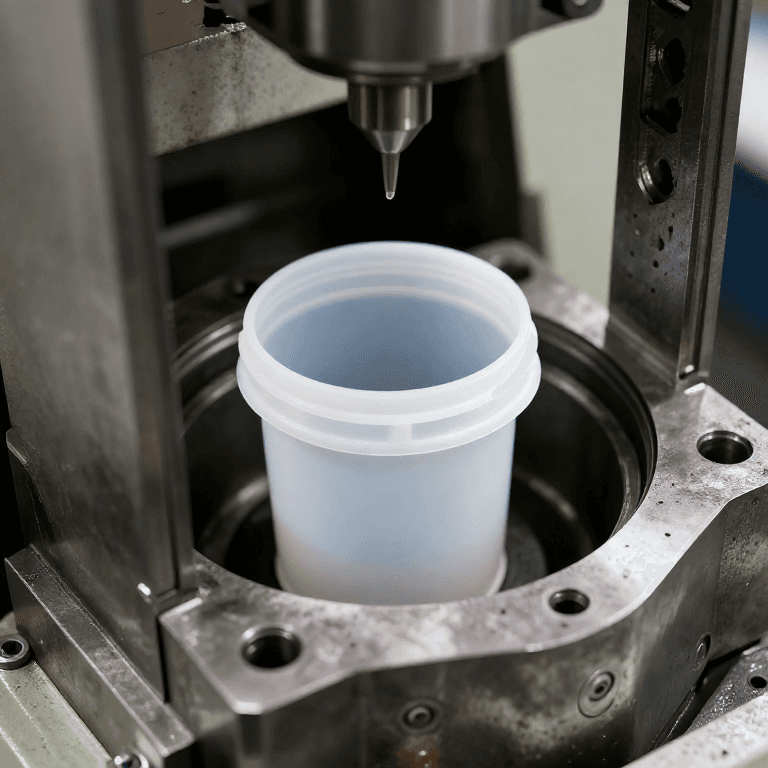
Injection-mould the housing as one piece in acetal copolymer (Tengler names CELCON). His example has 78 cells in 26 rows of three, open at the bottom, under a top wall whose holes sit on 0.100 in centres. Give each cell two preload bars on its front wall, one either side of the hole, with tapered lower ends. Mould notches into the walls between the cells of a row, and none into the front and back walls, so a contact set fits only the right way round.
གོམ་པ་འདིའི་རྫས་རིགས:
 ཨེ་སི་ཊལ་ མཉམ་སྦྱོར་ པོ་ལི་མར་གྱི་ འབྲུ་1 one housing
ལག་ཆས་དགོས་མཁོ:
 བཙུགས་བཟོ་འཕྲུལ་ཆས།
 བཙུགས་བཟོ་བཟོ་སྣོད་ཀྱི་སྒྲོམ།
 མ་ཤེས་པའི་ཚད།
2
2
Form the contact sets
Form the contact sets
Form three identical contacts from copper alloy No. 688, joined at the foot by a strip. Each is a single cantilever: a foot with a seat, an arm curving up into a spring, a hairpin bend, then a contact face that a pushed-in lead slides along, ending in a tip, with a stop extension that comes to rest against the arm. If you like, stamp a small barb in the joining strip.
གོམ་པ་འདིའི་རྫས་རིགས:
 ཟངས་སྦྱོར་ 688 གི་ ལྕགས་ཐིག་1 one set of three per row
ལག་ཆས་དགོས་མཁོ:
 དབྱིབས་བཟོ་ཐངས་མ་ཤེས་པ།མ་ཤེས་པའི་ཚད།
3
3
Push the sets in from below
Push the sets in from below
Push each set up into its row from the open bottom, contact faces toward the holes, with the strip running through the notches. The strip is bent at a slight angle, so the front wall springs it and wedges the contact's foot against the back wall. The preload bars press on the contact face, and the barb, if there is one, bites into the plastic.
ལག་ཆས་དགོས་མཁོ:
 ཁ་ལེབ་ཀྱི་ལྕགས་ཀྱིབ།
4
4
Check a row
Check a row
Push a resistor lead through a hole: it should slide along the contact face. The two end contacts of a row join two components; Tengler meant the middle one for injecting or testing a signal. Check with a meter that the three holes of a row connect and neighbouring rows do not.
ལག་ཆས་དགོས་མཁོ:
 འགོག་ཤུགས།
 མཱལ་ཊི་མི་ཊར།
རྫས་རིགས
2- 1 one housingས་ཆ་འཛིན
- 1 one set of three per rowས་ཆ་འཛིན
ལག་ཆས་དགོས་མཁོ
7- ས་ཆ་འཛིན
- ས་ཆ་འཛིན
- ས་ཆ་འཛིན
- ས་ཆ་འཛིན
- ས་ཆ་འཛིན
- ས་ཆ་འཛིན
- ས་ཆ་འཛིན
མཐུད་སྦྲེལ་བིལུ་པིརིན་ཊི་རྫས་རིགས

བིལུ་པིརིན་ཊི་འདི་གིས་བཟོ་མི
CC0 སྤྱི་དབང
བིལུ་པིརིན་ཊི་འདི་CC0 འོག་བཀྲམས་ཡོད། ཁྱེད་རང་གིས་ཆོག་མཆན་མ་བཞེས་པར་ཕབ་ལེན་དང་བཟོ་བཅོས། བགོ་བཤའ། དགོས་མཁོ་གང་ལའང་བཀོལ་སྤྱོད་བྱས་ཆོག
བཟོ་མཁན་ལ་རྒྱབ་སྐྱོར་བྱེད་པའི་ཆེད་ཁོང་ཚོའི་བིལུ་པིརིན་ཊི་བརྒྱུད་ཐོན་སྐྱེད་ཉོ། བཟོ་མཁན་གྱིས བཟོ་མཁན་གྱི་ཁེ་ཕོགས ཚོང་པས་གཏན་འཁེལ་བྱས་པ། ཡང་ན་བིལུ་པིརིན་ཊི་འདིའི་པར་གསར་བཟོས་ཏེ་ཁྱེད་རང་གི་བིལུ་པིརིན་ཊི་ནང་མཐུད་སྦྲེལ་བྱས་ཏེ་ཡོང་སྒོ་བགོ་བཤའ་བྱེད།