སྒྱུ་རྩལ
མཛེས་སྡུག་དང་བདེ་ཐང
བཟོ་རིག
རིག་གནས་དང་ལོ་རྒྱུས
དགའ་སྟོན
ཁོར་ཡུག
ཟས་དང་བཏུང་རྫས
ཕྱིར་འཕྲུལ་རིག
ཚན་རིག
རྩེད་འགྲན
རིག་རྩལ
གྱོན་རུང
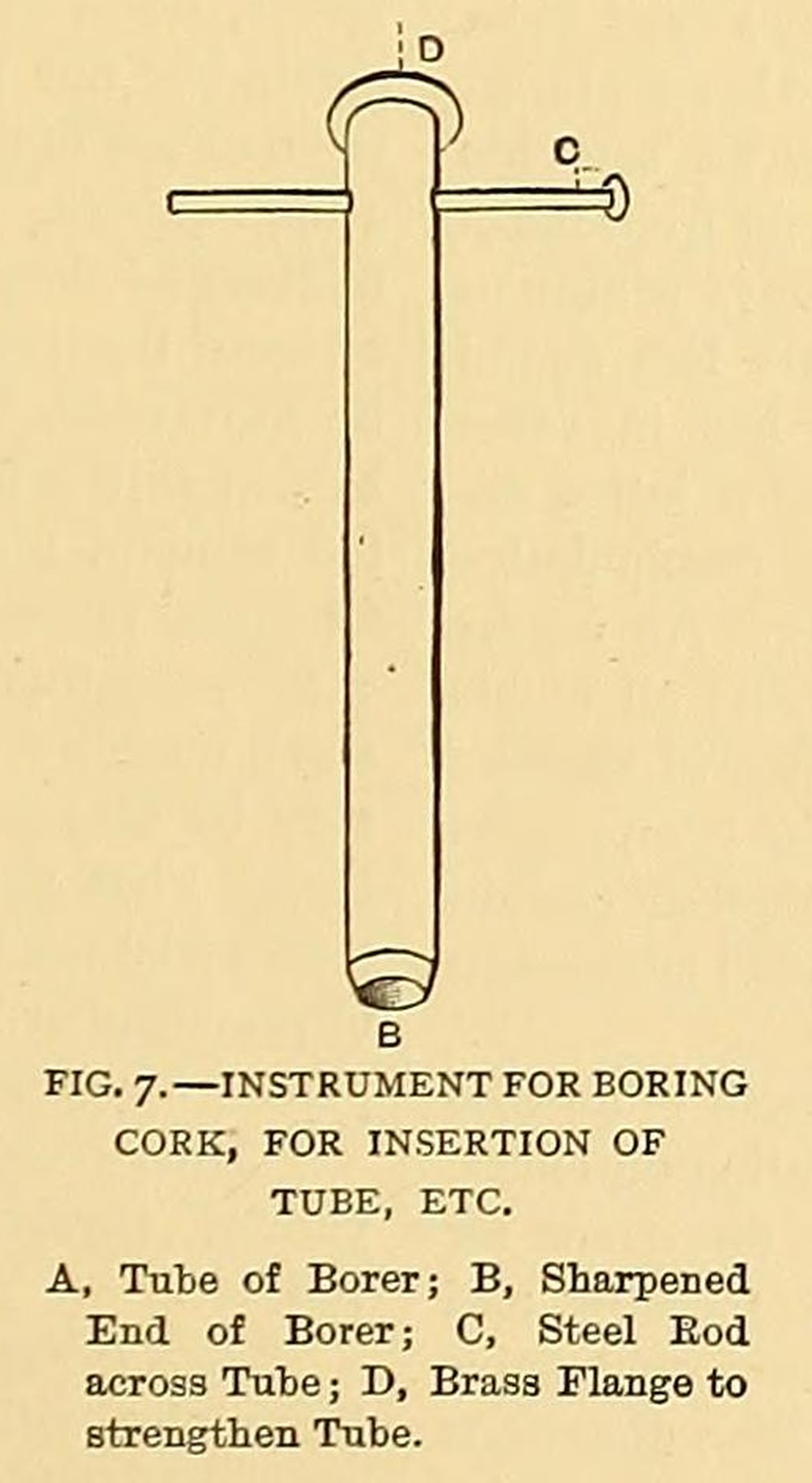


Cork Borer from Brass Tube: Edge Filed Like Two Gouges Back to Back, Steel Wire Handle (Soward, Amateur Work, 1881)
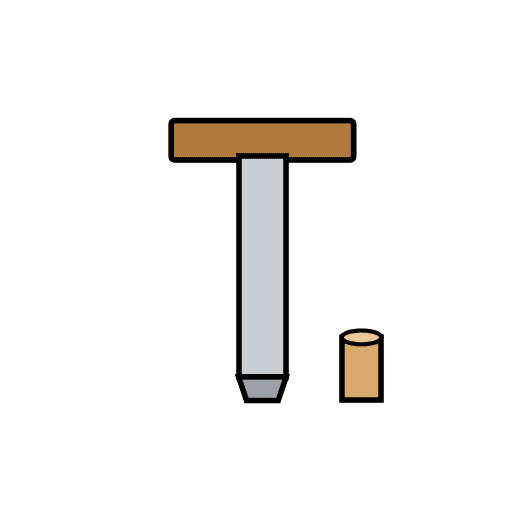
Alfred Soward's laboratory cork-borer from Amateur Work (1881): about 4 in. of brass tube the size of the hole, one end filed on the outside to a ring-shaped cutting edge, a brass flange on the other end to strengthen it, and a steel wire pushed through a cross hole as a handle. Turned like a gimlet, it cuts a clean, centred hole for a glass tube.
འགོ་བཙུགས
An hour
ལམ་སྟོན
1
1
Read Soward
Read Soward
"This latter instrument is simply a piece of brass tube about 4 in. long, and of a diameter suited to the hole required."
2
2
Cut the tube
Cut the tube
Cut about 4 in. (100 mm) of brass tube whose outside diameter matches the hole you need (he takes 3/8 in., about 10 mm, for a glass tube). Square both ends.
གོམ་པ་འདིའི་རྫས་རིགས:
 རག་གི་ དོང་པོ།1 དུམ་བུ།
ལག་ཆས་དགོས་མཁོ:
 ལས་ཅོག་གི་འཛིན་ཆས།
 ལྕགས་གཏུབ་སོག་ལེ།
 བཤེར་ཆས (ལག་པའི་བཤེར་ཆས)
3
3
File the cutting edge
File the cutting edge
File one end on the outside only, all round, to a thin cutting edge: like two gouges put together with their hollow sides facing (B in his fig. 7). Leave the bore untouched.
ལག་ཆས་དགོས་མཁོ:
ལས་ཅོག་གི་འཛིན་ཆས།བཤེར་ཆས (ལག་པའི་བཤེར་ཆས) ཁབ་ཀྱི་སོ་ཐག།
4
4
Fit the flange
Fit the flange
Fit a small brass ring or flange round the other end to strengthen it (D in fig. 7). Ours: cut it from brass sheet and soft-solder it on.
གོམ་པ་འདིའི་རྫས་རིགས:
 རག་གི་ལེབ་ཤོག1 དུམ་བུ།
 ཞ་སྦྱར་རྫས་ཀྱི་སྐུད་པ1 དུམ་བུ།
 ཞུ་རོགས་རྫས1 དུམ་བུ།
ལག་ཆས་དགོས་མཁོ:
 ལྕགས་ལེབ་གཏུབ་ནིའི་ཇེམ་ཙི།
 འཁོད་བཞག་ཕུག་འཕྲུལ།
 ཕུག་མགོའི་ཚོགས་ཆས།
 ཞ་བཏབ་ནིའི་ལྕགས།
5
5
Cross hole and handle
Cross hole and handle
Below the flange, drill a hole straight across the tube for a piece of steel wire. Push the wire through so it stands at right angles to the tube as a handle (C in fig. 7, drawn with a head on one end).
གོམ་པ་འདིའི་རྫས་རིགས:
 ལྕགས་སྐུད།1 དུམ་བུ།
ལག་ཆས་དགོས་མཁོ:
འཁོད་བཞག་ཕུག་འཕྲུལ།ཕུག་མགོའི་ཚོགས་ཆས།བཤེར་ཆས (ལག་པའི་བཤེར་ཆས)6
6
Troubleshooting
Troubleshooting
Cork borer troubleshooting.
Flow
Loading...
7
7
History and honest limits
History and honest limits
From Alfred W. Soward, "Filters: Their Construction and Maintenance" I, **Amateur Work, Illustrated**, vol. I (1881), pp. 131-133 and fig. 7 (checked on the archive.org scan amateurworkillus11881lond). To use it, hold the cork's small end against a wall or the bench edge, press on the centre of the large end and turn like a gimlet, giving the cork a quarter turn left after each quarter turn of the borer right. A bought set of four then cost 1s. He does not say how the flange is fixed: soft solder, the metric figures and the tools are ours.
རྫས་རིགས
5- 1 དུམ་བུ།ས་ཆ་འཛིན
- 1 དུམ་བུ།ས་ཆ་འཛིན
- 1 དུམ་བུ།ས་ཆ་འཛིན
- 1 དུམ་བུ།ས་ཆ་འཛིན
- 1 དུམ་བུ།ས་ཆ་འཛིན
ལག་ཆས་དགོས་མཁོ
8- ས་ཆ་འཛིན
- ས་ཆ་འཛིན
- ས་ཆ་འཛིན
- ས་ཆ་འཛིན
- ས་ཆ་འཛིན
- ས་ཆ་འཛིན
- ས་ཆ་འཛིན
- 2 vendors sell this, none ship to you yetས་ཆ་འཛིན
བིལུ་པིརིན་ཊི་འདི་གིས་བཟོ་མི
འབྲེལ་ཡོད་བིལུ་པིརིན་ཊི
བིལུ་པིརིན་ཊི་འདི་ཚུ་ཐབས་ལམ་དང་རྫས་རིགས། སྤྱི་ཆོས་བགོ་བཤའ་བྱེད

CC0 སྤྱི་དབང
བིལུ་པིརིན་ཊི་འདི་CC0 འོག་བཀྲམས་ཡོད། ཁྱེད་རང་གིས་ཆོག་མཆན་མ་བཞེས་པར་ཕབ་ལེན་དང་བཟོ་བཅོས། བགོ་བཤའ། དགོས་མཁོ་གང་ལའང་བཀོལ་སྤྱོད་བྱས་ཆོག
བཟོ་མཁན་ལ་རྒྱབ་སྐྱོར་བྱེད་པའི་ཆེད་ཁོང་ཚོའི་བིལུ་པིརིན་ཊི་བརྒྱུད་ཐོན་སྐྱེད་ཉོ། བཟོ་མཁན་གྱིས བཟོ་མཁན་གྱི་ཁེ་ཕོགས ཚོང་པས་གཏན་འཁེལ་བྱས་པ། ཡང་ན་བིལུ་པིརིན་ཊི་འདིའི་པར་གསར་བཟོས་ཏེ་ཁྱེད་རང་གི་བིལུ་པིརིན་ཊི་ནང་མཐུད་སྦྲེལ་བྱས་ཏེ་ཡོང་སྒོ་བགོ་བཤའ་བྱེད།