སྒྱུ་རྩལ
མཛེས་སྡུག་དང་བདེ་ཐང
བཟོ་རིག
རིག་གནས་དང་ལོ་རྒྱུས
དགའ་སྟོན
ཁོར་ཡུག
ཟས་དང་བཏུང་རྫས
ཕྱིར་འཕྲུལ་རིག
ཚན་རིག
རྩེད་འགྲན
རིག་རྩལ
གྱོན་རུང
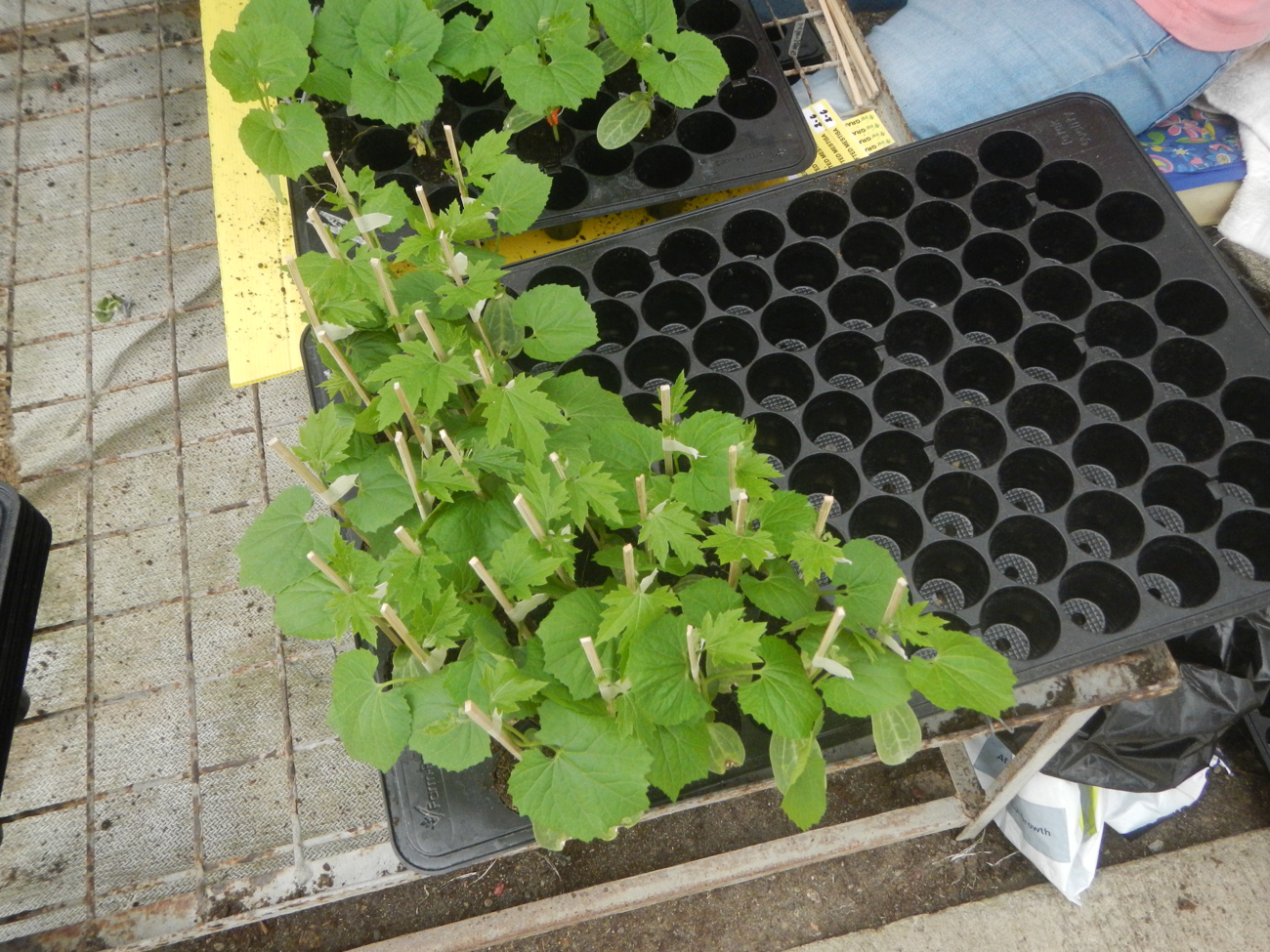
Judgefloro · CC0 1.0 (Public Domain Dedication)


Starting Seeds Indoors — Raising Seedlings for a Head Start
Give your saved seed a running start by sowing it indoors weeks before the garden is warm. Fill a tray with fine seed mix, sow at the right depth, keep it warm and moist to germinate, then get the seedlings into bright light and pot them on. A buildable school project in germination, damping off, and pricking out.
འགོ་བཙུགས
A few weeks from sowing to planting out
ལམ་སྟོན
1
1
Why start seeds inside
Why start seeds inside
Sowing indoors, weeks before it's warm enough outside, gives slow or tender crops — tomatoes, peppers, aubergines, brassicas — a long enough season to ripen, and protects the fragile early seedlings from cold, slugs and weather. You raise them warm and safe, then plant out sturdy young plants.
2
2
Fill a tray with seed mix
Fill a tray with seed mix
Fill cell trays or pots with a fine, low-nutrient SEED mix — not garden soil, which is heavy, full of weed seeds and disease. Firm it gently level and water it before sowing so you don't wash the seeds around.
གོམ་པ་འདིའི་རྫས་རིགས:
 ས་བོན་སྐྱེད་ནིའི་སྣོད་ལེབ།1 དུམ་བུ།
 ས་བོན་སྐྱེད་ནིའི་ས་བསྲེས།1 bag
3
3
Sow at the right depth
Sow at the right depth
The rule of thumb is to bury a seed about twice its own diameter — so big seeds go a knuckle deep, fine seeds are barely covered, and a few (like lettuce) need LIGHT and are only pressed onto the surface. One or two seeds per cell.
གོམ་པ་འདིའི་རྫས་རིགས:
 ལམ་བྱ་རྩིའི་ས་བོན།1 packet
4
4
Keep warm to germinate
Keep warm to germinate
Cover the tray to hold humidity and keep it warm (about 18-24°C — a heat mat or a warm spot). Mist to keep the surface just moist. Most seeds don't need light to germinate, only warmth and moisture — but check daily, because the moment they sprout everything changes.
ལག་ཆས་དགོས་མཁོ:
 མྱུ་གུའི་དྲོད་སྟེར་གདན
 ཆུ་འཐོར་ནིའི་ཤེལ་དམ།
5
5
Give them bright light at once
Give them bright light at once
The instant the seedlings emerge, uncover them and give them the BRIGHTEST light you have — a south window or a grow light held close. Starved of light a seedling stretches tall, pale and floppy ('leggy') reaching for the sun, and never recovers. Cooler now, bright, and not too wet.
6
6
Prick out and pot on
Prick out and pot on
When a seedling grows its first pair of TRUE leaves (the second pair — the first pair are the plainer seed leaves), move it to its own bigger pot. Always lift a seedling by a LEAF, never the stem: a torn leaf regrows, but a crushed stem kills the plant. Water it in and label it.
གོམ་པ་འདིའི་རྫས་རིགས:
 མྱུ་གུའི་སྡེར་མ1 དུམ་བུ།
 སྦྱར་བྱང་།1 ལེབ་གཟུགས།
7
7
Grow on and beware damping off
Grow on and beware damping off
Grow the young plants on in good light, watering when the surface dries but never leaving them cold and soggy — that invites 'damping off', a fungus that topples seedlings at soil level overnight. Good airflow, clean trays and careful watering keep it away. Grow them until it's time to harden off and plant out.
8
8
Compendium — the seedling's two demands
Compendium — the seedling's two demands
Raising seedlings comes down to serving two needs that switch over the moment the seed sprouts. BEFORE germination a seed lives on its own packed lunch (the food stored in the seed) and asks only for warmth and moisture to wake up and split its coat — light is irrelevant, which is why seeds germinate happily buried in the dark. The very instant the shoot breaks the surface, the priority flips: the tiny store is spent, and the seedling must feed itself by PHOTOSYNTHESIS, so now it craves bright light above all. Miss that handover — leave sprouted seedlings dim — and they 'etiolate', stretching desperately tall and weak toward any light, a stem all leg and no strength. The first leaves you see are usually the COTYLEDONS (seed leaves, part of the seed itself, often plain and rounded); the next to appear are the plant's first TRUE leaves, the signal that its own leaf-factory is running and it's robust enough to prick out. Handle it then by a leaf, because a plant can regrow a lost leaf but not a crushed stem. Two dangers haunt the seedling stage, both from kindness overdone: too little light makes them leggy, and too much water (especially cold and stagnant) breeds DAMPING OFF, the fungal rot that fells seedlings at the base — so bright light, gentle warmth, airflow and restrained watering are the whole art. Starting seeds under cover is an ancient idea — Roman gardeners forced seedlings under sheets of translucent stone — and it remains the gardener's way to steal weeks of season and beat the weather.
རྫས་རིགས
5- 1 དུམ་བུ།ས་ཆ་འཛིན
- ས་ཆ་འཛིན
- 1 packetས་ཆ་འཛིན
- 1 དུམ་བུ།ས་ཆ་འཛིན
- 1 ལེབ་གཟུགས།ས་ཆ་འཛིན
ལག་ཆས་དགོས་མཁོ
2- ས་ཆ་འཛིན
- ས་ཆ་འཛིན
འབྲེལ་ཡོད་བིལུ་པིརིན་ཊི
བིལུ་པིརིན་ཊི་འདི་ཚུ་ཐབས་ལམ་དང་རྫས་རིགས། སྤྱི་ཆོས་བགོ་བཤའ་བྱེད
CC0 སྤྱི་དབང
བིལུ་པིརིན་ཊི་འདི་CC0 འོག་བཀྲམས་ཡོད། ཁྱེད་རང་གིས་ཆོག་མཆན་མ་བཞེས་པར་ཕབ་ལེན་དང་བཟོ་བཅོས། བགོ་བཤའ། དགོས་མཁོ་གང་ལའང་བཀོལ་སྤྱོད་བྱས་ཆོག
བཟོ་མཁན་ལ་རྒྱབ་སྐྱོར་བྱེད་པའི་ཆེད་ཁོང་ཚོའི་བིལུ་པིརིན་ཊི་བརྒྱུད་ཐོན་སྐྱེད་ཉོ། བཟོ་མཁན་གྱིས བཟོ་མཁན་གྱི་ཁེ་ཕོགས ཚོང་པས་གཏན་འཁེལ་བྱས་པ། ཡང་ན་བིལུ་པིརིན་ཊི་འདིའི་པར་གསར་བཟོས་ཏེ་ཁྱེད་རང་གི་བིལུ་པིརིན་ཊི་ནང་མཐུད་སྦྲེལ་བྱས་ཏེ་ཡོང་སྒོ་བགོ་བཤའ་བྱེད།