

Steam Bending
ལམ་སྟོན
Break a dry piece first
Break a dry piece first
Find the failure mode before trying to avoid it.
- Take a thin strip of straight-grained hardwood.
- Bend it dry until it fails.
- Examine the break.
གོམ་པ་འདིའི་རྫས་རིགས:
 བཱལ་ཊིཀ་བིརཆ་ཤིང་ལེབ།1 སྒྲིལ་ཐུམ།
Choose the wood, which decides everything
Choose the wood, which decides everything
Some species bend well and some will not bend at all.
- Prefer ash, oak, beech, elm, hickory or yew.
- Use air-dried or green stock, not kiln-dried.
- Reject anything with knots, or with grain that runs off the edge of the piece.
Steam it — an hour per inch
Steam it — an hour per inch
Atmospheric steam, not pressure. It is the moisture and heat that matter.
- Build a simple steam box with a kettle feeding a closed chamber, loosely vented.
- Support the wood off the floor of the box so steam circulates all round.
- Steam for roughly one hour per 25 mm of thickness.
གོམ་པ་འདིའི་རྫས་རིགས:
 འཕྲལ་མཐོང་ཚ་ཚད་འཇལ་ཆས།1 དུམ་བུ།
 ཆུ་ཚོད་བཀག་ཆས།1 དུམ་བུ།
Bend with a compression strap
Bend with a compression strap
Work fast — you have well under a minute of usable softness.
- Fit a thin steel strap along what will be the OUTSIDE of the curve, with rigid end stops bearing on the wood's end grain.
- Take the wood from the box and bend it around the form immediately.
- Clamp it and leave it on the form until fully cool and dry — a day at least.
གོམ་པ་འདིའི་རྫས་རིགས:
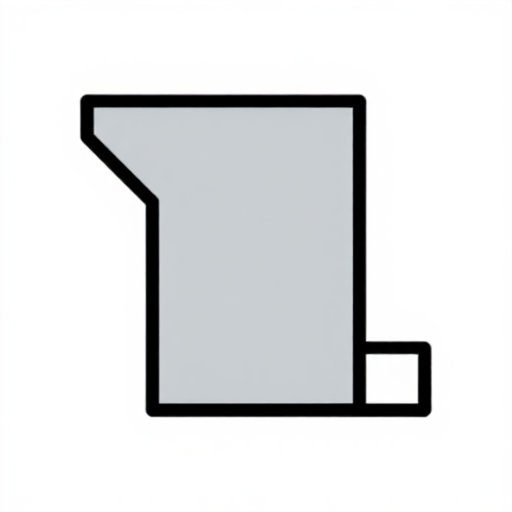 སི་པིང་ལྕགས་ཀྱི་ཐིག་ལེབ།1 strip
History and context
History and context
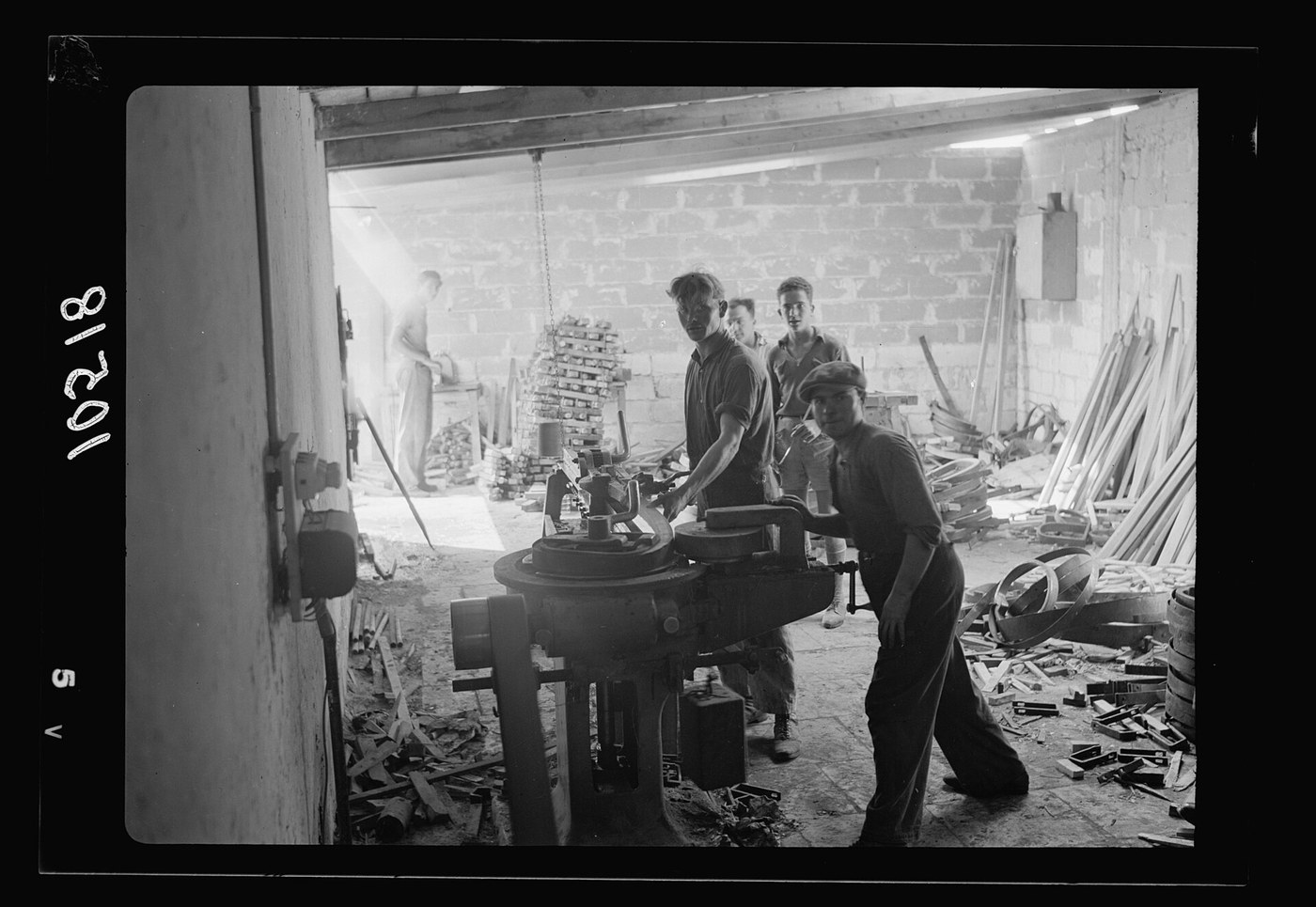
Bending wood with heat and water is very old — shipwrights steamed planks to fit hulls, wheelwrights bent felloes, and coopers have always used heat and moisture to draw barrel staves into a curve. The technique is a craft tradition long before it was an industry.
Michael Thonet industrialised it. From the 1830s and 40s he developed steam-bent solid beech furniture, and the Chair No. 14 of 1859 is the result: six pieces of bent wood, ten screws and two nuts, shipped flat and assembled on arrival. It sold in tens of millions, is still made, and is a strong candidate for the first genuinely mass-produced, flat-packed piece of furniture.
Why it beats sawing a curve. A curve cut from a solid board crosses the grain, so the fibres run out at the ends and the piece is weak where it is thinnest. A steam-bent curve keeps continuous fibres running the whole length, and is dramatically stronger for the same section — which is why tool handles, boat ribs, snowshoes and chair backs are bent rather than cut.
The modern alternative is bent lamination: gluing several thin strips around a form. It springs back less and needs no steam, but it shows glue lines and is not the same material. Both are in use, and for a chair back that must take repeated load, solid bent wood with unbroken grain is still hard to beat.
རྫས་རིགས
4- 1 སྒྲིལ་ཐུམ།ས་ཆ་འཛིན
- 1 དུམ་བུ།ས་ཆ་འཛིན
- 1 དུམ་བུ།ས་ཆ་འཛིན
- 1 stripས་ཆ་འཛིན
CC0 སྤྱི་དབང
བིལུ་པིརིན་ཊི་འདི་CC0 འོག་བཀྲམས་ཡོད། ཁྱེད་རང་གིས་ཆོག་མཆན་མ་བཞེས་པར་ཕབ་ལེན་དང་བཟོ་བཅོས། བགོ་བཤའ། དགོས་མཁོ་གང་ལའང་བཀོལ་སྤྱོད་བྱས་ཆོག
བཟོ་མཁན་ལ་རྒྱབ་སྐྱོར་བྱེད་པའི་ཆེད་ཁོང་ཚོའི་བིལུ་པིརིན་ཊི་བརྒྱུད་ཐོན་སྐྱེད་ཉོ། བཟོ་མཁན་གྱིས བཟོ་མཁན་གྱི་ཁེ་ཕོགས ཚོང་པས་གཏན་འཁེལ་བྱས་པ། ཡང་ན་བིལུ་པིརིན་ཊི་འདིའི་པར་གསར་བཟོས་ཏེ་ཁྱེད་རང་གི་བིལུ་པིརིན་ཊི་ནང་མཐུད་སྦྲེལ་བྱས་ཏེ་ཡོང་སྒོ་བགོ་བཤའ་བྱེད།