སྒྱུ་རྩལ
མཛེས་སྡུག་དང་བདེ་ཐང
བཟོ་རིག
རིག་གནས་དང་ལོ་རྒྱུས
དགའ་སྟོན
ཁོར་ཡུག
ཟས་དང་བཏུང་རྫས
ཕྱིར་འཕྲུལ་རིག
ཚན་རིག
རྩེད་འགྲན
རིག་རྩལ
གྱོན་རུང
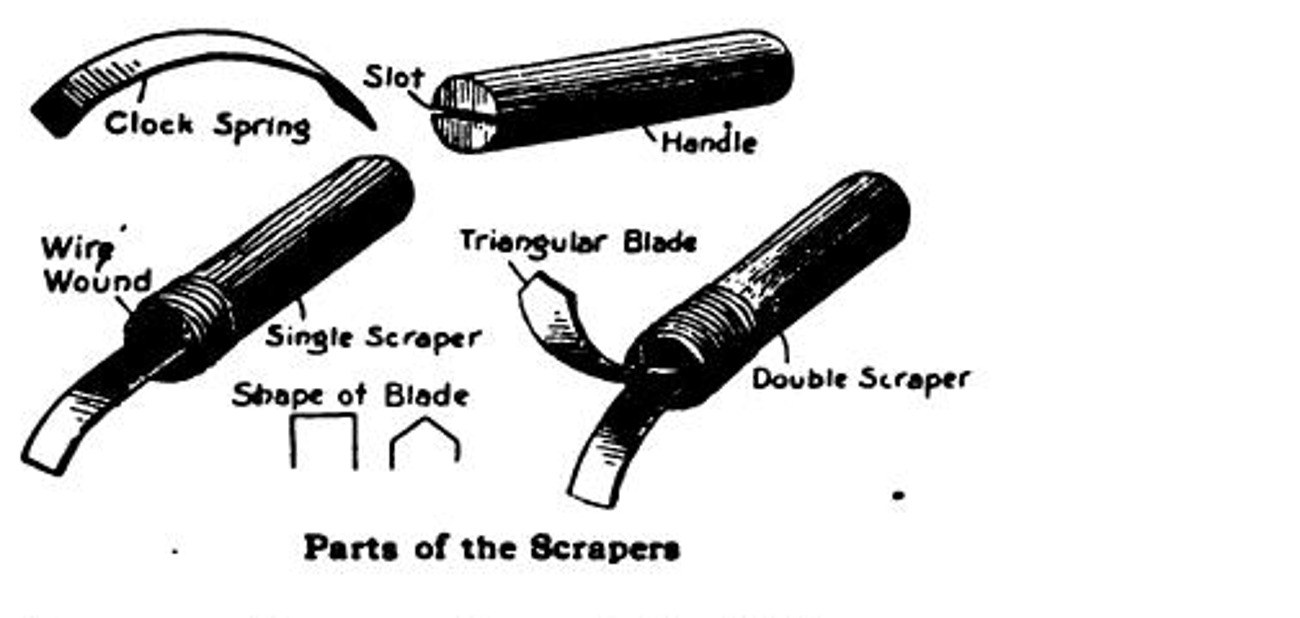


Steel Scraper: a Clockspring Blade in a Slotted Handle (Shop Notes, 1912)
A handy scraper for dirt and grease on machinery or old paint on uneven surfaces: a stout piece of clockspring set in a slot sawn in a short wooden handle, bound with wire or a ferrule.
Variable: spring size sets strength and flexibility; a double scraper adds a triangular blade for carved or indented work.
Source: Popular Mechanics Shop Notes for 1912, p. 1543. Picture: the article's drawing.
འགོ་བཙུགས
Unknown
ལམ་སྟོན
1
1
Cut the blade
Cut the blade
Cut a stout piece of clockspring and file its end square or pointed (drawing). For a double scraper cut a second, triangular-edged blade for the other end.
གོམ་པ་འདིའི་རྫས་རིགས:
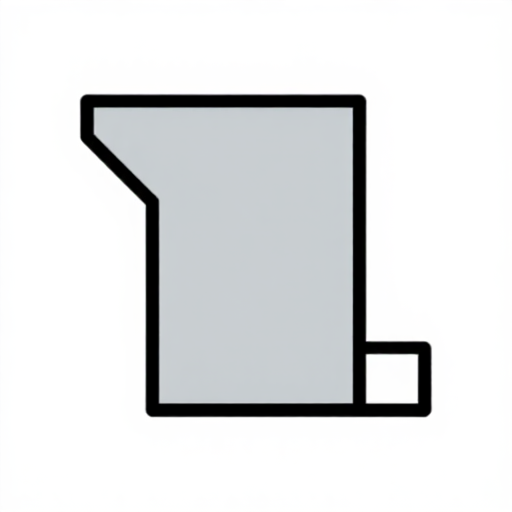 སི་པིང་ལྕགས་ཀྱི་ཐིག་ལེབ།1 clockspring
ལག་ཆས་དགོས་མཁོ:
 ལྕགས་ལེབ་གཏུབ་ནིའི་ཇེམ
 ལྕགས་ཀྱི་དར་མ།
2
2
Fit the handle
Fit the handle
Saw a slot in the end of a short wooden handle, push the blade in, and secure it by winding wire round the handle (or with a ferrule).
གོམ་པ་འདིའི་རྫས་རིགས:
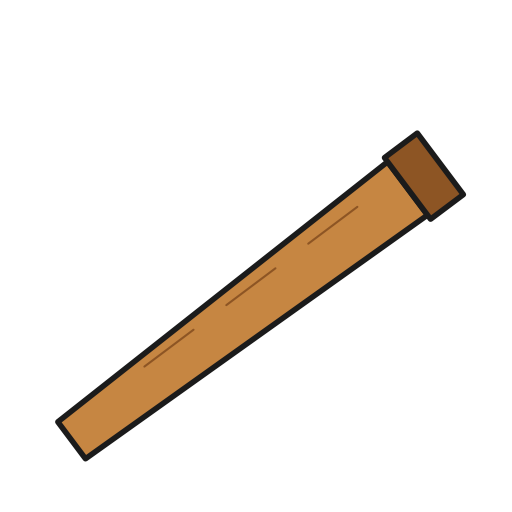 ལག་ཆས་ཀྱི་ཡུ་བ།1 short
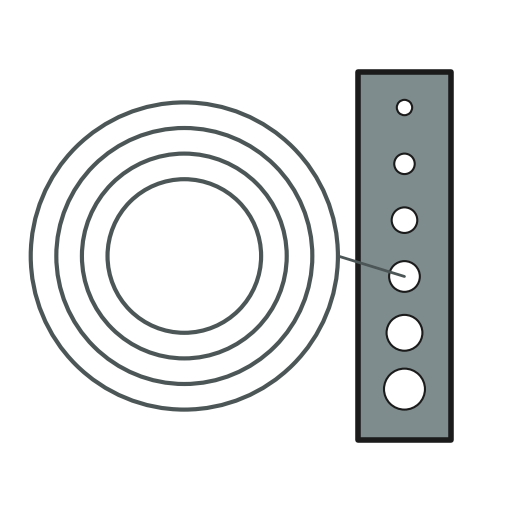 ལྕགས་སྐུད1 དུམ་བུ།
ལག་ཆས་དགོས་མཁོ:
 རྒྱབ་སྒྲིག་ཡོད་པའི་སོག་ལེ
རྫས་རིགས
3- 1 clockspringས་ཆ་འཛིན
- 1 shortས་ཆ་འཛིན
- 1 དུམ་བུ།ས་ཆ་འཛིན
ལག་ཆས་དགོས་མཁོ
3- ས་ཆ་འཛིན
- ས་ཆ་འཛིན
- ས་ཆ་འཛིན
བིལུ་པིརིན་ཊི་འདི་གིས་བཟོ་མི

CC0 སྤྱི་དབང
བིལུ་པིརིན་ཊི་འདི་CC0 འོག་བཀྲམས་ཡོད། ཁྱེད་རང་གིས་ཆོག་མཆན་མ་བཞེས་པར་ཕབ་ལེན་དང་བཟོ་བཅོས། བགོ་བཤའ། དགོས་མཁོ་གང་ལའང་བཀོལ་སྤྱོད་བྱས་ཆོག
བཟོ་མཁན་ལ་རྒྱབ་སྐྱོར་བྱེད་པའི་ཆེད་ཁོང་ཚོའི་བིལུ་པིརིན་ཊི་བརྒྱུད་ཐོན་སྐྱེད་ཉོ། བཟོ་མཁན་གྱིས བཟོ་མཁན་གྱི་ཁེ་ཕོགས ཚོང་པས་གཏན་འཁེལ་བྱས་པ། ཡང་ན་བིལུ་པིརིན་ཊི་འདིའི་པར་གསར་བཟོས་ཏེ་ཁྱེད་རང་གི་བིལུ་པིརིན་ཊི་ནང་མཐུད་སྦྲེལ་བྱས་ཏེ་ཡོང་སྒོ་བགོ་བཤའ་བྱེད།