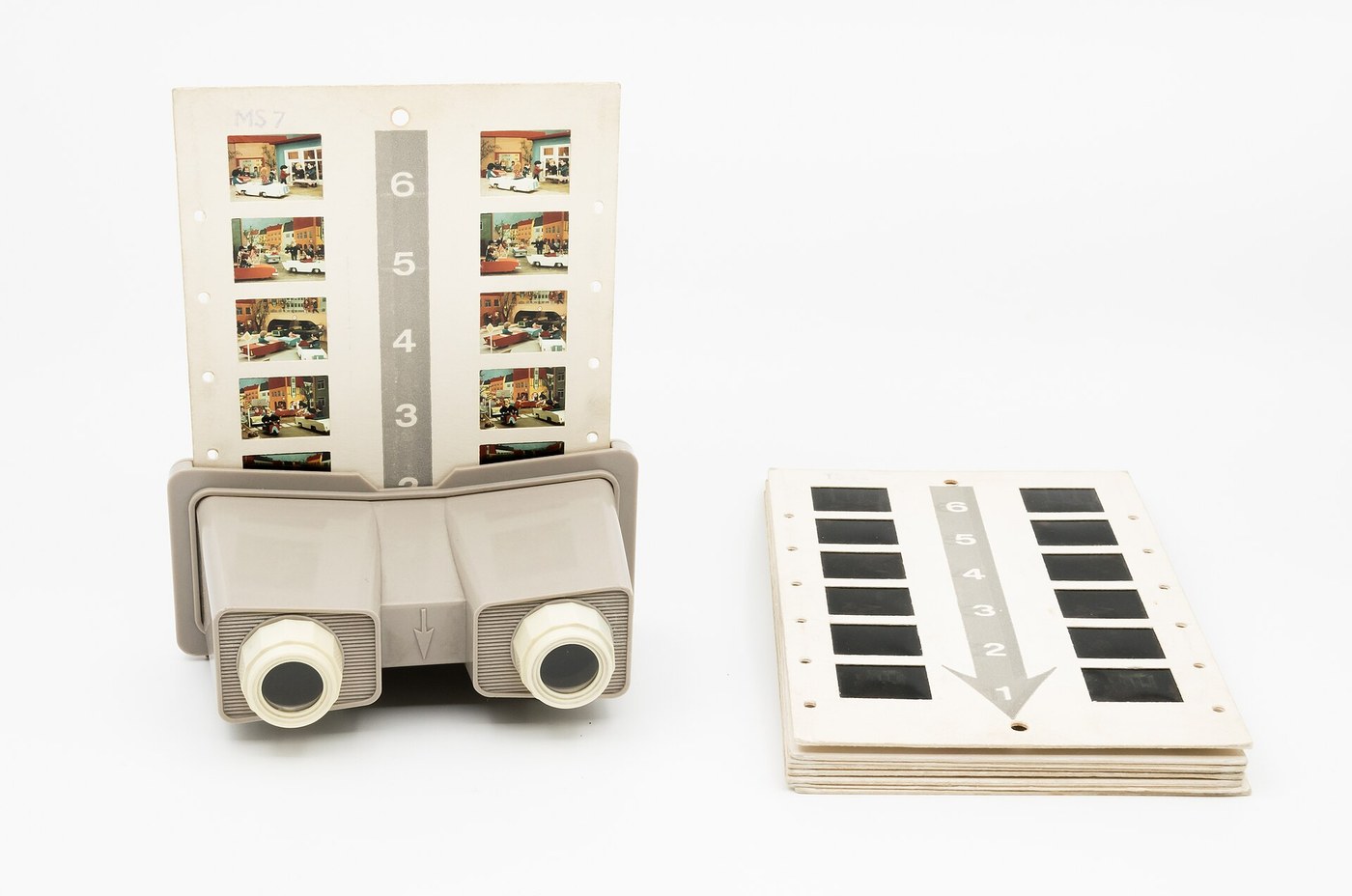

Stereoscope
ལམ་སྟོན
Measure your own disparity
Measure your own disparity
Find the effect in your own head before building anything.
- Hold a finger at arm's length and look past it at a far wall.
- Close one eye, then the other, alternately.
- Watch the finger jump sideways against the background.
- Bring the finger closer and repeat — the jump grows.
གོམ་པ་འདིའི་རྫས་རིགས:
 ཐིག་ཤིང་།1 དུམ་བུ།
Make a stereo pair
Make a stereo pair
Two images of the same scene, taken from two eye positions.
- Photograph or draw a scene from one position.
- Shift sideways by roughly your eye separation — no rotation, no tilt.
- Capture the second image.
Build the viewer
Build the viewer
Each eye must see one image only, and see it comfortably.
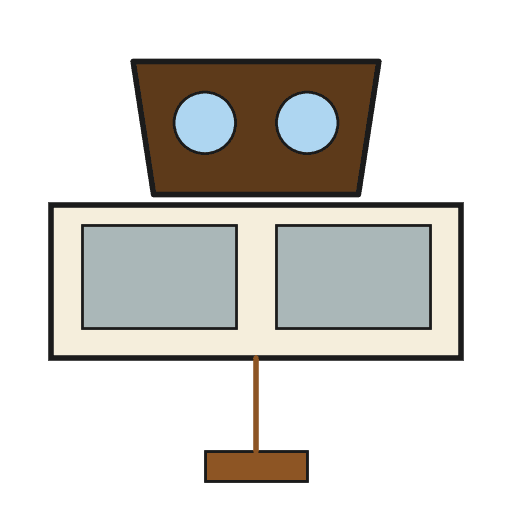
- Mount the two images side by side, separated by about your eye spacing.
- Fit a divider between them so neither eye sees the other's picture.
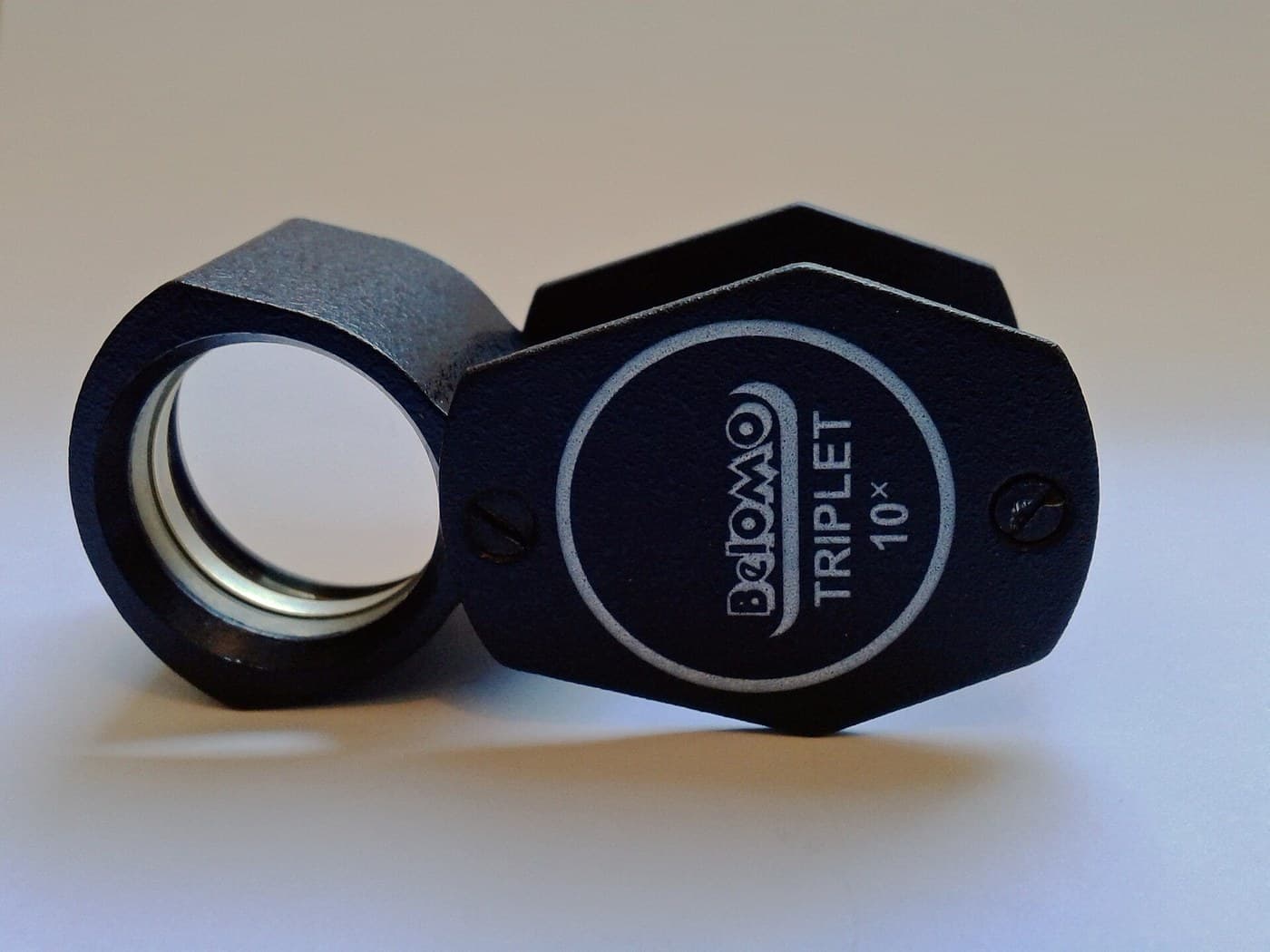
- Add simple convex lenses so the eyes can focus at a comfortable distance.
གོམ་པ་འདིའི་རྫས་རིགས:
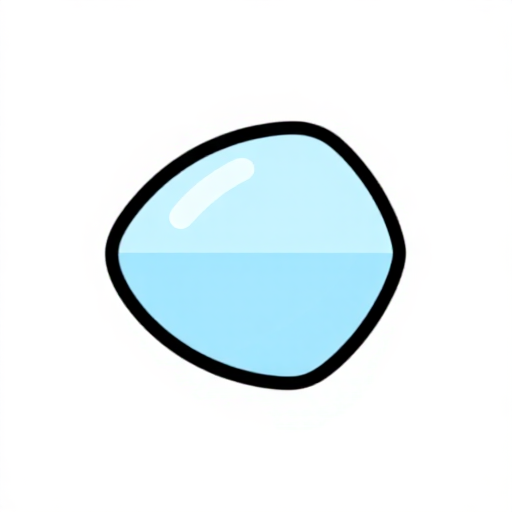 གུག་ཤེལ།2 དུམ་བུ།
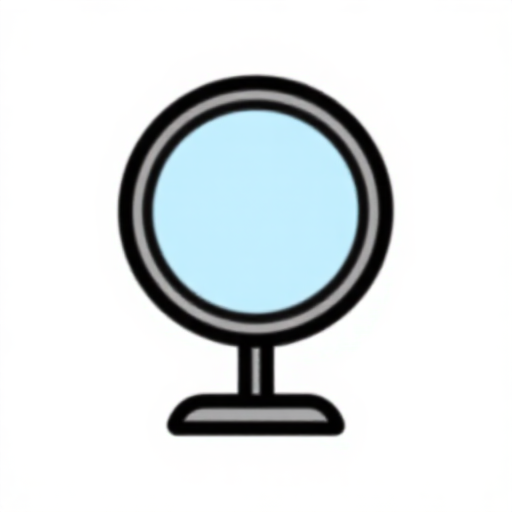 ཤེལ་གྱི་ལེབ་སྙོམས།2 དུམ་བུ།
Break it deliberately
Break it deliberately
Test the limits, which is where the brain's rules show themselves.
- Swap the left and right images and look again.
- Tilt one image slightly.
- Exaggerate the camera separation to 300 mm and view a landscape.
History and context
History and context
Charles Wheatstone described the stereoscope to the Royal Society in 1838, using mirrors and hand-drawn figures — necessarily, since photography was not yet announced. His point was theoretical: he was demonstrating that binocular depth arises from combining two disparate images in the mind, which was not obvious and had been argued about since antiquity.
Photography turned a demonstration into a craze. David Brewster produced a compact lens-based viewer around 1849, it was shown at the Great Exhibition in 1851, and Queen Victoria's enthusiasm did the rest. Stereo cards of the Alps, the pyramids, city streets and — inevitably — a considerable trade in erotica sold in enormous numbers. It was, in a real sense, the first mass visual entertainment medium in the home.
The same principle, over and over. The View-Master (1939) is a stereoscope with a rotating reel. Anaglyph glasses separate the two images by colour, polarised cinema by polarisation, and a VR headset simply puts a small screen where each of Wheatstone's pictures used to sit. None of these are new ideas about depth — they are new ways of delivering one image to each eye.
Worth knowing: a substantial minority of people cannot fuse stereo pairs at all, often because of childhood strabismus or amblyopia. They navigate the world perfectly well using motion parallax, occlusion, perspective and shading — which is a useful reminder that binocular disparity is one depth cue among many, not the only one.
བིལུ་པིརིན་ཊི་འདི་གིས་བཟོ་མི
འབྲེལ་ཡོད་བིལུ་པིརིན་ཊི
བིལུ་པིརིན་ཊི་འདི་ཚུ་ཐབས་ལམ་དང་རྫས་རིགས། སྤྱི་ཆོས་བགོ་བཤའ་བྱེད

CC0 སྤྱི་དབང
བིལུ་པིརིན་ཊི་འདི་CC0 འོག་བཀྲམས་ཡོད། ཁྱེད་རང་གིས་ཆོག་མཆན་མ་བཞེས་པར་ཕབ་ལེན་དང་བཟོ་བཅོས། བགོ་བཤའ། དགོས་མཁོ་གང་ལའང་བཀོལ་སྤྱོད་བྱས་ཆོག
བཟོ་མཁན་ལ་རྒྱབ་སྐྱོར་བྱེད་པའི་ཆེད་ཁོང་ཚོའི་བིལུ་པིརིན་ཊི་བརྒྱུད་ཐོན་སྐྱེད་ཉོ། བཟོ་མཁན་གྱིས བཟོ་མཁན་གྱི་ཁེ་ཕོགས ཚོང་པས་གཏན་འཁེལ་བྱས་པ། ཡང་ན་བིལུ་པིརིན་ཊི་འདིའི་པར་གསར་བཟོས་ཏེ་ཁྱེད་རང་གི་བིལུ་པིརིན་ཊི་ནང་མཐུད་སྦྲེལ་བྱས་ཏེ་ཡོང་སྒོ་བགོ་བཤའ་བྱེད།