སྒྱུ་རྩལ
མཛེས་སྡུག་དང་བདེ་ཐང
བཟོ་རིག
རིག་གནས་དང་ལོ་རྒྱུས
དགའ་སྟོན
ཁོར་ཡུག
ཟས་དང་བཏུང་རྫས
ཕྱིར་འཕྲུལ་རིག
ཚན་རིག
རྩེད་འགྲན
རིག་རྩལ
གྱོན་རུང



Synthetic Graphite Powder from Petroleum Coke
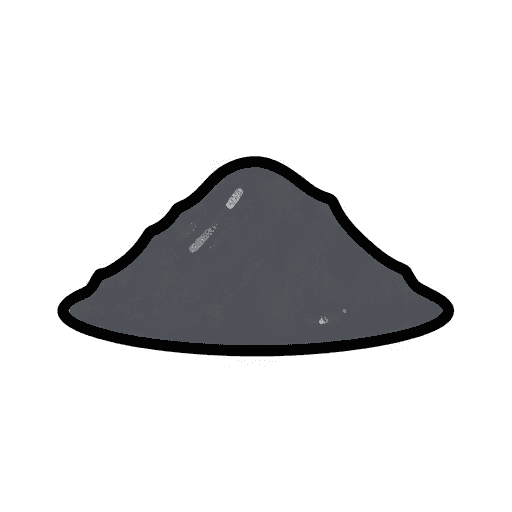
Synthetic graphite powder is made by heating powdered petroleum coke above the temperature at which carbon turns to graphite. Scrap from graphite electrode making and lathe turnings is also crushed and sized into powder. Most of it goes to adding carbon to steel; some goes into batteries and brake linings. Edward Goodrich Acheson patented a process for making synthetic graphite in 1896 and began commercial production in 1897.
མཐོ་རིམ
Factory process
ལམ་སྟོན
1
1
Powder the coke
Powder the coke
Grind the petroleum coke to powder.
གོམ་པ་འདིའི་རྫས་རིགས:
 ས་སྣུམ་གྱི་སོལ་བ1 as required
ལག་ཆས་དགོས་མཁོ:
 བཏགས་འཕྲུལ།
2
2
Graphitise
Graphitise
Heat the powdered coke above the graphitisation temperature.
ལག་ཆས་དགོས་མཁོ:
 གྷ་རེ་ཕའིཊ་བཟོ་ཐབ།
རྫས་རིགས
1- 1 as requiredས་ཆ་འཛིན
ལག་ཆས་དགོས་མཁོ
2- ས་ཆ་འཛིན
- ས་ཆ་འཛིན
བིལུ་པིརིན་ཊི་འདི་གིས་བཟོ་མི
འབྲེལ་ཡོད་བིལུ་པིརིན་ཊི
བིལུ་པིརིན་ཊི་འདི་ཚུ་ཐབས་ལམ་དང་རྫས་རིགས། སྤྱི་ཆོས་བགོ་བཤའ་བྱེད


CC0 སྤྱི་དབང
བིལུ་པིརིན་ཊི་འདི་CC0 འོག་བཀྲམས་ཡོད། ཁྱེད་རང་གིས་ཆོག་མཆན་མ་བཞེས་པར་ཕབ་ལེན་དང་བཟོ་བཅོས། བགོ་བཤའ། དགོས་མཁོ་གང་ལའང་བཀོལ་སྤྱོད་བྱས་ཆོག
བཟོ་མཁན་ལ་རྒྱབ་སྐྱོར་བྱེད་པའི་ཆེད་ཁོང་ཚོའི་བིལུ་པིརིན་ཊི་བརྒྱུད་ཐོན་སྐྱེད་ཉོ། བཟོ་མཁན་གྱིས བཟོ་མཁན་གྱི་ཁེ་ཕོགས ཚོང་པས་གཏན་འཁེལ་བྱས་པ། ཡང་ན་བིལུ་པིརིན་ཊི་འདིའི་པར་གསར་བཟོས་ཏེ་ཁྱེད་རང་གི་བིལུ་པིརིན་ཊི་ནང་མཐུད་སྦྲེལ་བྱས་ཏེ་ཡོང་སྒོ་བགོ་བཤའ་བྱེད།