སྒྱུ་རྩལ
མཛེས་སྡུག་དང་བདེ་ཐང
བཟོ་རིག
རིག་གནས་དང་ལོ་རྒྱུས
དགའ་སྟོན
ཁོར་ཡུག
ཟས་དང་བཏུང་རྫས
ཕྱིར་འཕྲུལ་རིག
ཚན་རིག
རྩེད་འགྲན
རིག་རྩལ
གྱོན་རུང
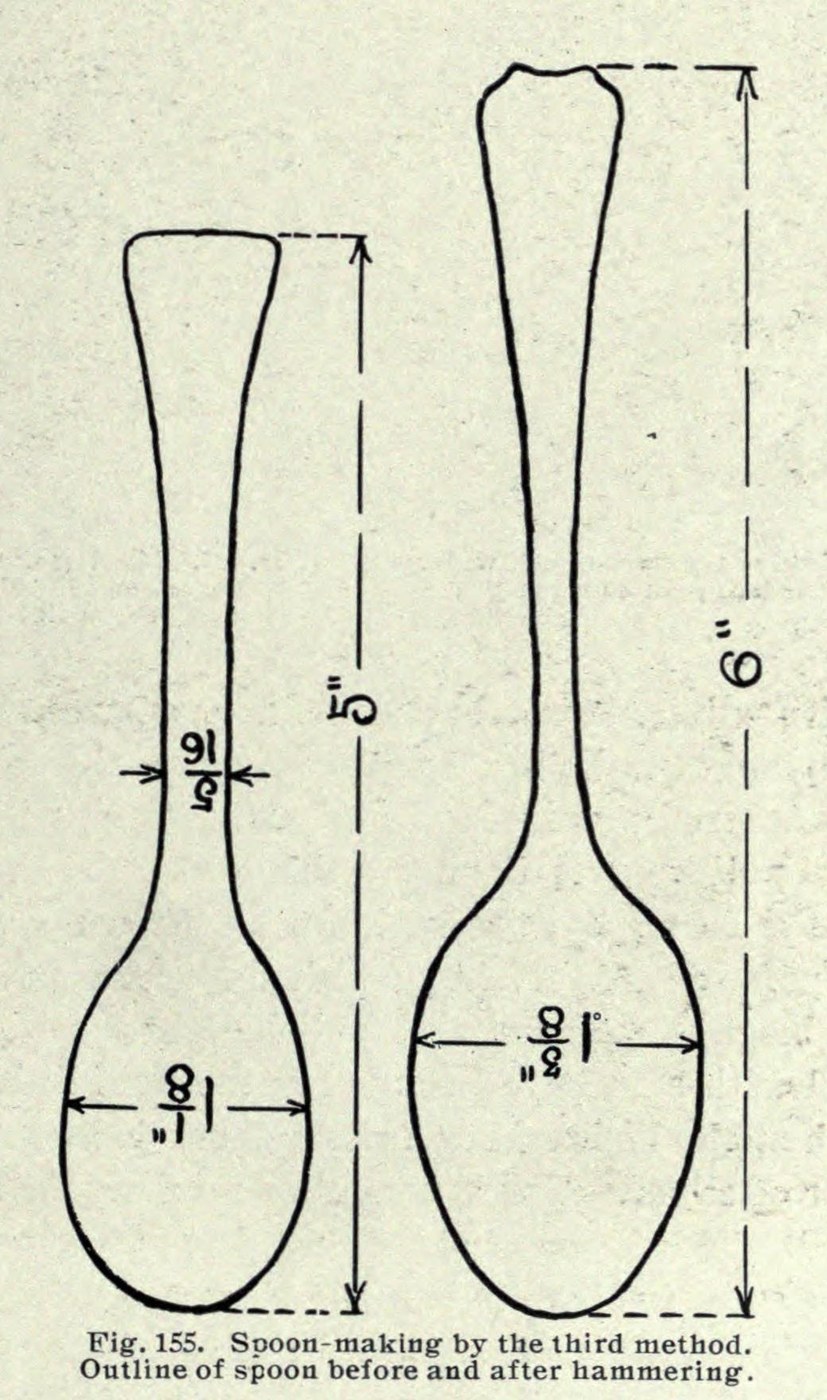
Arthur F. Payne · Public domain (1914)


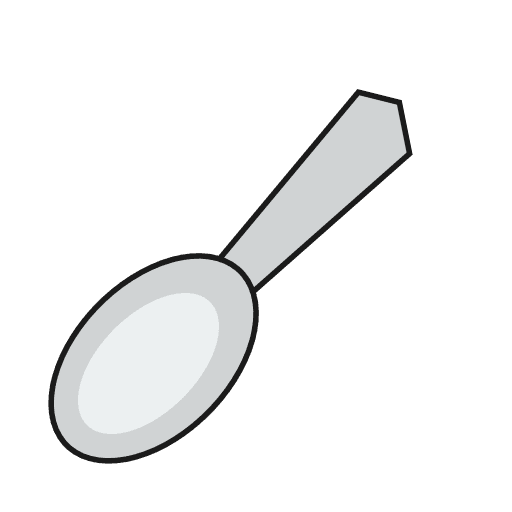
Teaspoon Sawn Short from Silver Sheet, Then Hammered Out (Payne 1914)
Saw the spoon out of flat silver smaller than it will end up: shorter, narrower in the bowl and thicker in the shank. Hammering then stretches it to full size. Arthur Payne said this method was used largely for silver teaspoons.
Source: A. F. Payne, Art Metalwork with Inexpensive Equipment (1914), pp. 180–184; annealing from his chapter XI. The millimetre figure is ours. Picture: Payne's Fig. 155, the blank and the finished spoon.
བར་མ
1 day
ལམ་སྟོན
1
1
Saw out the short blank
Saw out the short blank
Mark out and saw the blank from 15-gauge sterling silver (about 1.45 mm; our conversion): 5 in long, the bowl 1⅛ in wide and the shank 5⁄16 in wide. The finished spoon will be 6 in long with a bowl 1⅝ in wide.
གོམ་པ་འདིའི་རྫས་རིགས:
 སི་ཊར་ལིང་དངུལ་གྱི་ལྷེབ1 piece 15 gauge, enough for the 5 in blank
ལག་ཆས་དགོས་མཁོ:
 ཐིག་འཛུགས་ཁབ།
 གསེར་མགར་གྱི་སོག་ལེ།
2
2
Stretch the bowl wider
Stretch the bowl wider
Hammer the bowl on a flat anvil with the ball-pein hammer, held at a slight angle towards the side you want it to grow. This makes the bowl thinner and wider.
ལག་ཆས་དགོས་མཁོ:
 མགར་བའི་རྡོ་ལེབ།
 མགོ་སྒོར་སྒོར་གྱི་ཐོ་བ།
3
3
Narrow the shank with the neck hammer
Narrow the shank with the neck hammer
Hold the spoon on edge on a rounded convex stake and hammer the shank narrower with the neck hammer. This lengthens the spoon and makes the shank narrower and thicker. Widen the tip of the handle the same way as the bowl.
ལག་ཆས་དགོས་མཁོ:
 ཕུར་པ
 མགུལ་བརྐྱང་ཐོ་བ།མགོ་སྒོར་སྒོར་གྱི་ཐོ་བ།
4
4
Anneal and repeat
Anneal and repeat
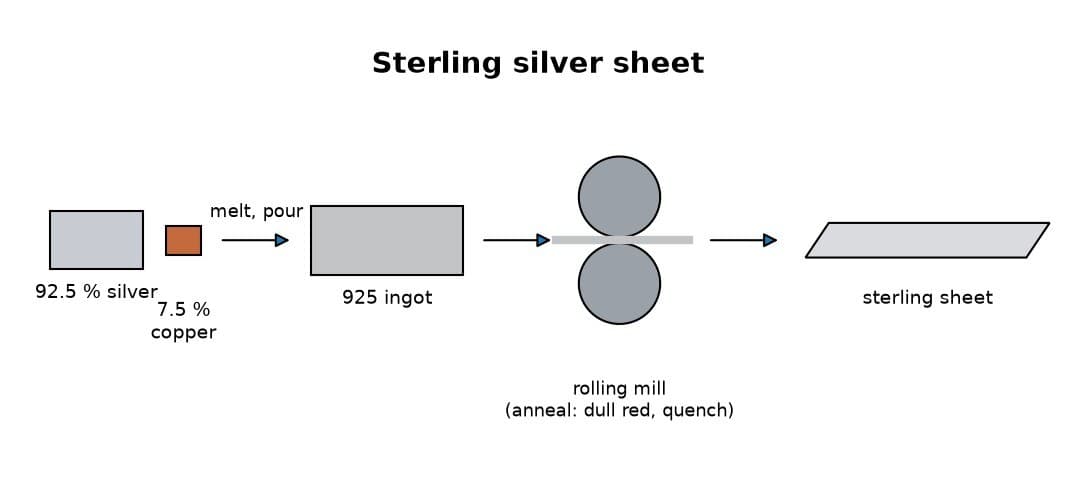
When the silver gets hard, heat it to a dull red and plunge it into water, or let it cool. Repeat the hammering and annealing until the spoon is roughly to shape.
གོམ་པ་འདིའི་རྫས་རིགས:
 ཆུ།1 as required
ལག་ཆས་དགོས་མཁོ:
 བུན་སེན་གྱི་མེ་ཐབ།
 སྐམ་པ
 ཤེལ་གྱི་སྣོད།
5
5
File and planish
File and planish
File the rough edges smooth, then planish the whole spoon carefully.
ལག་ཆས་དགོས་མཁོ:
 བཤེར་ཆས (ལག་པའི་བཤེར་ཆས)
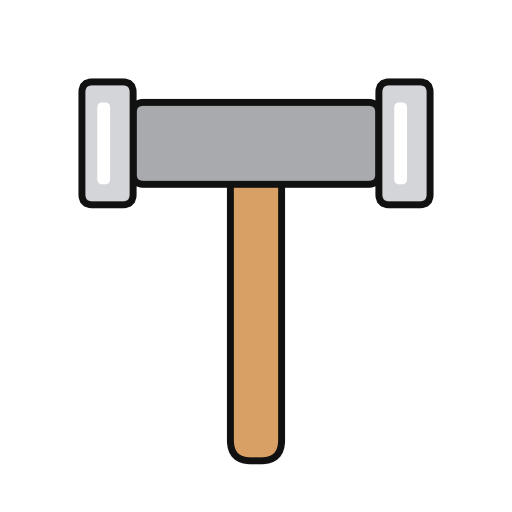 སྙོམས་བཟོའི་ཐོ་བ།ཕུར་པ
6
6
Polish out the file marks
Polish out the file marks
Rub out all the scratches and file marks with emery cloth.
ལག་ཆས་དགོས་མཁོ:
 ཨེ་མེ་རི་རས་ཆ
7
7
Anneal to even the fire scale
Anneal to even the fire scale
Anneal the spoon thoroughly once more. Heated silver grows a thin white skin, the fire scale, and this brings it back over the spots where filing and polishing took it off, so the colour is even.
གོམ་པ་འདིའི་རྫས་རིགས:
ཆུ།1 as requiredལག་ཆས་དགོས་མཁོ:
བུན་སེན་གྱི་མེ་ཐབ།སྐམ་པཤེལ་གྱི་སྣོད།8
8
Planish with smooth hammers
Planish with smooth hammers
Planish the spoon on smooth tools with smooth, bright hammers. This makes it stiff again after the annealing.
ལག་ཆས་དགོས་མཁོ:
སྙོམས་བཟོའི་ཐོ་བ།མགར་བའི་རྡོ་ལེབ།ཕུར་པ9
9
Final polish with rouge
Final polish with rouge
Polish it lightly with a soft cotton flannel and a little red rouge.
ལག་ཆས་དགོས་མཁོ:
 རྒྱན་ཆ་སྤྲོ་ནིའི་རས།
 གསེར་མགར་གྱི་འོད་བཟོ་ཚོས་དམར།
རྫས་རིགས
2- 1 piece 15 gauge, enough for the 5 in blankས་ཆ་འཛིན
- 2 as requiredས་ཆ་འཛིན
ལག་ཆས་དགོས་མཁོ
14- ས་ཆ་འཛིན
- ས་ཆ་འཛིན
- ས་ཆ་འཛིན
- ས་ཆ་འཛིན
- ས་ཆ་འཛིན
- ས་ཆ་འཛིན
- ས་ཆ་འཛིན
- ས་ཆ་འཛིན
- ས་ཆ་འཛིན
- ས་ཆ་འཛིན
- ས་ཆ་འཛིན
- ས་ཆ་འཛིན
- ས་ཆ་འཛིན
- ས་ཆ་འཛིན
བིལུ་པིརིན་ཊི་འདི་གིས་བཟོ་མི
འབྲེལ་ཡོད་བིལུ་པིརིན་ཊི
བིལུ་པིརིན་ཊི་འདི་ཚུ་ཐབས་ལམ་དང་རྫས་རིགས། སྤྱི་ཆོས་བགོ་བཤའ་བྱེད
CC0 སྤྱི་དབང
བིལུ་པིརིན་ཊི་འདི་CC0 འོག་བཀྲམས་ཡོད། ཁྱེད་རང་གིས་ཆོག་མཆན་མ་བཞེས་པར་ཕབ་ལེན་དང་བཟོ་བཅོས། བགོ་བཤའ། དགོས་མཁོ་གང་ལའང་བཀོལ་སྤྱོད་བྱས་ཆོག
བཟོ་མཁན་ལ་རྒྱབ་སྐྱོར་བྱེད་པའི་ཆེད་ཁོང་ཚོའི་བིལུ་པིརིན་ཊི་བརྒྱུད་ཐོན་སྐྱེད་ཉོ། བཟོ་མཁན་གྱིས བཟོ་མཁན་གྱི་ཁེ་ཕོགས ཚོང་པས་གཏན་འཁེལ་བྱས་པ། ཡང་ན་བིལུ་པིརིན་ཊི་འདིའི་པར་གསར་བཟོས་ཏེ་ཁྱེད་རང་གི་བིལུ་པིརིན་ཊི་ནང་མཐུད་སྦྲེལ་བྱས་ཏེ་ཡོང་སྒོ་བགོ་བཤའ་བྱེད།