སྒྱུ་རྩལ
མཛེས་སྡུག་དང་བདེ་ཐང
བཟོ་རིག
རིག་གནས་དང་ལོ་རྒྱུས
དགའ་སྟོན
ཁོར་ཡུག
ཟས་དང་བཏུང་རྫས
ཕྱིར་འཕྲུལ་རིག
ཚན་རིག
རྩེད་འགྲན
རིག་རྩལ
གྱོན་རུང
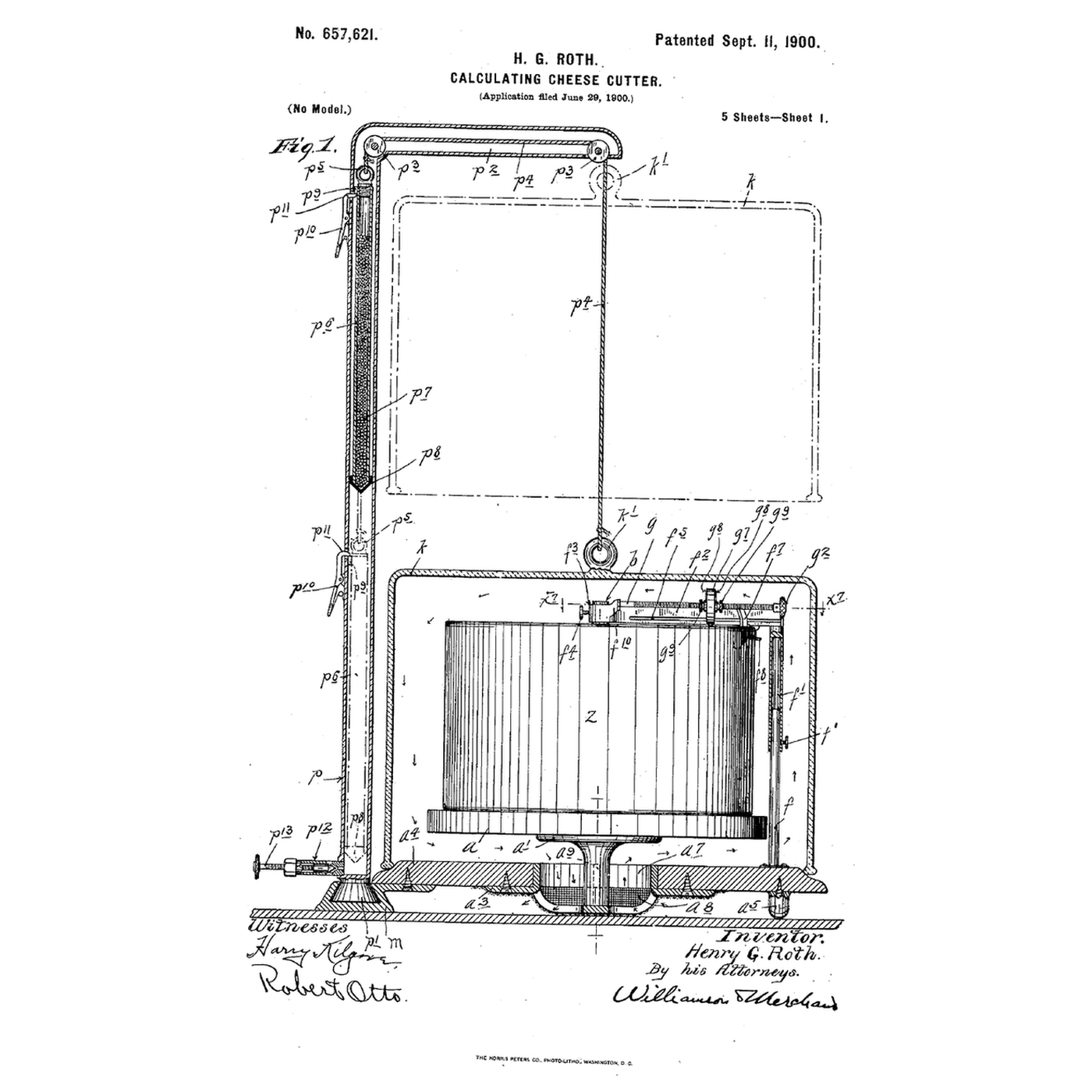


The Calculating Cheese-Cutter: A Wheel Set by the Cheese's Weight
A grocer cutting a slice from a whole round cheese had to guess, weigh, and trim until the weight was right.
Henry G. Roth of Minneapolis received US 657,621, dated 11 September 1900, for a "calculating cutting device for cheeses of circular cake form": the cheese turns on a table while a small measuring wheel rolls on its top, set along a graduated rod according to the cheese's total weight, so that each turn of the wheel marks the same weight of cheese, whatever the cheese weighs.
This rung works out why the total weight cancels, then builds a turntable with a weight dial and cuts wedges to a set weight.
བར་མ
About 3 hours
ལམ་སྟོན
1
1
Weight per turn, and the wedge angle
Weight per turn, and the wedge angle
Jupyter ཚང་དེབ་མངོན་གསལ་འབད་དོ་…
2
2
A wheel that measures
A wheel that measures
The embedded blueprint counts a wheel's turns to measure distance. Roth's wheel counts turns to measure weight of cheese.
3
3
Read US 657,621
Read US 657,621
"My present invention has for its object to provide a calculating cutting device for cheeses of circular cake form".
"The twenty-pound graduation indicates a position just one-half as far from the axis of the centering-tube b as does the forty-pound graduation."
As illustrated, the measuring wheel "is shown of such diameter that it will be given one complete rotation when properly set each time the cake of cheese is moved the distance occupied by a five-pound segment of the cake."
4
4
Build a weight dial and cut wedges to weight
Build a weight dial and cut wedges to weight
Cut a plywood disk a little larger than the cheese and screw it to the lazy Susan. Drive a short stainless screw up through its centre as a pin to hold the cheese in place.
On card stock, draw a circle and mark the wedge angles for 100 g and 250 g for cheeses of several weights, using the notebook's rule, with the protractor. Lay the card under a clear sheet on the disk, lined up with the pin.
Weigh a whole round cheese and set it on the pin. Line a straight knife up with the pin and the mark for the weight you want, and cut. Weigh the wedge and write down the error. Cut three wedges and compare.
གོམ་པ་འདིའི་རྫས་རིགས:
 ཤིང་ལེབ་སྦྱར་མ།1 དུམ་བུ།
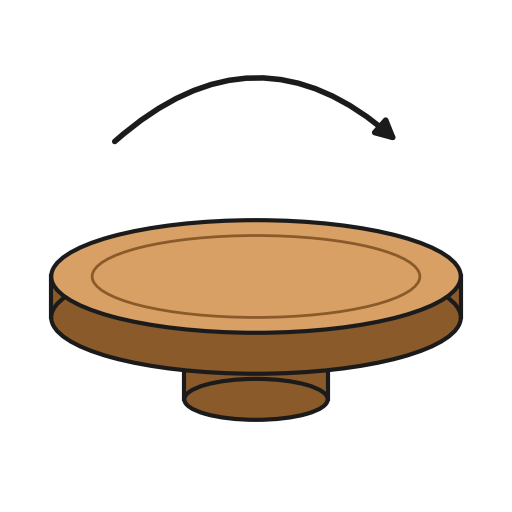 འཁོར་བའི་སྡེར་མ1 དུམ་བུ།
 ཤོག་སྦོམ།1 དུམ་བུ།
 ཤིང་གི་སྒྲོག5 དུམ་བུ།
 དར་ཚིལ་1000 g
ལག་ཆས་དགོས་མཁོ:
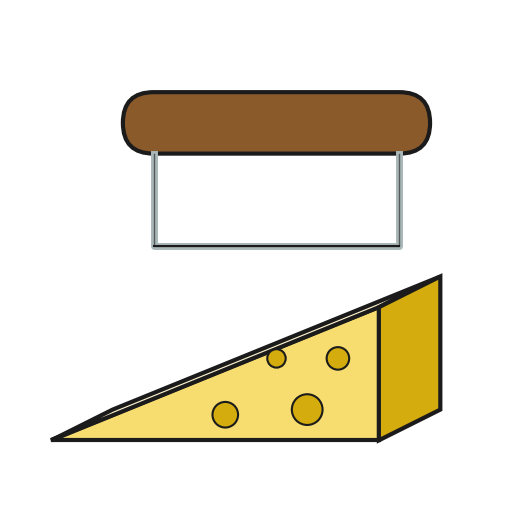 དར་ཚིལ་གཏུབ་ཆས
 གྲི།
གྲི། ཟུར་ཚད་འཇལ་ཆས།
 ཐིག་ཤིང་།
 ཨང་རྟགས་ཐབ་ཚང་སྲང་།
 གུག་གཏུབ་སོག་ལེ།
 ཐག་མེད་ཕུག་འཕྲུལ།
 རྟག་བརྟན་གྱི་སྨྱུ་གུ
5
5
Wedges that come out too heavy or too light
Wedges that come out too heavy or too light
Cheese-cutter troubleshooting.
Flow
Loading...
6
6
History and honest limits
History and honest limits
**Henry G. Roth** of Minneapolis filed US 657,621 on 29 June 1900; it was patented 11 September 1900. He graduated both sides of the dial case so that "both the salesmen from the inside of the counter and the purchaser from the outside of the counter" could read them.
**Honest limits.** Both methods assume the cheese is the same density all the way round. The 20 lb radius is an example. Your weighed wedges are the measurement.
རྫས་རིགས
5- 1 དུམ་བུ།ས་ཆ་འཛིན
- 1 དུམ་བུ།ས་ཆ་འཛིན
- 1 དུམ་བུ།ས་ཆ་འཛིན
- 5 དུམ་བུ།ས་ཆ་འཛིན
- 1000 gས་ཆ་འཛིན
ལག་ཆས་དགོས་མཁོ
8- ས་ཆ་འཛིན
- ས་ཆ་འཛིན
- ས་ཆ་འཛིན
- ས་ཆ་འཛིན
- ས་ཆ་འཛིན
- ས་ཆ་འཛིན
- 1 vendor sell this, none ship to you yetས་ཆ་འཛིན
- ས་ཆ་འཛིན
འབྲེལ་ཡོད་བིལུ་པིརིན་ཊི
བིལུ་པིརིན་ཊི་འདི་ཚུ་ཐབས་ལམ་དང་རྫས་རིགས། སྤྱི་ཆོས་བགོ་བཤའ་བྱེད
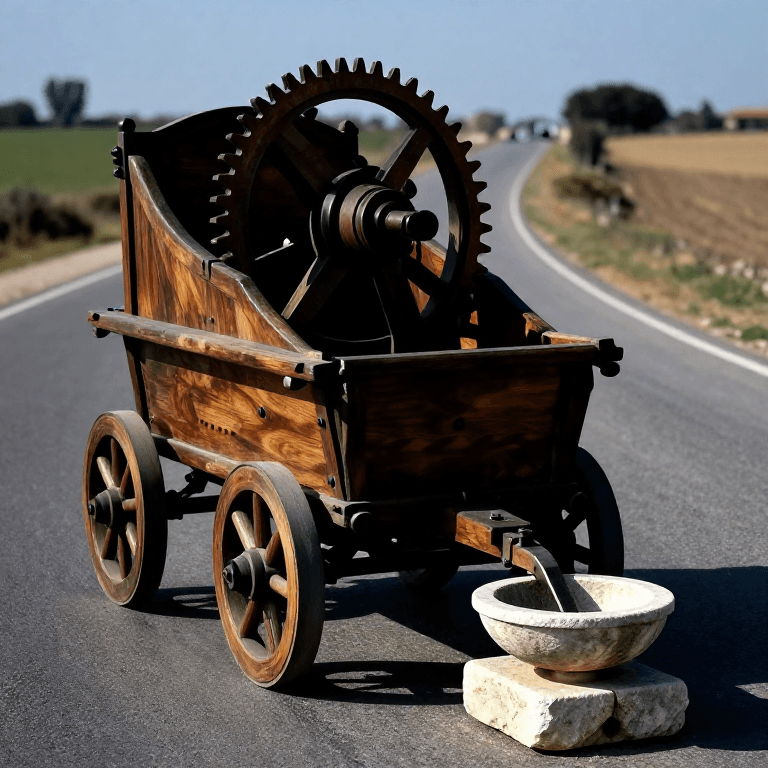

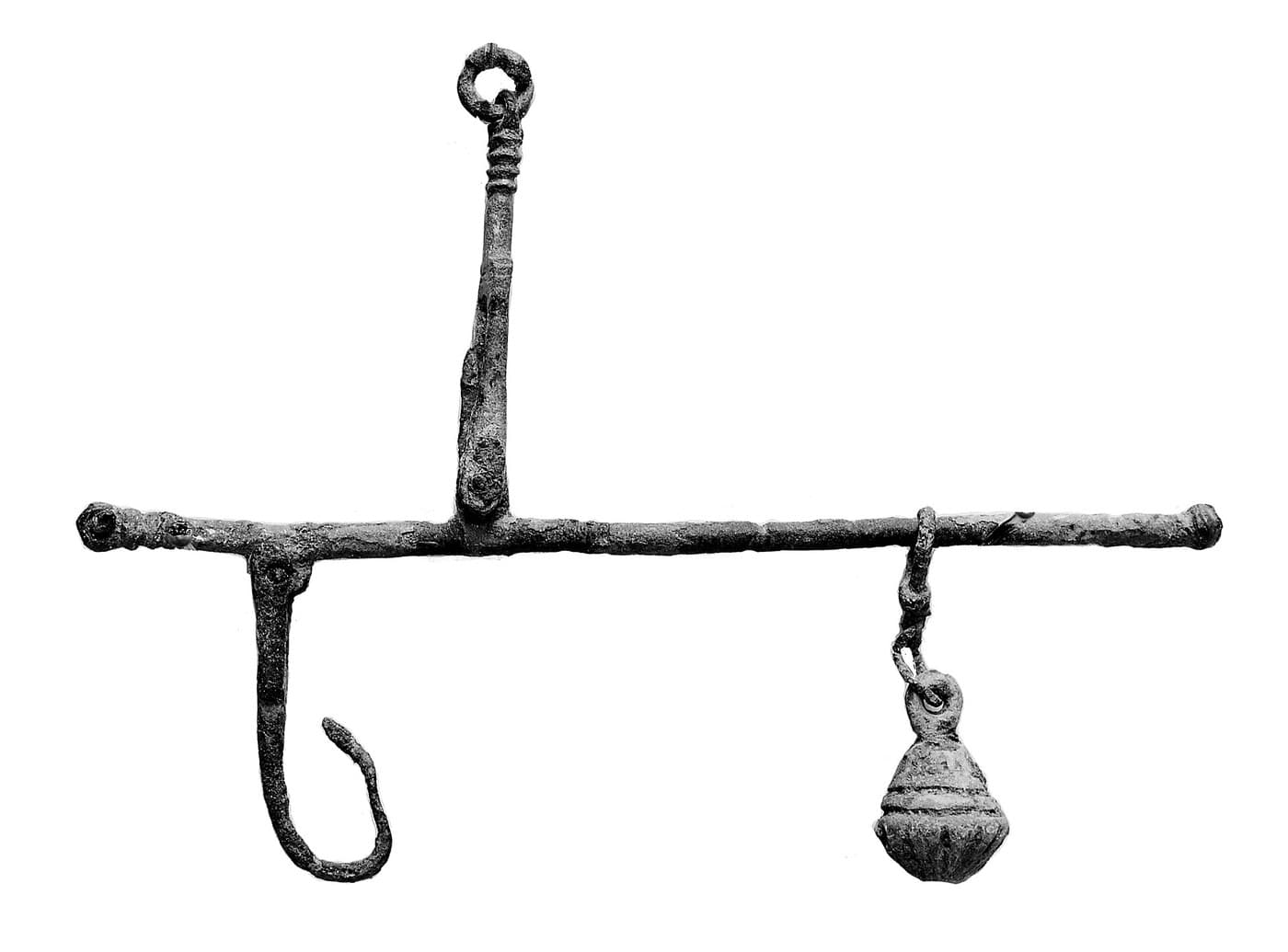

CC0 སྤྱི་དབང
བིལུ་པིརིན་ཊི་འདི་CC0 འོག་བཀྲམས་ཡོད། ཁྱེད་རང་གིས་ཆོག་མཆན་མ་བཞེས་པར་ཕབ་ལེན་དང་བཟོ་བཅོས། བགོ་བཤའ། དགོས་མཁོ་གང་ལའང་བཀོལ་སྤྱོད་བྱས་ཆོག
བཟོ་མཁན་ལ་རྒྱབ་སྐྱོར་བྱེད་པའི་ཆེད་ཁོང་ཚོའི་བིལུ་པིརིན་ཊི་བརྒྱུད་ཐོན་སྐྱེད་ཉོ། བཟོ་མཁན་གྱིས བཟོ་མཁན་གྱི་ཁེ་ཕོགས ཚོང་པས་གཏན་འཁེལ་བྱས་པ། ཡང་ན་བིལུ་པིརིན་ཊི་འདིའི་པར་གསར་བཟོས་ཏེ་ཁྱེད་རང་གི་བིལུ་པིརིན་ཊི་ནང་མཐུད་སྦྲེལ་བྱས་ཏེ་ཡོང་སྒོ་བགོ་བཤའ་བྱེད།