སྒྱུ་རྩལ
མཛེས་སྡུག་དང་བདེ་ཐང
བཟོ་རིག
རིག་གནས་དང་ལོ་རྒྱུས
དགའ་སྟོན
ཁོར་ཡུག
ཟས་དང་བཏུང་རྫས
ཕྱིར་འཕྲུལ་རིག
ཚན་རིག
རྩེད་འགྲན
རིག་རྩལ
གྱོན་རུང



The Candle-Finishing Die: From Tapered Casting to True Cylinder
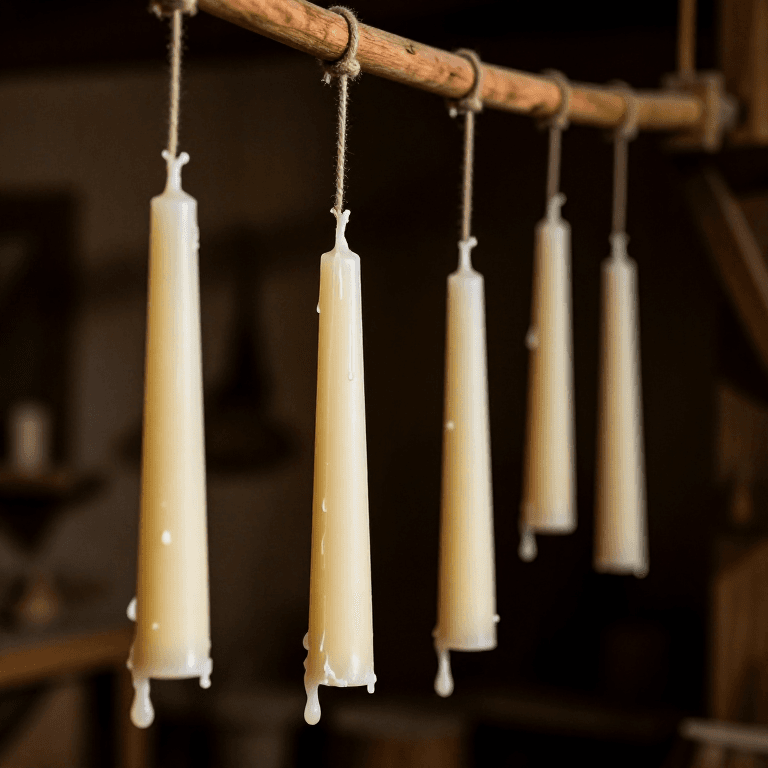
A cast candle must taper to come out of its mould, and it often comes out dull. Candles sold by the box should all be the same size and shine.
Antonio Meucci of Clifton, New York, assignor to the New York Paraffine Candle Co., received US 30,180, dated 25 September 1860, for an apparatus that guides each candle in a straight line through a circular steel die, "for the purpose of paring and polishing the candles after they are taken from the molds, so as to render them cylindrical and impart an even polished surface to them".
This rung works out how much wax the die pares off a tapered candle, then casts candles and draws one through a die.
བར་མ
About 3 hours
ལམ་སྟོན
1
1
Wax pared from a tapered candle
Wax pared from a tapered candle
Jupyter ཚང་དེབ་མངོན་གསལ་འབད་དོ་…
2
2
Pulling through a die
Pulling through a die
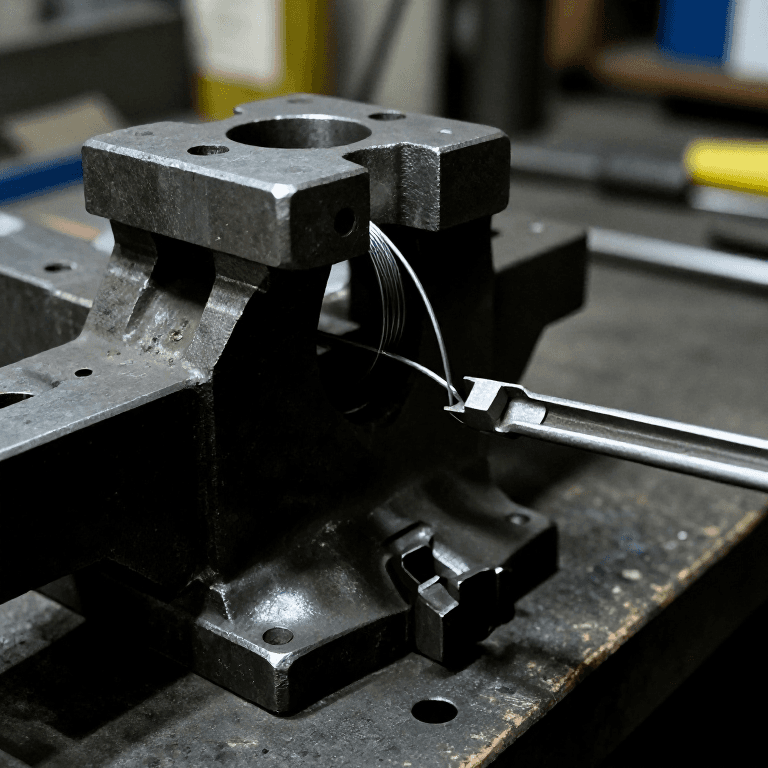
The embedded blueprint draws wire through a hardened die to size it. Meucci pushes candles through a die to size and polish them.
3
3
Read US 30,180
Read US 30,180
"Candles after casting, and particularly paraffin candles, frequently have a surface which is not sufficiently smooth and polished for the market. They are also slightly tapering from the necessity of making the molds tapering to permit the candles to be drawn out of them."
"The invention which is the subject of this patent is an apparatus for the purpose of paring and polishing the candles after they are taken from the molds, so as to render them cylindrical and impart an even polished surface to them."
"This apparatus consists, essentially, of a combination of a candle guide and circular die so arranged relatively to each other that the candle is guided in a straight line through the die".
4
4
Cast candles and draw one through a die
Cast candles and draw one through a die
Thread a wick through the candle mould and melt paraffin gently in a double boiler (never over a bare flame). Pour, let it set, and draw the candle out. Measure its tip and butt with the ruler.
Drill a hole the size of the tip through a piece of steel sheet and file its edge smooth and slightly sharp. Clamp it upright at the end of a grooved wooden board. Warm the candle a little and push it along the groove through the hole with a wooden block. Weigh the candle before and after and compare with the notebook.
གོམ་པ་འདིའི་རྫས་རིགས:
 པེ་ར་ཕིན་གྱི་སྤོས་དཀར་500 g
 རས་བལ་གྱི་སྡོང་སྙིང།1 དུམ་བུ།
 ལྕགས་ལེབ།1 དུམ་བུ།
 ཤིང་སྲ་བའི་པང་ལེབ།1 དུམ་བུ།
ལག་ཆས་དགོས་མཁོ:
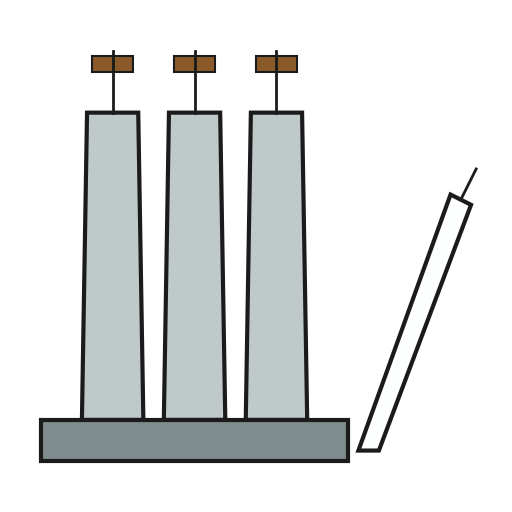 ཡང་ལག་གི་དཔེ་སྒྲོམ
 ཟངས
ཟངས ཐག་མེད་ཕུག་འཕྲུལ།
 ཕུག་མགོའི་ཚོགས་ཆས།
 ལྕགས་ཀྱི་དར་མ།
 ལས་ཅོག་གི་འཛིན་ཆས།
 ཨང་རྟགས་ཐབ་ཚང་སྲང་།
 ཐིག་ཤིང་།
5
5
A pared candle that chips, drags or goes off-line
A pared candle that chips, drags or goes off-line
Candle finishing troubleshooting.
Flow
Loading...
6
6
History and honest limits
History and honest limits
**Antonio Meucci** of Clifton, Richmond County, New York, assignor to the New York Paraffine Candle Co., received US 30,180, dated 25 September 1860. The drawing sheet is titled "Candle Mold"; the specification calls it an apparatus for finishing candles. Strips of vulcanized india rubber on the receiving bed hold the candles.
**Honest limits.** The notebook treats the candle as a perfect frustum and the die as cutting exactly to its bore. Sizes and wax density are examples. Your weighings are the measurement.
རྫས་རིགས
4- ས་ཆ་འཛིན
- 1 དུམ་བུ།ས་ཆ་འཛིན
- 1 དུམ་བུ།ས་ཆ་འཛིན
- 1 དུམ་བུ།ས་ཆ་འཛིན
ལག་ཆས་དགོས་མཁོ
8- ས་ཆ་འཛིན
- ས་ཆ་འཛིན
- 1 vendor sell this, none ship to you yetས་ཆ་འཛིན
- ས་ཆ་འཛིན
- ས་ཆ་འཛིན
- ས་ཆ་འཛིན
- ས་ཆ་འཛིན
- ས་ཆ་འཛིན
འབྲེལ་ཡོད་བིལུ་པིརིན་ཊི
བིལུ་པིརིན་ཊི་འདི་ཚུ་ཐབས་ལམ་དང་རྫས་རིགས། སྤྱི་ཆོས་བགོ་བཤའ་བྱེད



CC0 སྤྱི་དབང
བིལུ་པིརིན་ཊི་འདི་CC0 འོག་བཀྲམས་ཡོད། ཁྱེད་རང་གིས་ཆོག་མཆན་མ་བཞེས་པར་ཕབ་ལེན་དང་བཟོ་བཅོས། བགོ་བཤའ། དགོས་མཁོ་གང་ལའང་བཀོལ་སྤྱོད་བྱས་ཆོག
བཟོ་མཁན་ལ་རྒྱབ་སྐྱོར་བྱེད་པའི་ཆེད་ཁོང་ཚོའི་བིལུ་པིརིན་ཊི་བརྒྱུད་ཐོན་སྐྱེད་ཉོ། བཟོ་མཁན་གྱིས བཟོ་མཁན་གྱི་ཁེ་ཕོགས ཚོང་པས་གཏན་འཁེལ་བྱས་པ། ཡང་ན་བིལུ་པིརིན་ཊི་འདིའི་པར་གསར་བཟོས་ཏེ་ཁྱེད་རང་གི་བིལུ་པིརིན་ཊི་ནང་མཐུད་སྦྲེལ་བྱས་ཏེ་ཡོང་སྒོ་བགོ་བཤའ་བྱེད།