སྒྱུ་རྩལ
མཛེས་སྡུག་དང་བདེ་ཐང
བཟོ་རིག
རིག་གནས་དང་ལོ་རྒྱུས
དགའ་སྟོན
ཁོར་ཡུག
ཟས་དང་བཏུང་རྫས
ཕྱིར་འཕྲུལ་རིག
ཚན་རིག
རྩེད་འགྲན
རིག་རྩལ
གྱོན་རུང
The Electric Self-Starter: Kettering's Motor-Generator
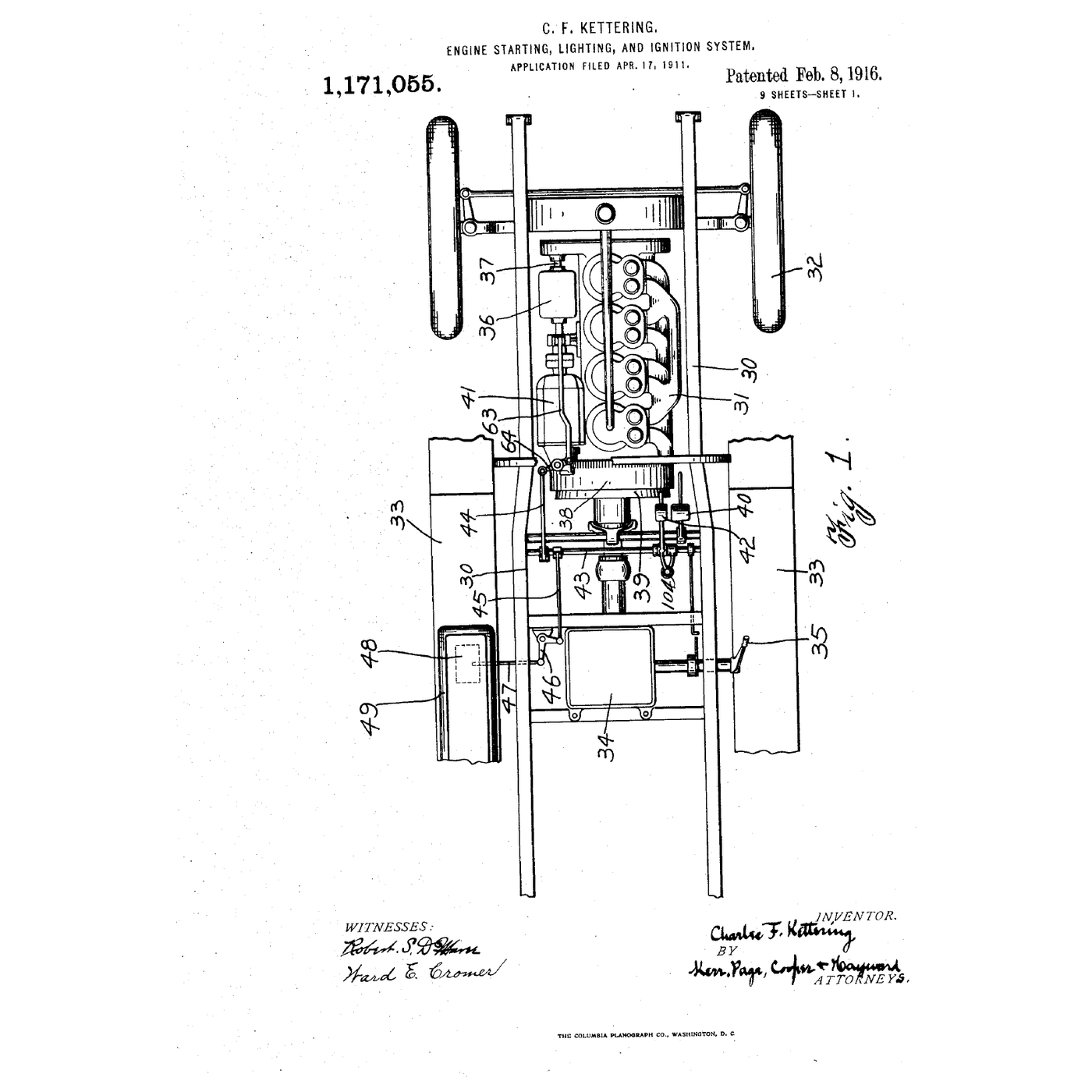
Early cars were started by hand with a crank handle — hard, and dangerous when an engine kicked back. Charles F. Kettering, at the Dayton Engineering Laboratories Company (Delco), filed in 1911 for a system in which one electric machine starts the engine as a motor and then, driven by it, runs as a generator to recharge the battery and power the lights and ignition. Cadillac fitted it from 1912.
His specification gives the trick that made a small machine do both jobs: batteries switched *"in series to give twenty-four volts"* for starting, and six volts when the machine runs as a generator.
This rung works out the current a starter draws, runs a hobby motor as both motor and generator, and switches a heavy load with a relay the way a starter solenoid does.
བར་མ
About 3 hours
ལམ་སྟོན
1
1
The starting sequence
The starting sequence
Blockly གི་ལཱ་གི་ས་གནས
Loading Blockly workspace...
2
2
Cranking current
Cranking current
Jupyter ཚང་དེབ་མངོན་གསལ་འབད་དོ་…
3
3
One machine, motor and generator
One machine, motor and generator
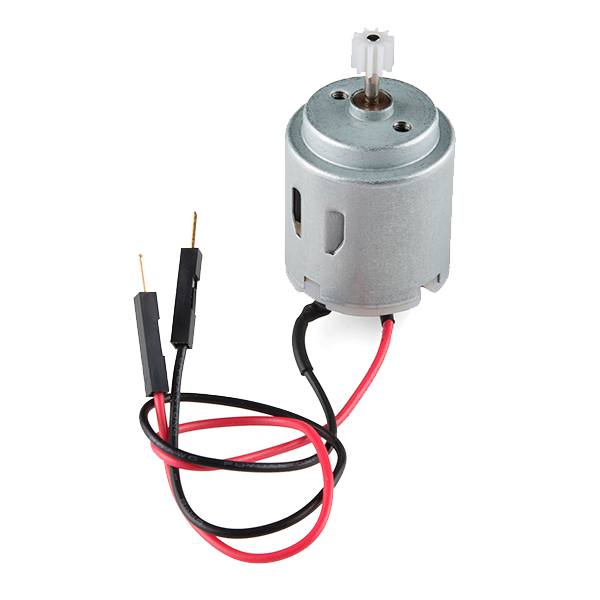
Connect a hobby motor to the bench supply and read the current as it runs free, then as you load its shaft with your fingers: current rises with load. That is the motor half.
Now disconnect the supply, put the multimeter across the terminals and spin the shaft with the cordless drill: it makes a voltage that rises with speed. That is the generator half. Kettering's machine did both, with separate windings arranged so it worked well in each role.
གོམ་པ་འདིའི་རྫས་རིགས:
 Hobby Motor - Gear1 དུམ་བུ།
 མཐུད་ཐག1 ཚན་པ།
ལག་ཆས་དགོས་མཁོ:
 ཐད་རྒྱུན་གློག་ཁུངས།
 མཱལ་ཊི་མི་ཊར།
 ཐག་མེད་ཕུག་འཕྲུལ།
 ཌི་ཇི་ཊཱལ་འཁོར་ཚད་འཇལ་ཆས།
4
4
The overrunning clutch that protects the starter
The overrunning clutch that protects the starter
Once the engine fires it spins far faster than the starter can. An overrunning (one-way) clutch in the drive lets the pinion free-wheel so the engine cannot drag the motor to destruction. The embedded blueprint covers how a one-way clutch grips in one direction and slips in the other.
5
5
Switch a heavy load the way a solenoid does
Switch a heavy load the way a solenoid does
A starter switch cannot carry hundreds of amps; it carries a few, to a solenoid that closes the heavy contacts. Wire a relay so that a push-button and a small current from the 12 V battery energise its coil, and its contacts switch a 10 W power resistor across the battery. Read the coil current and the load current with the clamp meter: a small current controls a large one.
Fuse the load circuit, keep the leads short, and never short a lead-acid battery: it can deliver hundreds of amps and melt a spanner.
གོམ་པ་འདིའི་རྫས་རིགས:
 SPDT རི་ལེ1 དུམ་བུ།
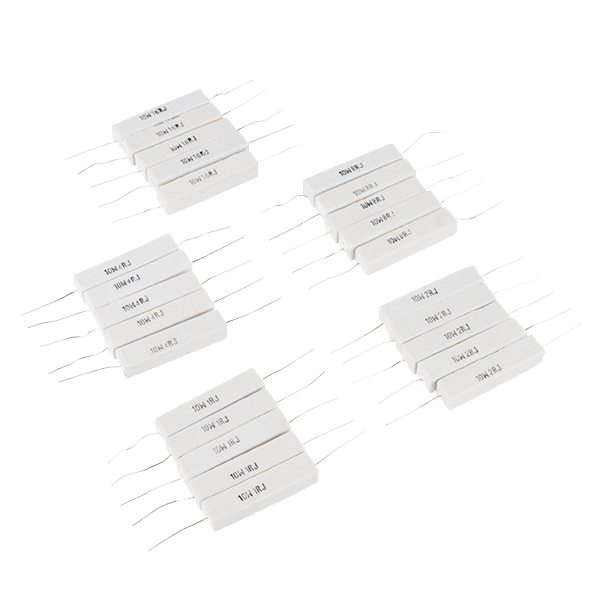 Power Resistor Kit - 10W (25 pack)1 སྒྲིལ་ཐུམ།མཐུད་ཐག1 ཚན་པ།
ལག་ཆས་དགོས་མཁོ:
 ཝཱོལཊ་ ༡༢ གི་གཏིང་ཟད་བེ་ཊི་རི
 AC/DC ཨེམ་པེར་ ༦༠༠ གི་འཛིན་ཆས་ཚད་འཇལ།མཱལ་ཊི་མི་ཊར།
 གསལ་བའི་ཉེན་སྲུང་མིག་ཤེལ།
6
6
History and context
History and context
**US 1,171,055, 'Engine Starting, Lighting, and Ignition System', Charles F. Kettering; filed 11 April 1911, granted 8 February 1916**, and the companion **US 1,150,523, 'Engine Starting Device', filed 15 June 1911, granted 17 August 1915**, assigned to the Dayton Engineering Laboratories Company. Cadillac made the electric starter standard from 1912, and the hand crank disappeared from cars within a decade.
**Honest limits.** A starter is short-duty: cranking for long overheats it. A weak or cold battery cannot deliver the current. And the large currents need heavy cables and sound connections — a corroded terminal is the commonest 'starter fault'.
རྫས་རིགས
4- Hobby Motor - Gearཁེ་ཕོགས 10%1 དུམ་བུ།$2.53
- 1 དུམ་བུ།ས་ཆ་འཛིན
- Power Resistor Kit - 10W (25 pack)ཁེ་ཕོགས 10%1 སྒྲིལ་ཐུམ།$5.64
ལག་ཆས་དགོས་མཁོ
7- ས་ཆ་འཛིན
- ས་ཆ་འཛིན
- 1 vendor sell this, none ship to you yetས་ཆ་འཛིན
- ས་ཆ་འཛིན
- ཝཱོལཊ་ ༡༢ གི་གཏིང་ཟད་བེ་ཊི་རིཁེ་ཕོགས 10%ས་ཆ་འཛིན
- ས་ཆ་འཛིན
ཚོད་དཔག་བསྡོམས
བཟོ་མི་གིས་ཉོ་མི་དེ། གོང་ཚད་མེད་པར་སྟོན་མི་ཅ་ཆས་ཚུ་ཁྱོད་ཀྱིས་ག་ཏེ་ལས་ཉོཝ་ཨིན་ན་དེ་ལས་ཐོབ་ཨིན།
འབྲེལ་ཡོད་བིལུ་པིརིན་ཊི
བིལུ་པིརིན་ཊི་འདི་ཚུ་ཐབས་ལམ་དང་རྫས་རིགས། སྤྱི་ཆོས་བགོ་བཤའ་བྱེད
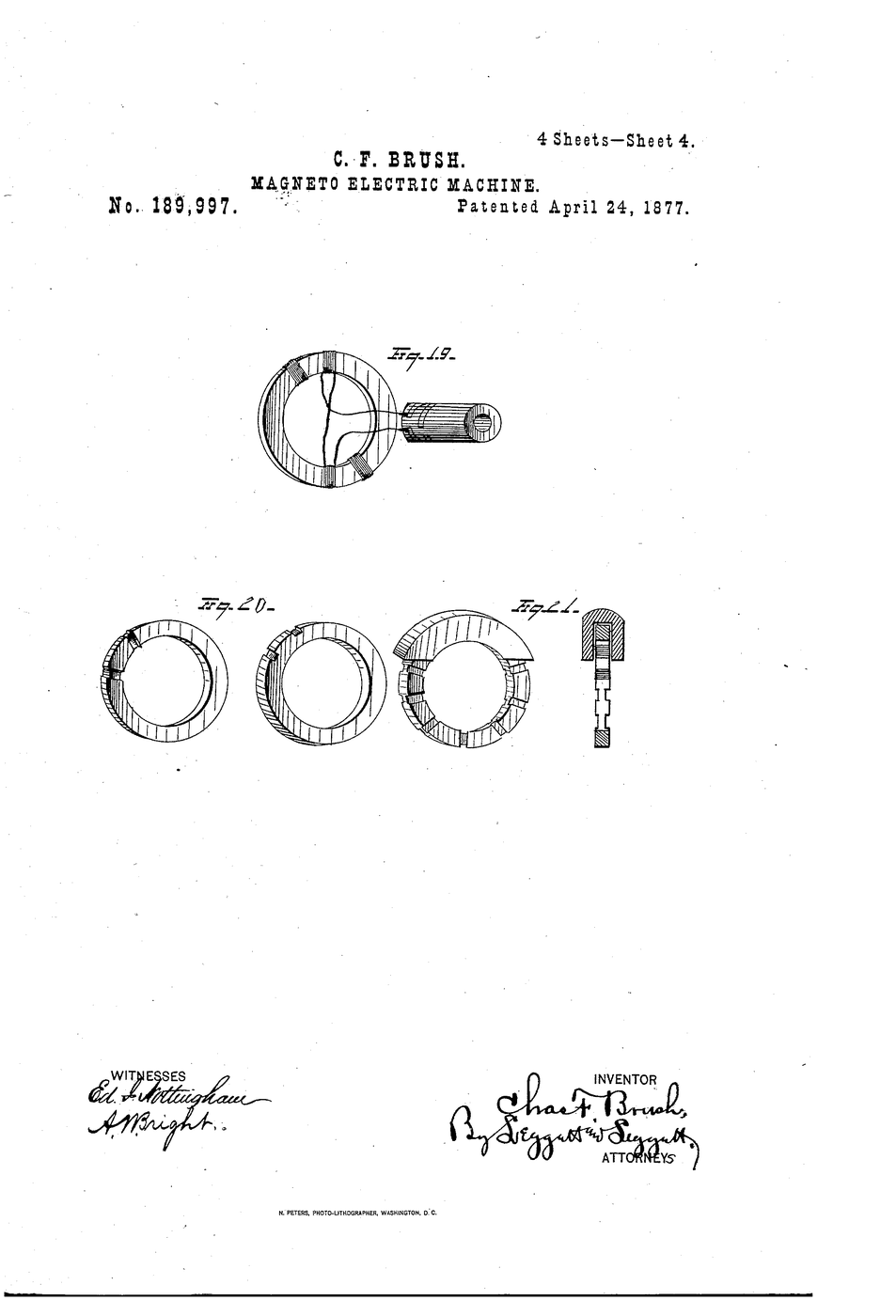
Brush Dynamo
Emma གྱིས
ནུས་པ
༣༨
༠
༠
༠
༡
༠
ཉེན་ཁ་ཅན།
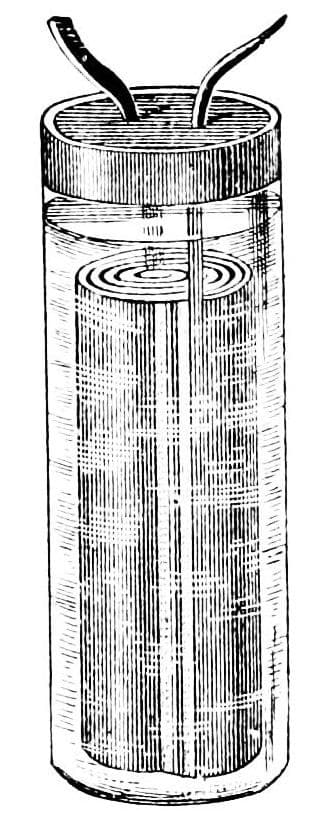
Plante Lead-Acid Cell
Volt གྱིས
ནུས་པ
༤༠
༠
༠
༠
༠
༠
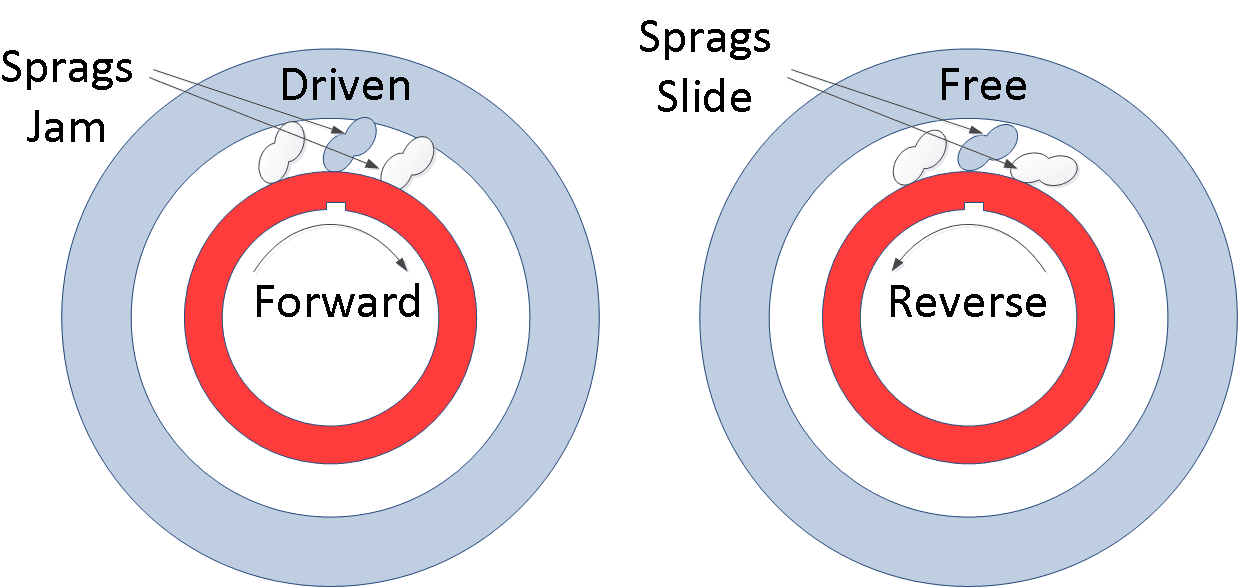
Sprag Clutch
Martin གྱིས
བཟོ་རིག
༤༥
༠
༠
༠
༠
༠
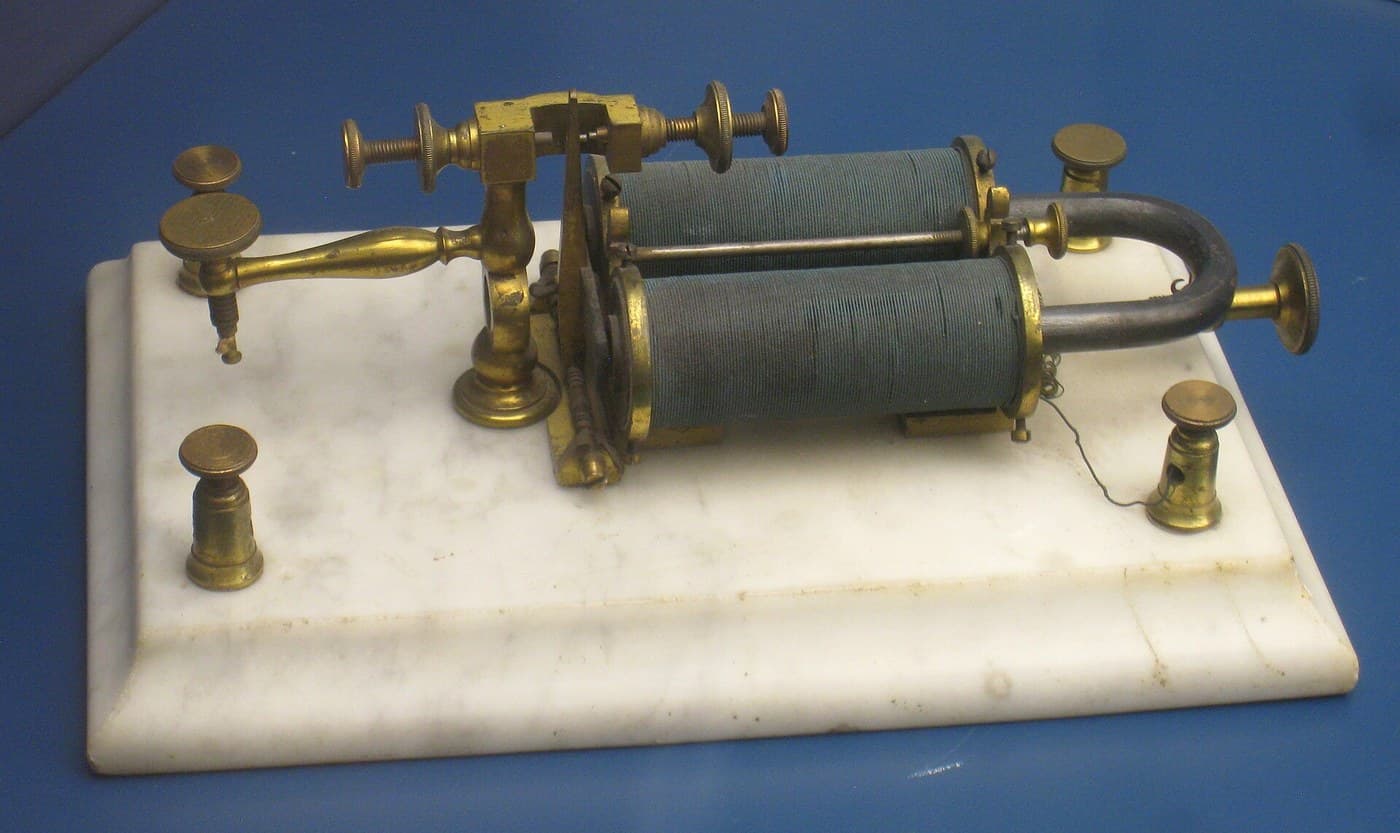
The Telegraph Relay
Ed གྱིས
གློག་འཕྲུལ
༤༣
༠
༠
༠
༢
༠
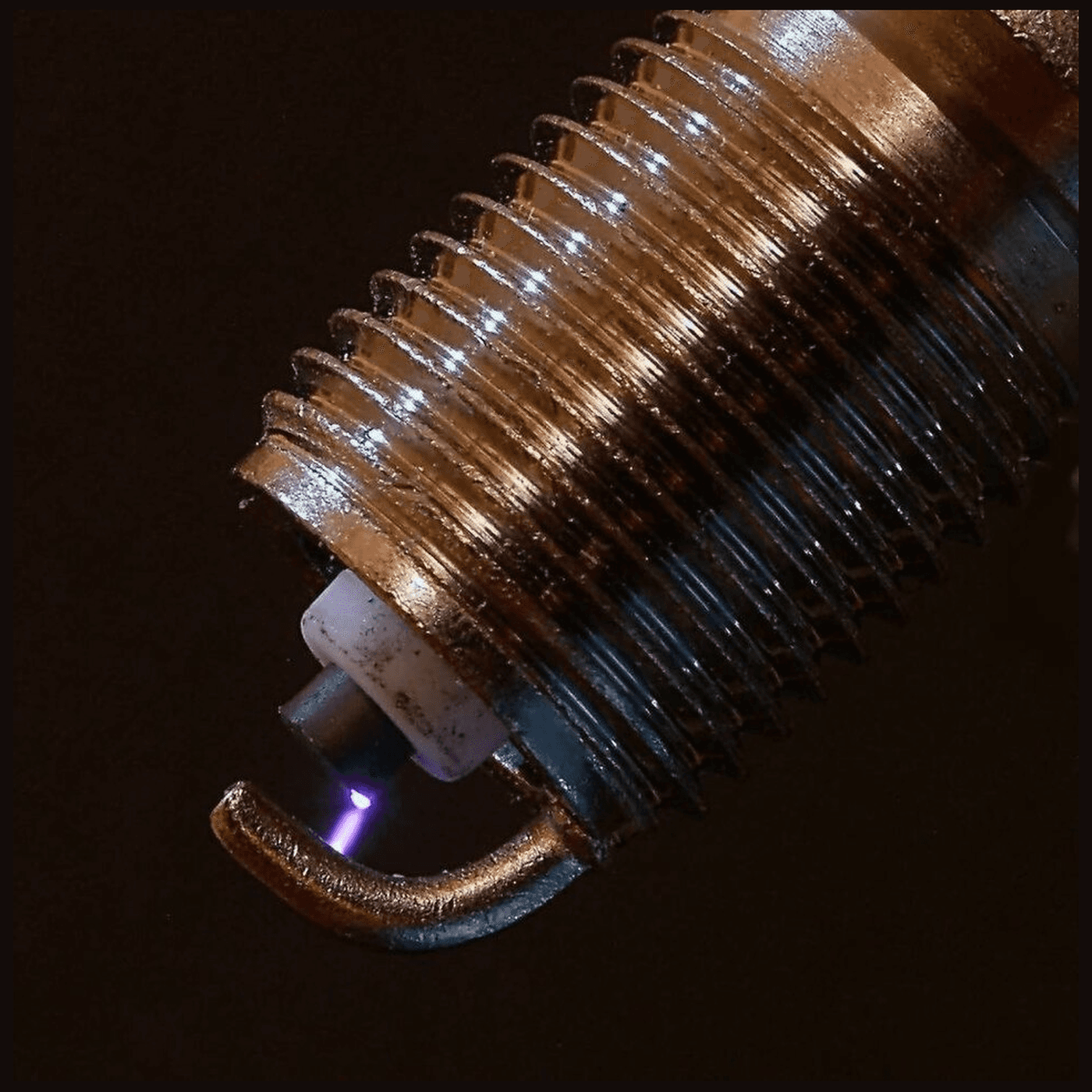
The Magneto and the Spark Plug: Thousands of Volts at the Right Moment
Volt གྱིས
འཕྲུལ་རིག
༢
༠
༠
༠
༠
༠
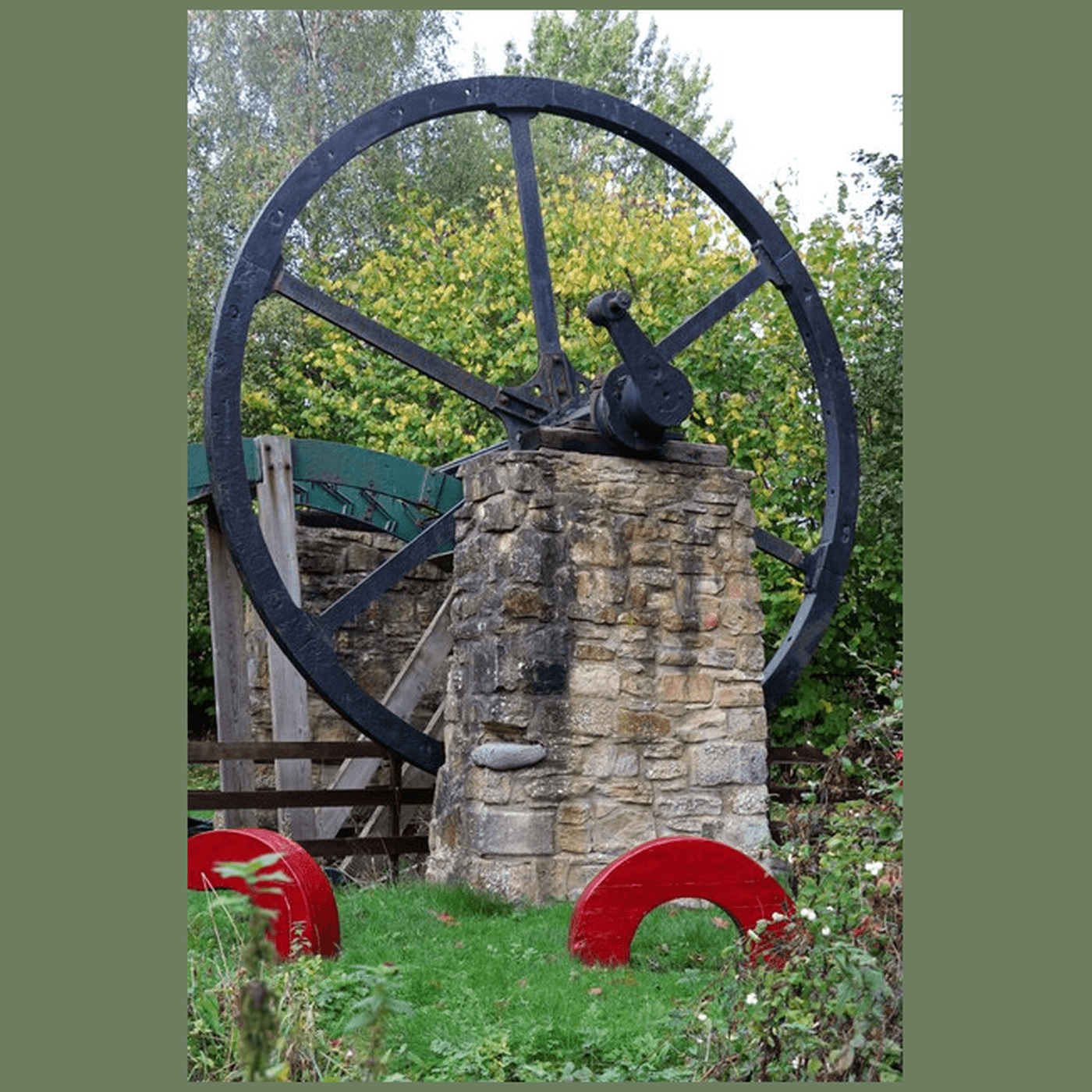
The Crank and the Flywheel: Smoothing One Bang in Two Turns
Martin གྱིས
འཕྲུལ་རིག
༣
༠
༠
༠
༠
༠
CC0 སྤྱི་དབང
བིལུ་པིརིན་ཊི་འདི་CC0 འོག་བཀྲམས་ཡོད། ཁྱེད་རང་གིས་ཆོག་མཆན་མ་བཞེས་པར་ཕབ་ལེན་དང་བཟོ་བཅོས། བགོ་བཤའ། དགོས་མཁོ་གང་ལའང་བཀོལ་སྤྱོད་བྱས་ཆོག
བཟོ་མཁན་ལ་རྒྱབ་སྐྱོར་བྱེད་པའི་ཆེད་ཁོང་ཚོའི་བིལུ་པིརིན་ཊི་བརྒྱུད་ཐོན་སྐྱེད་ཉོ། བཟོ་མཁན་གྱིས བཟོ་མཁན་གྱི་ཁེ་ཕོགས ཚོང་པས་གཏན་འཁེལ་བྱས་པ། ཡང་ན་བིལུ་པིརིན་ཊི་འདིའི་པར་གསར་བཟོས་ཏེ་ཁྱེད་རང་གི་བིལུ་པིརིན་ཊི་ནང་མཐུད་སྦྲེལ་བྱས་ཏེ་ཡོང་སྒོ་བགོ་བཤའ་བྱེད།