སྒྱུ་རྩལ
མཛེས་སྡུག་དང་བདེ་ཐང
བཟོ་རིག
རིག་གནས་དང་ལོ་རྒྱུས
དགའ་སྟོན
ཁོར་ཡུག
ཟས་དང་བཏུང་རྫས
ཕྱིར་འཕྲུལ་རིག
ཚན་རིག
རྩེད་འགྲན
རིག་རྩལ
གྱོན་རུང


The Flexible Shaft: Turning a Tool Round a Corner
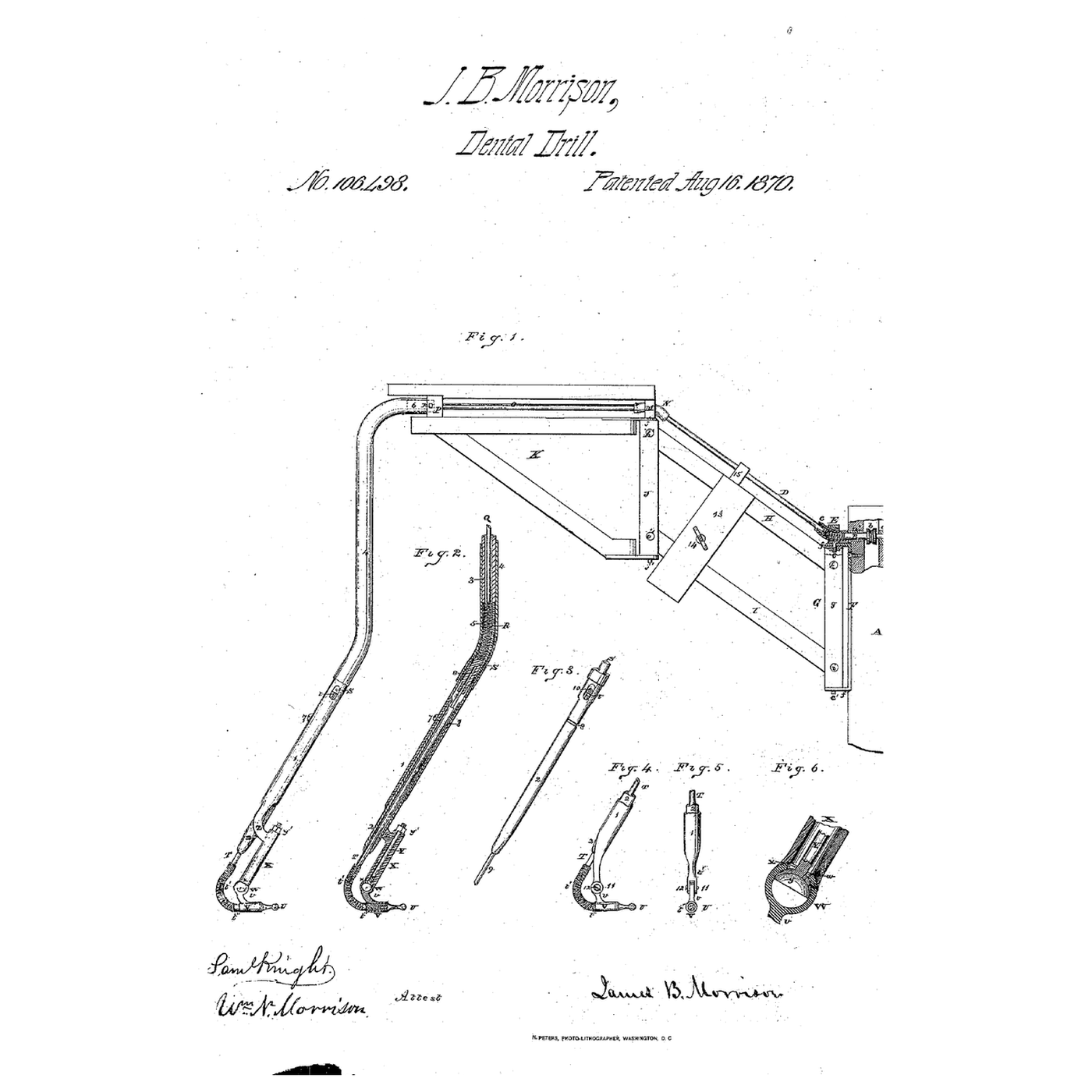
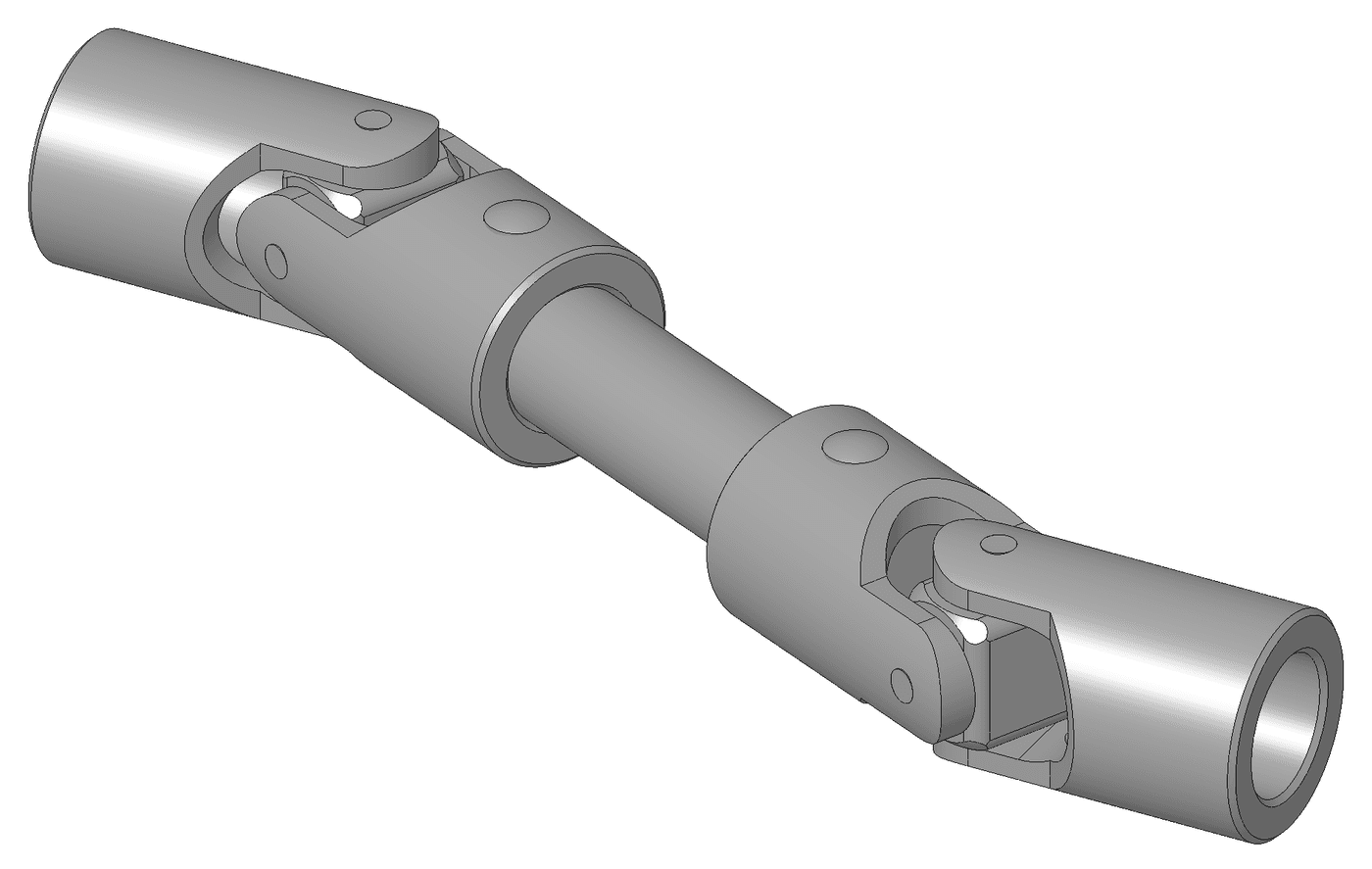
A dentist's drill must reach any tooth at any angle while it spins. A rigid shaft cannot follow the hand; universal joints give a few fixed bends. James B. Morrison of St. Louis tried two answers. His dental engine of 1871 carried the drive by a belt over pivoted, sprung arms. A year earlier his US 106,498, *Improvement in Flexible Shafts*, dated 16 August 1870, carried it through "a wire spiral or helix … enveloped in a short piece of india-rubber pipe, which allows the free flexure of the helix", in sleeves that act as bearings, with an adjustable head holding the bur and a parallel bracket for the instrument tray.
The flexible shaft outlived the dental use: it drives rotary tools, speedometers and hedge trimmers today. This rung works out why only thin wires can bend and keep turning, and makes a flexible shaft from wound spring wire.
འགོ་བཙུགས
About 3 hours
ལམ་སྟོན
1
1
Bending stress, fatigue and torque
Bending stress, fatigue and torque
Jupyter ཚང་དེབ་མངོན་གསལ་འབད་དོ་…
2
2
The sibling: belt over sprung arms
The sibling: belt over sprung arms
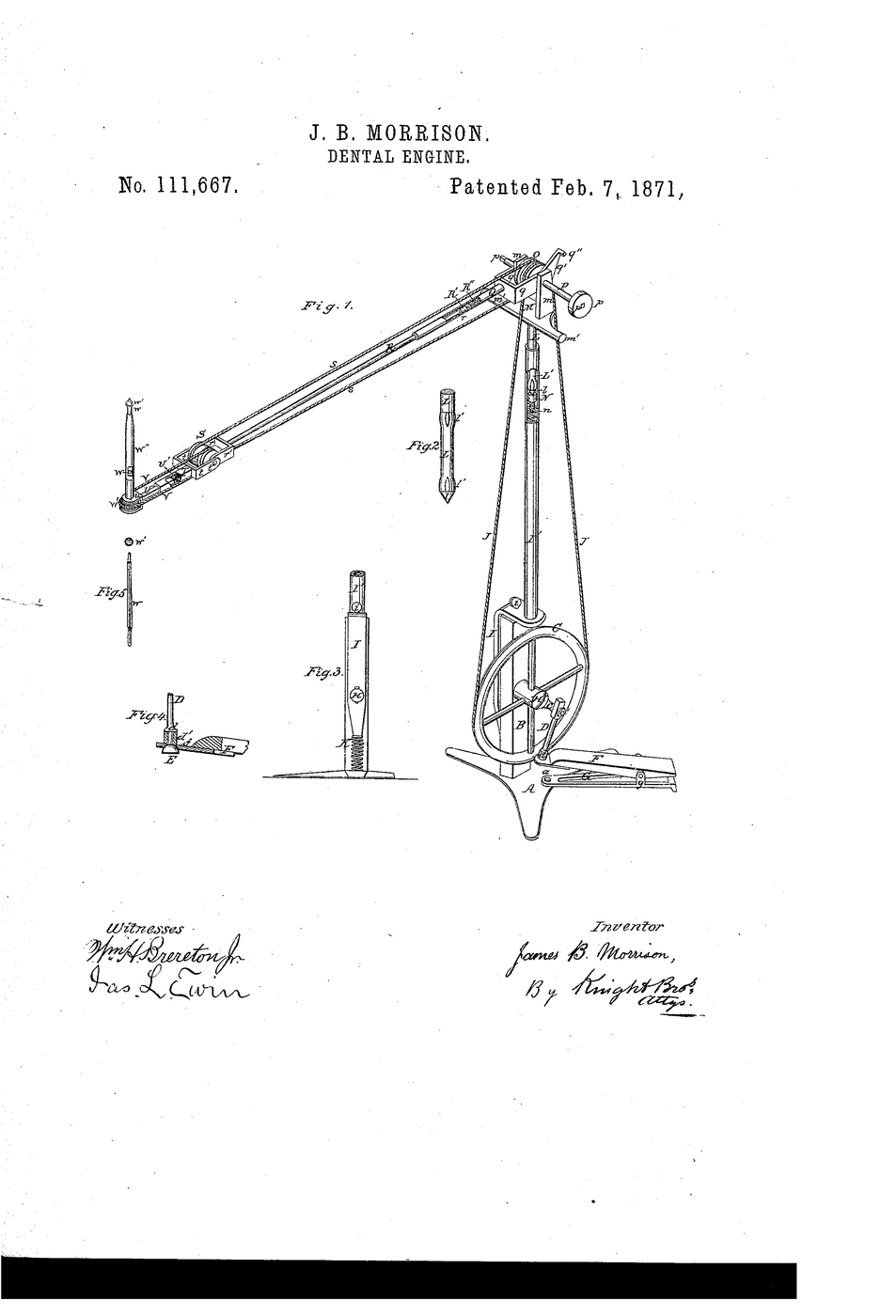
Morrison's other answer to the same problem carries the drive by a belt over pivoted arms. The embedded blueprint builds it; compare the two ways of reaching round a corner.
3
3
Read the 1870 flexible power-conveyer
Read the 1870 flexible power-conveyer
Fig. 1 of US 106,498 shows the apparatus on a stand: a pulley shaft B, joined by a wire helix C in a rubber pipe c to a shaft section D, turning in a swivel-eye E; a double hinged parallel bracket H, I carrying the instrument tray L, which stays level however the bracket swings; and further helix sections R and t′ leading through a sleeve to the socket-head holding the burr U.
The patent's three claims, in order: the flexible shaft with its enveloping sleeve, which gives journal-bearing to the enclosed shaft and the tool; an adjustable head joined to the sleeve by a hinge, so the tool can be set at any angle; and the combination with a parallel bracket that swings, rises and extends.
4
4
Wind a flexible shaft and drive it
Wind a flexible shaft and drive it
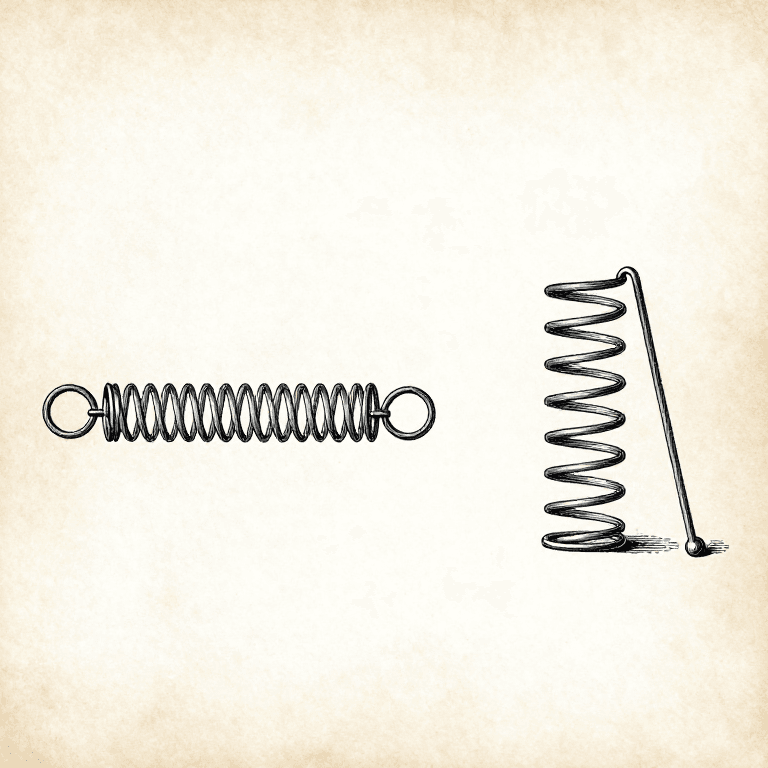
Clamp a 3 mm steel rod in a cordless drill as a mandrel. Clamp one end of a length of 0.8 mm spring steel wire to the rod and, turning the drill slowly, wind a close helix about 400 mm long, every turn touching the last. Slide it off: that is the core.
Push a short length of steel rod into each end and secure it with a dab of solder or a crimped sleeve. Chuck one end in the drill; put a small drill bit in a pin chuck on the other end, held in a length of aluminium tube as the sleeve-bearing.
Bend the core round a 100 mm radius and run the drill in the direction that tightens the coil: the bit turns and will drill soft wood. Reverse the drill: the coil opens, winds up and barely turns the bit. Compare with a commercial rotary-tool flex shaft.
གོམ་པ་འདིའི་རྫས་རིགས:
 སྤིང་ལྕགས་ཀྱི་སྐུད་པ།1 དུམ་བུ།
 ལྕགས་ཀྱི་དབྱུག་གུ་རྗེན་མ1 དུམ་བུ།
 ཨེ་ལུ་མི་ནིཡམ་གྱི་དོང་ཆུ།1 དུམ་བུ།
 གསའ-ཞ་ཡི་ལྷ་ཡིག1 དུམ་བུ།
 འཁོར་བའི་ལག་ཆས་ཀྱི་སྒུར་བཏུབ་གོལ་བ1 དུམ་བུ།
ལག་ཆས་དགོས་མཁོ:
 ཐག་མེད་ཕུག་འཕྲུལ།
 ཕུག་མགོའི་ཚོགས་ཆས།
 ལས་ཅོག་གི་འཛིན་ཆས།
 ཞ་བཏབ་ནིའི་ལྕགས།
 ཀོ་བའི་ལས་ལག་ཤུབས།
 ཉེན་སྲུང་མིག་ཤེལ།
5
5
A flexible shaft that fails
A flexible shaft that fails
Flexible shaft faults.
Flow
Loading...
6
6
History and honest limits
History and honest limits
**James B. Morrison** of St. Louis was granted **US 106,498**, dated 16 August 1870, for his flexible power-conveyer "for dental and other purposes"; his treadle dental engine with sprung arms followed in 1871 (US 111,667). Flexible shafts with multi-layer wire cores now drive rotary tools, instrument cables and garden tools.
**Honest limits.** The bending-stress figures are the simple beam formula for one wire; a real core's stresses depend on its winding. A hand-wound single helix is a demonstration, not a tool shaft — it will not last.
རྫས་རིགས
5- 1 དུམ་བུ།ས་ཆ་འཛིན
- 1 དུམ་བུ།ས་ཆ་འཛིན
- 1 དུམ་བུ།ས་ཆ་འཛིན
- 1 དུམ་བུ།ས་ཆ་འཛིན
- 1 དུམ་བུ།ས་ཆ་འཛིན
ལག་ཆས་དགོས་མཁོ
6- 1 vendor sell this, none ship to you yetས་ཆ་འཛིན
- ས་ཆ་འཛིན
- ས་ཆ་འཛིན
- 2 vendors sell this, none ship to you yetས་ཆ་འཛིན
- ས་ཆ་འཛིན
- ས་ཆ་འཛིན
འབྲེལ་ཡོད་བིལུ་པིརིན་ཊི
བིལུ་པིརིན་ཊི་འདི་ཚུ་ཐབས་ལམ་དང་རྫས་རིགས། སྤྱི་ཆོས་བགོ་བཤའ་བྱེད


CC0 སྤྱི་དབང
བིལུ་པིརིན་ཊི་འདི་CC0 འོག་བཀྲམས་ཡོད། ཁྱེད་རང་གིས་ཆོག་མཆན་མ་བཞེས་པར་ཕབ་ལེན་དང་བཟོ་བཅོས། བགོ་བཤའ། དགོས་མཁོ་གང་ལའང་བཀོལ་སྤྱོད་བྱས་ཆོག
བཟོ་མཁན་ལ་རྒྱབ་སྐྱོར་བྱེད་པའི་ཆེད་ཁོང་ཚོའི་བིལུ་པིརིན་ཊི་བརྒྱུད་ཐོན་སྐྱེད་ཉོ། བཟོ་མཁན་གྱིས བཟོ་མཁན་གྱི་ཁེ་ཕོགས ཚོང་པས་གཏན་འཁེལ་བྱས་པ། ཡང་ན་བིལུ་པིརིན་ཊི་འདིའི་པར་གསར་བཟོས་ཏེ་ཁྱེད་རང་གི་བིལུ་པིརིན་ཊི་ནང་མཐུད་སྦྲེལ་བྱས་ཏེ་ཡོང་སྒོ་བགོ་བཤའ་བྱེད།