སྒྱུ་རྩལ
མཛེས་སྡུག་དང་བདེ་ཐང
བཟོ་རིག
རིག་གནས་དང་ལོ་རྒྱུས
དགའ་སྟོན
ཁོར་ཡུག
ཟས་དང་བཏུང་རྫས
ཕྱིར་འཕྲུལ་རིག
ཚན་རིག
རྩེད་འགྲན
རིག་རྩལ
གྱོན་རུང
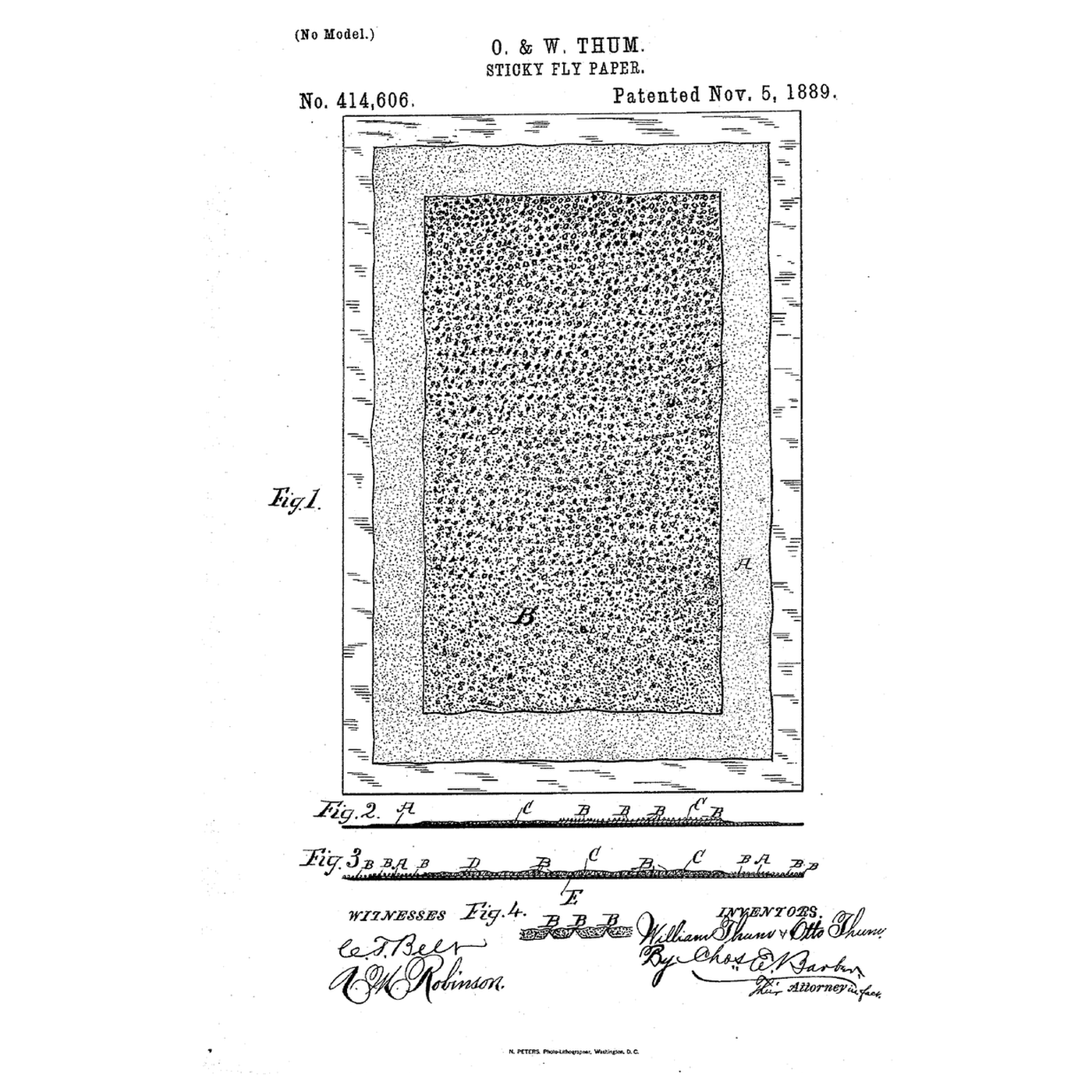


The Gritted Fly-Paper: Sand That Keeps the Sheets Apart
Sticky fly-paper catches flies on a coat of tacky material. Stored face to face in a box, the coat squeezes out and glues the sheets together.
Otto Thum and William Thum of Grand Rapids, Michigan, received US 414,606, dated 5 November 1889 (filed 16 May 1889), for sticky fly-catcher sheets whose surface carries hard projections, "small seeds, ground emery, fragments of any kind of hard resin, or coarse sand", so that the pressure in the box "will fall entirely on them, and thus relieve the sticky material altogether".
This rung computes how a sticky layer squeezes out under a stack, then makes fly-paper and stores it with and without grit.
འགོ་བཙུགས
About 2 hours
ལམ་སྟོན
1
1
Squeezed out, or held apart
Squeezed out, or held apart
Jupyter ཚང་དེབ་མངོན་གསལ་འབད་དོ་…
2
2
Where the sticky comes from
Where the sticky comes from
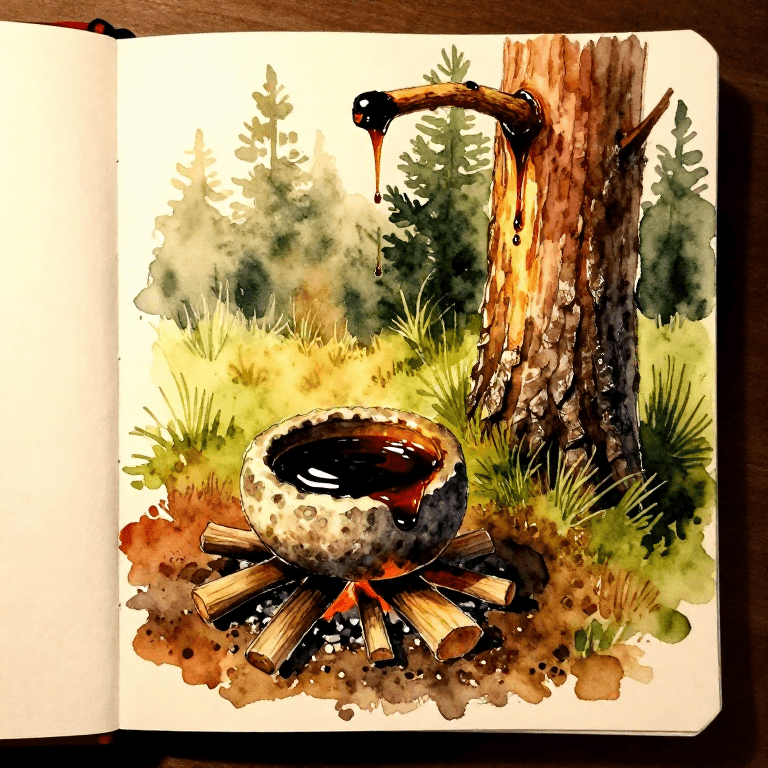
The embedded blueprint collects pine resin, the raw material of the tacky coats; the Thums also name hard resin as a grit.
3
3
Read US 414,606
Read US 414,606
"The objects of the invention are to prevent the sticky material from spreading or running over the clean margin and onto the back of the sheets while the paper is kept in stock; also, to keep the sticky material evenly distributed on the sheet while it is kept in stock."
"We may use small seeds, ground emery, fragments of any kind of hard resin, or coarse sand; or any kind of hard material not soluble in sticky material, or only slightly so, will serve the purpose".
"For the purpose of shipping, there are from twenty-five to fifty sheets of fly-paper packed in a box. A considerable pressure is borne by the lower sheets, but if the proper-sized particles exist on the inner surface of the paper the pressure will fall entirely on them, and thus relieve the sticky material altogether".
4
4
Making it, as a program
Making it, as a program
Blockly གི་ལཱ་གི་ས་གནས
Loading Blockly workspace...
5
5
Stack it and see
Stack it and see
Make the strips as in the program. Stack the sanded ones in one pile and the plain ones in another, face to face, and put the same weight on each.
After a day and again after a week, peel the piles apart. Note which peel clean, which tear, and how far the sticky has crept onto the margins. Hang one strip of each where flies gather and count the catch.
གོམ་པ་འདིའི་རྫས་རིགས:
 ཀྲ་ཕིཊ་ཤོག་ཀུ་སྒྲིལ་མ (སྨུག་པོ)1 དུམ་བུ།
 ཀ་ར་དཀརཔོ།100 g
 གསེར་མདོག་གི་ཁ་ཟས་མངར་ཁུ།1 དུམ་བུ།
 བྱེ་མ་ཞིབ་མོ།50 g
 ཆུ།1 དུམ་བུ།
ལག་ཆས་དགོས་མཁོ:
 སྦྲང་བུ་སྦྱར་བའི་ཤོག་བུ།
 ཟངས
ཟངས ཇེམ་ཙི།
 ལྗིད་ཚད
 ཐིག་ཤིང་།
6
6
Fly-paper that runs, dries or catches nothing
Fly-paper that runs, dries or catches nothing
Fly-paper troubleshooting.
Flow
Loading...
7
7
History and honest limits
History and honest limits
**Otto Thum** and **William Thum** of Grand Rapids, Michigan, filed US 414,606 on 16 May 1889; it is dated 5 November 1889.
**Honest limits.** Stefan's law is for a round, flat, even layer of a simple liquid; real sticky coats are neither round nor simple liquids, and the edges of a stack do not all carry the same weight. Viscosity and sizes are examples. What peels clean is the measurement.
རྫས་རིགས
5- 1 དུམ་བུ།ས་ཆ་འཛིན
- 100 gས་ཆ་འཛིན
- 1 དུམ་བུ།ས་ཆ་འཛིན
- 50 gས་ཆ་འཛིན
- 1 དུམ་བུ།ས་ཆ་འཛིན
འབྲེལ་ཡོད་བིལུ་པིརིན་ཊི
བིལུ་པིརིན་ཊི་འདི་ཚུ་ཐབས་ལམ་དང་རྫས་རིགས། སྤྱི་ཆོས་བགོ་བཤའ་བྱེད



CC0 སྤྱི་དབང
བིལུ་པིརིན་ཊི་འདི་CC0 འོག་བཀྲམས་ཡོད། ཁྱེད་རང་གིས་ཆོག་མཆན་མ་བཞེས་པར་ཕབ་ལེན་དང་བཟོ་བཅོས། བགོ་བཤའ། དགོས་མཁོ་གང་ལའང་བཀོལ་སྤྱོད་བྱས་ཆོག
བཟོ་མཁན་ལ་རྒྱབ་སྐྱོར་བྱེད་པའི་ཆེད་ཁོང་ཚོའི་བིལུ་པིརིན་ཊི་བརྒྱུད་ཐོན་སྐྱེད་ཉོ། བཟོ་མཁན་གྱིས བཟོ་མཁན་གྱི་ཁེ་ཕོགས ཚོང་པས་གཏན་འཁེལ་བྱས་པ། ཡང་ན་བིལུ་པིརིན་ཊི་འདིའི་པར་གསར་བཟོས་ཏེ་ཁྱེད་རང་གི་བིལུ་པིརིན་ཊི་ནང་མཐུད་སྦྲེལ་བྱས་ཏེ་ཡོང་སྒོ་བགོ་བཤའ་བྱེད།