སྒྱུ་རྩལ
མཛེས་སྡུག་དང་བདེ་ཐང
བཟོ་རིག
རིག་གནས་དང་ལོ་རྒྱུས
དགའ་སྟོན
ཁོར་ཡུག
ཟས་དང་བཏུང་རྫས
ཕྱིར་འཕྲུལ་རིག
ཚན་རིག
རྩེད་འགྲན
རིག་རྩལ
གྱོན་རུང



The Helical Spring Toy: A Spring Too Soft to Hurry
A helical spring that walks down stairs by itself, flowing its turns from one end to the other, looks like magic. It is careful proportion: flat wire, turns that just touch without pressing on each other, and a stiffness so low for its weight that every motion is slow enough to see.
Richard T. James of Upper Darby, Pennsylvania, assignor to James Industries, filed US 2,415,012, *Toy and Process of Use*, on 21 August 1946; it was granted 28 January 1947. The patent sets out the proportions: a flat cross-section about four times as wide as it is thick, a coil diameter about thirty times that width, no compression between turns at rest, and a natural frequency between 10 and 100 cycles a minute.
This rung works out why that combination walks, and measures a spring toy's stiffness and waves.
འགོ་བཙུགས
About 2 hours
ལམ་སྟོན
1
1
Natural frequency and slow waves
Natural frequency and slow waves
Jupyter ཚང་དེབ་མངོན་གསལ་འབད་དོ་…
2
2
Stiffness first
Stiffness first
The toy's whole behaviour follows from its stiffness. The embedded blueprint measures a spring's stiffness by Hooke's law.
3
3
Measure it and make it walk
Measure it and make it walk
Weigh the spring. Hang it from one end and measure how far it stretches under its own weight, then add a 50 g mass and measure again: the extra stretch gives its stiffness. Bounce it gently and time twenty oscillations: compare with the notebook's formula.
Stretch it along a smooth floor with a partner holding the far end, flick one end sideways and time the pulse across; stretch it further and time again.
Finally, set it on the top step of a flight of stairs with even treads, pull the top turns over to the next step, and let go. Try steps of different heights: too low and it stalls, too high and it tumbles.
གོམ་པ་འདིའི་རྫས་རིགས:
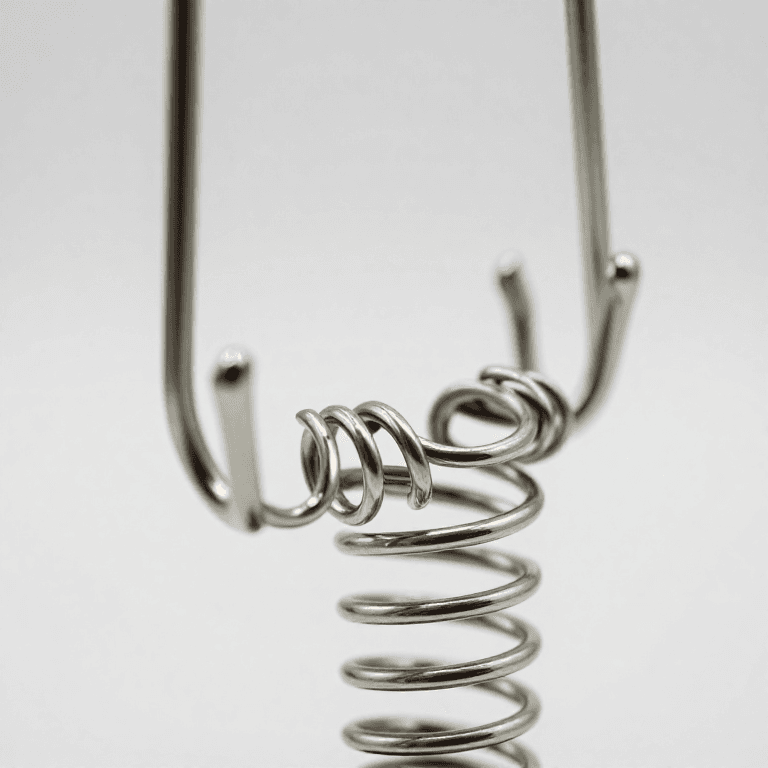
 སི་ལིང་ཀི་ཤུགས་སྒྲིལ(ལྕགས)1 དུམ་བུ།
ལག་ཆས་དགོས་མཁོ:
 ཨང་རྟགས་ཐབ་ཚང་སྲང་།
 འཇལ་ཐག
 ཆུ་ཚོད་བཀག་ཆས།
 ལྗིད་ཚད
4
4
A spring toy that will not walk
A spring toy that will not walk
Why a spring toy stalls on the stairs.
Flow
Loading...
5
5
History and honest limits
History and honest limits
**Richard T. James**, a naval engineer, filed **US 2,415,012** on 21 August 1946, assigned to James Industries of Philadelphia; it was granted 28 January 1947. The toy was sold as the Slinky.
**Honest limits.** The oscillation and wave formulas treat the spring as uniform and ignore the turns' contact at rest; the real toy's collapsed turns make its behaviour richer than the model. The mass in the notebook is illustrative — weigh yours.
རྫས་རིགས
1- སི་ལིང་ཀི་ཤུགས་སྒྲིལ(ལྕགས)ཁེ་ཕོགས 10%1 དུམ་བུ།ས་ཆ་འཛིན
འབྲེལ་ཡོད་བིལུ་པིརིན་ཊི
བིལུ་པིརིན་ཊི་འདི་ཚུ་ཐབས་ལམ་དང་རྫས་རིགས། སྤྱི་ཆོས་བགོ་བཤའ་བྱེད


CC0 སྤྱི་དབང
བིལུ་པིརིན་ཊི་འདི་CC0 འོག་བཀྲམས་ཡོད། ཁྱེད་རང་གིས་ཆོག་མཆན་མ་བཞེས་པར་ཕབ་ལེན་དང་བཟོ་བཅོས། བགོ་བཤའ། དགོས་མཁོ་གང་ལའང་བཀོལ་སྤྱོད་བྱས་ཆོག
བཟོ་མཁན་ལ་རྒྱབ་སྐྱོར་བྱེད་པའི་ཆེད་ཁོང་ཚོའི་བིལུ་པིརིན་ཊི་བརྒྱུད་ཐོན་སྐྱེད་ཉོ། བཟོ་མཁན་གྱིས བཟོ་མཁན་གྱི་ཁེ་ཕོགས ཚོང་པས་གཏན་འཁེལ་བྱས་པ། ཡང་ན་བིལུ་པིརིན་ཊི་འདིའི་པར་གསར་བཟོས་ཏེ་ཁྱེད་རང་གི་བིལུ་པིརིན་ཊི་ནང་མཐུད་སྦྲེལ་བྱས་ཏེ་ཡོང་སྒོ་བགོ་བཤའ་བྱེད།