སྒྱུ་རྩལ
མཛེས་སྡུག་དང་བདེ་ཐང
བཟོ་རིག
རིག་གནས་དང་ལོ་རྒྱུས
དགའ་སྟོན
ཁོར་ཡུག
ཟས་དང་བཏུང་རྫས
ཕྱིར་འཕྲུལ་རིག
ཚན་རིག
རྩེད་འགྲན
རིག་རྩལ
གྱོན་རུང
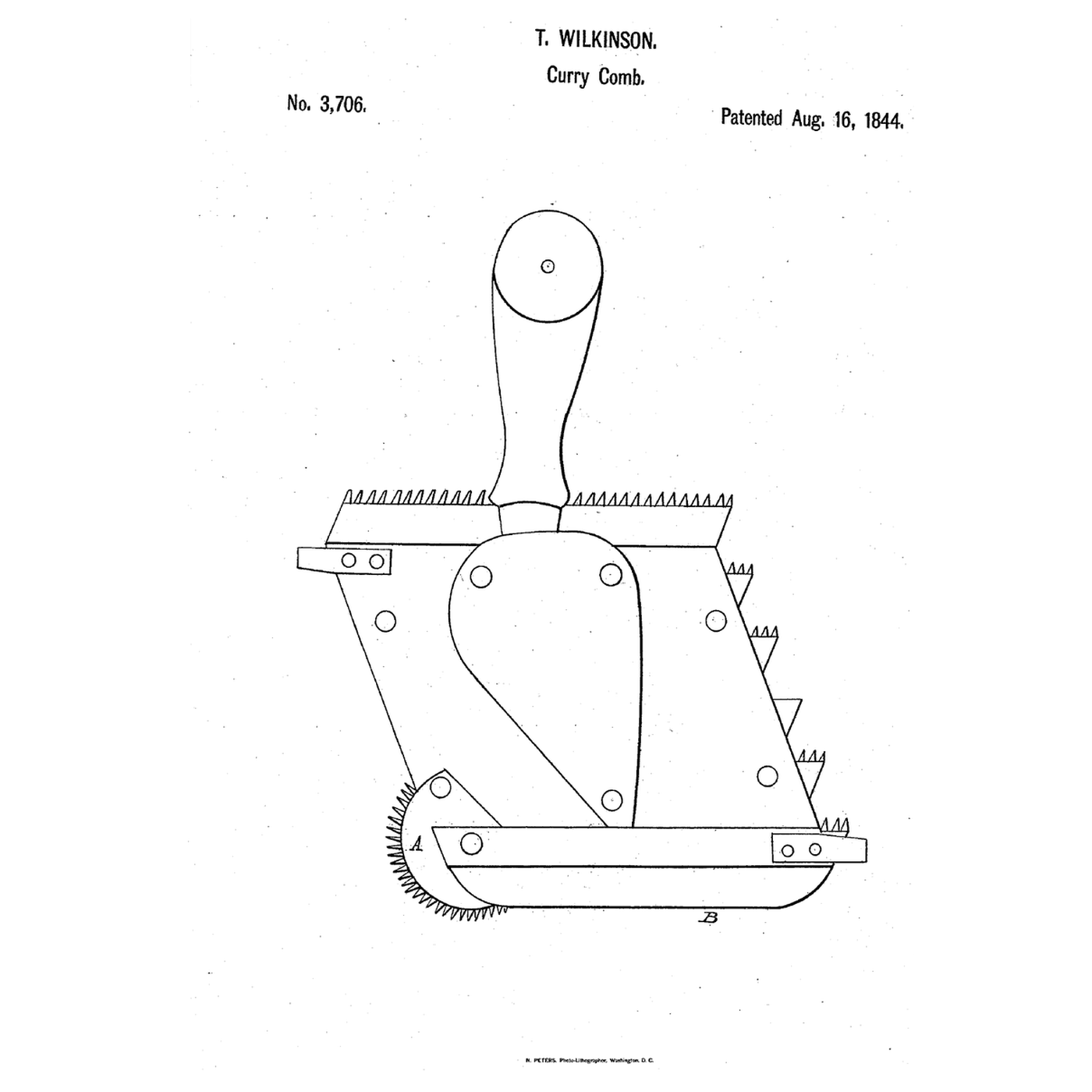


The Hock Curry Comb: A Toothed Half-Circle for the Hollows
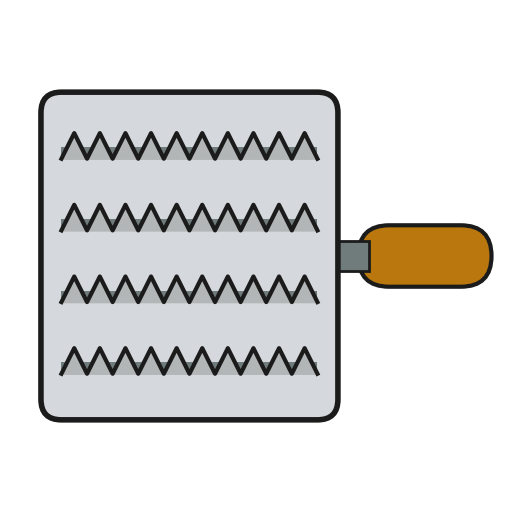
A curry comb is rows of toothed metal strips on a back with a handle. Its rows are straight, and a horse is not: the hollows about its joints are where straight teeth cannot reach.
Thomas Wilkinson of Cambridge, New York, received US 3,706, dated 16 August 1844, for a curry comb "by which the operation of cleaning the concavities of the gambrel and posterior joints and of various other situations about horses is greatly facilitated": a serrated semicircular plate added at one corner, and a blade three fourths of an inch wide on the back as a scraper.
This rung works out how far a straight row stands off a hollow, then makes a sheet-metal curry comb with a toothed half-circle and a scraper, and measures the gap on curved forms.
བར་མ
About 4 hours
ལམ་སྟོན
1
1
Straight teeth in a hollow
Straight teeth in a hollow
Jupyter ཚང་དེབ་མངོན་གསལ་འབད་དོ་…
2
2
Teeth cut into a flat blade
Teeth cut into a flat blade
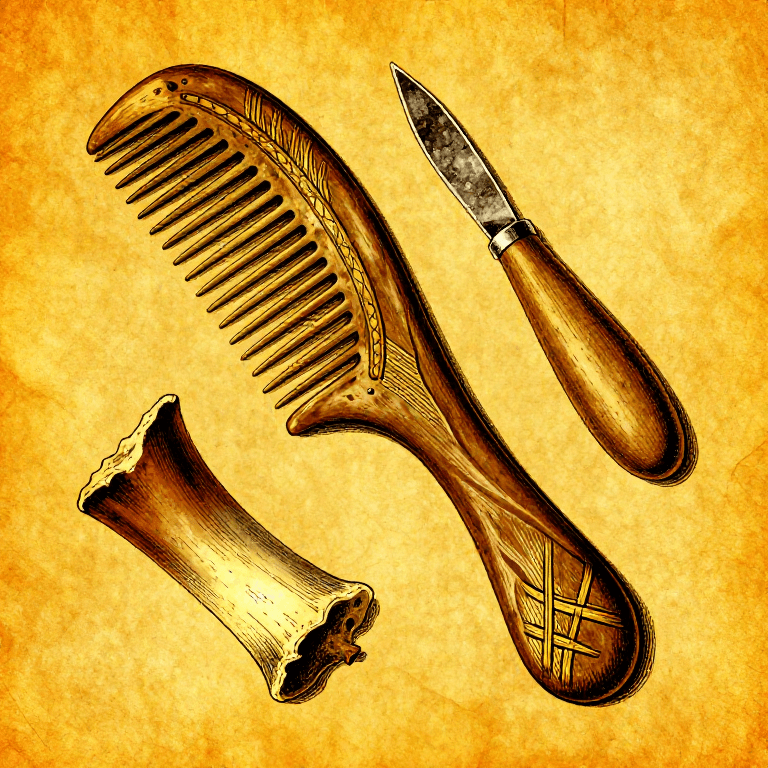
The embedded blueprint cuts teeth into a flat antler blade. Wilkinson's comb uses rows of such teeth in metal, and curves one of them.
3
3
Read US 3,706
Read US 3,706
"The nature of my invention consists in the addition of a serrated semi-circular plate to the corner formed by the intersection of the top and the right-hand margin", "and also of a blade, B three fourths of an inch in width, erected upon the back, extending from the aforesaid corner, on a line with the top, to its intersection with the left-hand margin, designed as a scraper, to remove any uncleanness; both to be made of the same metal of which the body is constructed."
"What I claim, is—Combining with the common curry-comb, the serrated semi-circular plate, and the scraper, in the manner described."
4
4
Make the comb and measure the gap
Make the comb and measure the gap
Wear gloves and glasses: cut sheet edges are sharp. From 1 mm aluminium sheet cut a back 10 × 12 cm and four strips 10 × 2.5 cm. On each strip mark teeth 3 mm apart along one long edge and file them with a triangular needle file. Bend a 5 mm foot along the other edge in the vice.
Rivet the strips by their feet across the back, 2.5 cm apart, teeth outward. Cut a half-circle of 3 cm radius, file teeth round its curve, bend a foot on its straight side and rivet it upright at one corner. Rivet a plain blade 2 cm tall along the top edge as the scraper. Screw a hardwood handle across the back.
Lay a straight row across the inside of a cut PVC pipe and read the gap under its middle with the feeler gauges; then try the half-circle in the same pipe. Measure the pipe's inside radius with the caliper and compare with the notebook.
གོམ་པ་འདིའི་རྫས་རིགས:
 ཨེལུ་མི་ནི་ཡམ་གྱི་ལེབ་ཤོག1 དུམ་བུ།
 འཐེན་གཟེར16 དུམ་བུ།
 ཤིང་སྲ་བའི་པང་ལེབ།1 དུམ་བུ།
 ཤིང་གི་སྒྲོག2 དུམ་བུ།
ལག་ཆས་དགོས་མཁོ:
 རྟ་གི་སོ་ཤད
 ལྕགས་ལེབ་གཏུབ་ནིའི་ཇེམ་ཙི།
 ཁབ་དར་མའི་ཚོགས་ཆས།
 ལས་ཅོག་གི་འཛིན་ཆས།
 གཟེར་འཕེན་མདའ་ཆས་ཀྱི་ཆ་ཚང་
 ཐག་མེད་ཕུག་འཕྲུལ།
 ཕུག་མགོའི་ཚོགས་ཆས།
 PVC སྦུག་མ།
 བར་སྟོང་ཚད་འཇལ་ཆས་ཆ་ཚང་།
 ཨང་རྟགས་ཚད་འཇལ་ཆས་ ཨིནཅི 6
 ཀོ་བའི་ལས་ལག་ཤུབས།
 གསལ་བའི་ཉེན་སྲུང་མིག་ཤེལ།
5
5
A comb that snags or will not reach
A comb that snags or will not reach
Hock curry comb troubleshooting.
Flow
Loading...
6
6
History and honest limits
History and honest limits
**Thomas Wilkinson** of Cambridge, Washington County, New York, received US 3,706, dated 16 August 1844. His claim is the combination only: the curry comb itself was already "the common curry-comb".
**Honest limits.** The notebook treats the hollow as part of a circle. Aluminium and rivets stand in for the metal of the period. Radii are examples; your gap readings are the result.
རྫས་རིགས
4- 1 དུམ་བུ།ས་ཆ་འཛིན
- 16 དུམ་བུ།ས་ཆ་འཛིན
- 1 དུམ་བུ།ས་ཆ་འཛིན
- 2 དུམ་བུ།ས་ཆ་འཛིན
ལག་ཆས་དགོས་མཁོ
12- ས་ཆ་འཛིན
- ས་ཆ་འཛིན
- ས་ཆ་འཛིན
- ས་ཆ་འཛིན
- ས་ཆ་འཛིན
- 1 vendor sell this, none ship to you yetས་ཆ་འཛིན
- ས་ཆ་འཛིན
- ས་ཆ་འཛིན
- ས་ཆ་འཛིན
- ས་ཆ་འཛིན
- ས་ཆ་འཛིན
- ས་ཆ་འཛིན
འབྲེལ་ཡོད་བིལུ་པིརིན་ཊི
བིལུ་པིརིན་ཊི་འདི་ཚུ་ཐབས་ལམ་དང་རྫས་རིགས། སྤྱི་ཆོས་བགོ་བཤའ་བྱེད

CC0 སྤྱི་དབང
བིལུ་པིརིན་ཊི་འདི་CC0 འོག་བཀྲམས་ཡོད། ཁྱེད་རང་གིས་ཆོག་མཆན་མ་བཞེས་པར་ཕབ་ལེན་དང་བཟོ་བཅོས། བགོ་བཤའ། དགོས་མཁོ་གང་ལའང་བཀོལ་སྤྱོད་བྱས་ཆོག
བཟོ་མཁན་ལ་རྒྱབ་སྐྱོར་བྱེད་པའི་ཆེད་ཁོང་ཚོའི་བིལུ་པིརིན་ཊི་བརྒྱུད་ཐོན་སྐྱེད་ཉོ། བཟོ་མཁན་གྱིས བཟོ་མཁན་གྱི་ཁེ་ཕོགས ཚོང་པས་གཏན་འཁེལ་བྱས་པ། ཡང་ན་བིལུ་པིརིན་ཊི་འདིའི་པར་གསར་བཟོས་ཏེ་ཁྱེད་རང་གི་བིལུ་པིརིན་ཊི་ནང་མཐུད་སྦྲེལ་བྱས་ཏེ་ཡོང་སྒོ་བགོ་བཤའ་བྱེད།