སྒྱུ་རྩལ
མཛེས་སྡུག་དང་བདེ་ཐང
བཟོ་རིག
རིག་གནས་དང་ལོ་རྒྱུས
དགའ་སྟོན
ཁོར་ཡུག
ཟས་དང་བཏུང་རྫས
ཕྱིར་འཕྲུལ་རིག
ཚན་རིག
རྩེད་འགྲན
རིག་རྩལ
གྱོན་རུང
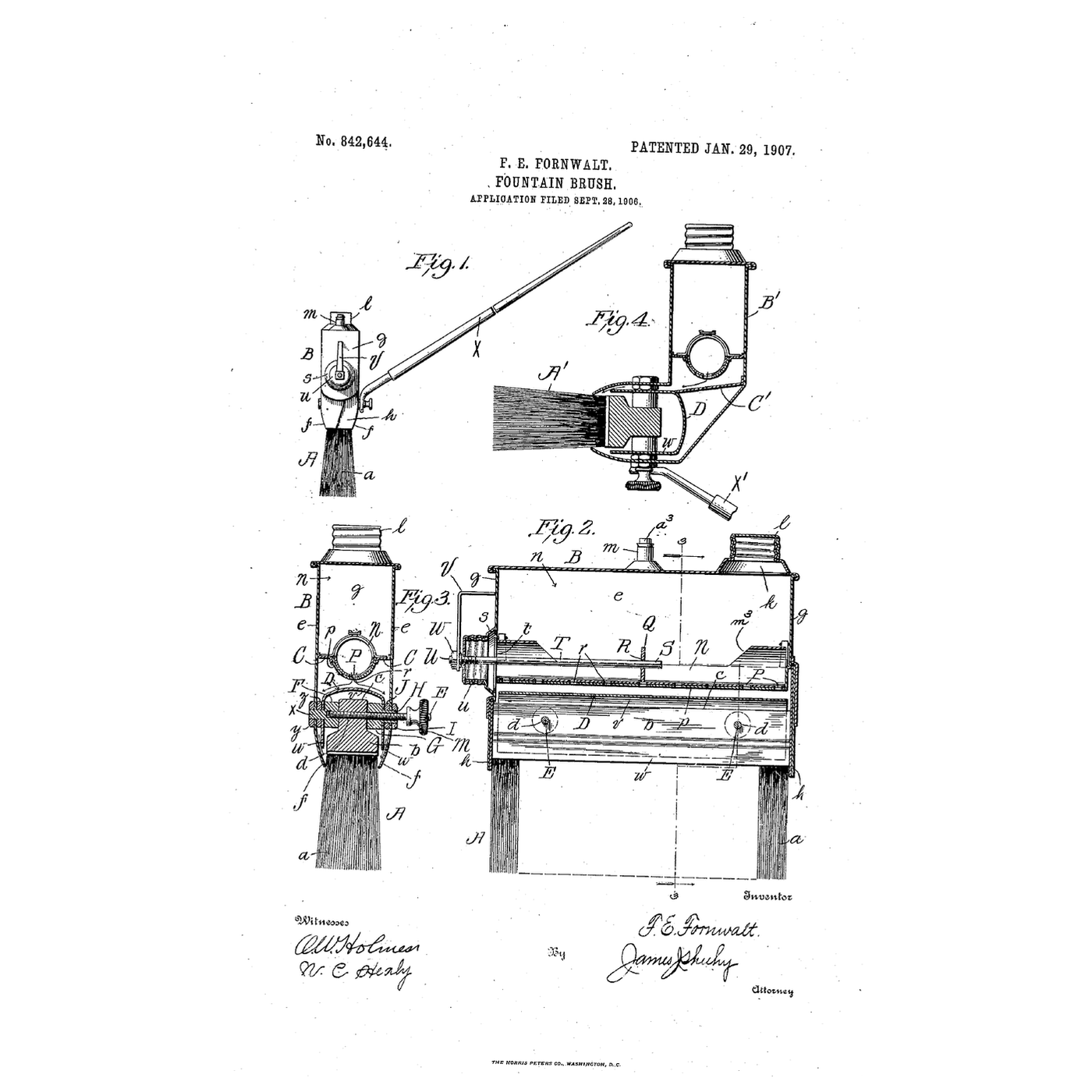

The Hooded Fountain Paint Brush: A Dome Shares the Paint Between Both Sides
Paint fed into the middle of a brush clogs its head, and one side of the bristles runs dry.
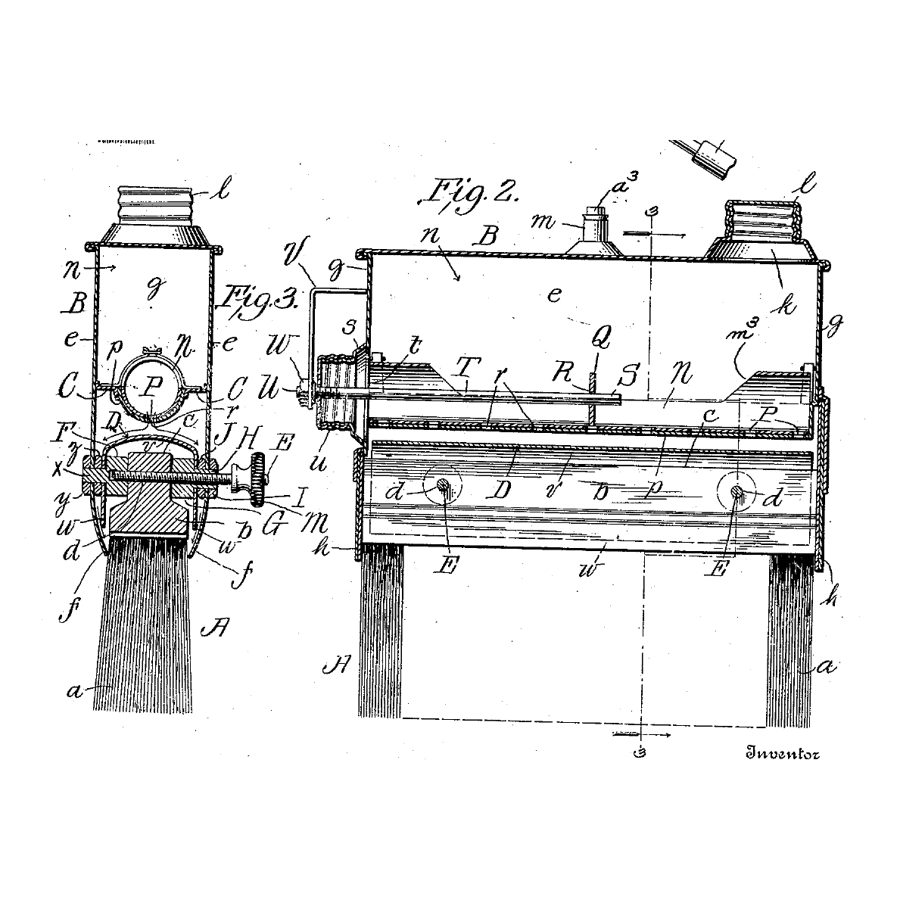
Franklin E. Fornwalt of Harrisburg, Pennsylvania, received US 842,644, patented 29 January 1907, for a fountain brush "for applying paint": a tin holder clamped over the brush carries a reservoir whose floor has a row of apertures under a hollow turning valve, and below it a hood whose dome sends equal paint to both sides of the bristles.
This rung works out the flow a brush needs, then folds the holder from aluminium sheet over a 120 mm brush and measures the paint it lays on each side of a stroke.
བར་མ
About 5 hours
ལམ་སྟོན
1
1
Paint the brush needs
Paint the brush needs
Jupyter ཚང་དེབ་མངོན་གསལ་འབད་དོ་…
2
2
A turned perforated tube before it
A turned perforated tube before it
The embedded blueprint turns a perforated tube to change how water leaves a brush. Fornwalt turns a perforated valve to open or close a row of holes over a hood.
3
3
Read US 842,644
Read US 842,644
"In virtue of the provision of the said hood D paint is effectually prevented from getting on the brush-head b, and at the same time liability of the brush becoming choked and impaired is reduced to a minimum. It will also be apparent that the hood D conveys an equal quantity of paint to each side of the body of bristles a and assures the paint reaching the sides of the body of bristles in the form of thin layers, which obviously contributes materially to the efficiency of the fountain-brush as a whole."
4
4
Fold the tank
Fold the tank
Fold aluminium sheet into a box 160 × 60 × 70 mm with a lid. Rivet the seams and seal them inside with silicone. Cut a 25 mm filling hole in the lid.
གོམ་པ་འདིའི་རྫས་རིགས:
 ཨེལུ་མི་ནི་ཡམ་གྱི་ལེབ་ཤོག1 དུམ་བུ།
 འཐེན་གཟེར1 དུམ་བུ།
 སི་ལི་ཀོན་གྱི་ཁ་རྒྱ།1 དུམ་བུ།
ལག་ཆས་དགོས་མཁོ:
 ལྕགས་ལེབ་གཏུབ་ནིའི་ཇེམ་ཙི།
 ཁ་ལེབ་ཀྱི་ལྕགས་ཀྱིབ།
 ལས་ཅོག་གི་འཛིན་ཆས།
 གཟེར་འཕེན་མདའ་ཆས་ཀྱི་ཆ་ཚང་
 ཐག་མེད་ཕུག་འཕྲུལ།
 ཕུག་མགོའི་ཚོགས་ཆས།
 བུ་ག་སོག་ལེའི་ཆ་ཚང་།
 ཀོ་བའི་ལས་ལག་ཤུབས།
5
5
Drill the floor
Drill the floor
Drill six 3 mm holes along the floor's centre line, 20 mm apart.
ལག་ཆས་དགོས་མཁོ:
ཐག་མེད་ཕུག་འཕྲུལ།ཕུག་མགོའི་ཚོགས་ཆས། རྟག་བརྟན་གྱི་སྨྱུ་གུ
 ཐིག་ཤིང་།
6
6
Make the turning valve
Make the turning valve
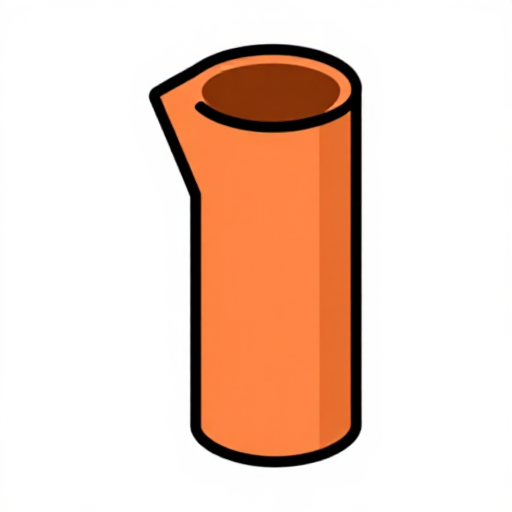
Cut 200 mm of 10 mm copper tube. Drill six 3 mm holes in a line to match the floor's, and file a 6 mm slot along the opposite side. Pass it through both end walls just above the floor and bend one end into a crank.
གོམ་པ་འདིའི་རྫས་རིགས:
 ཟངས་ཀྱི་སྦུག་མ།1 དུམ་བུ།
ལག་ཆས་དགོས་མཁོ:
 ལྕགས་གཏུབ་སོག་ལེ།ཐག་མེད་ཕུག་འཕྲུལ།ཕུག་མགོའི་ཚོགས་ཆས།
 བཤེར་ཆས (ལག་པའི་བཤེར་ཆས)ལས་ཅོག་གི་འཛིན་ཆས།
7
7
Fold the hood
Fold the hood
Bend an aluminium strip into a ridge with 40° sides and rivet it under the floor, its peak under the holes.
གོམ་པ་འདིའི་རྫས་རིགས:
ཨེལུ་མི་ནི་ཡམ་གྱི་ལེབ་ཤོག1 དུམ་བུ།འཐེན་གཟེར1 དུམ་བུ།ལག་ཆས་དགོས་མཁོ:
ལས་ཅོག་གི་འཛིན་ཆས།གཟེར་འཕེན་མདའ་ཆས་ཀྱི་ཆ་ཚང་8
8
Clamp on the brush
Clamp on the brush
Rivet two side skirts below the tank. Drill them and a 120 mm brush's stock for two M6 bolts, and clamp the brush between the skirts with nuts so their lower edges rest on the bristles.
གོམ་པ་འདིའི་རྫས་རིགས:
 ཚོན་པིར་གྱི་ཆ་ཚན།1 དུམ་བུ།
 ཟུར་དྲུག་སྐྱོགས་ཤིང་གི་བསྡུ་ཚན།1 དུམ་བུ།
 ཟུར་དྲུག་གི་ནཊ།1 དུམ་བུ།
 ལེབ་ཏོག་ཏོའི་ཝཱ་ཤར།1 དུམ་བུ།འཐེན་གཟེར1 དུམ་བུ།
ལག་ཆས་དགོས་མཁོ:
ཐག་མེད་ཕུག་འཕྲུལ།ཕུག་མགོའི་ཚོགས་ཆས། ཚད་བསྒྱུར་ཚུགས་པའི་མཐེབ་ལྕགས།
9
9
The patent drawing
The patent drawing
US 842,644 drawing sheet, public domain (expired patent).
10
10
Paint and weigh
Paint and weigh
Fill the tank with thinned acrylic paint. Weigh a plywood board, open the valve half, and paint one 1 m stroke each way. Weigh it again; compare how wet each side of the bristles is.
གོམ་པ་འདིའི་རྫས་རིགས:
 ཨེ་ཀི་རི་ལིཀ་ཚོན་གྱི་ཆ་ཚང་།1 དུམ་བུ།
 ཆུ།1 དུམ་བུ།
 ཤིང་ལེབ་སྦྱར་མ།1 དུམ་བུ།
ལག་ཆས་དགོས་མཁོ:
 ཨང་རྟགས་ཐབ་ཚང་སྲང་།
 འཇལ་ཐག
 ཆུ་ཚོད་བཀག་ཆས།
11
11
A brush that clogs, floods or paints one side
A brush that clogs, floods or paints one side
Hooded fountain paint brush troubleshooting.
Flow
Loading...
12
12
History and honest limits
History and honest limits
**Franklin E. Fornwalt** of Harrisburg, Pennsylvania, filed US 842,644 on 28 September 1906; it was patented 29 January 1907. His holder is preferably tin; bolts through the brush head with thumb nuts press the side walls in against the bristles, and removing them lets the brush be replaced. A connection may take a hose from a paint supply or compressed air. A right-angled form paints vertical surfaces, feeding the upper side of the bristles only.
**Honest limits.** Riveted aluminium stands in for his tin, and plain nuts for his thumb nuts. Your weights are the result.
རྫས་རིགས
11- 1 དུམ་བུ།ས་ཆ་འཛིན
- 3 དུམ་བུ།ས་ཆ་འཛིན
- 1 དུམ་བུ།ས་ཆ་འཛིན
- 1 དུམ་བུ།ས་ཆ་འཛིན
- 1 དུམ་བུ།ས་ཆ་འཛིན
- 1 དུམ་བུ།ས་ཆ་འཛིན
- 1 དུམ་བུ།ས་ཆ་འཛིན
- 1 དུམ་བུ།ས་ཆ་འཛིན
- 1 དུམ་བུ།ས་ཆ་འཛིན
- 1 དུམ་བུ།ས་ཆ་འཛིན
- 1 དུམ་བུ།ས་ཆ་འཛིན
ལག་ཆས་དགོས་མཁོ
16- ས་ཆ་འཛིན
- ས་ཆ་འཛིན
- ས་ཆ་འཛིན
- ས་ཆ་འཛིན
- 1 vendor sell this, none ship to you yetས་ཆ་འཛིན
- ས་ཆ་འཛིན
- ས་ཆ་འཛིན
- ས་ཆ་འཛིན
- ས་ཆ་འཛིན
- ས་ཆ་འཛིན
- ས་ཆ་འཛིན
- ས་ཆ་འཛིན
- ས་ཆ་འཛིན
- ས་ཆ་འཛིན
- 1 vendor sell this, none ship to you yetས་ཆ་འཛིན
- ས་ཆ་འཛིན
འབྲེལ་ཡོད་བིལུ་པིརིན་ཊི
བིལུ་པིརིན་ཊི་འདི་ཚུ་ཐབས་ལམ་དང་རྫས་རིགས། སྤྱི་ཆོས་བགོ་བཤའ་བྱེད
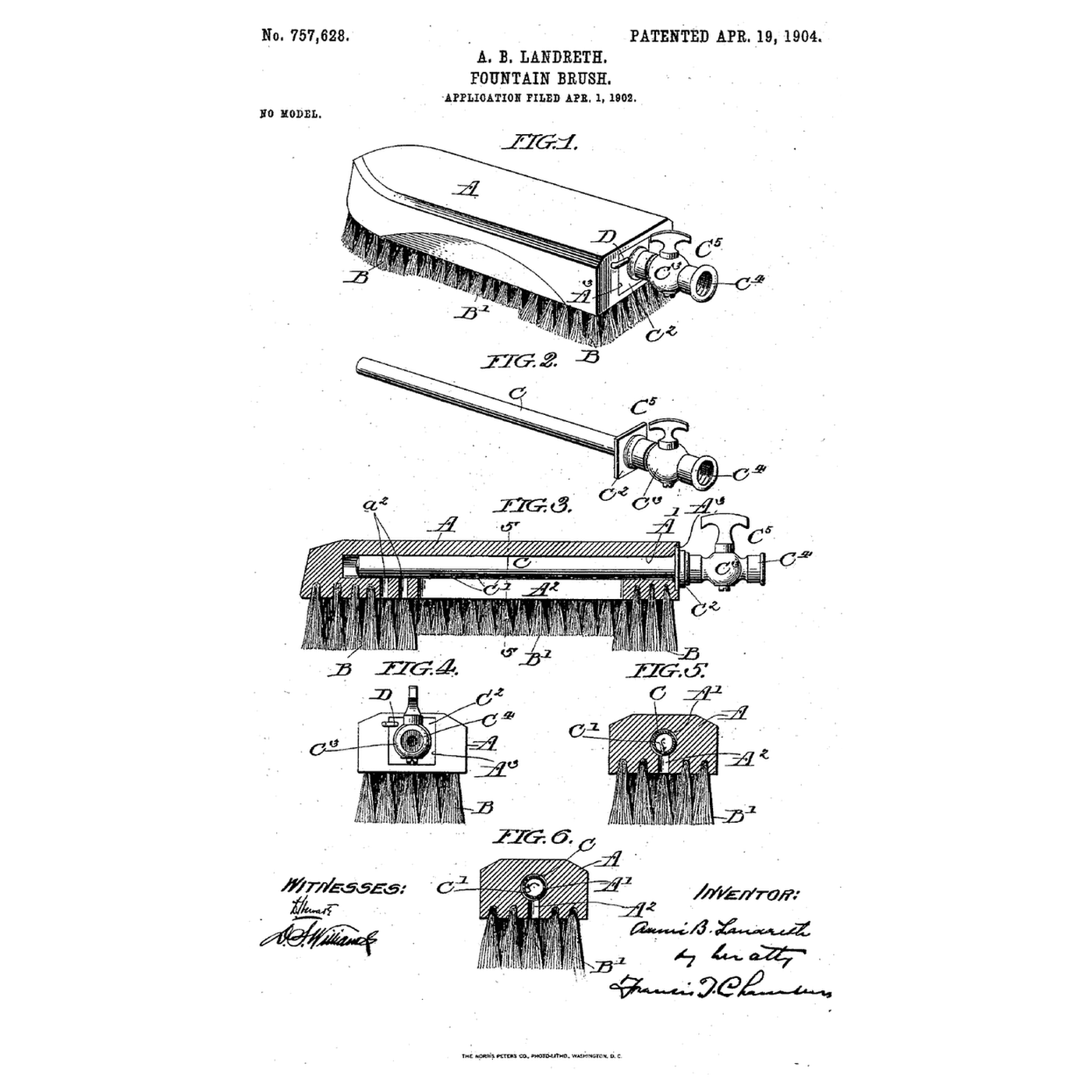
The Tube-in-the-Back Fountain Brush: Turn the Tube and the Jets Become a Soak
YourGrandma གྱིས
འཕྲུལ་རིག
༣༤
༠
༠
༠
༠
༠
Making Hide Glue Distemper — The Traditional Ceiling and Wall Paint of Europe
Charlie གྱིས
སྒྱུ་རྩལ
༦༧
༠
༠
༠
༤
༠
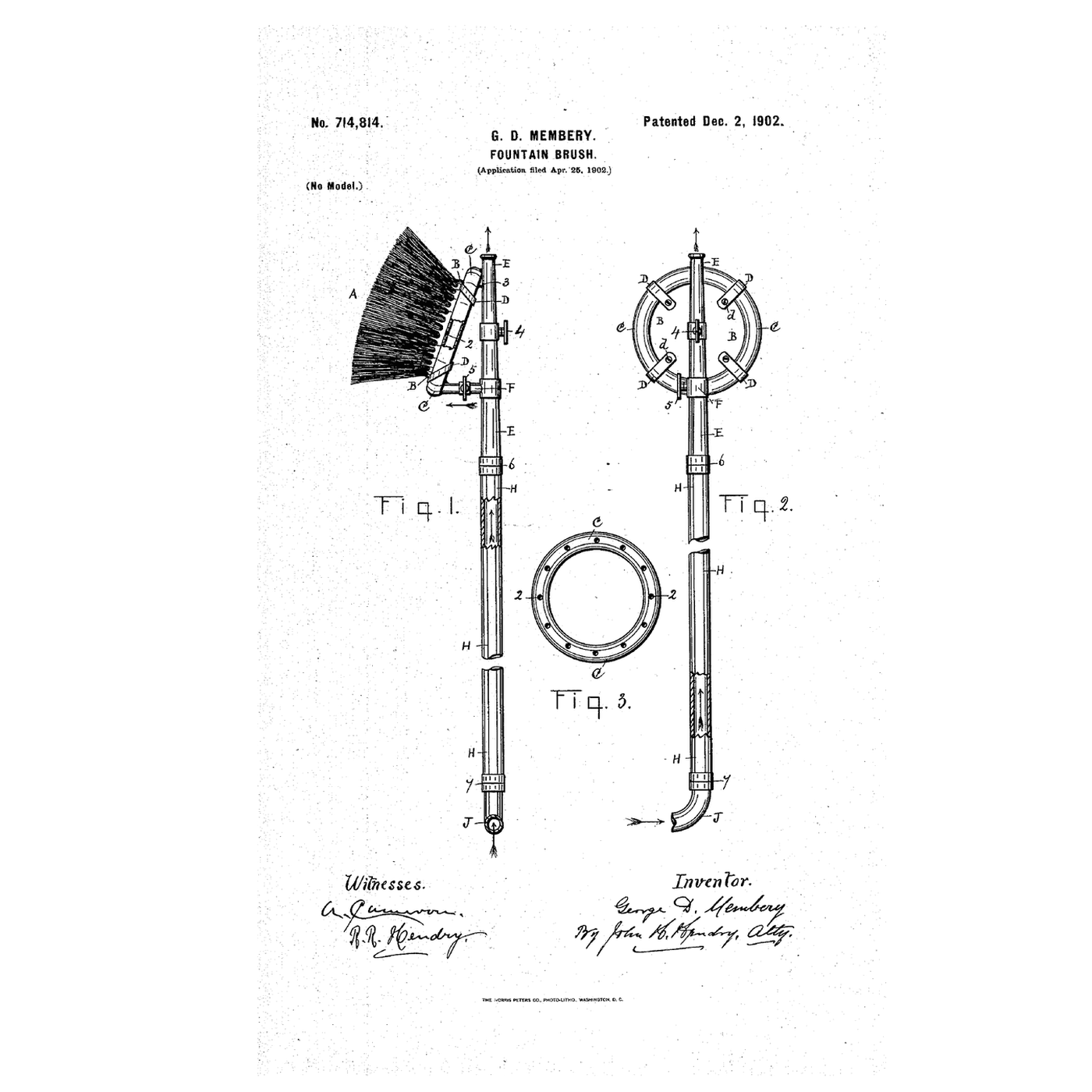
The Long-Handled Fountain Brush: A Ring of Holes Wets the Bristles From the Ground
Martin གྱིས
འཕྲུལ་རིག
༢༧
༠
༠
༠
༠
༠
CC0 སྤྱི་དབང
བིལུ་པིརིན་ཊི་འདི་CC0 འོག་བཀྲམས་ཡོད། ཁྱེད་རང་གིས་ཆོག་མཆན་མ་བཞེས་པར་ཕབ་ལེན་དང་བཟོ་བཅོས། བགོ་བཤའ། དགོས་མཁོ་གང་ལའང་བཀོལ་སྤྱོད་བྱས་ཆོག
བཟོ་མཁན་ལ་རྒྱབ་སྐྱོར་བྱེད་པའི་ཆེད་ཁོང་ཚོའི་བིལུ་པིརིན་ཊི་བརྒྱུད་ཐོན་སྐྱེད་ཉོ། བཟོ་མཁན་གྱིས བཟོ་མཁན་གྱི་ཁེ་ཕོགས ཚོང་པས་གཏན་འཁེལ་བྱས་པ། ཡང་ན་བིལུ་པིརིན་ཊི་འདིའི་པར་གསར་བཟོས་ཏེ་ཁྱེད་རང་གི་བིལུ་པིརིན་ཊི་ནང་མཐུད་སྦྲེལ་བྱས་ཏེ་ཡོང་སྒོ་བགོ་བཤའ་བྱེད།