སྒྱུ་རྩལ
མཛེས་སྡུག་དང་བདེ་ཐང
བཟོ་རིག
རིག་གནས་དང་ལོ་རྒྱུས
དགའ་སྟོན
ཁོར་ཡུག
ཟས་དང་བཏུང་རྫས
ཕྱིར་འཕྲུལ་རིག
ཚན་རིག
རྩེད་འགྲན
རིག་རྩལ
གྱོན་རུང
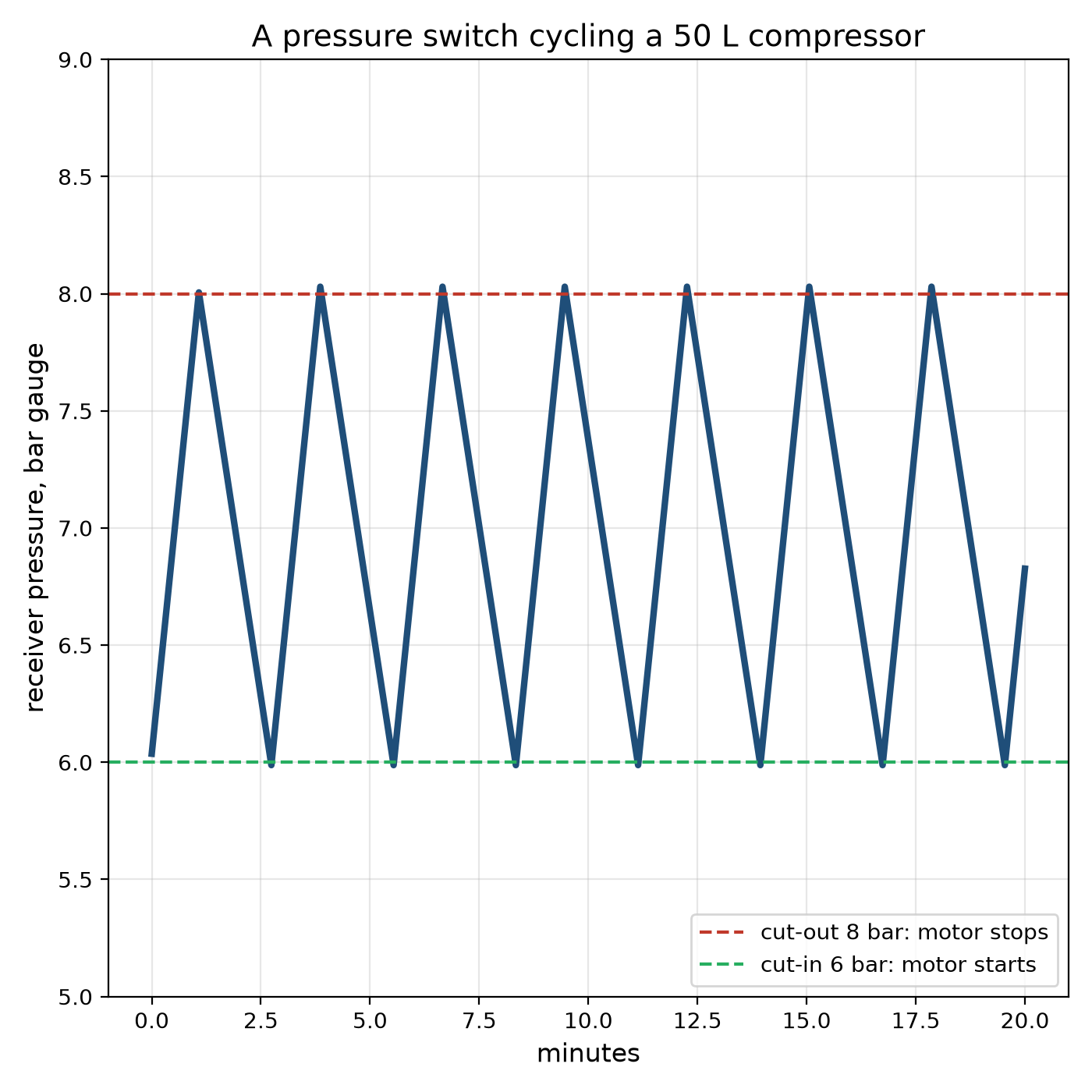
Youblob (generated from this blueprint's notebook) · CC0


The Pressure Switch: A Gauge That Turns the Motor On and Off
A Bourdon gauge shows a pressure; a pressure switch acts on it. The same sensing element — a diaphragm, a bellows or a Bourdon tube — pushes against an adjustable spring, and at a set pressure it trips a contact. It starts and stops air compressors and water pumps, shuts down boilers, and warns when oil pressure falls.
Every pressure switch has two settings: where it trips, and how far the pressure must come back before it resets. That differential, with the size of the tank, decides how often the motor starts.
This rung works out a compressor's on-off cycle from the receiver size and the differential, and builds a diaphragm pressure switch from a balloon and a microswitch.
འགོ་བཙུགས
About 3 hours
ལམ་སྟོན
1
1
Differential, receiver size and starts per hour
Differential, receiver size and starts per hour
Jupyter ཚང་དེབ་མངོན་གསལ་འབད་དོ་…
2
2
The sensing element
The sensing element
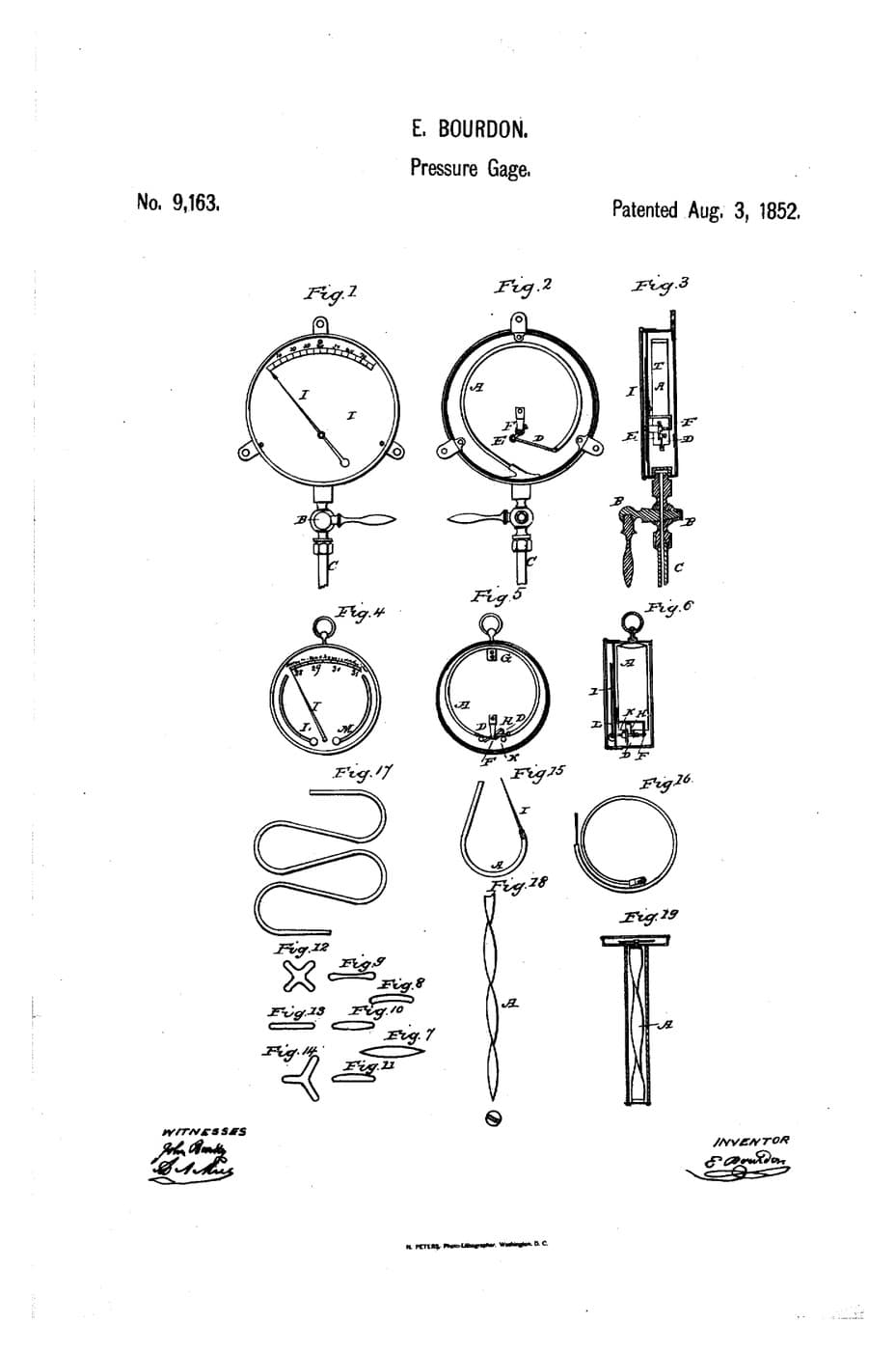
A Bourdon tube is one of the elements a pressure switch uses. The embedded blueprint shows how the curved tube straightens with pressure.
3
3
Build a diaphragm pressure switch
Build a diaphragm pressure switch
Stretch a piece of balloon rubber over the mouth of a PET bottle's neck and clamp it with a hose clip: that is the diaphragm. Glue a small plywood disc to its centre. Mount a lever microswitch above it on a bracket, with a machine screw through the bracket as the adjustable stop that sets how far the diaphragm must bulge before it presses the lever.
Drill the bottle's cap for a tube to a small air pump and a pressure gauge on a tee. Wire the microswitch through a 12 V lamp or buzzer.
Pump slowly and note the gauge reading when the buzzer sounds (cut-out), then let air out slowly through a pin-hole and note where it stops (cut-in). The gap between them is the switch's differential — here set by the microswitch's own snap. Turn the screw and watch both readings move together.
གོམ་པ་འདིའི་རྫས་རིགས:
 PET ཤེལ་དམ (རླུང་ཅན་འཐུང་རྫས)1 དུམ་བུ།
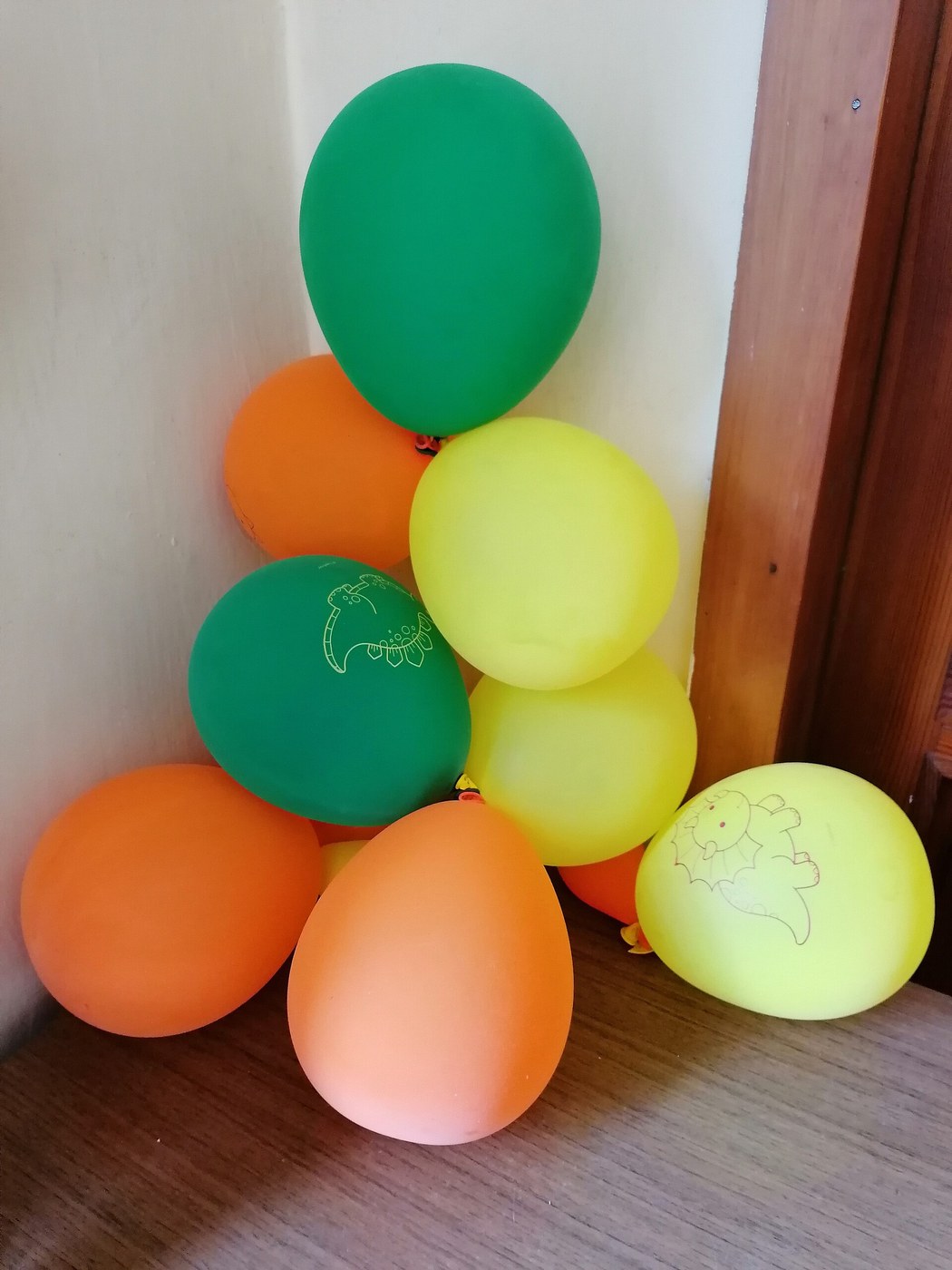 ལྦ་ལྦ།1 དུམ་བུ།
 ཧོསི་གི་གཟེར་སྒྲོག་མ་འདྲཝ་ཆ་ཚང1 དུམ་བུ།
 ཤིང་ལེབ་སྦྱར་མ།1 དུམ་བུ།
 ཕྲ་མཐེབ (མཐེབ་གཞོང་གིས་བསྐུལ་བ)1 དུམ་བུ།
 འཕྲུལ་གྱི་སི་ཀུརུ།4 དུམ་བུ།
 པི་ཛོ་སྒྲ་སྐད་འཕྲུལ་ཆས།1 དུམ་བུ།
 སི་ལི་ཀོན་གྱི་སྦུག་མ།1 མི་ཊར།
 ཤུགས་ཚད་ཀྱི་གློག་སྒོ།1 དུམ་བུ།
ལག་ཆས་དགོས་མཁོ:
 རླུང་གི་སུག་ཆས།
 གནོན་ཤུགས་འཇལ་ཆས།
 ཐད་རྒྱུན་གློག་ཁུངས།
 ཐག་མེད་ཕུག་འཕྲུལ།
 སྤྱིན་ཚ་བའི་མེ་མདའ།
 ཚད་བསྒྱུར་ཚུགས་པའི་མཐེབ་ལྕགས།
4
4
A compressor that starts too often, or not at all
A compressor that starts too often, or not at all
Pressure switch problems on an air compressor.
Flow
Loading...
5
5
Context and honest limits
Context and honest limits
Pressure switches grew from the pressure gauge: the same diaphragm or Bourdon tube, made to move a contact. Snap-action contacts made them trip cleanly, and adjustable range and differential springs made one switch fit many duties.
**Honest limits.** The notebook treats the air as staying at one temperature; in a real receiver it warms as it is compressed and cools after, which shifts the cycle. A pressure switch is a control, not a safety device: every receiver still needs its safety valve. The balloon model is for low pressures only — never pressurise a bottle beyond a gentle bulge, and wear eye protection.
ལག་ཆས་དགོས་མཁོ:
 གསལ་བའི་ཉེན་སྲུང་མིག་ཤེལ།
རྫས་རིགས
9- 1 དུམ་བུ།ས་ཆ་འཛིན
- 1 དུམ་བུ།ས་ཆ་འཛིན
- 1 དུམ་བུ།ས་ཆ་འཛིན
- 1 དུམ་བུ།ས་ཆ་འཛིན
- 1 དུམ་བུ།ས་ཆ་འཛིན
- 4 དུམ་བུ།ས་ཆ་འཛིན
- 1 དུམ་བུ།ས་ཆ་འཛིན
- 1 མི་ཊར།ས་ཆ་འཛིན
- 1 དུམ་བུ།ས་ཆ་འཛིན
ལག་ཆས་དགོས་མཁོ
7- ས་ཆ་འཛིན
- ས་ཆ་འཛིན
- ས་ཆ་འཛིན
- 1 vendor sell this, none ship to you yetས་ཆ་འཛིན
- ས་ཆ་འཛིན
- ས་ཆ་འཛིན
- ས་ཆ་འཛིན
འབྲེལ་ཡོད་བིལུ་པིརིན་ཊི
བིལུ་པིརིན་ཊི་འདི་ཚུ་ཐབས་ལམ་དང་རྫས་རིགས། སྤྱི་ཆོས་བགོ་བཤའ་བྱེད


CC0 སྤྱི་དབང
བིལུ་པིརིན་ཊི་འདི་CC0 འོག་བཀྲམས་ཡོད། ཁྱེད་རང་གིས་ཆོག་མཆན་མ་བཞེས་པར་ཕབ་ལེན་དང་བཟོ་བཅོས། བགོ་བཤའ། དགོས་མཁོ་གང་ལའང་བཀོལ་སྤྱོད་བྱས་ཆོག
བཟོ་མཁན་ལ་རྒྱབ་སྐྱོར་བྱེད་པའི་ཆེད་ཁོང་ཚོའི་བིལུ་པིརིན་ཊི་བརྒྱུད་ཐོན་སྐྱེད་ཉོ། བཟོ་མཁན་གྱིས བཟོ་མཁན་གྱི་ཁེ་ཕོགས ཚོང་པས་གཏན་འཁེལ་བྱས་པ། ཡང་ན་བིལུ་པིརིན་ཊི་འདིའི་པར་གསར་བཟོས་ཏེ་ཁྱེད་རང་གི་བིལུ་པིརིན་ཊི་ནང་མཐུད་སྦྲེལ་བྱས་ཏེ་ཡོང་སྒོ་བགོ་བཤའ་བྱེད།