སྒྱུ་རྩལ
མཛེས་སྡུག་དང་བདེ་ཐང
བཟོ་རིག
རིག་གནས་དང་ལོ་རྒྱུས
དགའ་སྟོན
ཁོར་ཡུག
ཟས་དང་བཏུང་རྫས
ཕྱིར་འཕྲུལ་རིག
ཚན་རིག
རྩེད་འགྲན
རིག་རྩལ
གྱོན་རུང
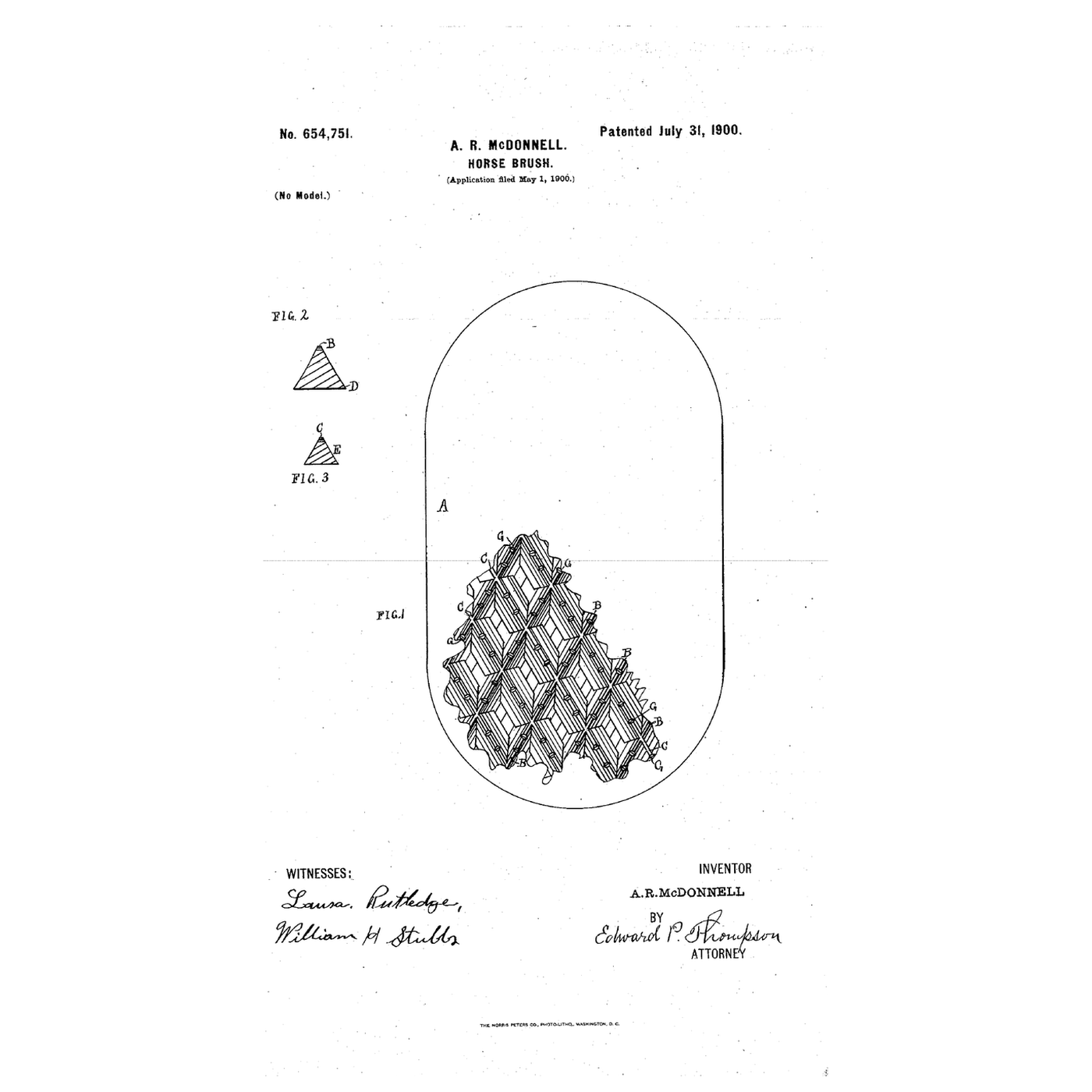


The Rubber Horse Brush: Crossed, Notched Ridges on a Leather Plate
After a horse's coat is combed with a bristle brush, loosened dandruff and dirt still sit in it and the coat is dull.
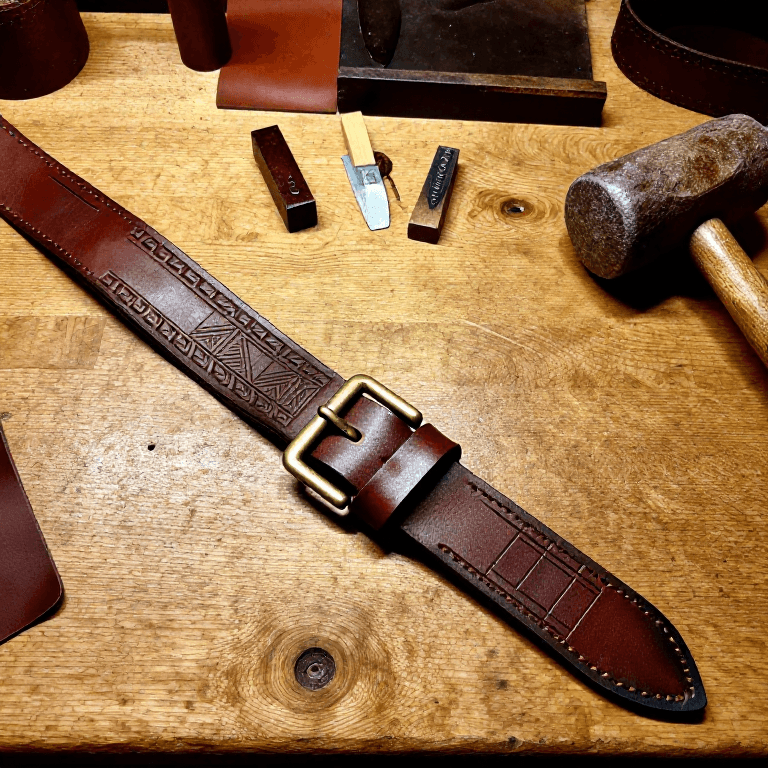
Alexander R. McDonnell of Littleton, Maine, received US 654,751, dated 31 July 1900, for a horse-brush of a leather base-plate and a piece of rubber fastened to it, with two series of narrow-edged ridges of triangular section crossing one another and notched, which "serves very effectually to give a gloss and to remove the dandruff and dirt that have been loosened by the combing."
This rung works out how the narrow ridge tops concentrate the hand's force, then casts a crossed-ridge rubber pad in a printed mould and glues it to leather.
བར་མ
About 5 hours plus curing
ལམ་སྟོན
1
1
Pressure under the ridges
Pressure under the ridges
Jupyter ཚང་དེབ་མངོན་གསལ་འབད་དོ་…
2
2
Rubber that holds its shape
Rubber that holds its shape
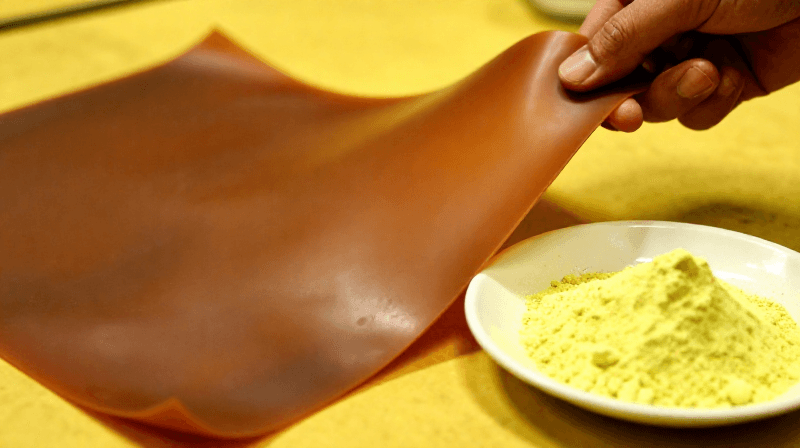
The embedded blueprint makes rubber firm and elastic. McDonnell's ridges need exactly that: soft enough to yield, firm enough to keep their edges.
3
3
Read US 654,751
Read US 654,751
"My present invention relates to a horse-brush adapted for use especially after the hair has been combed with a bristle brush."
"The edges B need not be sharp like a knife-edge, but are preferably very narrow, as they act as the scraping or polishing edges upon the hair when the brush is in use."
"Cut into both series of ridges are notches G, so that the edges in use will the more effectively polish and clean the hair."
4
4
Cast the pad and glue it to leather
Cast the pad and glue it to leather
Draw a mould in CAD: an open tray 10 × 14 cm inside, whose floor carries V-grooves 5 mm deep at 8 mm pitch in two sets crossing at 60 degrees, with a small rib across each groove every 2 cm to form the notches. Print it in PLA.
Spray the mould with release and let it dry. In gloves, mix the urethane rubber by the kit's instructions in a cup, stir slowly with a dowel, and pour it in a thin stream into one corner until the grooves are filled and a 3 mm back has formed. Leave it to cure as long as the kit says, then peel it out.
Cut leather to the pad's size, coat the leather and the back of the pad with contact cement, let both go tacky and press them together. Dust a piece of wool felt with flour and count the strokes the pad takes to lift it, then dust it again and compare with the palm of a gloved hand.
གོམ་པ་འདིའི་རྫས་རིགས:
 ཡུ་རི་ཐེན་འཇམ་རྫས (ཤོར་ 40A, ལི་ཊར་ ༠,༩༥ གི་ཅ་ཆས)1 དུམ་བུ།
 PLA སྐུད་པ།1 དུམ་བུ།
 བཟོ་སྒྲོམ་ཐར་རྫས་འཐོར་ཆས (སི་ལི་ཀོན་མེད)1 དུམ་བུ།
 ཀོ་བ།1 དུམ་བུ།
 ཕྲད་སྤྱིན1 དུམ་བུ།
 ཕོར་པ1 དུམ་བུ།
 ཤིང་སྲ་གི་ཕུར་པ།1 དུམ་བུ།
 བལ་གྱི་ཕྱིང་ལེབ།1 དུམ་བུ།
 ཕྱེ1 དུམ་བུ།
ལག་ཆས་དགོས་མཁོ:
 རབ་བར་གྱི་སོ་ཤད
 FDM 3D པར་སྐྲུན་འཕྲུལ་ཆས།
 ཨང་རྟགས་ཚད་འཇལ་ཆས་ ཨིནཅི 6
 ལག་བཟོའི་གྲི་གུ
 ནའི་ཊི་རཱིལ་གྱི་ལག་ཤུབས།
 གསལ་བའི་ཉེན་སྲུང་མིག་ཤེལ།
5
5
A pad with holes, soft edges or a weak bond
A pad with holes, soft edges or a weak bond
Rubber brush troubleshooting.
Flow
Loading...
6
6
History and honest limits
History and honest limits
**Alexander R. McDonnell** of Littleton, Aroostook County, Maine, filed US 654,751 on 1 May 1900; it is dated 31 July 1900. He made the crossing ridges "from rubber in a single piece".
**Honest limits.** A cast urethane stands in for McDonnell's rubber. The notebook treats every ridge top as touching at once. Force and sizes are examples; your stroke counts are the result.
རྫས་རིགས
9- 1 དུམ་བུ།ས་ཆ་འཛིན
- 1 དུམ་བུ།ས་ཆ་འཛིན
- བཟོ་སྒྲོམ་ཐར་རྫས་འཐོར་ཆས (སི་ལི་ཀོན་མེད)ཁེ་ཕོགས 10%1 དུམ་བུ།ས་ཆ་འཛིན
- 1 དུམ་བུ།ས་ཆ་འཛིན
- 1 དུམ་བུ།ས་ཆ་འཛིན
- 1 དུམ་བུ།ས་ཆ་འཛིན
- 1 དུམ་བུ།ས་ཆ་འཛིན
- 1 དུམ་བུ།ས་ཆ་འཛིན
- 1 དུམ་བུ།ས་ཆ་འཛིན
ལག་ཆས་དགོས་མཁོ
6- ས་ཆ་འཛིན
- ས་ཆ་འཛིན
- ས་ཆ་འཛིན
- ས་ཆ་འཛིན
- ས་ཆ་འཛིན
- ས་ཆ་འཛིན
འབྲེལ་ཡོད་བིལུ་པིརིན་ཊི
བིལུ་པིརིན་ཊི་འདི་ཚུ་ཐབས་ལམ་དང་རྫས་རིགས། སྤྱི་ཆོས་བགོ་བཤའ་བྱེད



CC0 སྤྱི་དབང
བིལུ་པིརིན་ཊི་འདི་CC0 འོག་བཀྲམས་ཡོད། ཁྱེད་རང་གིས་ཆོག་མཆན་མ་བཞེས་པར་ཕབ་ལེན་དང་བཟོ་བཅོས། བགོ་བཤའ། དགོས་མཁོ་གང་ལའང་བཀོལ་སྤྱོད་བྱས་ཆོག
བཟོ་མཁན་ལ་རྒྱབ་སྐྱོར་བྱེད་པའི་ཆེད་ཁོང་ཚོའི་བིལུ་པིརིན་ཊི་བརྒྱུད་ཐོན་སྐྱེད་ཉོ། བཟོ་མཁན་གྱིས བཟོ་མཁན་གྱི་ཁེ་ཕོགས ཚོང་པས་གཏན་འཁེལ་བྱས་པ། ཡང་ན་བིལུ་པིརིན་ཊི་འདིའི་པར་གསར་བཟོས་ཏེ་ཁྱེད་རང་གི་བིལུ་པིརིན་ཊི་ནང་མཐུད་སྦྲེལ་བྱས་ཏེ་ཡོང་སྒོ་བགོ་བཤའ་བྱེད།