སྒྱུ་རྩལ
མཛེས་སྡུག་དང་བདེ་ཐང
བཟོ་རིག
རིག་གནས་དང་ལོ་རྒྱུས
དགའ་སྟོན
ཁོར་ཡུག
ཟས་དང་བཏུང་རྫས
ཕྱིར་འཕྲུལ་རིག
ཚན་རིག
རྩེད་འགྲན
རིག་རྩལ
གྱོན་རུང
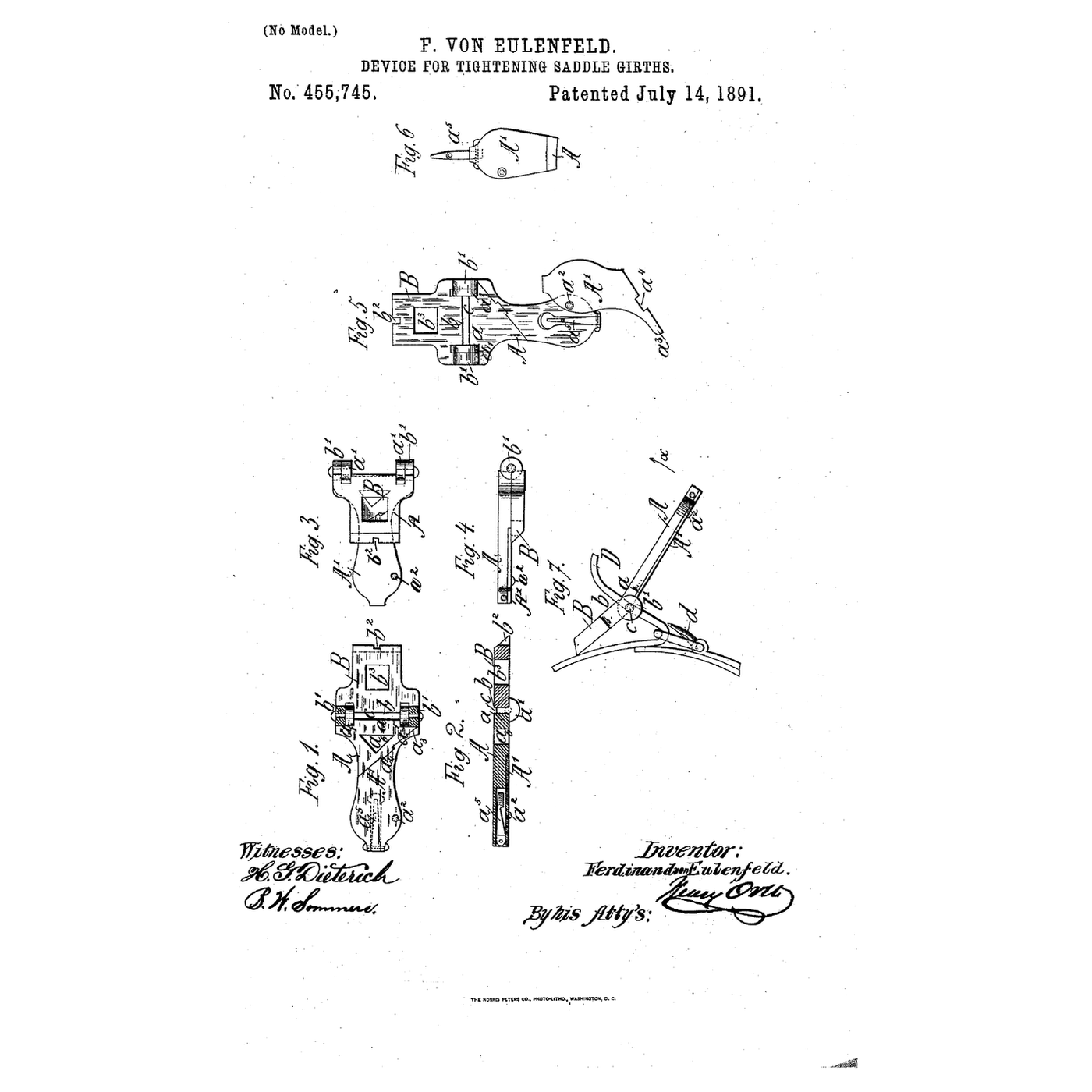

The Saddle-Girth Tightener: Two Hinged Plates That Grip the Girth and Lever It Tight
Drawing a saddle-girth tight through its buckle by hand takes a hard pull, and a horseman needs a hoof pick, an awl and a nail puller besides.
Ferdinand von Eulenfeld of Breslau, Germany, received US 455,745, dated 14 July 1891, for a combination tool "more particularly designed for the use of horsemen and cavalry-men and adapted to be compactly folded and constructed for use as a saddle-girth tightener, nail-extractor, punch or awl, calk-tightener, hoof-cleaner, and for other purposes". Two plates hinged together leave a slot between the knuckles for the girth's end; plate B, bevelled, rests on the girth as a fulcrum; moving plate A toward B narrows the slot to grip the girth, and then both plates act as a lever and draw it through the buckle. B carries a nail-extracting notch and a slot for tightening calks; A has a chamber with a pivoted awl under a cover whose arm is a hoof-cleaner.
This rung works out the lever's pull, with a work check, then makes the plates from flat bar with a knuckle hinge and an awl, and tightens a leather strap through a buckle with it.
བར་མ
About 5 hours
ལམ་སྟོན
1
1
Grip and lever
Grip and lever
Jupyter ཚང་དེབ་མངོན་གསལ་འབད་དོ་…
2
2
A horseman's tool before it
A horseman's tool before it
The embedded blueprint combines a hoof-cleaner with a knife and other tools. Von Eulenfeld builds his around a girth tightener.
3
3
Read US 455,745
Read US 455,745
"When it is desired to tighten a saddle-girth the free end thereof is passed through the slot c. The outer end of plate B, which is beveled, is placed against the girth and serves as a fulcrum. The plate A is then moved toward plate B, as indicated by arrow x, Fig. 7. As the plate A moves toward plate B the slot c becomes narrower, the upper edges of the slot tightly grasping the girth."
"By a further movement of plate A toward plate B both plates act as a lever, being rigidly connected, or substantially so, by the interposed girth D, thereby drawing the said girth through the buckle d and tightening the same. As the leverage afforded by plates A B is considerable, but a slight effort is required to tighten the girth."
4
4
Make the tightener and tighten a strap
Make the tightener and tighten a strap
**Plates.** Cut two 12 cm plates from 25 × 5 mm mild steel flat bar. Bevel the outer end of plate B, file a rectangular notch in it for nails, and cut a rectangular slot through it for calks or nuts.
**Knuckles.** Bend a short strip of flat bar round a rod at the inner end of each plate as hinge-knuckles, set so that when the plates are hinged on a pin through the knuckles a slot about 6 mm wide is left between the knuckles and the plates' ends.
**Awl and cover.** File a chamber into plate A's outer end, pivot a short awl in it on a rivet, and pivot a thin cover over it with a rounded arm as the hoof-cleaner.
**Test.** Buckle a leather strap round a post. Pass its free end through the slot, rest plate B's bevel against the strap, and swing plate A toward B: the slot grips, and the strap is drawn through the buckle. Compare how far you can tighten it by hand, reading the pull with the spring scale.
གོམ་པ་འདིའི་རྫས་རིགས:
 ལྕགས་འཇམ་གྱི་ལེབ་ཤིང་།0.4 མི་ཊར།
 ལྕགས་འཇམ་གྱི་དབྱུག་ཟླུམ།0.1 མི་ཊར།
 འཐེན་གཟེར3 དུམ་བུ།
 ཀོ་བའི་སྐེད་རགས།1 དུམ་བུ།
 སྐེད་ཐག་གི་འཆིང་ཆས་ཆ་ཚན།1 དུམ་བུ།
ལག་ཆས་དགོས་མཁོ:
 ལྕགས་གཏུབ་སོག་ལེ།
 བཤེར་ཆས (ལག་པའི་བཤེར་ཆས)
 ཁབ་དར་མའི་ཚོགས་ཆས།
 ལས་ཅོག་གི་འཛིན་ཆས།
 ཐོ་བ།
ཐོ་བ། པོ་རོ་པེན་གྱི་མེ་ལྕེ།
 ཐག་མེད་ཕུག་འཕྲུལ།
 ཕུག་མགོའི་ཚོགས་ཆས།
 གཟེར་འཕེན་མདའ་ཆས་ཀྱི་ཆ་ཚང་
 ཤུགས་འཇལ་ཆས་ (སི་པིརིང་སྲང)
 ཀོ་བའི་ལས་ལག་ཤུབས།
 གསལ་བའི་ཉེན་སྲུང་མིག་ཤེལ།
5
5
A tightener that slips, pinches or will not fold
A tightener that slips, pinches or will not fold
Saddle-girth tightener troubleshooting.
Flow
Loading...
6
6
History and honest limits
History and honest limits
**Ferdinand von Eulenfeld** of Breslau, Germany, filed US 455,745 on 11 March 1891; it is dated 14 July 1891. The plates A and B had hinge-knuckles a′ a′ and b′ b′; the notch b² extracted nails from a horse's hoof or shoe and the slot b³ served for calks or small nuts; the chambered end of A held a pivoted punch a⁵ under a cover A′ with an arm a³ as hoof-cleaner and a notch a⁴ for opening stirrup-bars. His claims cover the two hinged plates forming the slot, and the combinations with the chambered handle, awl, cover and notches.
**Honest limits.** Filed flat bar and a riveted awl stand in for his made tool, and the test uses a strap on a post, not a horse. The notebook treats the plates as a rigid lever; its forces and lengths are examples. Your tightened strap is the result.
རྫས་རིགས
5- 0.4 མི་ཊར།ས་ཆ་འཛིན
- 0.1 མི་ཊར།ས་ཆ་འཛིན
- 3 དུམ་བུ།ས་ཆ་འཛིན
- 1 དུམ་བུ།ས་ཆ་འཛིན
- 1 དུམ་བུ།ས་ཆ་འཛིན
ལག་ཆས་དགོས་མཁོ
12- ས་ཆ་འཛིན
- ས་ཆ་འཛིན
- ས་ཆ་འཛིན
- ས་ཆ་འཛིན
- ས་ཆ་འཛིན
- ས་ཆ་འཛིན
- 1 vendor sell this, none ship to you yetས་ཆ་འཛིན
- ས་ཆ་འཛིན
- ས་ཆ་འཛིན
- ས་ཆ་འཛིན
- ས་ཆ་འཛིན
- ས་ཆ་འཛིན
འབྲེལ་ཡོད་བིལུ་པིརིན་ཊི
བིལུ་པིརིན་ཊི་འདི་ཚུ་ཐབས་ལམ་དང་རྫས་རིགས། སྤྱི་ཆོས་བགོ་བཤའ་བྱེད
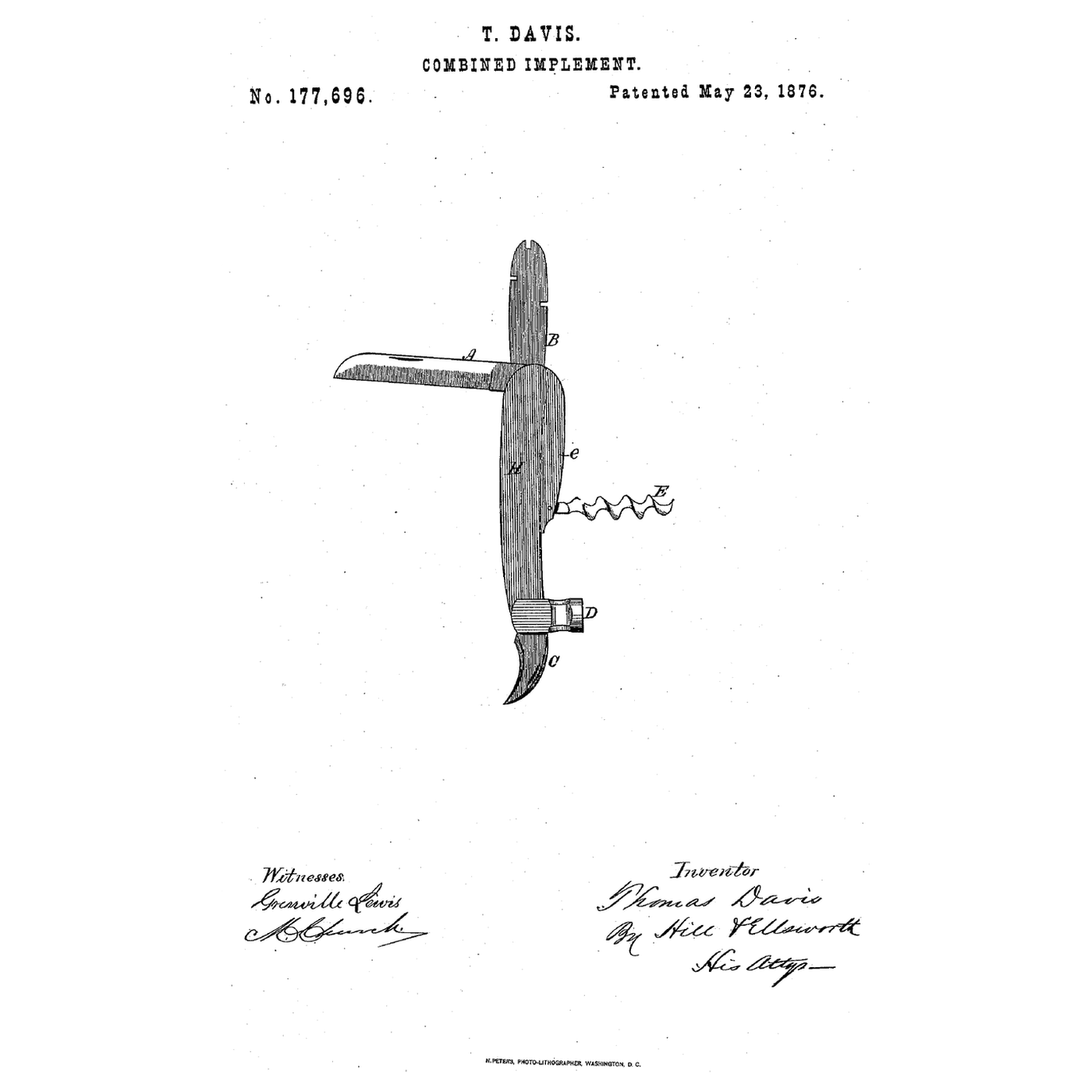
The Hoof-Cleaner Pocket Knife: Blade, Box Opener, Hoof Pick, Hammer and Corkscrew in One Handle
Karen གྱིས
ལྕགས་བཟོ
༣༤
༠
༠
༠
༠
༠
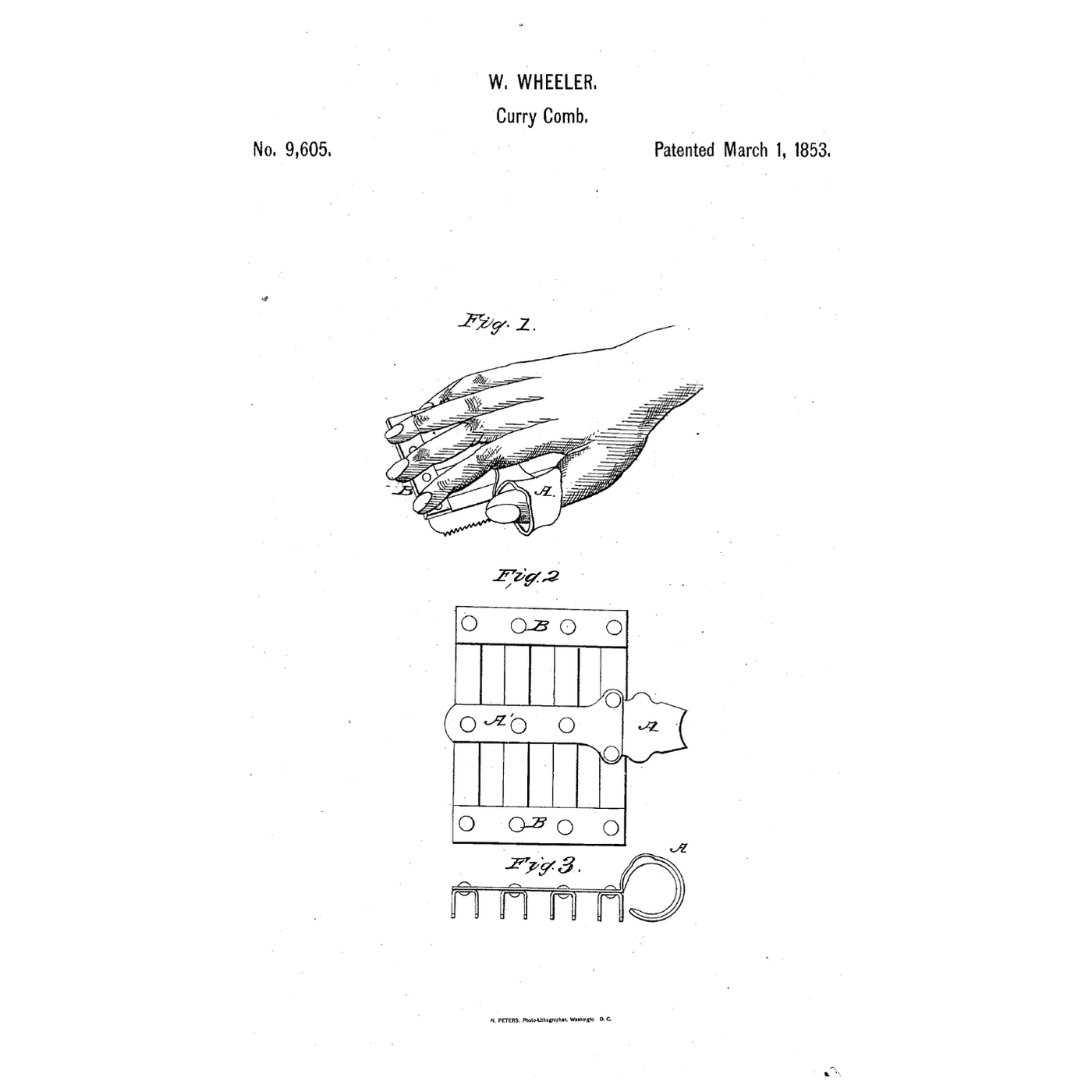
The Thumb-Ring Curry Comb: A Ring for the Thumb Instead of a Handle
Karen གྱིས
ལྕགས་བཟོ
༡༩
༠
༠
༠
༠
༠

The Law of the Lever — Archimedes' Balance of Weight and Distance
Martin གྱིས
དངོས་ཁམས་རིག
༦༡
༠
༠
༠
༡
༠
CC0 སྤྱི་དབང
བིལུ་པིརིན་ཊི་འདི་CC0 འོག་བཀྲམས་ཡོད། ཁྱེད་རང་གིས་ཆོག་མཆན་མ་བཞེས་པར་ཕབ་ལེན་དང་བཟོ་བཅོས། བགོ་བཤའ། དགོས་མཁོ་གང་ལའང་བཀོལ་སྤྱོད་བྱས་ཆོག
བཟོ་མཁན་ལ་རྒྱབ་སྐྱོར་བྱེད་པའི་ཆེད་ཁོང་ཚོའི་བིལུ་པིརིན་ཊི་བརྒྱུད་ཐོན་སྐྱེད་ཉོ། བཟོ་མཁན་གྱིས བཟོ་མཁན་གྱི་ཁེ་ཕོགས ཚོང་པས་གཏན་འཁེལ་བྱས་པ། ཡང་ན་བིལུ་པིརིན་ཊི་འདིའི་པར་གསར་བཟོས་ཏེ་ཁྱེད་རང་གི་བིལུ་པིརིན་ཊི་ནང་མཐུད་སྦྲེལ་བྱས་ཏེ་ཡོང་སྒོ་བགོ་བཤའ་བྱེད།