སྒྱུ་རྩལ
མཛེས་སྡུག་དང་བདེ་ཐང
བཟོ་རིག
རིག་གནས་དང་ལོ་རྒྱུས
དགའ་སྟོན
ཁོར་ཡུག
ཟས་དང་བཏུང་རྫས
ཕྱིར་འཕྲུལ་རིག
ཚན་རིག
རྩེད་འགྲན
རིག་རྩལ
གྱོན་རུང
Youblob (generated from this blueprint's notebook) · CC0
The Thermal Overload Relay: A Bimetal That Heats Like the Motor
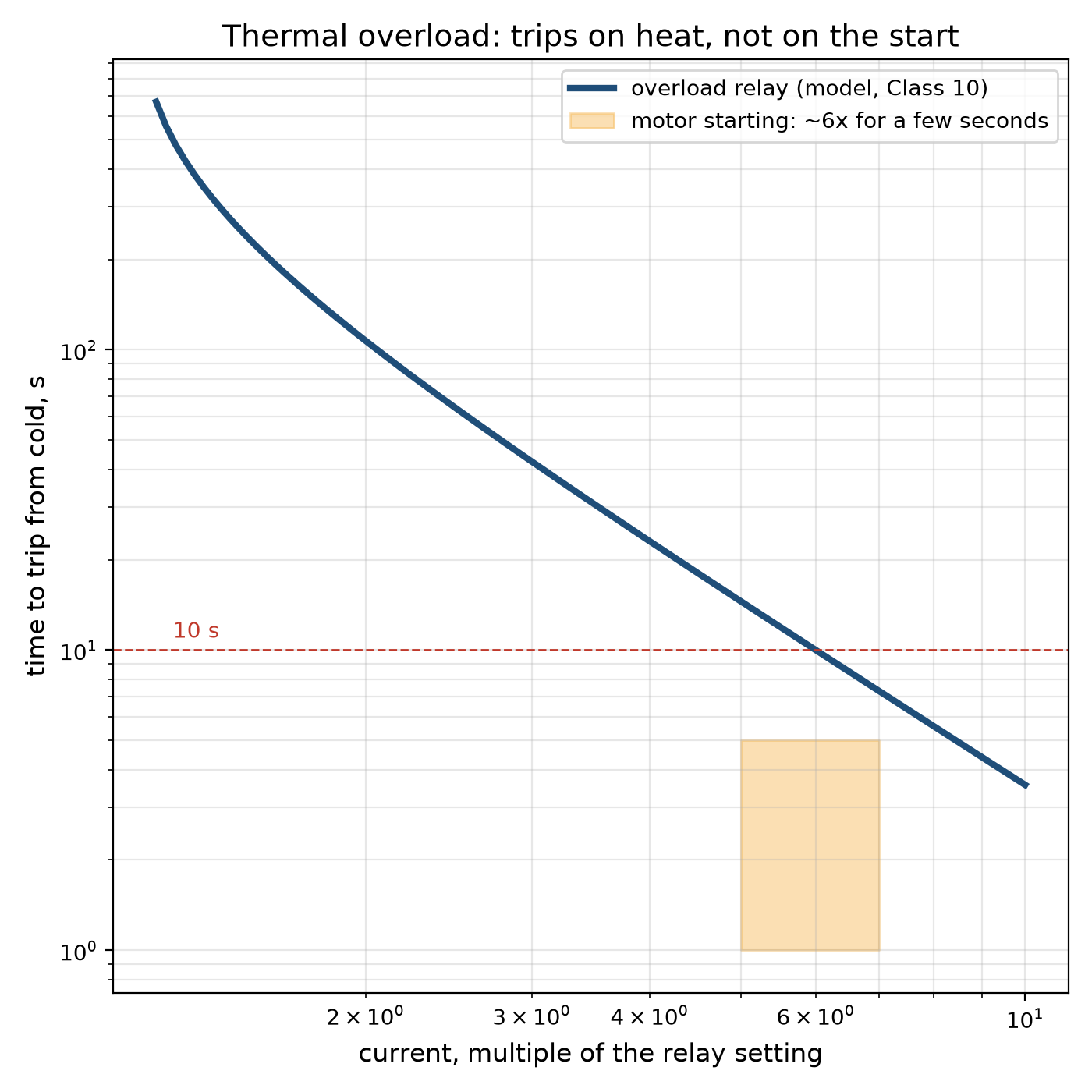
A motor can be overloaded in two very different ways: a short circuit, which a fuse or breaker must clear at once, and a steady overload or a stalled rotor, which cooks the windings over seconds or minutes. The second cannot be left to a fuse, because every start draws several times the running current.
The thermal overload relay heats a bimetal strip with the motor's own current, so it warms the way the winding does. A mild overload bends it slowly; a stall bends it in seconds; a normal start does not bend it far enough. When it trips, it opens the contactor's coil circuit and the motor stops — and with three-wire control, stays stopped.
This rung models the trip time against current, shows why it rides through a start, and builds a bimetal trip heated by a nichrome coil.
བར་མ
About 3 hours
ལམ་སྟོན
1
1
Trip time against current
Trip time against current
Jupyter ཚང་དེབ་མངོན་གསལ་འབད་དོ་…
2
2
How a bimetal bends
How a bimetal bends
The overload relay's element is a bimetallic strip. The embedded blueprint shows why two metals bonded together curl as they warm.
3
3
Build a bimetal trip
Build a bimetal trip
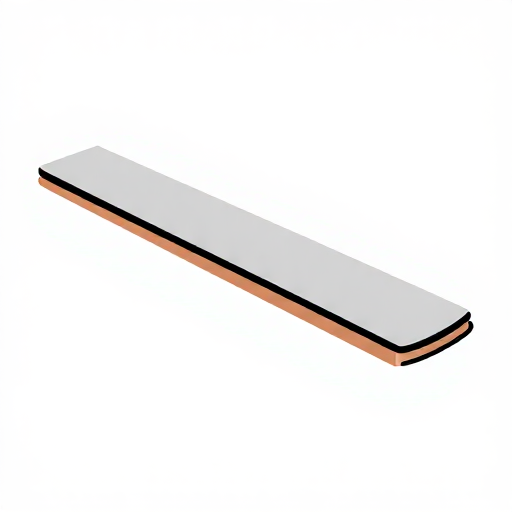
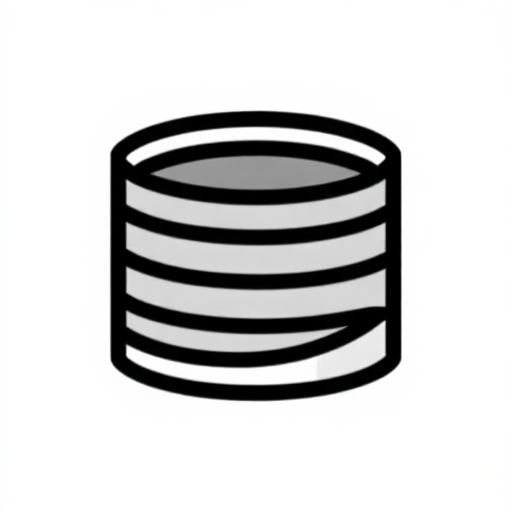
Clamp one end of a bimetallic strip to a plywood base, with the higher-expansion side facing the direction you want it to bend. Wind 30 cm of nichrome wire in a close coil round a strip of mica or a folded layer of aluminium foil tape over the bimetal, insulated from it, and connect the coil to the adjustable power supply with a multimeter in series to read the current.
Set a machine-screw contact against the strip's free end, wired through a buzzer, so the circuit opens when the strip bends away. Adjust the screw until the strip just touches it cold.
གོམ་པ་འདིའི་རྫས་རིགས:
 ལྕགས་རིགས་གཉིས་ལྡན་གྱི་ལེབ་ཕྲན།1 དུམ་བུ།
 ནའི་ཀོརོམ་གྱི་ལྕགས་སྐུད།1 དུམ་བུ།
 ཤིང་ལེབ་སྦྱར་མ།1 དུམ་བུ།
 འཕྲུལ་གྱི་སི་ཀུརུ།3 དུམ་བུ།
 པི་ཛོ་སྒྲ་སྐད་འཕྲུལ་ཆས།1 དུམ་བུ།
 མཐུད་ཐག1 དུམ་བུ།
 ཚ་དྲོད་ཀྱི་ཁུར་ལྷག་ཉེན་སྲུང་རི་ལེ།1 དུམ་བུ།
ལག་ཆས་དགོས་མཁོ:
 ཐད་རྒྱུན་གློག་ཁུངས།
 མཱལ་ཊི་མི་ཊར།
 ཆུ་ཚོད་བཀག་ཆས།
 ལས་ཅོག་གི་འཛིན་ཆས།
 ཐབ་ཚང་གི་ཚ་ཚད་འཇལ་ཆས།
4
4
Measure its trip curve
Measure its trip curve
Starting cold each time, set a current and time how long until the buzzer stops. Begin low and step up. Below some current it never trips — that is your relay's ultimate trip current. Above it the time falls, steeply at first.
Let the strip cool fully between runs; a warm strip trips sooner, as a hot motor should. Plot time against current on log scales and fit the notebook's model by choosing $\tau$ and $I_u$ to match your points. Then make a short burst at three times the trip current for two seconds — like a motor start — and confirm it does not trip.
གོམ་པ་འདིའི་རྫས་རིགས:
 ཐིག་ཁྲམ་ཤོག་ཀུ།1 དུམ་བུ།
ལག་ཆས་དགོས་མཁོ:
ཆུ་ཚོད་བཀག་ཆས།མཱལ་ཊི་མི་ཊར།ཐད་རྒྱུན་གློག་ཁུངས།5
5
An overload relay that trips, or should have
An overload relay that trips, or should have
Motor overload faults.
Flow
Loading...
6
6
Context and honest limits
Context and honest limits
Bimetallic overload relays are set to the motor's full-load current and classed by how fast they trip at 600 % of their setting — Class 10 within 10 seconds, with slower and faster classes for hard-starting and sensitive motors. Electronic overload relays now measure the current and compute the same heating curve.
**Honest limits.** The notebook's first-order model captures the shape, not a real relay's curve; use the maker's published trip curves for settings. Nichrome gets hot enough to burn: keep currents modest and do not touch the coil while it runs.
རྫས་རིགས
8- 1 དུམ་བུ།ས་ཆ་འཛིན
- 1 དུམ་བུ།ས་ཆ་འཛིན
- 1 དུམ་བུ།ས་ཆ་འཛིན
- 3 དུམ་བུ།ས་ཆ་འཛིན
- 1 དུམ་བུ།ས་ཆ་འཛིན
- 1 དུམ་བུ།ས་ཆ་འཛིན
- 1 དུམ་བུ།ས་ཆ་འཛིན
ལག་ཆས་དགོས་མཁོ
5- ས་ཆ་འཛིན
- ས་ཆ་འཛིན
- ས་ཆ་འཛིན
- ས་ཆ་འཛིན
- ས་ཆ་འཛིན
འབྲེལ་ཡོད་བིལུ་པིརིན་ཊི
བིལུ་པིརིན་ཊི་འདི་ཚུ་ཐབས་ལམ་དང་རྫས་རིགས། སྤྱི་ཆོས་བགོ་བཤའ་བྱེད
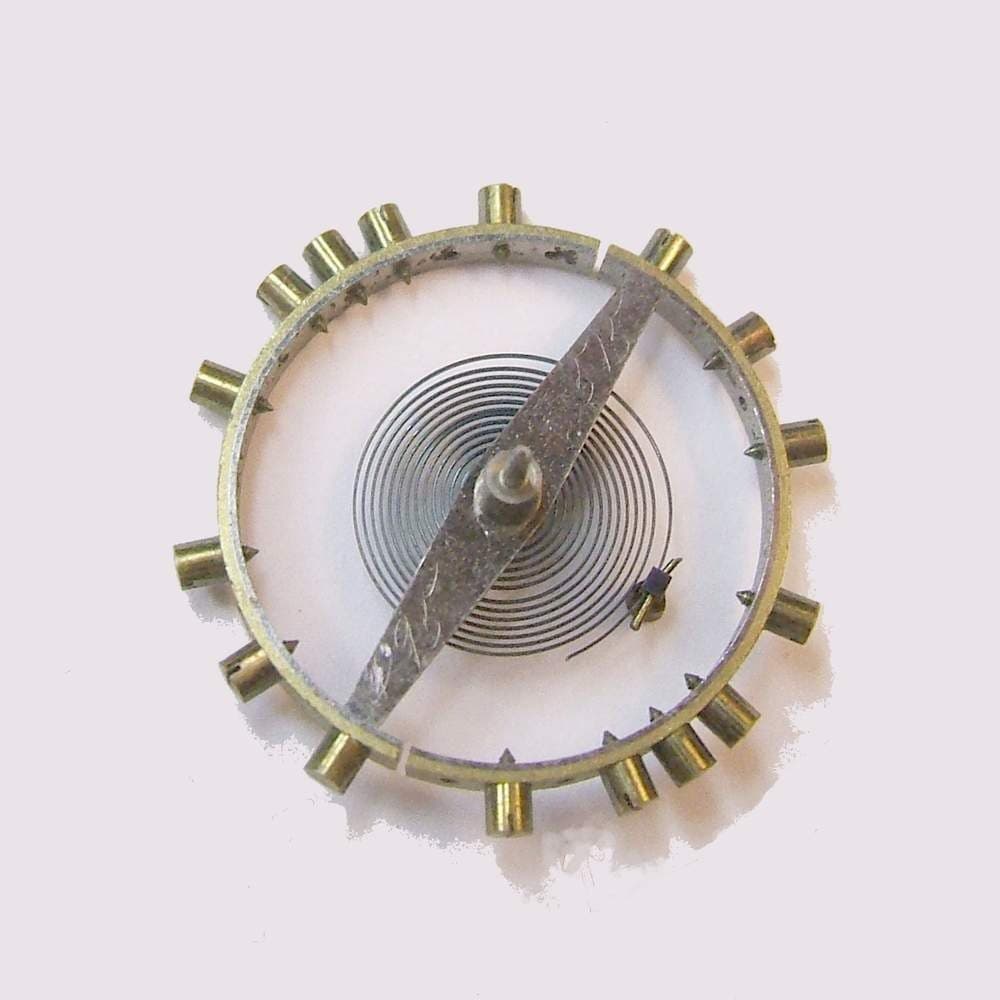
The Bimetallic Compensation Balance
Forge གྱིས
ལྕགས་བཟོ
༤༨
༠
༠
༠
༡
༠
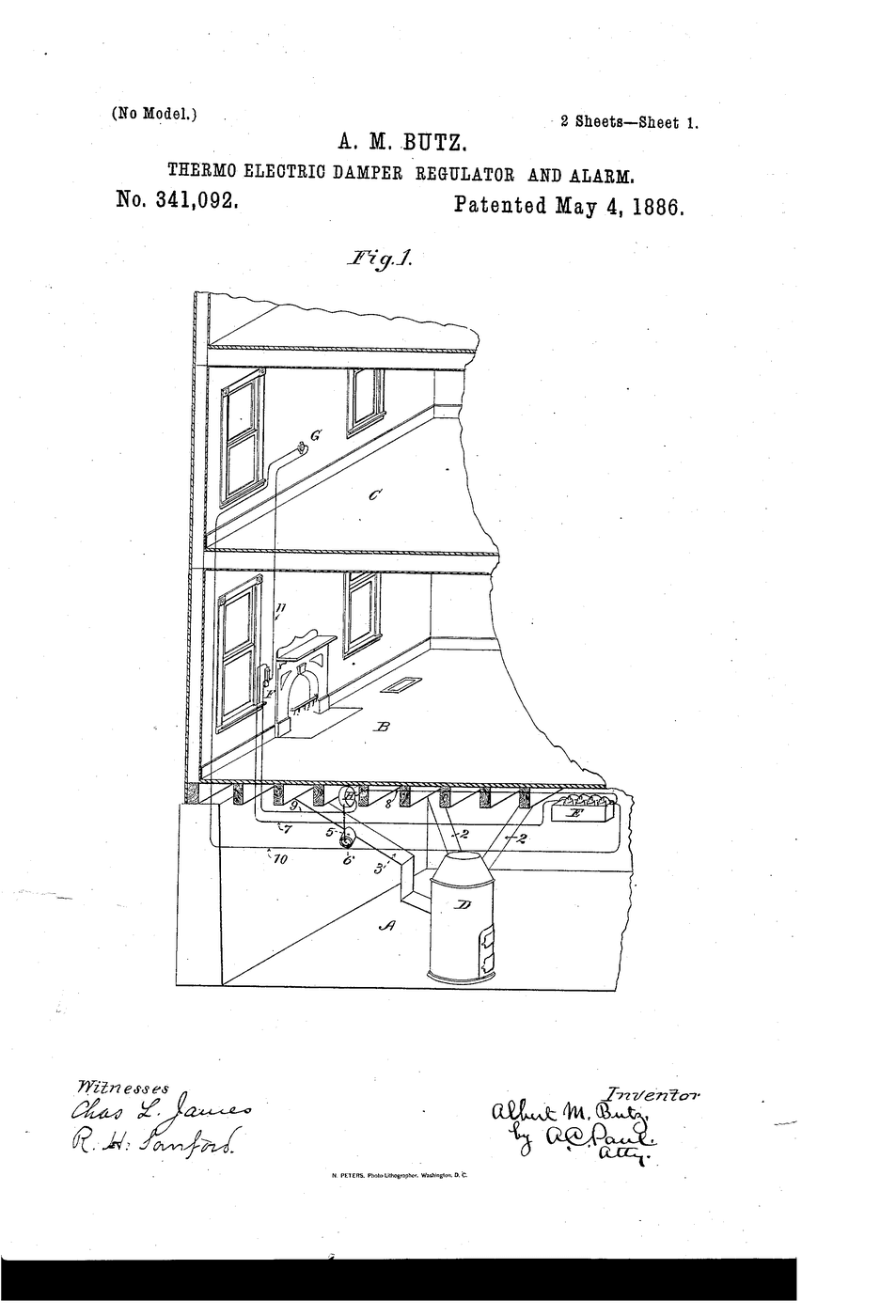
Butz Thermostat
Ed གྱིས
གློག་འཕྲུལ
༣༩
༠
༠
༠
༠
༠
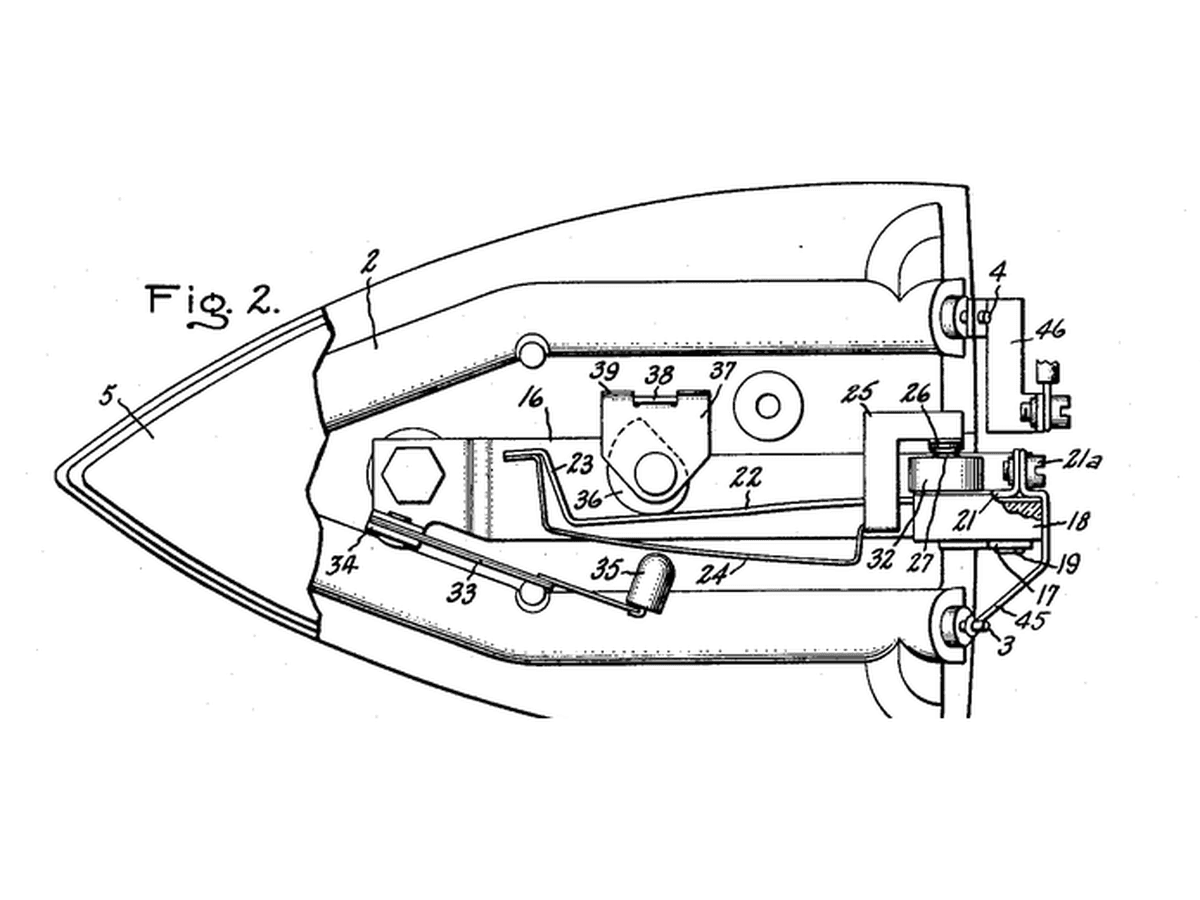
Thermostatic Electric Iron
Volt གྱིས
གློག་འཕྲུལ
༢༢
༠
༠
༠
༠
༠
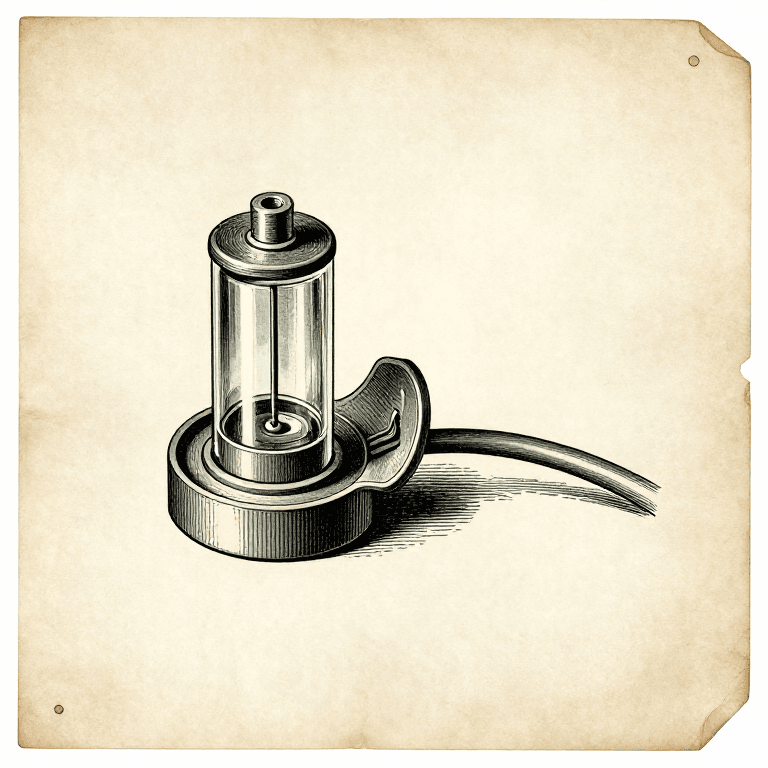
The Fuse Protects the Wire, Not the Thing You Plugged In
Volt གྱིས
རིག་རྩལ
༢༦
༠
༠
༠
༠
༠
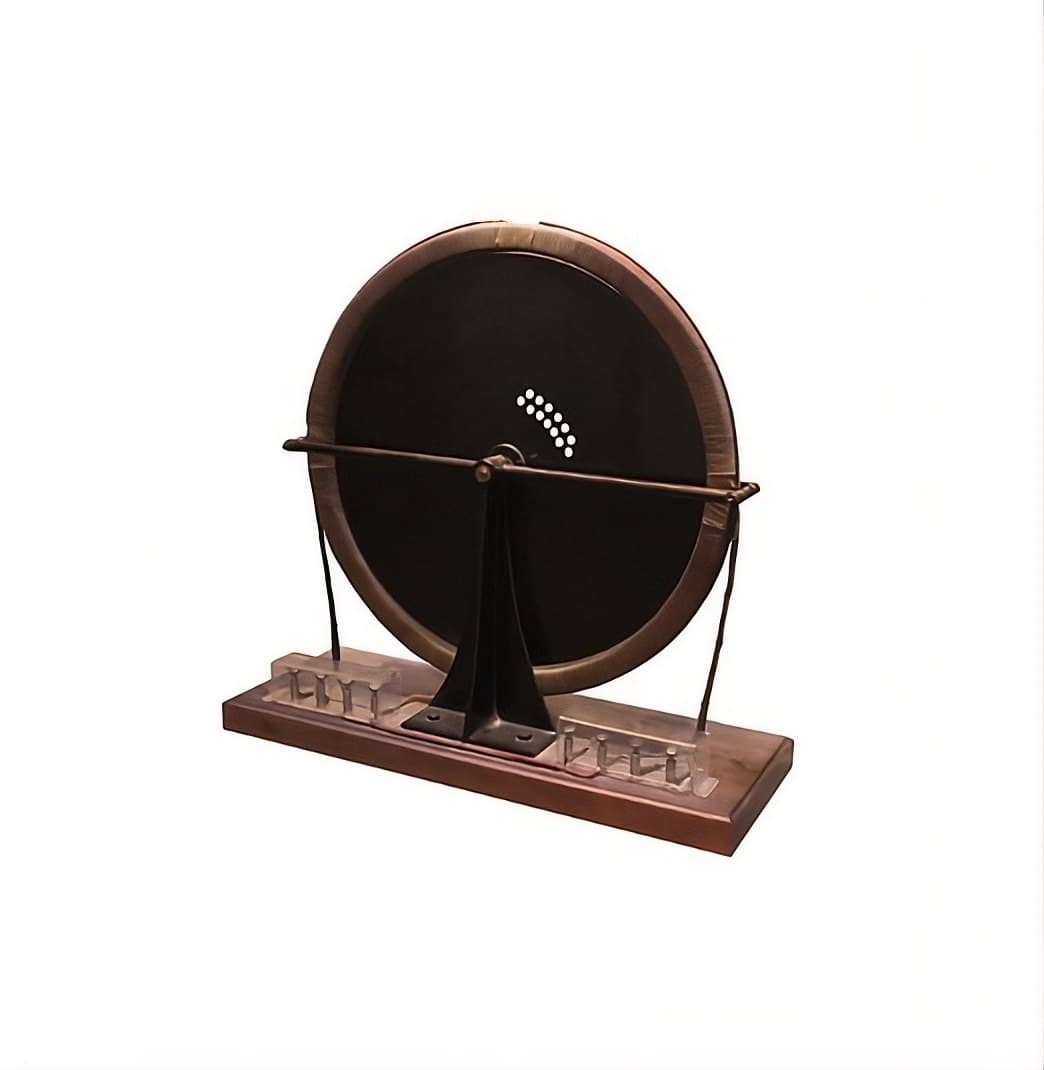
Tesla Induction Motor
Volt གྱིས
རིག་རྩལ
༤༨
༠
༠
༠
༠
༠

Ohm's Law at the Bench: Picking the Resistor That Saves the LED
Volt གྱིས
གློག་འཕྲུལ
༢༣
༠
༠
༠
༠
༠
CC0 སྤྱི་དབང
བིལུ་པིརིན་ཊི་འདི་CC0 འོག་བཀྲམས་ཡོད། ཁྱེད་རང་གིས་ཆོག་མཆན་མ་བཞེས་པར་ཕབ་ལེན་དང་བཟོ་བཅོས། བགོ་བཤའ། དགོས་མཁོ་གང་ལའང་བཀོལ་སྤྱོད་བྱས་ཆོག
བཟོ་མཁན་ལ་རྒྱབ་སྐྱོར་བྱེད་པའི་ཆེད་ཁོང་ཚོའི་བིལུ་པིརིན་ཊི་བརྒྱུད་ཐོན་སྐྱེད་ཉོ། བཟོ་མཁན་གྱིས བཟོ་མཁན་གྱི་ཁེ་ཕོགས ཚོང་པས་གཏན་འཁེལ་བྱས་པ། ཡང་ན་བིལུ་པིརིན་ཊི་འདིའི་པར་གསར་བཟོས་ཏེ་ཁྱེད་རང་གི་བིལུ་པིརིན་ཊི་ནང་མཐུད་སྦྲེལ་བྱས་ཏེ་ཡོང་སྒོ་བགོ་བཤའ་བྱེད།