སྒྱུ་རྩལ
མཛེས་སྡུག་དང་བདེ་ཐང
བཟོ་རིག
རིག་གནས་དང་ལོ་རྒྱུས
དགའ་སྟོན
ཁོར་ཡུག
ཟས་དང་བཏུང་རྫས
ཕྱིར་འཕྲུལ་རིག
ཚན་རིག
རྩེད་འགྲན
རིག་རྩལ
གྱོན་རུང
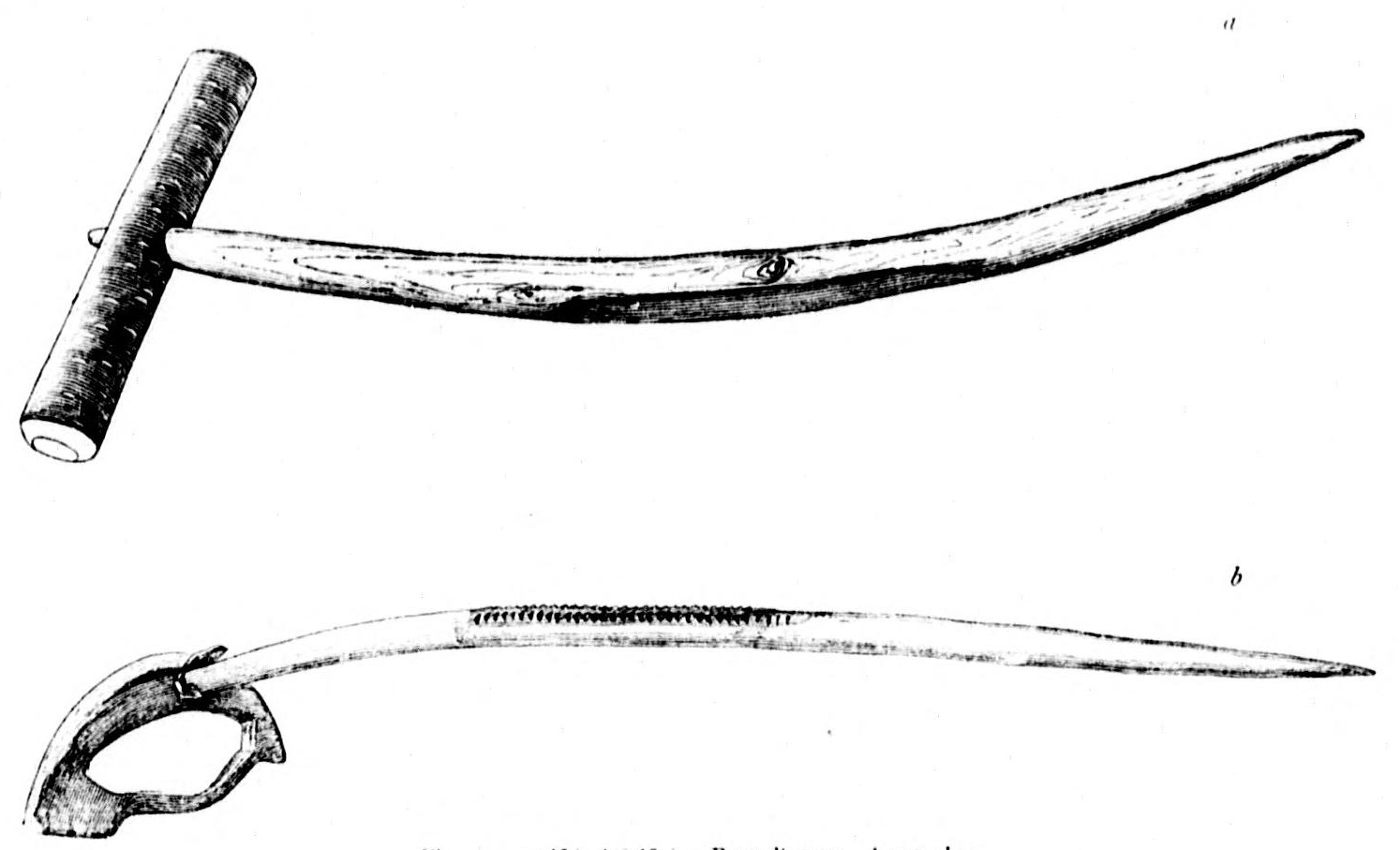

Thompson (Nlaka'pamux) Root-Digger: Serviceberry Stick, Point Bent and Fire-Hardened, Loose in a Cross Handle so It Reverses (Teit, 1900)
The Thompson (Nlaka'pamux) women's root-digger, from James Teit: a 2 to 2½ ft stick of serviceberry or other hard wood, pointed and slightly bent at the tip and sometimes charred there to toughen it, pushed loosely through a wooden or horn cross-handle so it can be turned end for end when one point dulls.
འགོ་བཙུགས
An hour or two
ལམ་སྟོན
1
1
Read Teit
Read Teit
"The stick is inserted loosely in the handle, so that it can be reversed when one point gets dull."
2
2
Shape the stick
Shape the stick
Cut a stick of serviceberry or other hard wood 2 to 2½ ft (60-75 cm) long (thickness ours: about 2.5 cm). Point it with a slight bend near the tip (ours: point both ends so it reverses).
གོམ་པ་འདིའི་རྫས་རིགས:
 ཤིང་སྲ་གི་ཤིང་ཕྲང་།1 དུམ་བུ།
ལག་ཆས་དགོས་མཁོ:
 གྲི།
 ཡུ་བ་གཉིས་ཀྱི་བཤུས་གྲི།
3
3
Toughen the point
Toughen the point
Char the point a little in the fire to make it tougher, then scrape off the loose char (scraping ours).
ལག་ཆས་དགོས་མཁོ:
 མེའི་དོང་།གྲི།
4
4
Fit the handle
Fit the handle
Make a short cross-handle of wood (or horn) with a hole through the middle, and push the stick through loosely. When the point dulls, pull it out and turn it end for end.
གོམ་པ་འདིའི་རྫས་རིགས:
 ཤིང་གི་གཟེར།1 དུམ་བུ།
ལག་ཆས་དགོས་མཁོ:
 རུས་པའི་སྣུན་ཆས།གྲི།
5
5
Troubleshooting
Troubleshooting
Root-digger troubleshooting.
Flow
Loading...
6
6
History and honest limits
History and honest limits
From James Teit, *The Thompson Indians of British Columbia*, **Memoirs of the American Museum of Natural History, Jesup North Pacific Expedition** vol. I part IV (1900), p. 231 and Fig. 212 (checked on the archive.org scan cihm_16242). By 1900 iron rods with a wooden handle had mostly replaced it. Women carried a small basket on the back while digging and emptied it into a larger one. Thickness and the double point are ours.
རྫས་རིགས
2- 1 དུམ་བུ།ས་ཆ་འཛིན
- 1 དུམ་བུ།ས་ཆ་འཛིན
བིལུ་པིརིན་ཊི་འདི་གིས་བཟོ་མི

འབྲེལ་ཡོད་བིལུ་པིརིན་ཊི
བིལུ་པིརིན་ཊི་འདི་ཚུ་ཐབས་ལམ་དང་རྫས་རིགས། སྤྱི་ཆོས་བགོ་བཤའ་བྱེད
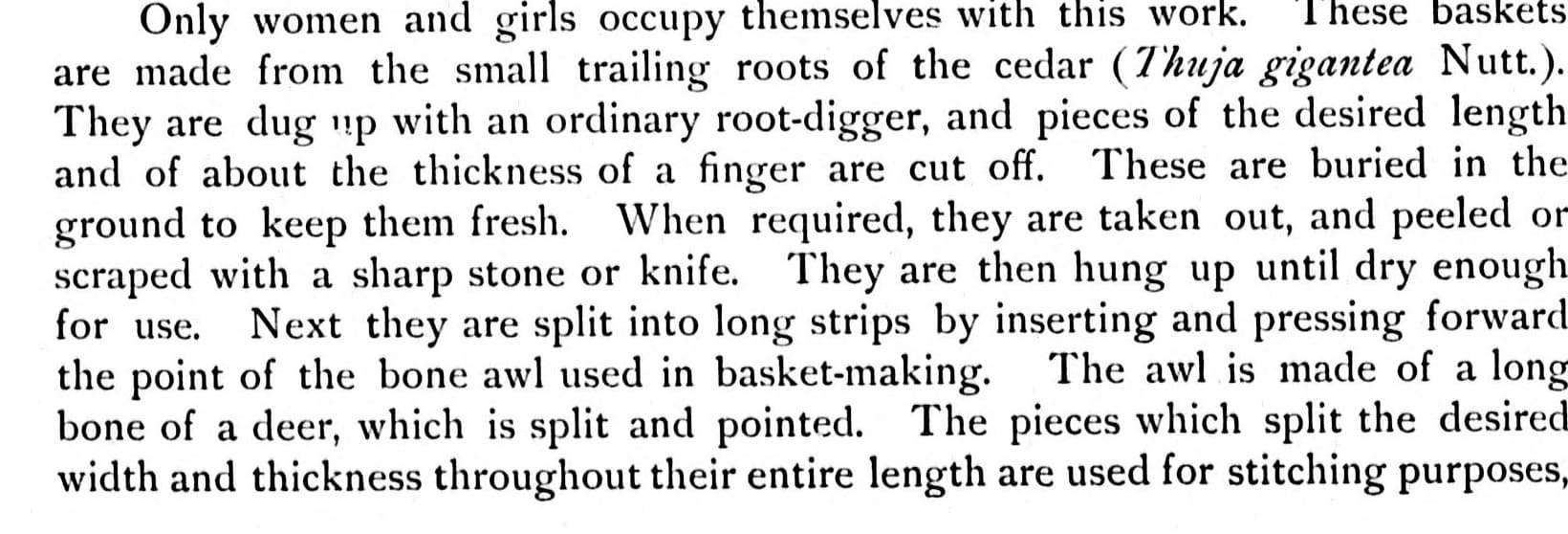
Thompson (Nlaka'pamux) Split Cedar Roots: Finger-Thick Roots Dug, Buried Fresh, Peeled, Dried and Split with a Bone Awl (Teit, 1900)
Tex གྱིས
རས་དང་པགས
༡༣
༠
༠
༠
༠
༠
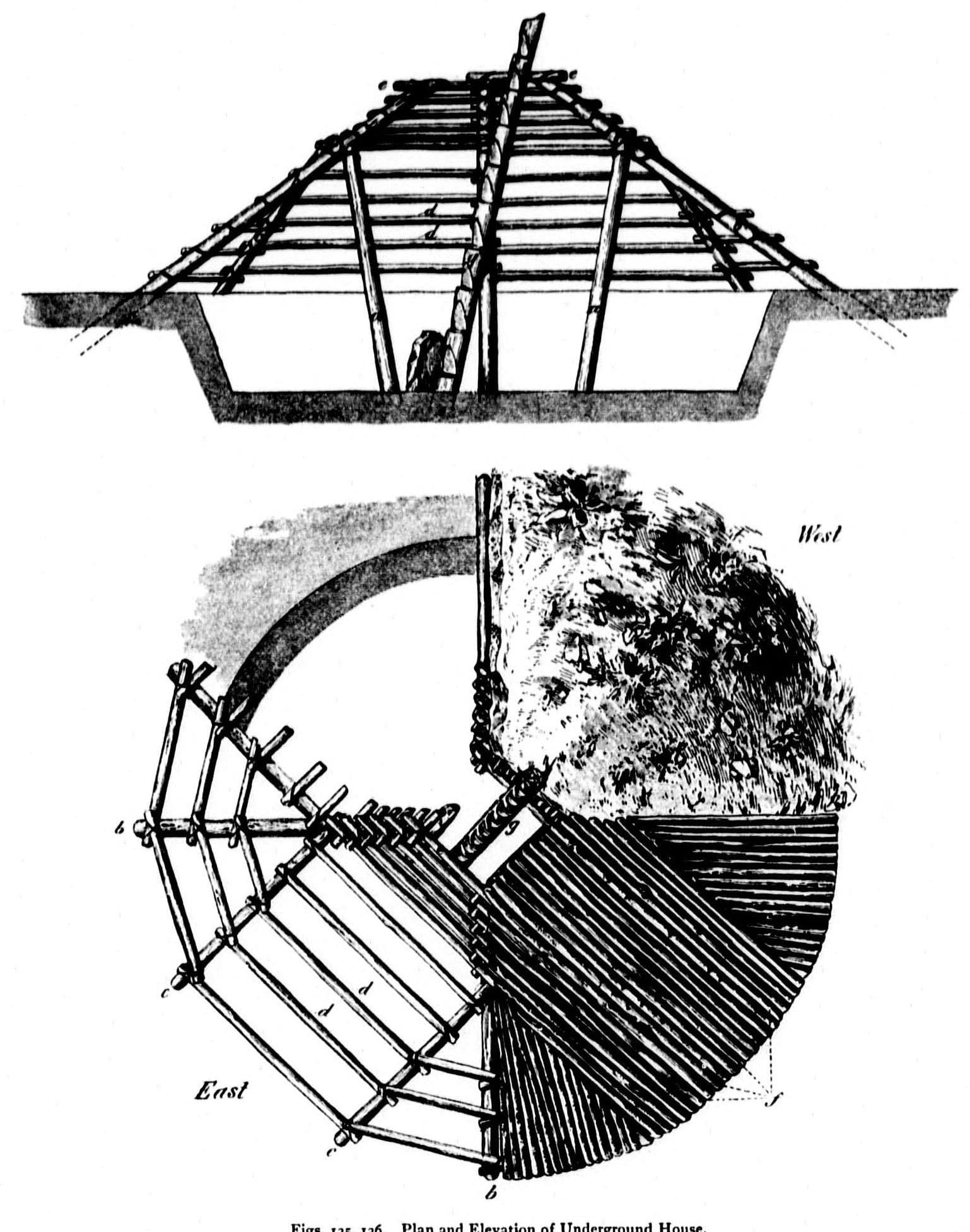
Thompson (Nlaka'pamux) Winter Pit House: Circle Laid Out with Two Crossed Ropes, Four Rafters on Braces, Earth-Covered, Notched-Log Ladder (Teit, 1900)
Woody གྱིས
ཤིང་བཟོ
༧
༠
༠
༠
༠
༠
CC0 སྤྱི་དབང
བིལུ་པིརིན་ཊི་འདི་CC0 འོག་བཀྲམས་ཡོད། ཁྱེད་རང་གིས་ཆོག་མཆན་མ་བཞེས་པར་ཕབ་ལེན་དང་བཟོ་བཅོས། བགོ་བཤའ། དགོས་མཁོ་གང་ལའང་བཀོལ་སྤྱོད་བྱས་ཆོག
བཟོ་མཁན་ལ་རྒྱབ་སྐྱོར་བྱེད་པའི་ཆེད་ཁོང་ཚོའི་བིལུ་པིརིན་ཊི་བརྒྱུད་ཐོན་སྐྱེད་ཉོ། བཟོ་མཁན་གྱིས བཟོ་མཁན་གྱི་ཁེ་ཕོགས ཚོང་པས་གཏན་འཁེལ་བྱས་པ། ཡང་ན་བིལུ་པིརིན་ཊི་འདིའི་པར་གསར་བཟོས་ཏེ་ཁྱེད་རང་གི་བིལུ་པིརིན་ཊི་ནང་མཐུད་སྦྲེལ་བྱས་ཏེ་ཡོང་སྒོ་བགོ་བཤའ་བྱེད།