སྒྱུ་རྩལ
མཛེས་སྡུག་དང་བདེ་ཐང
བཟོ་རིག
རིག་གནས་དང་ལོ་རྒྱུས
དགའ་སྟོན
ཁོར་ཡུག
ཟས་དང་བཏུང་རྫས
ཕྱིར་འཕྲུལ་རིག
ཚན་རིག
རྩེད་འགྲན
རིག་རྩལ
གྱོན་རུང
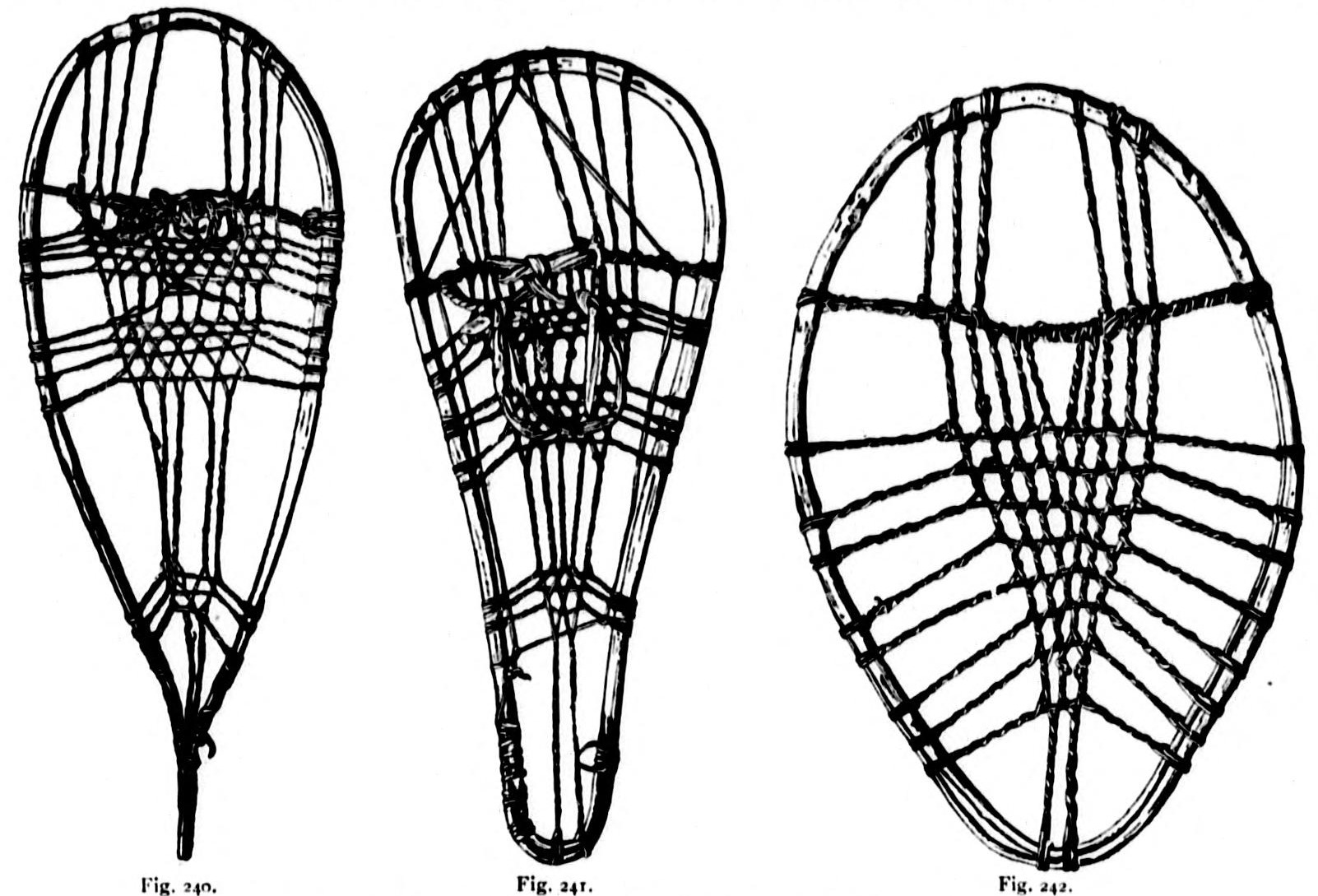


Thompson (Nlaka'pamux) Snowshoes: One-Piece Maple or Yew Frames Steamed in Pairs, Netted with Twisted Raw Deer-Hide (Teit, 1900)
Snowshoes of the Thompson (Nlaka'pamux) people, from James Teit: each frame a single rod of mountain maple or yew, the two frames tied together and their points spread with a short stick so they steam into a matching pair with turned-up toes, then netted with fine, slightly twisted strings of raw deer-hide. Rounded, wide-meshed shoes for steep mountains and wet snow.
བར་མ
Two or three days
ལམ་སྟོན
1
1
Read Teit
Read Teit
"The frame is made of one piece of mountain-maple or yew wood, and the network is of raw deer-hide cut into fine strings and slightly twisted."
2
2
Shape two frame rods
Shape two frame rods
For each shoe take one rod of mountain maple or yew and shave it even (ours: about 2.5 m long and 2.5 cm thick for a rounded shoe of roughly 90 x 40 cm).
གོམ་པ་འདིའི་རྫས་རིགས:
 ཤིང་རློན་པའི་ཀ་བ།1 དུམ་བུ།
ལག་ཆས་དགོས་མཁོ:
 གྲི།
 ཡུ་བ་གཉིས་ཀྱི་བཤུས་གྲི།
3
3
Bend and steam as a pair
Bend and steam as a pair
Bend each rod into the frame shape, tie the two frames together and push a short stick between their points to spread them, so the toes turn up. Steam them in that position until they keep the shape. Ours: over a kettle of boiling water under a cover, then let them dry tied.
གོམ་པ་འདིའི་རྫས་རིགས:
 ཐག་པ།1 དུམ་བུ།
 ཆུ།1 དུམ་བུ།
ལག་ཆས་དགོས་མཁོ:
 ལྕགས་ཀྱི་ཇམ་སྦྱིས།
 མེའི་དོང་།གྲི།
4
4
Cut and twist the netting
Cut and twist the netting
Cut raw deer-hide into fine strings and twist them slightly. Ours: soak them so they shrink tight as they dry.
གོམ་པ་འདིའི་རྫས་རིགས:
 པགས་ཀོ་རྗེན་མའི་ཕྲེང་བུ།1 དུམ་བུ།ཆུ།1 དུམ་བུ།
ལག་ཆས་དགོས་མཁོ:
གྲི།5
5
Net the shoe
Net the shoe
Lash in cross-bars and net the frame. The Lower Thompsons used rounded frames with rather wide meshes, good on steep slopes and in moist snow; the upper bands made them longer and netted them more closely. Ours: follow the ordinary snowshoe, Fig. 242.
གོམ་པ་འདིའི་རྫས་རིགས:
པགས་ཀོ་རྗེན་མའི་ཕྲེང་བུ།1 དུམ་བུ།ལག་ཆས་དགོས་མཁོ:
 ཁབ་ཆེན།གྲི།
6
6
Troubleshooting
Troubleshooting
Snowshoe troubleshooting.
Flow
Loading...
7
7
History and honest limits
History and honest limits
From James Teit, *The Thompson Indians of British Columbia*, **Memoirs of the American Museum of Natural History, Jesup North Pacific Expedition** vol. I part IV (1900), pp. 256-257 and Figs. 239-242 (checked on the archive.org scan cihm_16242). He names six netting forms, among them the 'owl sole' and 'magpie sole', and a Shuswap type four to five feet long and pointed at both ends. Sizes, the steaming setup and the netting order are ours.
རྫས་རིགས
4- 1 དུམ་བུ།ས་ཆ་འཛིན
- 1 དུམ་བུ།ས་ཆ་འཛིན
- 2 དུམ་བུ།ས་ཆ་འཛིན
- 1 དུམ་བུ།ས་ཆ་འཛིན
བིལུ་པིརིན་ཊི་འདི་གིས་བཟོ་མི
འབྲེལ་ཡོད་བིལུ་པིརིན་ཊི
བིལུ་པིརིན་ཊི་འདི་ཚུ་ཐབས་ལམ་དང་རྫས་རིགས། སྤྱི་ཆོས་བགོ་བཤའ་བྱེད
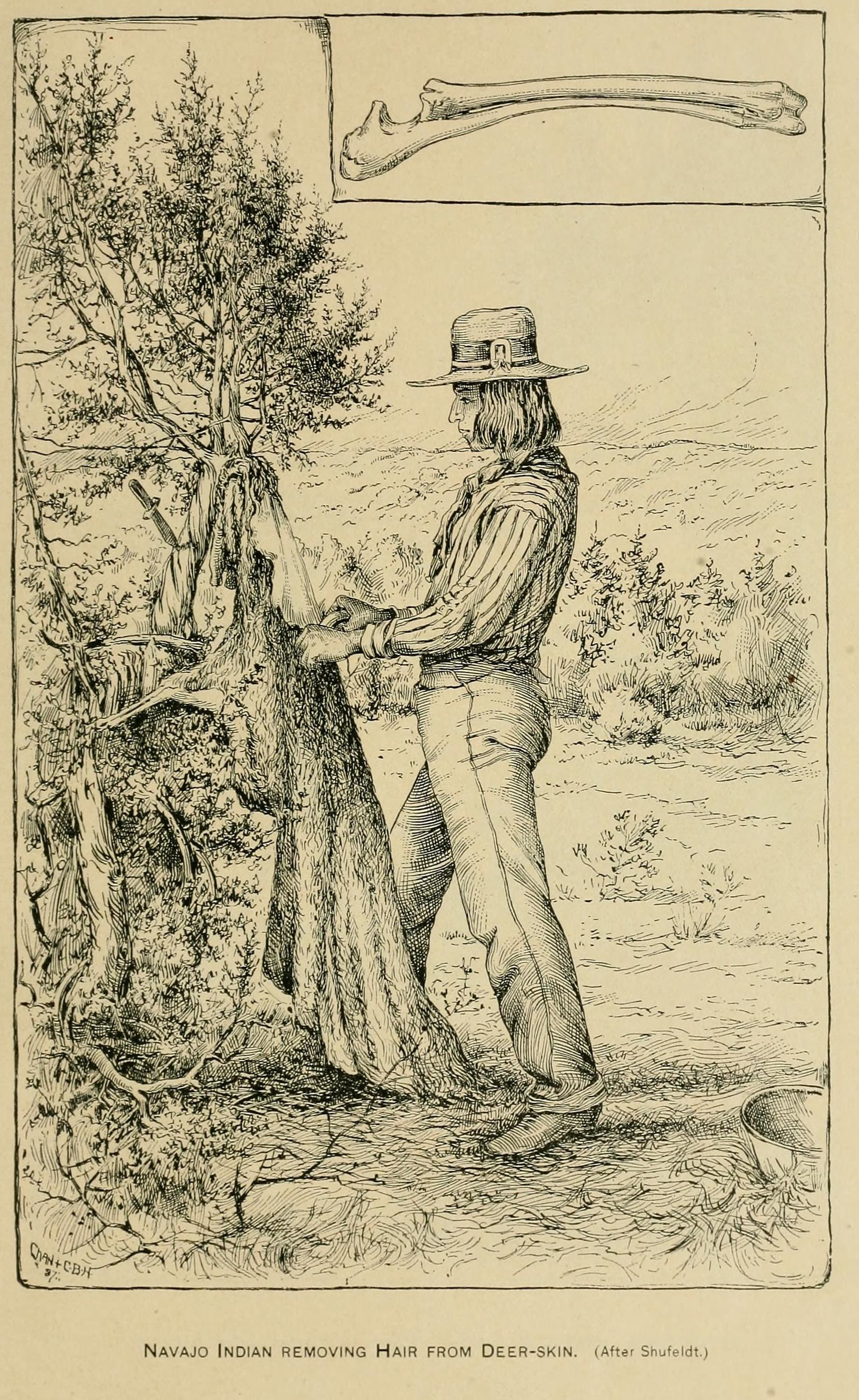
Navajo Buckskin: Hair Shaved with the Deer's Own Foreleg Bone, Brains Rubbed In, Wrung on a Tree, Worked Dry over the Feet (Shufeldt, 1888)
Tex གྱིས
རས་དང་པགས
༧
༠
༠
༠
༠
༠
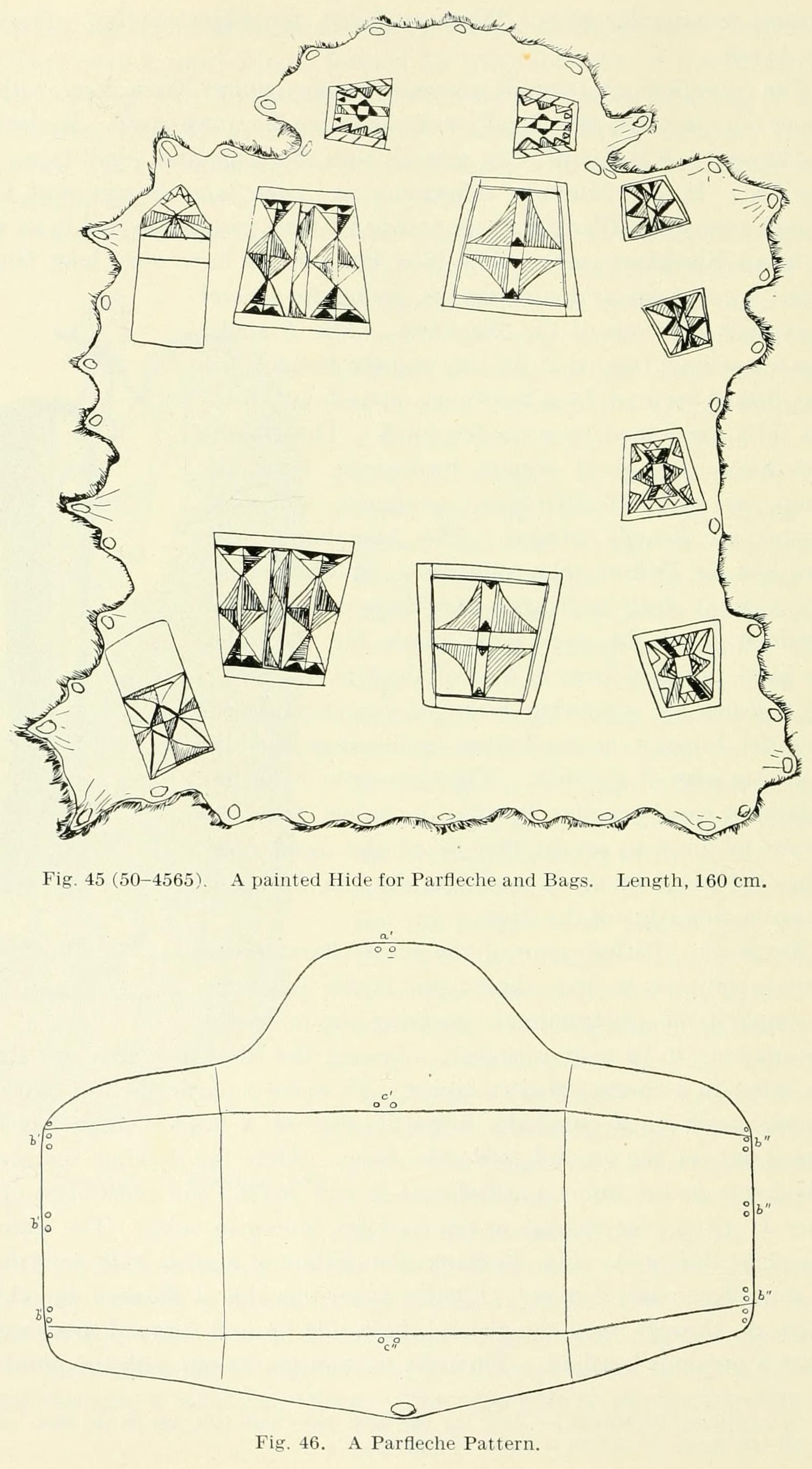
Blackfoot Parfleche: Rawhide Pegged Out, Fleshed, Painted While Staked, Scraped Even, Cut and Folded Like an Envelope (Wissler, 1910)
Tex གྱིས
རས་དང་པགས
༧
༠
༠
༠
༠
༠
CC0 སྤྱི་དབང
བིལུ་པིརིན་ཊི་འདི་CC0 འོག་བཀྲམས་ཡོད། ཁྱེད་རང་གིས་ཆོག་མཆན་མ་བཞེས་པར་ཕབ་ལེན་དང་བཟོ་བཅོས། བགོ་བཤའ། དགོས་མཁོ་གང་ལའང་བཀོལ་སྤྱོད་བྱས་ཆོག
བཟོ་མཁན་ལ་རྒྱབ་སྐྱོར་བྱེད་པའི་ཆེད་ཁོང་ཚོའི་བིལུ་པིརིན་ཊི་བརྒྱུད་ཐོན་སྐྱེད་ཉོ། བཟོ་མཁན་གྱིས བཟོ་མཁན་གྱི་ཁེ་ཕོགས ཚོང་པས་གཏན་འཁེལ་བྱས་པ། ཡང་ན་བིལུ་པིརིན་ཊི་འདིའི་པར་གསར་བཟོས་ཏེ་ཁྱེད་རང་གི་བིལུ་པིརིན་ཊི་ནང་མཐུད་སྦྲེལ་བྱས་ཏེ་ཡོང་སྒོ་བགོ་བཤའ་བྱེད།