སྒྱུ་རྩལ
མཛེས་སྡུག་དང་བདེ་ཐང
བཟོ་རིག
རིག་གནས་དང་ལོ་རྒྱུས
དགའ་སྟོན
ཁོར་ཡུག
ཟས་དང་བཏུང་རྫས
ཕྱིར་འཕྲུལ་རིག
ཚན་རིག
རྩེད་འགྲན
རིག་རྩལ
གྱོན་རུང
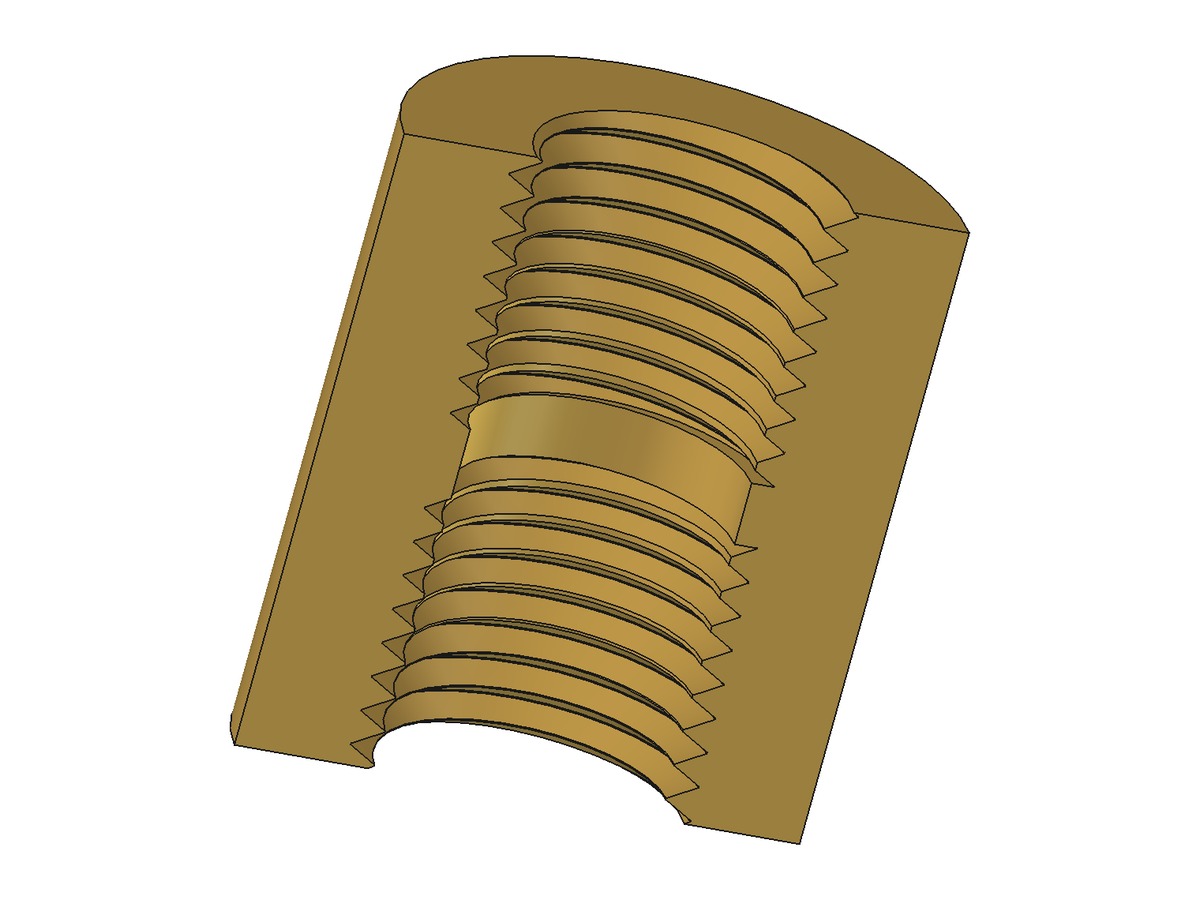


Threaded Pipe Coupling: Brass Bar Drilled, Taper-Reamed and Tapped to the Briggs Standard (Machinery's Handbook, 1924)
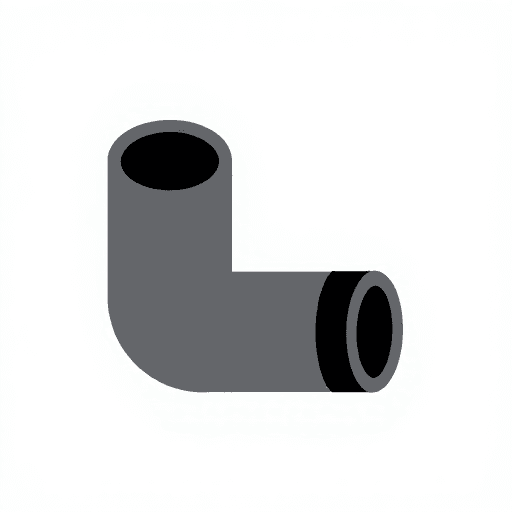
A straight coupling that joins two threaded pipes, made from a short piece of brass bar. It is drilled to the tap drill, reamed to the pipe taper from each end and tapped with a taper pipe tap, so the pipe threads wedge tight. Sizes follow the Briggs standard pipe thread as tabled in Machinery's Handbook of 1924.
བར་མ
About 1 hour
ལམ་སྟོན
1
1
How a taper pipe tap works
How a taper pipe tap works
Why a pipe thread is tapered and how a taper tap cuts it (Live Free).
2
2
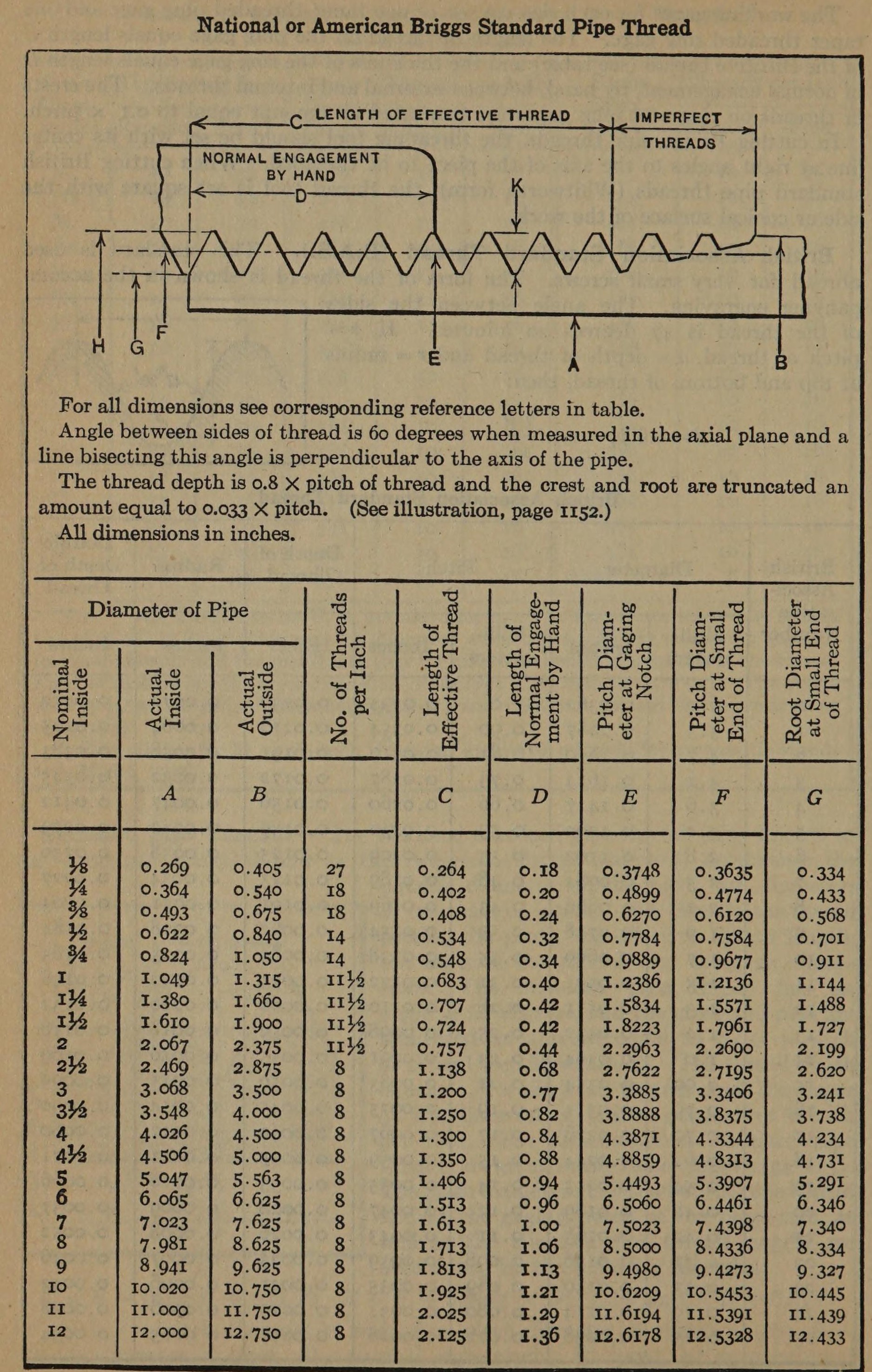
The Briggs standard pipe thread
The Briggs standard pipe thread
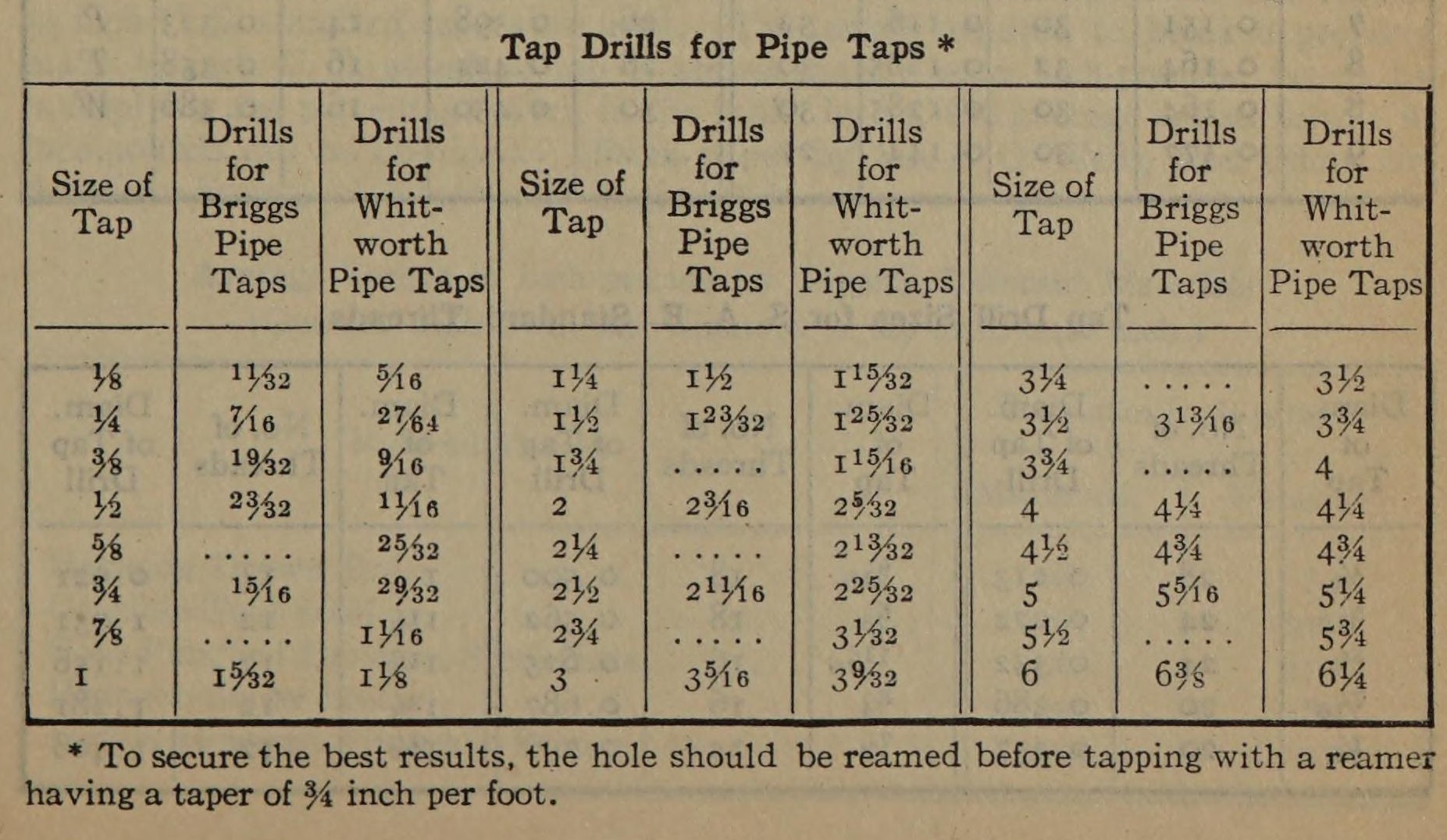
Machinery's Handbook (1924): the thread angle is 60 degrees, the depth 0.8 x pitch with crest and root truncated 0.033 x pitch, and the taper 1/16 inch per inch on the diameter. For 1/4 in pipe: 18 threads per inch, effective thread 0.402 in, normal engagement by hand 0.20 in. Its tap drill table gives 7/16 in and adds: "the hole should be reamed before tapping with a reamer having a taper of 3/4 inch per foot".
3
3
Sizes for your pipe
Sizes for your pipe
Jupyter ཚང་དེབ་མངོན་གསལ་འབད་དོ་…
ལག་ཆས་དགོས་མཁོ:
 ཨང་རྟགས་ཚད་འཇལ་ཆས་ ཨིནཅི 6
4
4
Cut and square the blank
Cut and square the blank
For 1/4 in pipe, saw 30 mm off 7/8 in brass round bar and file both ends flat and square to the sides, to 1 in long. Mark the centre of each end and punch it.
གོམ་པ་འདིའི་རྫས་རིགས:
 རག་གི་ཟླུམ་ཤིང་།1 piece (7/8 in, 30 mm)
ལག་ཆས་དགོས་མཁོ:
 ལྕགས་གཏུབ་སོག་ལེ།
 ལས་ཅོག་གི་འཛིན་ཆས།
 ལྕགས་ཀྱི་དར་མ།
 མཉམ་སྦྱོར་གྲུ་བཞི།
 དབུས་ཀྱི་རྟགས་ཆས།ཨང་རྟགས་ཚད་འཇལ་ཆས་ ཨིནཅི 6
5
5
Drill through
Drill through
Stand the blank upright in a V-block on the drill press table, centred under the drill. Drill through with the tap drill, 7/16 in for 1/4 in pipe, in steps from a small pilot drill.
ལག་ཆས་དགོས་མཁོ:
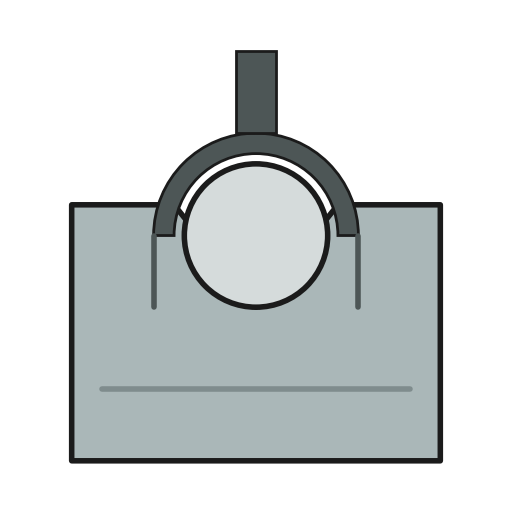 V གཟུགས་ཅན་གྱི་ལྕགས་དུམ།
 འཁོད་བཞག་ཕུག་འཕྲུལ།
 ཕུག་མགོའི་ཚོགས་ཆས།
6
6
Ream the taper from each end
Ream the taper from each end
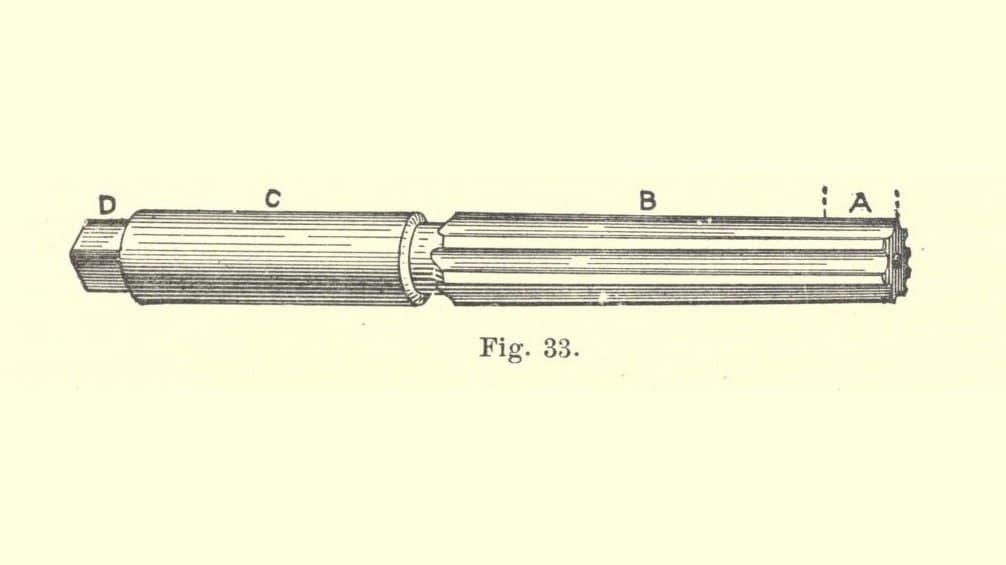
With the blank in the vise, turn the 3/4 in per foot taper pipe reamer into each end in the tap wrench, a little at a time, until the mouth measures about 0.445 in (11.3 mm) across for 1/4 in pipe: the thread's minor diameter there, which is ours, worked from the table as the gauge pitch diameter 0.4899 in less 0.8 x pitch.
གོམ་པ་འདིའི་རྫས་རིགས:
 གཏུབ་སྣུམ།2 ml
ལག་ཆས་དགོས་མཁོ:
ལས་ཅོག་གི་འཛིན་ཆས།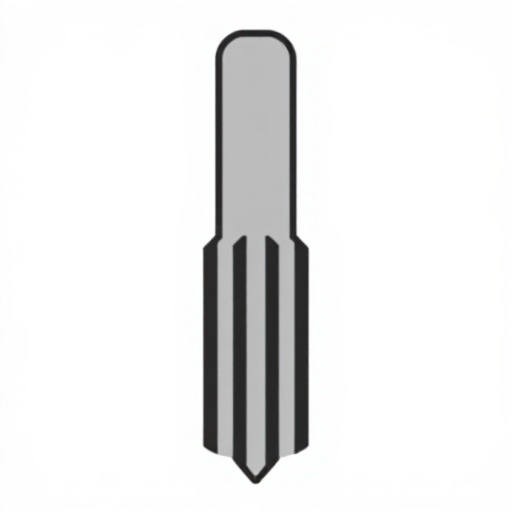 ཁུང་རྒྱ་བསྐྱེད་ཆས།
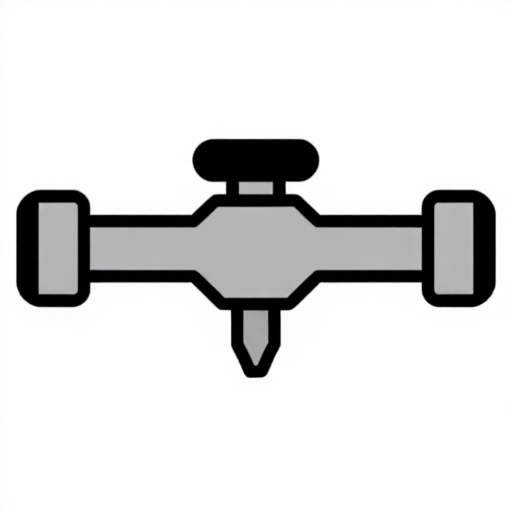 སྐུད་རིས་བསྐོར་ཆས།ཨང་རྟགས་ཚད་འཇལ་ཆས་ ཨིནཅི 6
7
7
Tap each end and try the pipe
Tap each end and try the pipe
Start the taper pipe tap square in one end and cut, backing off every half turn to break the chip. Stop, clear the chips and screw in a threaded pipe by hand: it should go about 3.6 turns (0.20 in, the book's hand engagement). Tap a little more if it goes in less; stop as soon as it reaches it. Tap the other end the same way.
གོམ་པ་འདིའི་རྫས་རིགས:
གཏུབ་སྣུམ།2 mlལག་ཆས་དགོས་མཁོ:
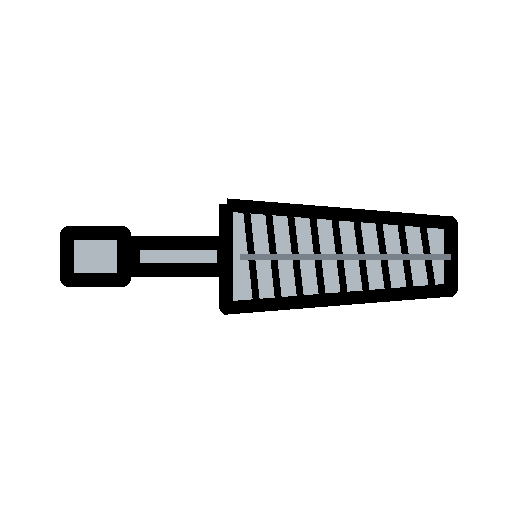 Taper Pipe Tapསྐུད་རིས་བསྐོར་ཆས།ལས་ཅོག་གི་འཛིན་ཆས།
 ལྕགས་ཀྱི་ཕྱི་ལམ (གྱང་སྟུག་ཏོག་ཏོ། མཇུག་ལུ་སྐུད་རིས་ཡོད་མི)མཉམ་སྦྱོར་གྲུ་བཞི།
8
8
Troubleshooting
Troubleshooting
Coupling problems and fixes.
Flow
Loading...
9
9
History and honest limits
History and honest limits
Machinery's Handbook (Industrial Press, 1924) tables this thread as the National or American Briggs Standard Pipe Thread, also called the American standard. The thread sizes, tap drills and taper reaming are the book's; the bar, its length and the way of holding and testing are ours. A bar coupling is for low-pressure air, gas and water work; use rated fittings for steam or high pressure. Not made by us yet.
རྫས་རིགས
2- 1 piece (7/8 in, 30 mm)ས་ཆ་འཛིན
- 4 mlས་ཆ་འཛིན
ལག་ཆས་དགོས་མཁོ
13- ས་ཆ་འཛིན
- ས་ཆ་འཛིན
- ས་ཆ་འཛིན
- ས་ཆ་འཛིན
- ས་ཆ་འཛིན
- ས་ཆ་འཛིན
- ས་ཆ་འཛིན
- ས་ཆ་འཛིན
- ས་ཆ་འཛིན
- ས་ཆ་འཛིན
- ས་ཆ་འཛིན
- ས་ཆ་འཛིན
མཐུད་སྦྲེལ་བིལུ་པིརིན་ཊི་རྫས་རིགས
བིལུ་པིརིན་ཊི་འདི་གིས་བཟོ་མི
CC0 སྤྱི་དབང
བིལུ་པིརིན་ཊི་འདི་CC0 འོག་བཀྲམས་ཡོད། ཁྱེད་རང་གིས་ཆོག་མཆན་མ་བཞེས་པར་ཕབ་ལེན་དང་བཟོ་བཅོས། བགོ་བཤའ། དགོས་མཁོ་གང་ལའང་བཀོལ་སྤྱོད་བྱས་ཆོག
བཟོ་མཁན་ལ་རྒྱབ་སྐྱོར་བྱེད་པའི་ཆེད་ཁོང་ཚོའི་བིལུ་པིརིན་ཊི་བརྒྱུད་ཐོན་སྐྱེད་ཉོ། བཟོ་མཁན་གྱིས བཟོ་མཁན་གྱི་ཁེ་ཕོགས ཚོང་པས་གཏན་འཁེལ་བྱས་པ། ཡང་ན་བིལུ་པིརིན་ཊི་འདིའི་པར་གསར་བཟོས་ཏེ་ཁྱེད་རང་གི་བིལུ་པིརིན་ཊི་ནང་མཐུད་སྦྲེལ་བྱས་ཏེ་ཡོང་སྒོ་བགོ་བཤའ་བྱེད།