སྒྱུ་རྩལ
མཛེས་སྡུག་དང་བདེ་ཐང
བཟོ་རིག
རིག་གནས་དང་ལོ་རྒྱུས
དགའ་སྟོན
ཁོར་ཡུག
ཟས་དང་བཏུང་རྫས
ཕྱིར་འཕྲུལ་རིག
ཚན་རིག
རྩེད་འགྲན
རིག་རྩལ
གྱོན་རུང
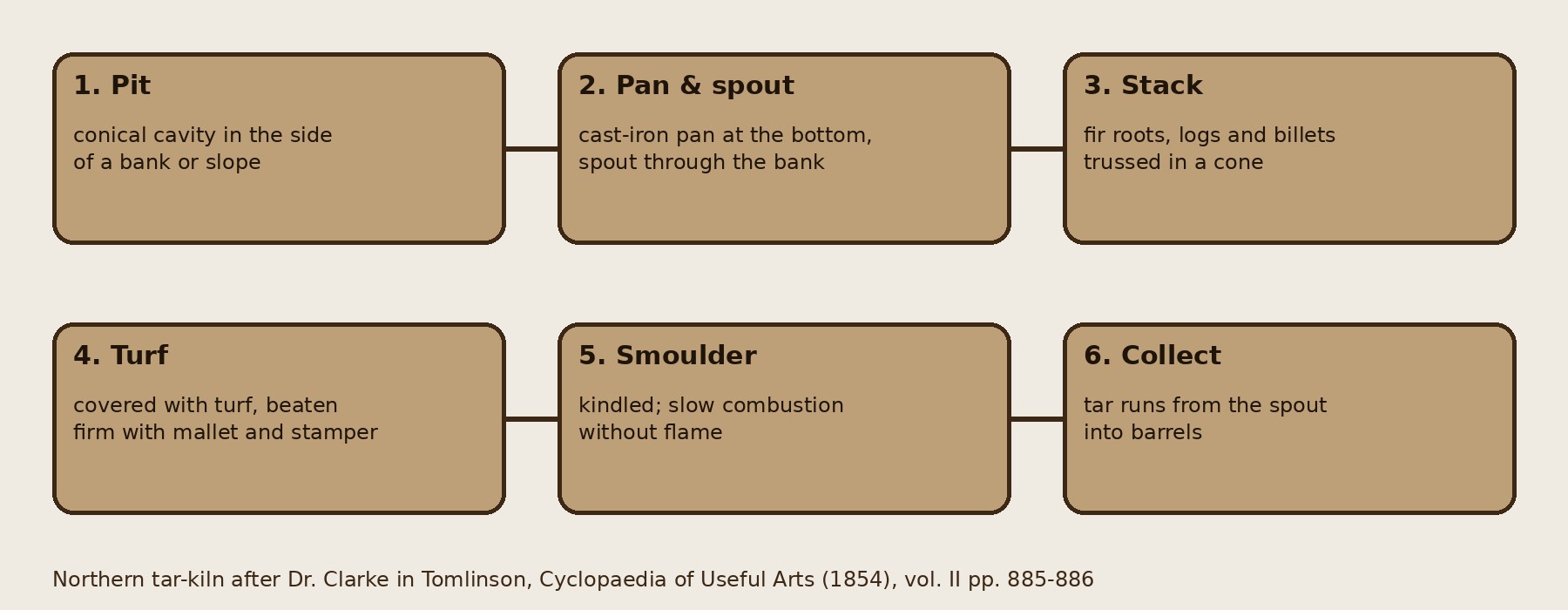


Pine Tar From a Turf-Covered Pit Kiln: Fir Roots Smouldered Over a Pan and Spout (Tomlinson, 1854)
The old northern way of making tar, from Dr. Clarke's account in Tomlinson's Cyclopaedia of Useful Arts (1854): fir roots and resinous billets stacked in a cone in a pit dug into a bank, covered with beaten turf and smouldered without flame, so the tar runs down into a cast-iron pan and out through a spout into barrels, leaving the wood as charcoal.
བར་མ
Several days
ལམ་སྟོན
1
1
What the kiln gives
What the kiln gives
Jupyter ཚང་དེབ་མངོན་གསལ་འབད་དོ་…
2
2
Read the Cyclopaedia of Useful Arts
Read the Cyclopaedia of Useful Arts
"The process by which the tar is obtained, is very simple."
3
3
Gather the wood
Gather the wood
Use fir (pine) roots, rotten stubs and scorched trunks, with logs and billets of the same; roots from marshy ground are richest. (Laing: stunted trees are peeled a fathom or two up the stem, by degrees, and felled 5 or 6 years later, rich in tar.)
གོམ་པ་འདིའི་རྫས་རིགས:
 རྩི་མང་བའི་ཤིང་།1 དུམ་བུ།
ལག་ཆས་དགོས་མཁོ:
 སྟ་རེ།
 ལག་སོག་ལེ།
4
4
Dig the pit
Dig the pit
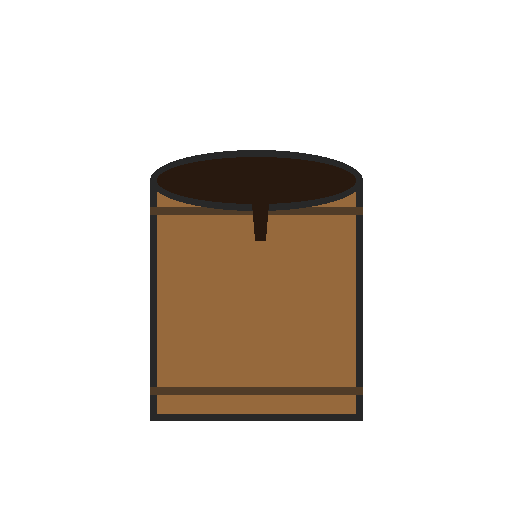
Dig a conical cavity in the side of a bank or sloping hill. Set a cast-iron pan at the bottom of the funnel with a spout projecting through the side of the bank.
ལག་ཆས་དགོས་མཁོ:
 ཁེམ།
 ཟས་སྣོད་ཆེན་པོ།
5
5
Stack and cover
Stack and cover
Truss the roots, logs and billets neatly in a conical stack and let it into the cavity. Cover it with turf and beat the turf down firm with a heavy wooden mallet and a wooden stamper, two people working.
ལག་ཆས་དགོས་མཁོ:
 ཤིང་གི་ཐོ་བ།ཁེམ།
6
6
Smoulder and collect
Smoulder and collect
Kindle the stack and let it burn slowly without flame, as in charcoal making. The tar exudes, runs into the pan and out of the spout: set barrels under it and bung them as they fill. The wood that remains is charcoal.
ལག་ཆས་དགོས་མཁོ:
 ཤིང་གི་ཟོ་བ།
7
7
Troubleshooting
Troubleshooting
Tar kiln troubleshooting.
Flow
Loading...
8
8
History and honest limits
History and honest limits
From Charles Tomlinson (ed.), **Cyclopaedia of Useful Arts** (1854), vol. II, "Turpentine", quoting Dr. Clarke and Mr. Laing (checked on the archive.org scan cyclopdiaofuse02tomlrich, pp. 885-886). He gives no pit sizes. The tools and diagram are ours.
རྫས་རིགས
1- 1 དུམ་བུ།ས་ཆ་འཛིན
ལག་ཆས་དགོས་མཁོ
6- ས་ཆ་འཛིན
- ས་ཆ་འཛིན
- ས་ཆ་འཛིན
- ས་ཆ་འཛིན
- ས་ཆ་འཛིན
- ས་ཆ་འཛིན
བིལུ་པིརིན་ཊི་འདི་གིས་བཟོ་མི
འབྲེལ་ཡོད་བིལུ་པིརིན་ཊི
བིལུ་པིརིན་ཊི་འདི་ཚུ་ཐབས་ལམ་དང་རྫས་རིགས། སྤྱི་ཆོས་བགོ་བཤའ་བྱེད

CC0 སྤྱི་དབང
བིལུ་པིརིན་ཊི་འདི་CC0 འོག་བཀྲམས་ཡོད། ཁྱེད་རང་གིས་ཆོག་མཆན་མ་བཞེས་པར་ཕབ་ལེན་དང་བཟོ་བཅོས། བགོ་བཤའ། དགོས་མཁོ་གང་ལའང་བཀོལ་སྤྱོད་བྱས་ཆོག
བཟོ་མཁན་ལ་རྒྱབ་སྐྱོར་བྱེད་པའི་ཆེད་ཁོང་ཚོའི་བིལུ་པིརིན་ཊི་བརྒྱུད་ཐོན་སྐྱེད་ཉོ། བཟོ་མཁན་གྱིས བཟོ་མཁན་གྱི་ཁེ་ཕོགས ཚོང་པས་གཏན་འཁེལ་བྱས་པ། ཡང་ན་བིལུ་པིརིན་ཊི་འདིའི་པར་གསར་བཟོས་ཏེ་ཁྱེད་རང་གི་བིལུ་པིརིན་ཊི་ནང་མཐུད་སྦྲེལ་བྱས་ཏེ་ཡོང་སྒོ་བགོ་བཤའ་བྱེད།