སྒྱུ་རྩལ
མཛེས་སྡུག་དང་བདེ་ཐང
བཟོ་རིག
རིག་གནས་དང་ལོ་རྒྱུས
དགའ་སྟོན
ཁོར་ཡུག
ཟས་དང་བཏུང་རྫས
ཕྱིར་འཕྲུལ་རིག
ཚན་རིག
རྩེད་འགྲན
རིག་རྩལ
གྱོན་རུང
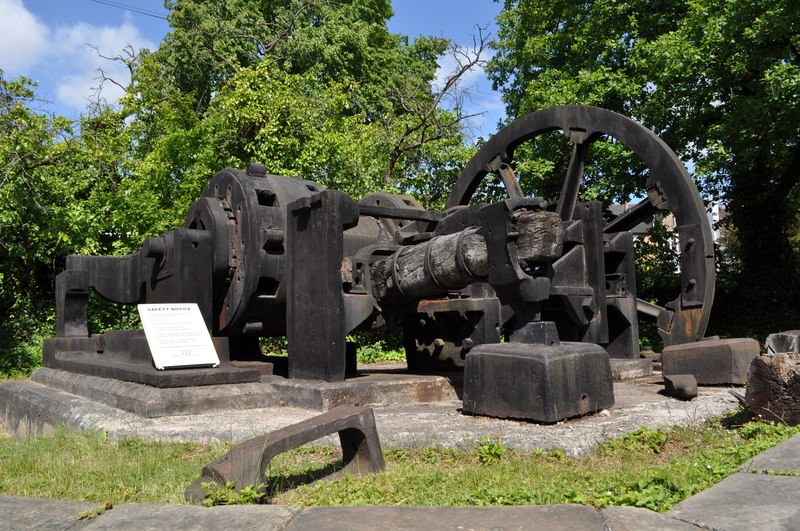


Tool-Steel Bar: Crucible Steel Drawn Out at a Cherry-Red Heat
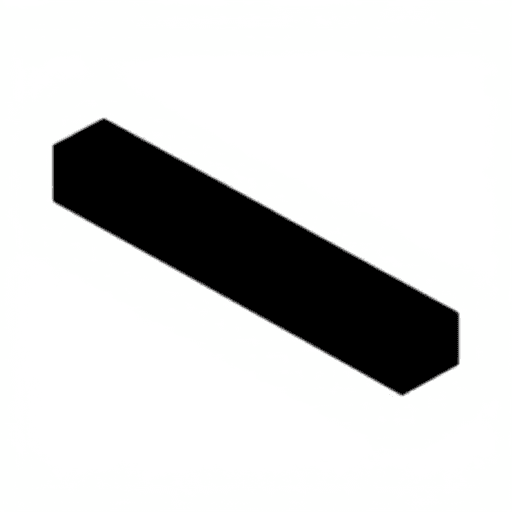
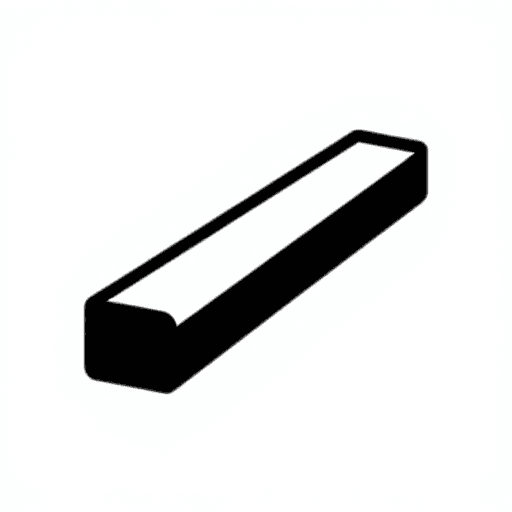
Sheffield poured its crucible cast steel into octagonal or rectangular iron moulds and drew the ingots out into rods under the tilt hammer. That bar, eight-sided or square, was the stock for chisels, punches, files and blades. Andrew Ure's 1839 warning still holds: this steel must not go much above a cherry-red heat, or it turns brittle.
The picture: a water-driven tilt hammer at Abbeydale Industrial Hamlet, Sheffield.
མཐོ་རིམ
A day at the forge
ལམ་སྟོན
1
1
Heat gently to cherry red
Heat gently to cherry red
Bring the crucible-steel ingot up slowly in the forge to a cherry-red heat and no hotter. Ure: in its usual state cast steel will not bear much more without becoming brittle, and it will not take a welding heat.
གོམ་པ་འདིའི་རྫས་རིགས:
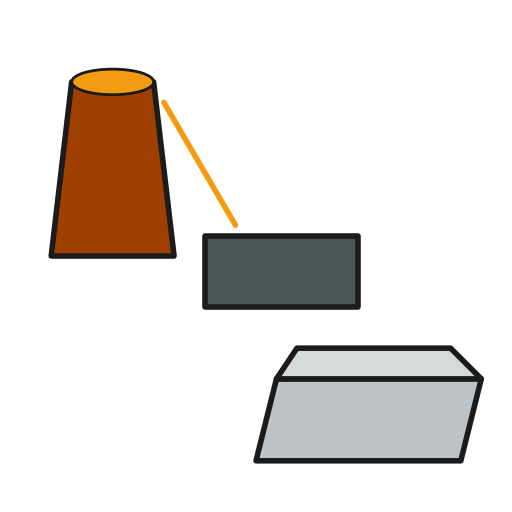 ཞུན་སྣོད་ཀྱི་ལྕགས་ཁར2 kg
 སོལ་བ།1 as required
ལག་ཆས་དགོས་མཁོ:
 མགར་བའི་ཐབ་ཁུང་།
 མགར་བའི་ལག་བཟུང་།
 ཚག་གི་ལག་ཤུབས།
 ཀོ་བའི་སྣམ་སྦྱར།
 ཉེན་སྲུང་མིག་ཤེལ།
2
2
Draw out a billet
Draw out a billet
On the anvil, with a striker on the sledge, draw the ingot out square, turning it a quarter after each pair of blows. Reheat as soon as the colour drops below red; never hammer it cold. Stop at a square billet of the size you need, or carry on drawing it flat into a rectangular bar for axe heads and picks.
གོམ་པ་འདིའི་རྫས་རིགས:
སོལ་བ།1 as requiredལག་ཆས་དགོས་མཁོ:
 མགར་བའི་རྡོ་ལེབ།
 ཐོ་བ་ཆེན།
 རྒྱབ་ཐིག་གི་ཐོ་བ།མགར་བའི་ལག་བཟུང་།ཚག་གི་ལག་ཤུབས།ཀོ་བའི་སྣམ་སྦྱར།ཉེན་སྲུང་མིག་ཤེལ།
3
3
Knock the corners to an octagon
Knock the corners to an octagon
For octagon bar, set the square bar on a corner and hammer the four corners down evenly until all eight faces are equal, finishing in the matching groove of a swage block.
ལག་ཆས་དགོས་མཁོ:
མགར་བའི་རྡོ་ལེབ།རྒྱབ་ཐིག་གི་ཐོ་བ། བུག་ཅན་བཟོ་སྒྲོམ།མགར་བའི་ལག་བཟུང་།ཚག་གི་ལག་ཤུབས།ཀོ་བའི་སྣམ་སྦྱར།ཉེན་སྲུང་མིག་ཤེལ།
4
4
Check and cool slowly
Check and cool slowly
Check the size across the flats with a caliper, then let the bar cool slowly in the dying forge (our choice, to leave it soft for cutting and filing).
ལག་ཆས་དགོས་མཁོ:
 ཨང་རྟགས་ཚད་འཇལ་ཆས་ ཨིནཅི 6མགར་བའི་ཐབ་ཁུང་།
ལག་ཆས་དགོས་མཁོ
10- ས་ཆ་འཛིན
- ས་ཆ་འཛིན
- ས་ཆ་འཛིན
- ས་ཆ་འཛིན
- ས་ཆ་འཛིན
- ས་ཆ་འཛིན
- ས་ཆ་འཛིན
- ས་ཆ་འཛིན
- ས་ཆ་འཛིན
- ས་ཆ་འཛིན
བིལུ་པིརིན་ཊི་འདི་གིས་བཟོ་མི

འབྲེལ་ཡོད་བིལུ་པིརིན་ཊི
བིལུ་པིརིན་ཊི་འདི་ཚུ་ཐབས་ལམ་དང་རྫས་རིགས། སྤྱི་ཆོས་བགོ་བཤའ་བྱེད


CC0 སྤྱི་དབང
བིལུ་པིརིན་ཊི་འདི་CC0 འོག་བཀྲམས་ཡོད། ཁྱེད་རང་གིས་ཆོག་མཆན་མ་བཞེས་པར་ཕབ་ལེན་དང་བཟོ་བཅོས། བགོ་བཤའ། དགོས་མཁོ་གང་ལའང་བཀོལ་སྤྱོད་བྱས་ཆོག
བཟོ་མཁན་ལ་རྒྱབ་སྐྱོར་བྱེད་པའི་ཆེད་ཁོང་ཚོའི་བིལུ་པིརིན་ཊི་བརྒྱུད་ཐོན་སྐྱེད་ཉོ། བཟོ་མཁན་གྱིས བཟོ་མཁན་གྱི་ཁེ་ཕོགས ཚོང་པས་གཏན་འཁེལ་བྱས་པ། ཡང་ན་བིལུ་པིརིན་ཊི་འདིའི་པར་གསར་བཟོས་ཏེ་ཁྱེད་རང་གི་བིལུ་པིརིན་ཊི་ནང་མཐུད་སྦྲེལ་བྱས་ཏེ་ཡོང་སྒོ་བགོ་བཤའ་བྱེད།