སྒྱུ་རྩལ
མཛེས་སྡུག་དང་བདེ་ཐང
བཟོ་རིག
རིག་གནས་དང་ལོ་རྒྱུས
དགའ་སྟོན
ཁོར་ཡུག
ཟས་དང་བཏུང་རྫས
ཕྱིར་འཕྲུལ་རིག
ཚན་རིག
རྩེད་འགྲན
རིག་རྩལ
གྱོན་རུང
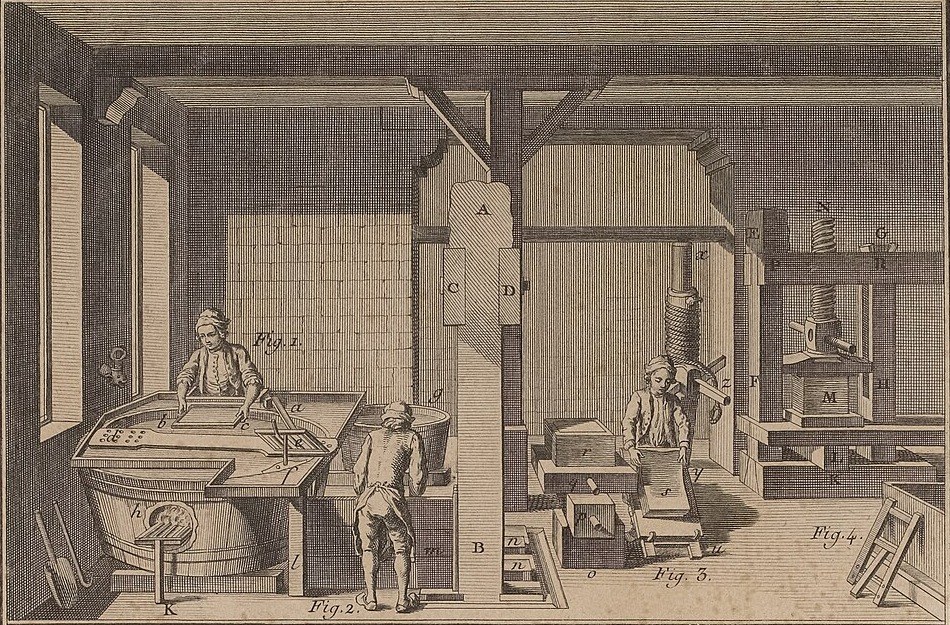


Tracing Paper: Flax Tow Beaten to a Clear Pulp, Ure 1839
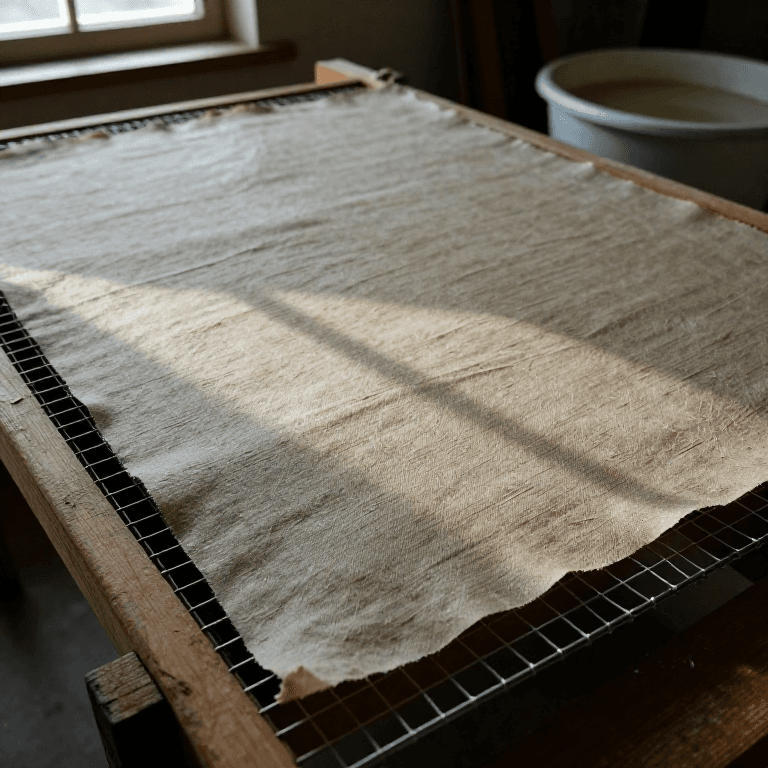
Tracing paper is paper you can see through. Andrew Ure (1839) says the best, sometimes called vegetable paper, is made from the refuse of the flax mills, the tow, beaten without fermenting into a semi-transparent paste that dries into a transparent sheet.
The picture: the vat room of an 18th-century paper mill, the vatman forming a sheet and the press behind (Diderot's Encyclopédie).
བར་མ
Two days
ལམ་སྟོན
1
1
Cut and soak the tow
Cut and soak the tow
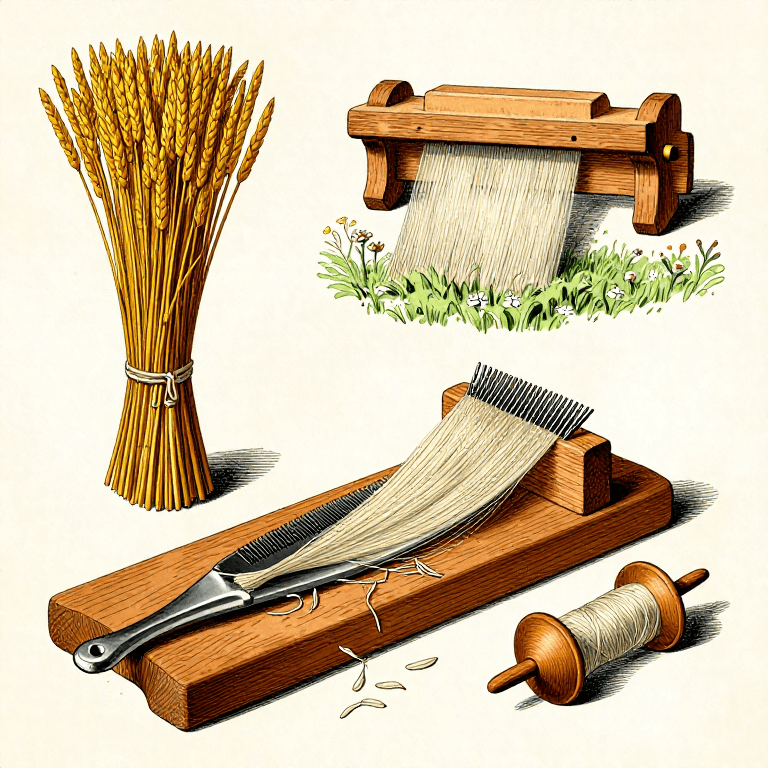
Cut flax tow into short lengths and soak it in clean water. Do not let it ferment (Ure).
གོམ་པ་འདིའི་རྫས་རིགས:
 ཟར་མའི་རྩི་སྐུད་ཐུང་ཀུ500 g
 ཆུ།20 ལི་ཊར།
ལག་ཆས་དགོས་མཁོ:
 ལྕགས་གཏུབ་ཀྱི་ཇེམ་ཙི་སྲ་དྲག
 ཤིང་གི་ཟོ་ཆེན།
2
2
Beat to a clear pulp
Beat to a clear pulp
Beat the wet tow for much longer than for ordinary paper, until it forms a semi-transparent paste (Ure). Ure's mills used the beating engine; by hand it takes hours.
ལག་ཆས་དགོས་མཁོ:
 ཤིང་གི་ཐོ་བ།ཤིང་གི་ཟོ་ཆེན།
3
3
Form the sheets
Form the sheets
Dilute the pulp in the vat and form thin, even sheets on the mould, couching them onto felts as for rag paper.
ལག་ཆས་དགོས་མཁོ:
 ཤོག་ཀུ་བཟོ་ནིའི་ཚགས་སྒྲོམ་དང་སྟེང་སྒྲོམ
 བལ་གྱི་ཕྱིང་ལེབ།ཤིང་གི་ཟོ་ཆེན།
4
4
Press and dry with care
Press and dry with care
Press the stack, then dry each sheet in the press between sheets of blotting paper, changing them several times so the thin sheets do not crease, as Ure describes for bank-note paper of the same stuff.
ལག་ཆས་དགོས་མཁོ:
 ཤིང་གི་ཤོག་ལེབ་གཞིབ་ཆས་ (ཆ་ཅིག)
 སྣག་ཚ་འཐེན་ཤོག
 ཤོག་ཀུའི་མནན་འཕྲུལ་ (དེབ་མནན་གྱི་རིགས)
ལག་ཆས་དགོས་མཁོ
8- ས་ཆ་འཛིན
- ས་ཆ་འཛིན
- ས་ཆ་འཛིན
- ས་ཆ་འཛིན
- ས་ཆ་འཛིན
- ས་ཆ་འཛིན
བིལུ་པིརིན་ཊི་འདི་གིས་བཟོ་མི
འབྲེལ་ཡོད་བིལུ་པིརིན་ཊི
བིལུ་པིརིན་ཊི་འདི་ཚུ་ཐབས་ལམ་དང་རྫས་རིགས། སྤྱི་ཆོས་བགོ་བཤའ་བྱེད
CC0 སྤྱི་དབང
བིལུ་པིརིན་ཊི་འདི་CC0 འོག་བཀྲམས་ཡོད། ཁྱེད་རང་གིས་ཆོག་མཆན་མ་བཞེས་པར་ཕབ་ལེན་དང་བཟོ་བཅོས། བགོ་བཤའ། དགོས་མཁོ་གང་ལའང་བཀོལ་སྤྱོད་བྱས་ཆོག
བཟོ་མཁན་ལ་རྒྱབ་སྐྱོར་བྱེད་པའི་ཆེད་ཁོང་ཚོའི་བིལུ་པིརིན་ཊི་བརྒྱུད་ཐོན་སྐྱེད་ཉོ། བཟོ་མཁན་གྱིས བཟོ་མཁན་གྱི་ཁེ་ཕོགས ཚོང་པས་གཏན་འཁེལ་བྱས་པ། ཡང་ན་བིལུ་པིརིན་ཊི་འདིའི་པར་གསར་བཟོས་ཏེ་ཁྱེད་རང་གི་བིལུ་པིརིན་ཊི་ནང་མཐུད་སྦྲེལ་བྱས་ཏེ་ཡོང་སྒོ་བགོ་བཤའ་བྱེད།