སྒྱུ་རྩལ
མཛེས་སྡུག་དང་བདེ་ཐང
བཟོ་རིག
རིག་གནས་དང་ལོ་རྒྱུས
དགའ་སྟོན
ཁོར་ཡུག
ཟས་དང་བཏུང་རྫས
ཕྱིར་འཕྲུལ་རིག
ཚན་རིག
རྩེད་འགྲན
རིག་རྩལ
གྱོན་རུང
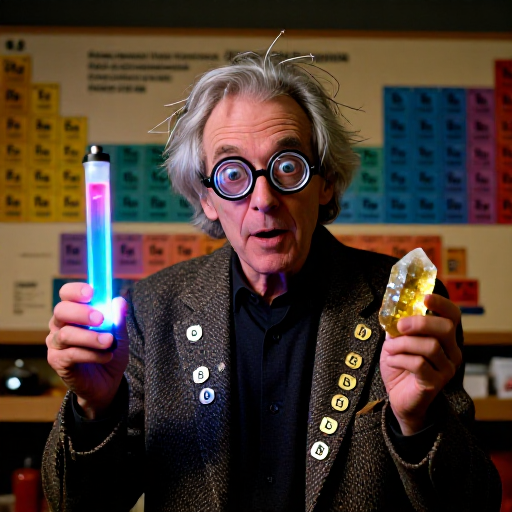
Understanding Argon from Air Separation — The Invisible Shield Gas
བར་མ
ལམ་སྟོན
1
1
Understand Argon's Discovery
Understand Argon's Discovery
Lord Rayleigh and William Ramsay discovered argon in 1894 by noticing that nitrogen isolated from air was consistently denser than nitrogen produced from chemical reactions. They removed all known gases from air and found a remaining 1% that was chemically inert. They named it argon from the Greek 'argos' (lazy or inactive) because it refused to react with anything. This discovery of the first noble gas opened an entirely new group in the periodic table.
2
2
Identify Argon's Abundance
Identify Argon's Abundance
Argon makes up 0.934% of Earth's atmosphere — the third most abundant atmospheric gas after nitrogen and oxygen. This is remarkably high for a noble gas and results from the radioactive decay of potassium-40 in Earth's crust over 4.5 billion years. Argon-40 accounts for 99.6% of atmospheric argon. The remaining 0.4% is primordial Ar-36 and Ar-38. Argon's atmospheric abundance makes it the cheapest noble gas — approximately $0.50 per cubic meter.
གོམ་པ་འདིའི་རྫས་རིགས:
 ཟུག་སྦྱོར་ཚད་གཞི་ཅན་གྱི་ཨར་གཱོན
3
3
Examine Cryogenic Air Separation
Examine Cryogenic Air Separation
Argon is produced as a major byproduct of cryogenic air separation plants that produce industrial oxygen and nitrogen. Air is compressed, cooled to -185°C, and distilled into its components. Argon (boiling point -185.8°C) collects as a side-draw from the distillation column between the oxygen and nitrogen fractions. A typical large ASU produces 500-1,000 tonnes of argon per day alongside thousands of tonnes of oxygen and nitrogen. Global production exceeds 700,000 tonnes annually.
4
4
Discover Welding Shielding Gas Applications
Discover Welding Shielding Gas Applications
Argon is the dominant shielding gas in gas tungsten arc welding (TIG/GTAW) and gas metal arc welding (MIG/GMAW). It displaces oxygen and nitrogen from the weld zone, preventing oxidation and porosity in the weld metal. Pure argon is used for welding aluminum, titanium, and stainless steel. Argon-CO₂ mixtures (75-95% Ar) are standard for carbon steel MIG welding. Welding consumes approximately 30% of global argon production.
5
5
Understand Insulated Window Applications
Understand Insulated Window Applications
Double-glazed and triple-glazed windows are filled with argon to reduce heat transfer. Argon's thermal conductivity is 67% that of air, improving the insulating value of a window unit by 30% compared to air-filled gaps. Argon is preferred over krypton for standard windows because it is 200 times cheaper while providing most of the insulating benefit. Approximately 20% of argon production goes into window manufacturing.
6
6
Explore Semiconductor and Crystal Growing
Explore Semiconductor and Crystal Growing
Argon provides the inert atmosphere for Czochralski crystal pulling of silicon single crystals — every silicon wafer used in computer chips is grown in an argon atmosphere. Argon plasma is used in sputter deposition to create thin films on semiconductor wafers and in plasma etching to pattern circuit features. The semiconductor industry requires ultra-high-purity argon (99.9999%) with parts-per-billion levels of oxygen and moisture contamination.
7
7
Examine Argon-Argon Dating
Examine Argon-Argon Dating
Argon-argon (⁴⁰Ar/³⁹Ar) dating is the refined successor to potassium-argon dating and one of the most versatile radiometric dating techniques. A rock sample is irradiated with neutrons to convert K-39 to Ar-39, then heated with a laser to release argon isotopes. The ratio of Ar-40 (from K-40 decay) to Ar-39 gives the age. This technique dates volcanic rocks from 1,000 years to billions of years old and was used to date the Chicxulub impact layer at 66.043 million years.
8
8
Survey Steel and Metal Processing
Survey Steel and Metal Processing
Argon is blown through molten steel in argon-oxygen decarburization (AOD) converters to remove carbon, sulfur, and hydrogen from stainless steel. The process produces ultra-clean stainless steel with carbon levels below 0.03%. Argon is also used as a protective atmosphere during titanium and zirconium smelting, aluminum degassing, and the production of reactive metals that would burn in air. Metallurgical uses consume approximately 25% of global argon.
9
9
Discover Dark Matter Detection Experiments
Discover Dark Matter Detection Experiments
Liquid argon is used in some of the world's largest particle physics experiments searching for dark matter. The DEAP-3600 detector at SNOLAB contains 3,600 kg of liquid argon cooled to -186°C. When a dark matter particle collides with an argon nucleus, it produces a flash of scintillation light detected by photomultiplier tubes. The DarkSide-20k experiment at Gran Sasso will use 20 tonnes of underground-sourced argon depleted in radioactive Ar-39.
ལག་ཆས་དགོས་མཁོ:
 ཏག་ཏག་གི་སྲང་།
10
10
Document Findings and Industrial Significance
Document Findings and Industrial Significance
Record argon's key data: atomic number 18, density 1.784 g/L, boiling point -185.8°C, colorless and odorless noble gas. Argon is the workhorse noble gas — abundant enough to be cheap, inert enough to protect reactive metals and semiconductors. Its discovery in 1894 was the first crack in the classical view that all elements were reactive. Today, argon quietly enables welding, window insulation, chip manufacturing, and precision dating of Earth's geological history.
11
11
Half-life: what is left, and when
Half-life: what is left, and when
Jupyter ཚང་དེབ་མངོན་གསལ་འབད་དོ་…
རྫས་རིགས
1- 1 དུམ་བུ།ས་ཆ་འཛིན
ལག་ཆས་དགོས་མཁོ
1- ས་ཆ་འཛིན
མཐུད་སྦྲེལ་བིལུ་པིརིན་ཊི་རྫས་རིགས
འབུལ་ལམ 10%
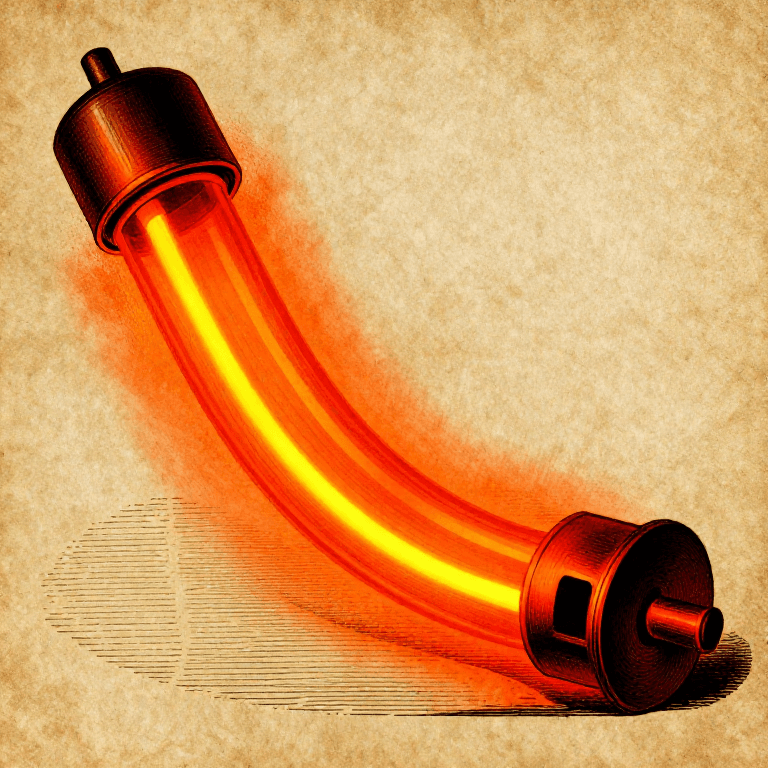
Understanding Neon from Air Separation — The Gas That Lit the Modern City
Peter གྱིས
ས་འདོན
༣༦
༠
༠
༠
༣
༠
འབུལ་ལམ 10%
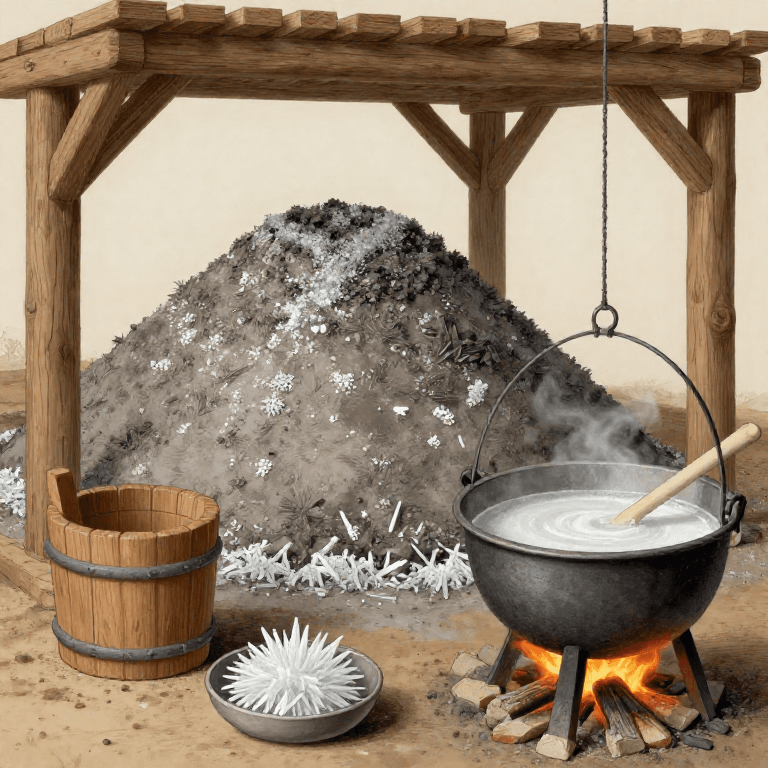
Growing Saltpeter from Niter Beds — The Explosive Element in Every Living Thing
Peter གྱིས
སྔོན་རབས
༢༧༡
༠
༠
༠
༥
༠
འབུལ་ལམ 10%
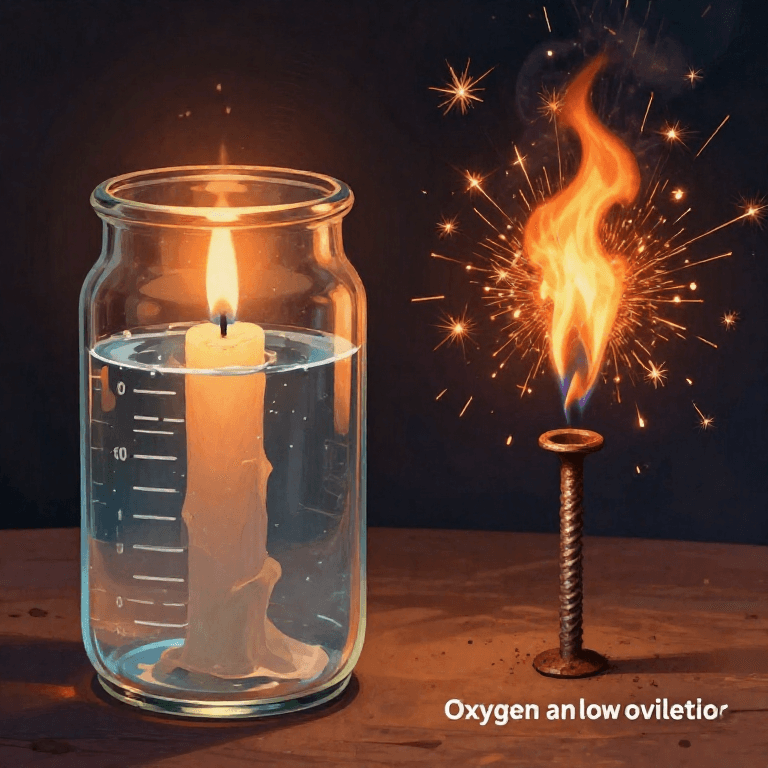
Understanding Oxygen Through Combustion — The Element That Makes Fire Breathe
Peter གྱིས
སྔོན་རབས
༦༠
༠
༠
༠
༤
༠
འབུལ་ལམ 10%
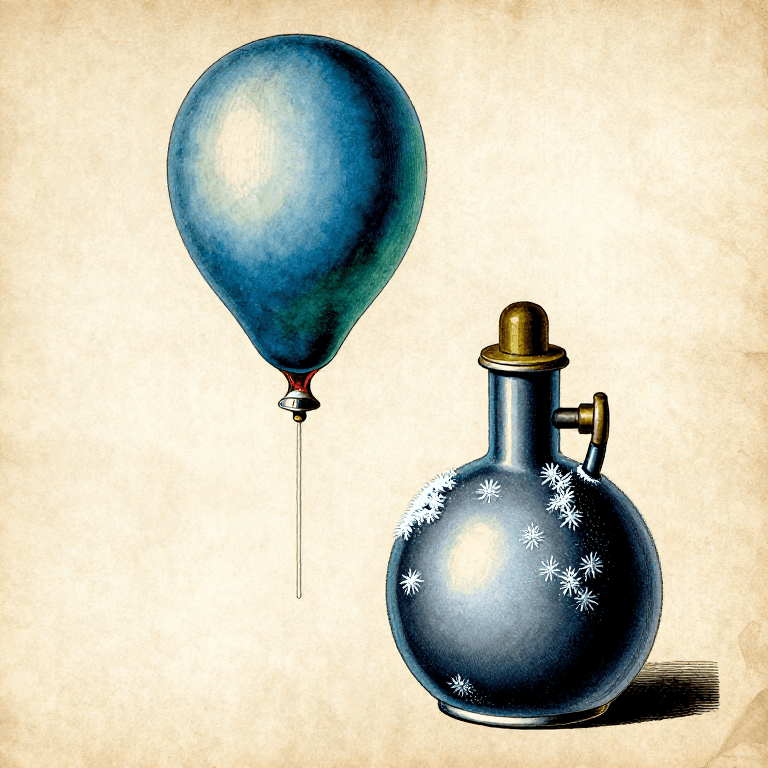
Understanding Helium from Natural Gas — The Element That Escapes Earth Forever
Peter གྱིས
ས་འདོན
༢༠
༠
༠
༠
༤
༠
འབུལ་ལམ 10%
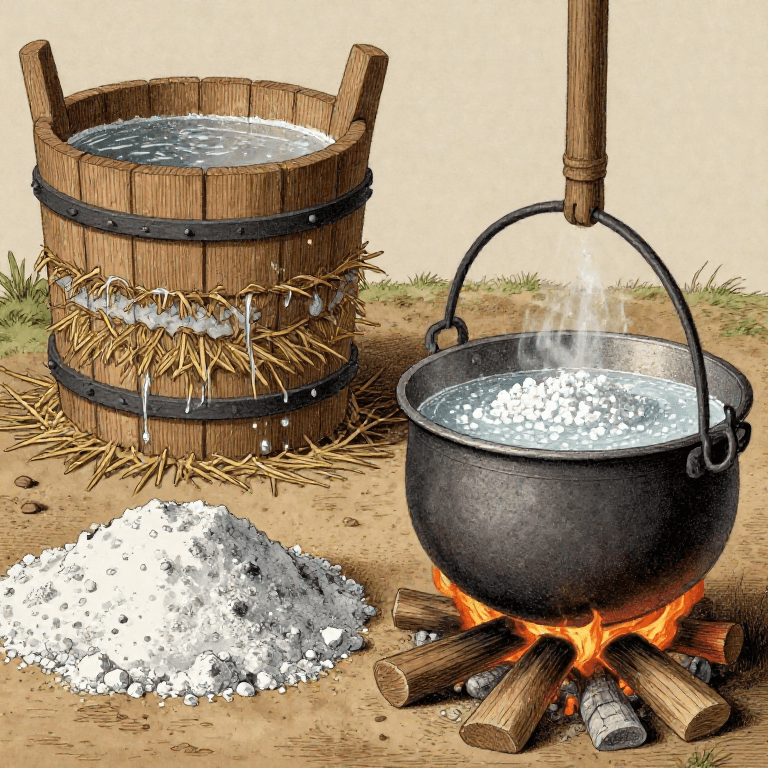
Extracting Potash from Wood Ash — The Alkali Element Hidden in Every Fire
Peter གྱིས
སྔོན་རབས
༢༨༤
༠
༠
༠
༧
༠
འབྲེལ་ཡོད་བིལུ་པིརིན་ཊི
བིལུ་པིརིན་ཊི་འདི་ཚུ་ཐབས་ལམ་དང་རྫས་རིགས། སྤྱི་ཆོས་བགོ་བཤའ་བྱེད
CC0 སྤྱི་དབང
བིལུ་པིརིན་ཊི་འདི་CC0 འོག་བཀྲམས་ཡོད། ཁྱེད་རང་གིས་ཆོག་མཆན་མ་བཞེས་པར་ཕབ་ལེན་དང་བཟོ་བཅོས། བགོ་བཤའ། དགོས་མཁོ་གང་ལའང་བཀོལ་སྤྱོད་བྱས་ཆོག
བཟོ་མཁན་ལ་རྒྱབ་སྐྱོར་བྱེད་པའི་ཆེད་ཁོང་ཚོའི་བིལུ་པིརིན་ཊི་བརྒྱུད་ཐོན་སྐྱེད་ཉོ། བཟོ་མཁན་གྱིས བཟོ་མཁན་གྱི་ཁེ་ཕོགས ཚོང་པས་གཏན་འཁེལ་བྱས་པ། ཡང་ན་བིལུ་པིརིན་ཊི་འདིའི་པར་གསར་བཟོས་ཏེ་ཁྱེད་རང་གི་བིལུ་པིརིན་ཊི་ནང་མཐུད་སྦྲེལ་བྱས་ཏེ་ཡོང་སྒོ་བགོ་བཤའ་བྱེད།