སྒྱུ་རྩལ
མཛེས་སྡུག་དང་བདེ་ཐང
བཟོ་རིག
རིག་གནས་དང་ལོ་རྒྱུས
དགའ་སྟོན
ཁོར་ཡུག
ཟས་དང་བཏུང་རྫས
ཕྱིར་འཕྲུལ་རིག
ཚན་རིག
རྩེད་འགྲན
རིག་རྩལ
གྱོན་རུང
Understanding Ruthenium from Platinum Group Ore — The Hardest Platinum Metal
བར་མ
ལམ་སྟོན
1
1
Understand Ruthenium's Discovery
Understand Ruthenium's Discovery
Karl Ernst Claus discovered ruthenium in 1844 at Kazan University in Russia, naming it after Ruthenia (the Latin name for Russia). He isolated it from the insoluble residue left after dissolving crude platinum in aqua regia — a black powder that resisted every acid. Claus recognized this residue contained a new element by its unique oxide chemistry. Ruthenium was the last of the six platinum group metals to be discovered.
2
2
Identify Platinum Group Metal Sources
Identify Platinum Group Metal Sources
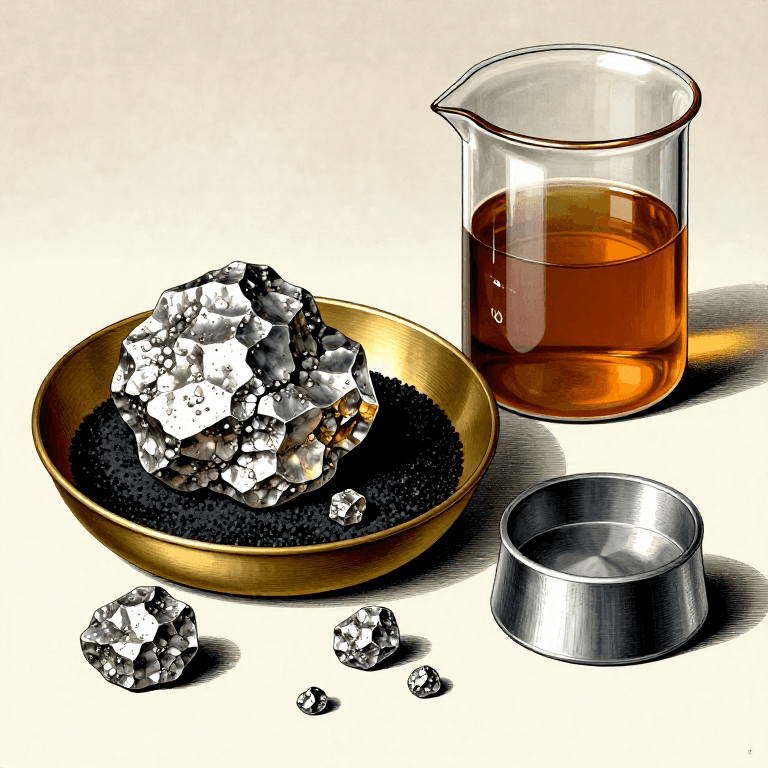
Ruthenium never occurs as a free metal or in its own ore — it is always a minor companion of platinum and palladium. South Africa's Bushveld Complex produces 70% of world supply from the Merensky Reef and UG2 chromitite layer, where all six PGMs occur together at 4-10 grams per tonne. The PGMs occur as tiny alloy grains and sulfide inclusions (laurite, RuS₂) within massive nickel-copper sulfide deposits.
གོམ་པ་འདིའི་རྫས་རིགས:
 པི་ལེ་ཊི་ནམ་སྡེ་ཚན་གྱི་དཔེ་ཚད།
ལག་ཆས་དགོས་མཁོ:
 ལག་གི་ཆེ་བཟོ་ཤེལ་ 10xལག་གི་ཆེ་བཟོ་ཤེལ་ 10x
 རིས་ལེབ་ (ཞུན་མ་བྱུགས་པའི་རྫ་མ)
 མོསི་སྲ་ཚད་ཀྱི་རྣོ་ཆས།
3
3
Trace the PGM Refining Separation
Trace the PGM Refining Separation
Separating six PGMs from each other requires one of the most complex refining sequences in metallurgy. After copper and nickel are removed by electrolysis, the PGM concentrate is dissolved in aqua regia. Platinum and palladium precipitate first as ammonium salts. The remaining solution containing rhodium, iridium, ruthenium, and osmium undergoes repeated precipitation, distillation, and reduction steps taking 6-8 weeks total.
4
4
Understand Ruthenium's Unique Oxidation Chemistry
Understand Ruthenium's Unique Oxidation Chemistry
Ruthenium exhibits the widest range of oxidation states of any element — from -2 to +8. Ruthenium tetroxide (RuO₄) is a volatile, toxic, bright yellow solid that forms when ruthenium compounds are oxidized with sodium periodate. This volatility is exploited in refining: distilling RuO₄ from solution separates ruthenium from all other PGMs. RuO₄ must be handled with extreme care — it is a powerful oxidizer that can ignite organic materials on contact.
ལག་ཆས་དགོས་མཁོ:
 ཁ་བཀག་པའི་ཉེན་སྲུང་མིག་ཤེལ།
 རྫས་སྦྱོར་བཟོད་ཐུབ་པའི་ལག་ཤུབས།
5
5
Examine Ruthenium Metal Properties
Examine Ruthenium Metal Properties
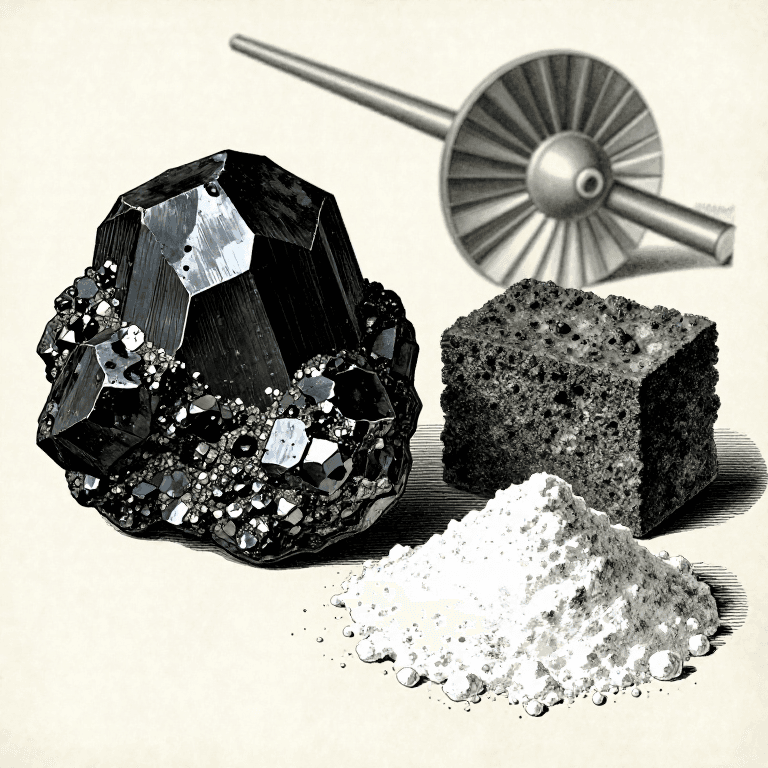
Ruthenium is a hard, brittle, silvery-white metal with a hexagonal close-packed crystal structure — the only PGM that does not have a face-centered cubic structure. It is the hardest of all platinum group metals (Mohs 6.5). Melting point is 2334°C, density 12.37 g/cm³. Ruthenium resists attack by all single acids including aqua regia at room temperature, though it dissolves in fused alkali hydroxides.
6
6
Explore Hard Disk Drive Applications
Explore Hard Disk Drive Applications
The largest use of ruthenium is in perpendicular magnetic recording media for hard disk drives. A thin ruthenium interlayer (2-3 atoms thick) between magnetic cobalt-alloy grains enables antiferromagnetic coupling that allows data bits to be packed closer together. This technology, commercialized in 2005, increased storage density by a factor of ten — every modern hard drive containing 500 GB or more relies on ruthenium layers.
7
7
Understand Catalytic Applications
Understand Catalytic Applications
Ruthenium catalysts are used in the Fischer-Tropsch process to convert synthesis gas (CO + H₂) into liquid hydrocarbons. Grubbs' catalyst — a ruthenium carbene complex — revolutionized organic chemistry by enabling olefin metathesis, a reaction that rearranges carbon-carbon double bonds. Robert Grubbs shared the 2005 Nobel Prize in Chemistry for this work. The catalyst is widely used in pharmaceutical and polymer manufacturing.
8
8
Discover Ruthenium in Fountain Pen Nibs
Discover Ruthenium in Fountain Pen Nibs
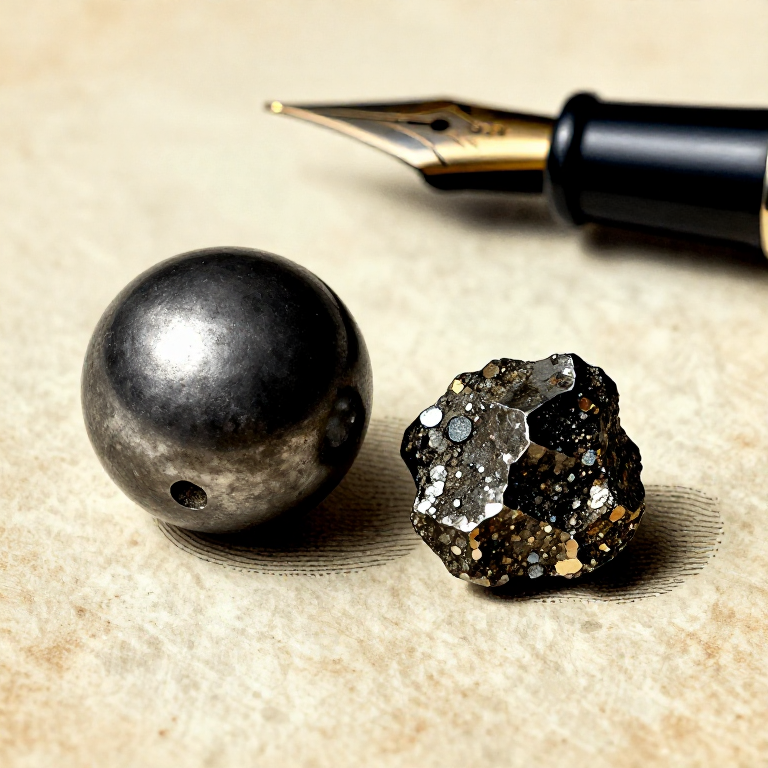
Adding 5-15% ruthenium to osmium-iridium alloys creates the hardest and most wear-resistant tipping material for fountain pen nibs. The tiny ball at the pen tip must withstand millions of writing strokes without wearing flat or scratching paper. Ruthenium-iridium tips outlast pure iridium tips by decades. Premium fountain pens from brands like Montblanc and Pelikan use ruthenium-alloyed nib tips.
9
9
Survey Electrical Contact and Solar Cell Uses
Survey Electrical Contact and Solar Cell Uses
Ruthenium thick-film resistors are printed onto ceramic substrates in virtually every electronic circuit — car engine management systems, telecommunications equipment, and medical devices rely on ruthenium dioxide paste for precision resistance values. Ruthenium-based dyes (N719, N3) are the standard sensitizers in dye-sensitized solar cells (Grätzel cells), absorbing visible light and injecting electrons into titanium dioxide nanoparticles.
10
10
Document Findings and Market Context
Document Findings and Market Context
Record ruthenium's key data: atomic number 44, density 12.37 g/cm³, melting point 2334°C, hard silvery-white metal. Annual production is approximately 35 tonnes — the smallest market of any widely traded metal. Price has historically ranged from $200 to $800 per troy ounce, but spiked above $800 in 2021 due to hard drive demand. Ruthenium is not recycled efficiently — most ends up dispersed in electronic waste at concentrations too low to recover economically.
ལག་ཆས་དགོས་མཁོ:
 ཏག་ཏག་གི་སྲང་།
11
11
Ore grade: how much platinum group per kilogram
Ore grade: how much platinum group per kilogram
Jupyter ཚང་དེབ་མངོན་གསལ་འབད་དོ་…
རྫས་རིགས
1- 1 དུམ་བུ།ས་ཆ་འཛིན
ལག་ཆས་དགོས་མཁོ
6- ས་ཆ་འཛིན
- ས་ཆ་འཛིན
- ས་ཆ་འཛིན
- ས་ཆ་འཛིན
- ས་ཆ་འཛིན
- ས་ཆ་འཛིན
མཐུད་སྦྲེལ་བིལུ་པིརིན་ཊི་རྫས་རིགས
ཉེན་ཁ་ཅན།
འབུལ་ལམ 10%
Isolating Platinum from Alluvial Deposits — The Unwanted Silver of the Conquistadors
Peter གྱིས
ས་འདོན
༦༥
༠
༠
༠
༦
༠
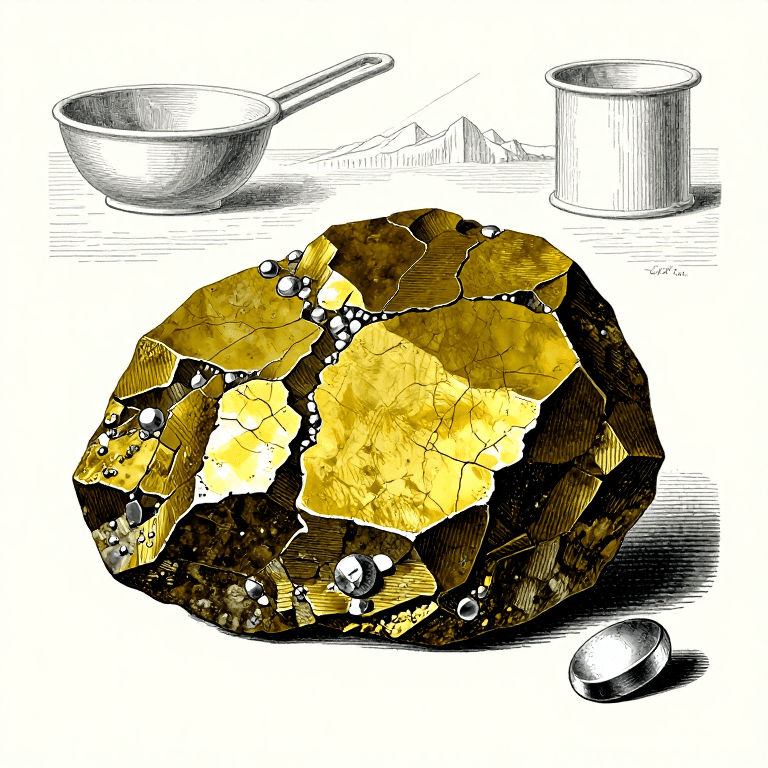
ཉེན་ཁ་ཅན།
འབུལ་ལམ 10%
Extracting Nickel from Pentlandite — The Devil's Copper That Wouldn't Behave
Peter གྱིས
ལྕགས་བཟོ
༥༡
༠
༠
༠
༥
༠
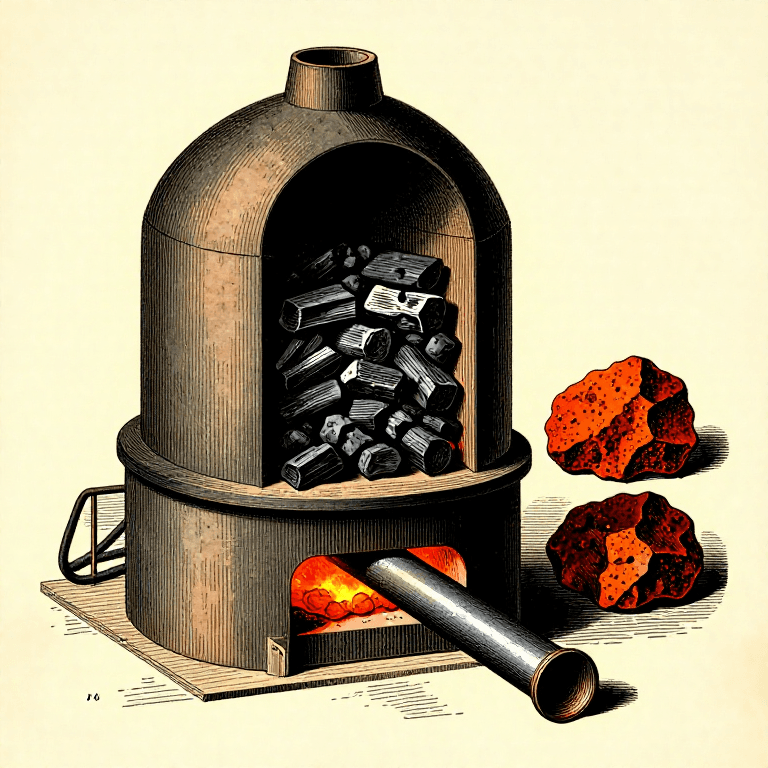
འབུལ་ལམ 10%
Extracting Iron from Hematite — Bloomery Smelting from Ore to Bloom
Peter གྱིས
ལྕགས་བཟོ
༡༥༣
༠
༠
༠
༡༢
༠
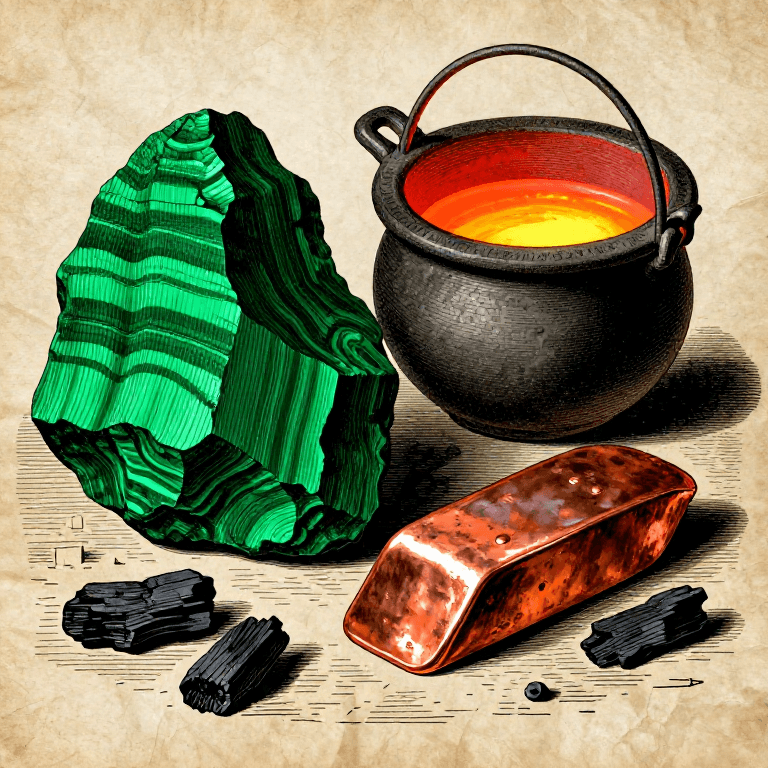
འབུལ་ལམ 10%
Smelting Copper from Malachite — From Green Ore to Red Metal
Peter གྱིས
ལྕགས་བཟོ
༡༠༤
༠
༠
༠
༡༠
༠
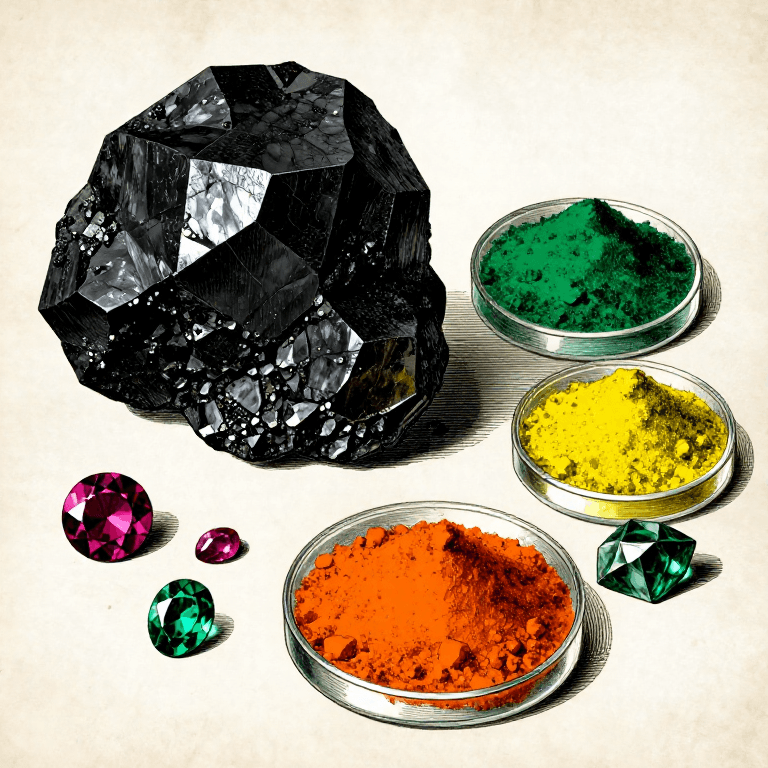
ཉེན་ཁ་ཅན།
འབུལ་ལམ 10%
Extracting Chromium from Chromite — The Element That Paints the Rainbow
Peter གྱིས
ལྕགས་བཟོ
༤༡
༠
༠
༠
༡
༠
འབྲེལ་ཡོད་བིལུ་པིརིན་ཊི
བིལུ་པིརིན་ཊི་འདི་ཚུ་ཐབས་ལམ་དང་རྫས་རིགས། སྤྱི་ཆོས་བགོ་བཤའ་བྱེད


CC0 སྤྱི་དབང
བིལུ་པིརིན་ཊི་འདི་CC0 འོག་བཀྲམས་ཡོད། ཁྱེད་རང་གིས་ཆོག་མཆན་མ་བཞེས་པར་ཕབ་ལེན་དང་བཟོ་བཅོས། བགོ་བཤའ། དགོས་མཁོ་གང་ལའང་བཀོལ་སྤྱོད་བྱས་ཆོག
བཟོ་མཁན་ལ་རྒྱབ་སྐྱོར་བྱེད་པའི་ཆེད་ཁོང་ཚོའི་བིལུ་པིརིན་ཊི་བརྒྱུད་ཐོན་སྐྱེད་ཉོ། བཟོ་མཁན་གྱིས བཟོ་མཁན་གྱི་ཁེ་ཕོགས ཚོང་པས་གཏན་འཁེལ་བྱས་པ། ཡང་ན་བིལུ་པིརིན་ཊི་འདིའི་པར་གསར་བཟོས་ཏེ་ཁྱེད་རང་གི་བིལུ་པིརིན་ཊི་ནང་མཐུད་སྦྲེལ་བྱས་ཏེ་ཡོང་སྒོ་བགོ་བཤའ་བྱེད།