སྒྱུ་རྩལ
མཛེས་སྡུག་དང་བདེ་ཐང
བཟོ་རིག
རིག་གནས་དང་ལོ་རྒྱུས
དགའ་སྟོན
ཁོར་ཡུག
ཟས་དང་བཏུང་རྫས
ཕྱིར་འཕྲུལ་རིག
ཚན་རིག
རྩེད་འགྲན
རིག་རྩལ
གྱོན་རུང
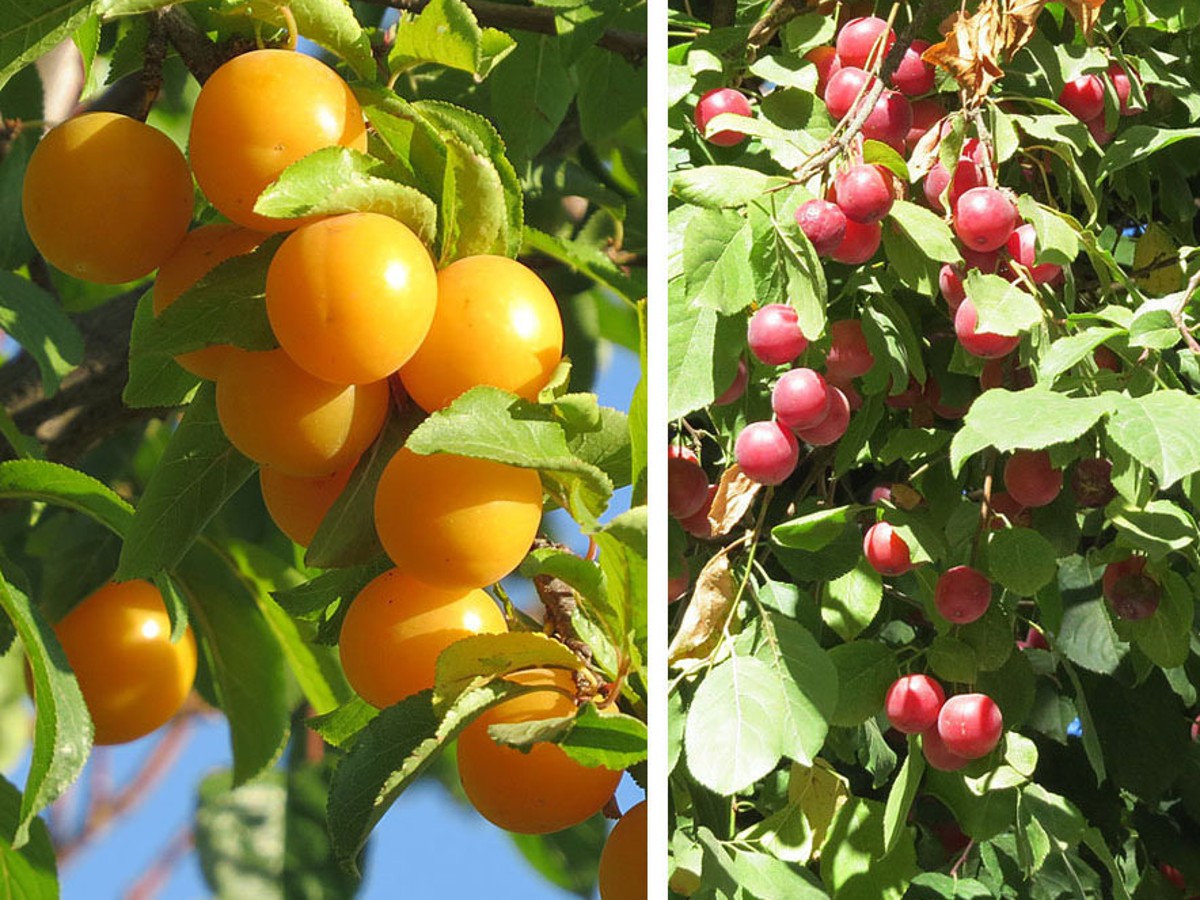


Wild Plum Bark: Inner Bark of a Young Tree, Peeled in Strips While the Sap Runs, Dried and Kept in Packets (Densmore, 1928; Britton & Brown, 1913)
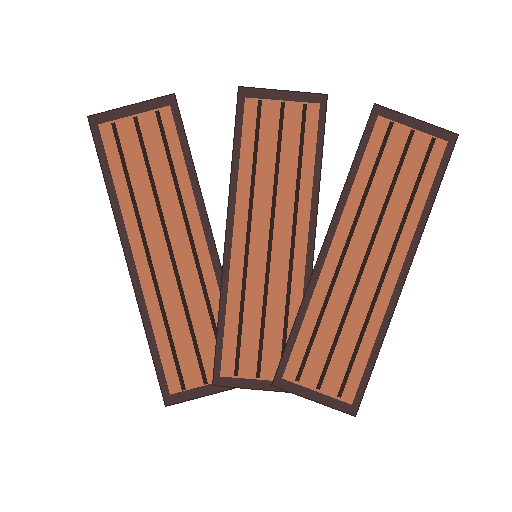
The inner bark of a young American wild plum (Prunus americana) as the Chippewa kept it: gathered while the sap is in the tree, the outer skin taken off and the inner bark stripped, dried and tied in packets. Densmore records it boiled with white pine and wild cherry bark into a mash and decoction for cuts.
འགོ་བཙུགས
An hour to peel, a week to dry
ལམ་སྟོན
1
1
American plum
American plum
American plum, Prunus americana (Purdue Extension, ID That Tree).
2
2
Know the plant
Know the plant
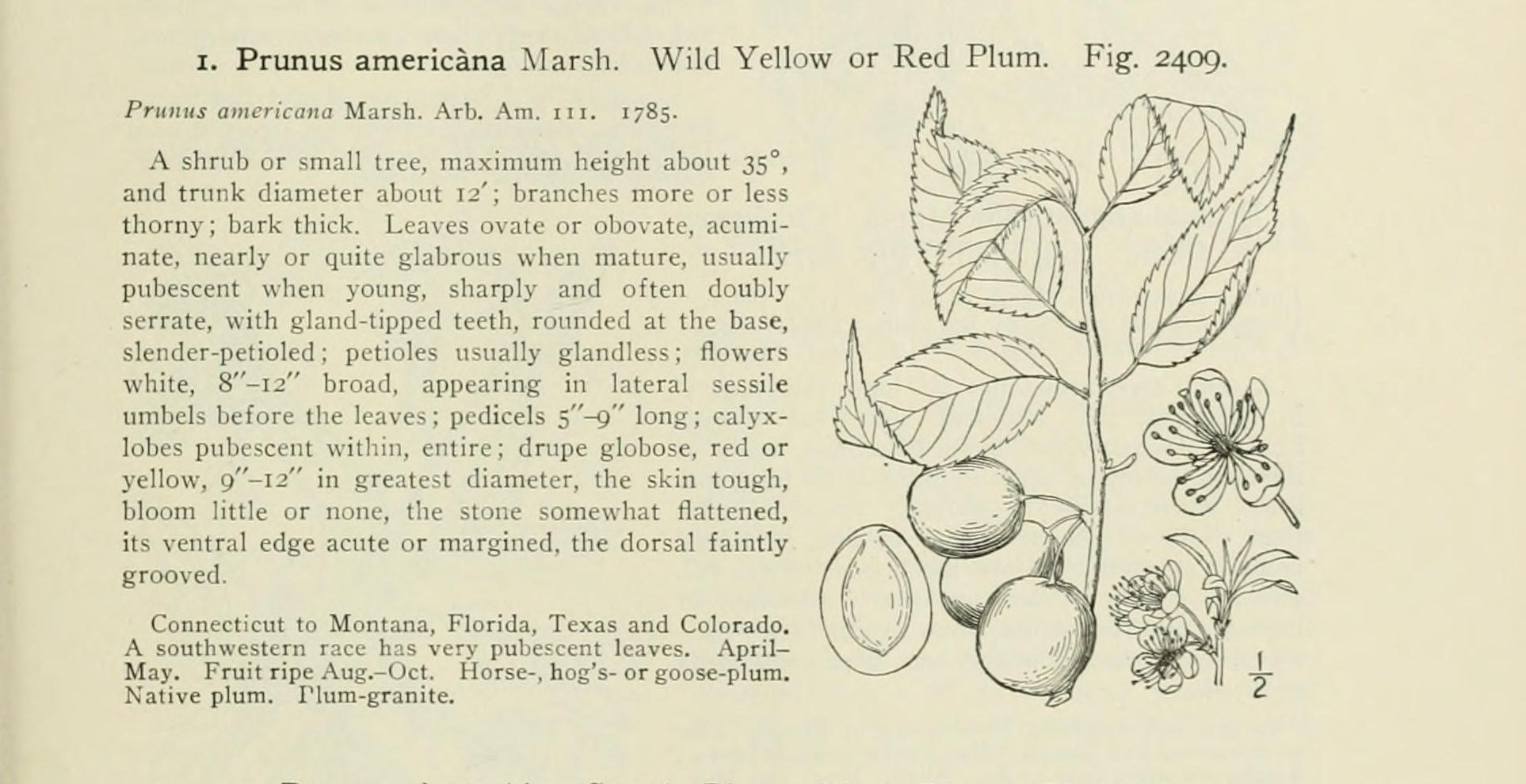
Britton and Brown (1913, vol. II, p. 323), Prunus americana, Wild Yellow or Red Plum: a shrub or small tree up to about 35 feet, the branches more or less thorny, the bark thick; leaves ovate, sharply and often doubly toothed with gland-tipped teeth; white flowers in small clusters before the leaves; round red or yellow plums with a tough skin; April-May, fruit August-October.
3
3
What the bark is for
What the bark is for
Densmore (1928, pp. 352-353), for cuts: white pine (trunk of a young tree), wild cherry inner bark and wild plum "Inner bark of young tree": "Cut the first named into sections and boil with the barks until soft, strain, keeping the decoction, pound the woody material into a mash and dry; when needed, soak the mash thoroughly in the decoction and apply; care should be taken that the barks after boiling do not come in contact with rust or dirt."

4
4
Gather while the sap runs
Gather while the sap runs
Densmore (p. 326): "Bark was gathered when the sap was in the tree". Densmore's remedy uses the inner bark of a young tree: cut a young stem or branch when the bark slips (ours).
ལག་ཆས་དགོས་མཁོ:
 གྲི།
 ཟོམ།
5
5
Peel the inner bark
Peel the inner bark
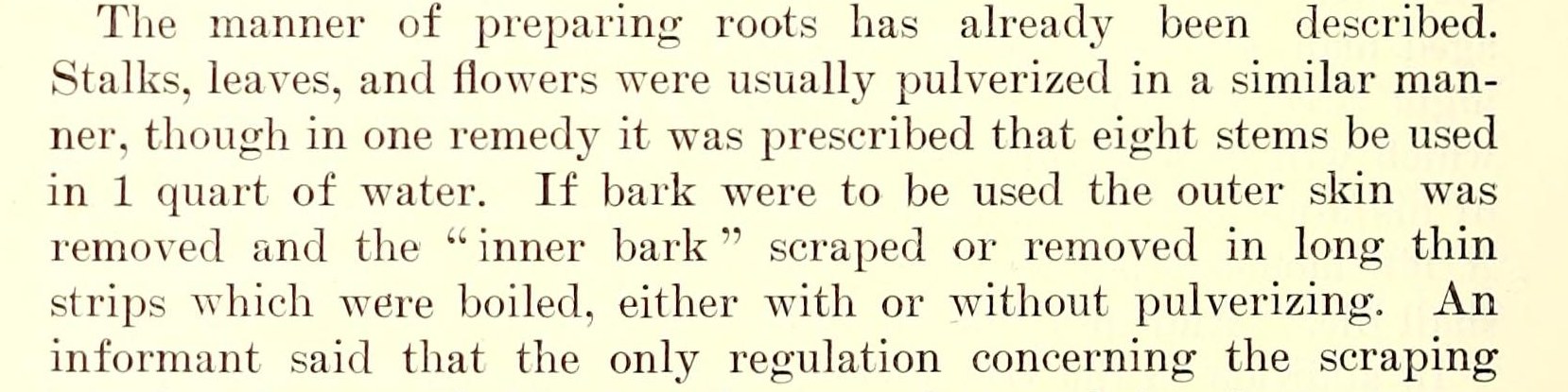
Densmore (p. 328): "the outer skin was removed and the 'inner bark' scraped or removed in long thin strips". Ours: take the bark from a cut branch, never ring the trunk.
ལག་ཆས་དགོས་མཁོ:
གྲི།6
6
Dry the strips
Dry the strips
Spread the strips on a drying screen in an airy, shaded place (ours) and turn them until they snap.
ལག་ཆས་དགོས་མཁོ:
 སྐམ་ནིའི་སྒྲོམ
7
7
Tie in packets and bag
Tie in packets and bag
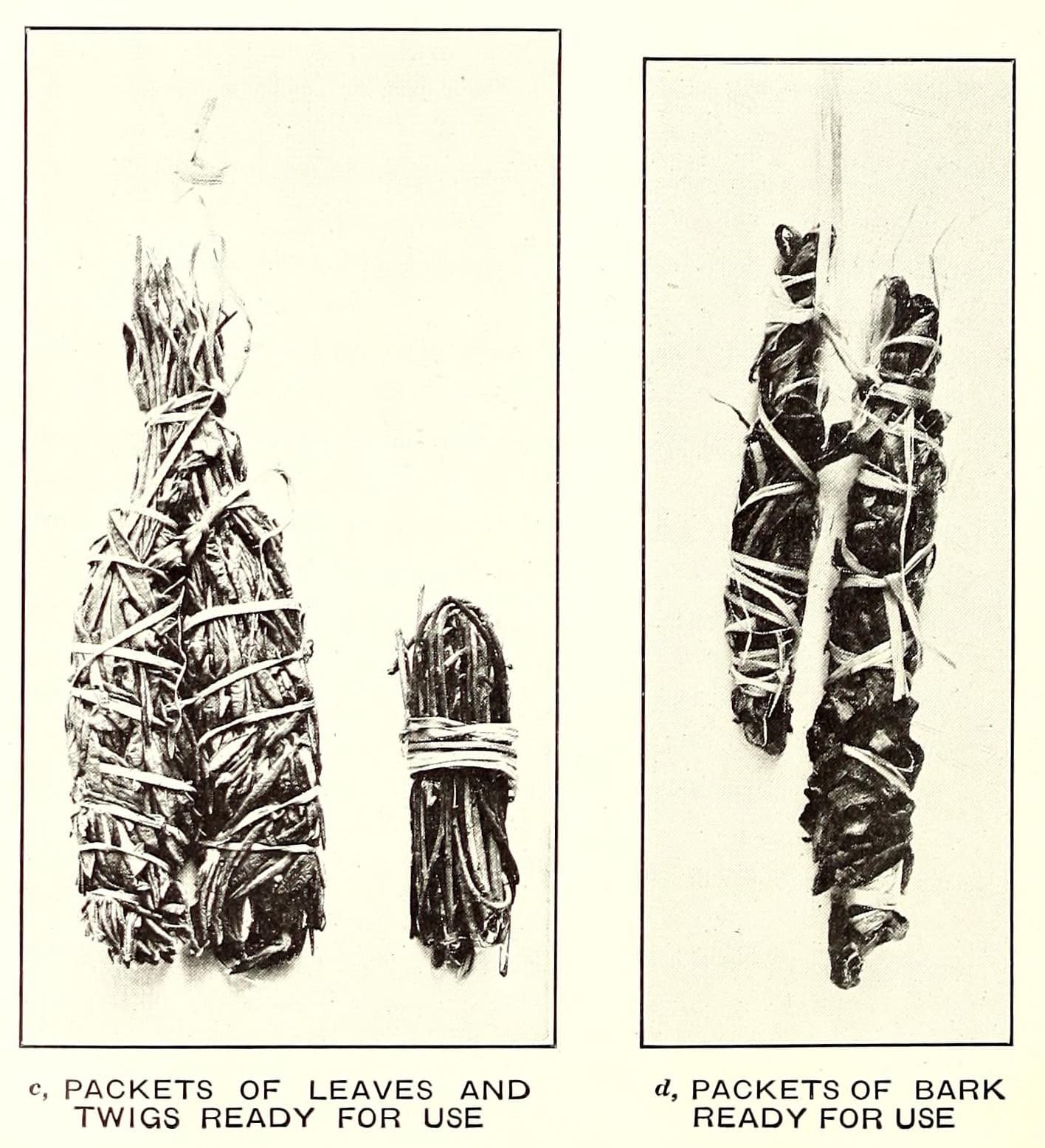
After drying, tie each kind separately in packets and keep them in a bag, as Densmore records (p. 326).
ལག་ཆས་དགོས་མཁོ:
 རས་བལ་གྱི་ཐག་ཁུ།
 ལི་ནེན་གྱི་ཁུག་མ།
8
8
Troubleshooting
Troubleshooting
Problems and fixes.
Flow
Loading...
9
9
Sources and honest limits
Sources and honest limits
Frances Densmore, Uses of Plants by the Chippewa Indians (1928), pp. 326, 328 and 352-353; N. L. Britton and A. Brown, An Illustrated Flora of the Northern United States, vol. II (1913), p. 323. The knife, drying screen, twine and mortar are ours. Be sure of the plant before cutting, and take only where it is plentiful and allowed. The cover shows yellow and red wild plums (Dick Culbert, CC BY 2.0, Wikimedia Commons). Not made by us yet.
མཐུད་སྦྲེལ་བིལུ་པིརིན་ཊི་རྫས་རིགས
བིལུ་པིརིན་ཊི་འདི་གིས་བཟོ་མི
CC0 སྤྱི་དབང
བིལུ་པིརིན་ཊི་འདི་CC0 འོག་བཀྲམས་ཡོད། ཁྱེད་རང་གིས་ཆོག་མཆན་མ་བཞེས་པར་ཕབ་ལེན་དང་བཟོ་བཅོས། བགོ་བཤའ། དགོས་མཁོ་གང་ལའང་བཀོལ་སྤྱོད་བྱས་ཆོག
བཟོ་མཁན་ལ་རྒྱབ་སྐྱོར་བྱེད་པའི་ཆེད་ཁོང་ཚོའི་བིལུ་པིརིན་ཊི་བརྒྱུད་ཐོན་སྐྱེད་ཉོ། བཟོ་མཁན་གྱིས བཟོ་མཁན་གྱི་ཁེ་ཕོགས ཚོང་པས་གཏན་འཁེལ་བྱས་པ། ཡང་ན་བིལུ་པིརིན་ཊི་འདིའི་པར་གསར་བཟོས་ཏེ་ཁྱེད་རང་གི་བིལུ་པིརིན་ཊི་ནང་མཐུད་སྦྲེལ་བྱས་ཏེ་ཡོང་སྒོ་བགོ་བཤའ་བྱེད།