སྒྱུ་རྩལ
མཛེས་སྡུག་དང་བདེ་ཐང
བཟོ་རིག
རིག་གནས་དང་ལོ་རྒྱུས
དགའ་སྟོན
ཁོར་ཡུག
ཟས་དང་བཏུང་རྫས
ཕྱིར་འཕྲུལ་རིག
ཚན་རིག
རྩེད་འགྲན
རིག་རྩལ
གྱོན་རུང
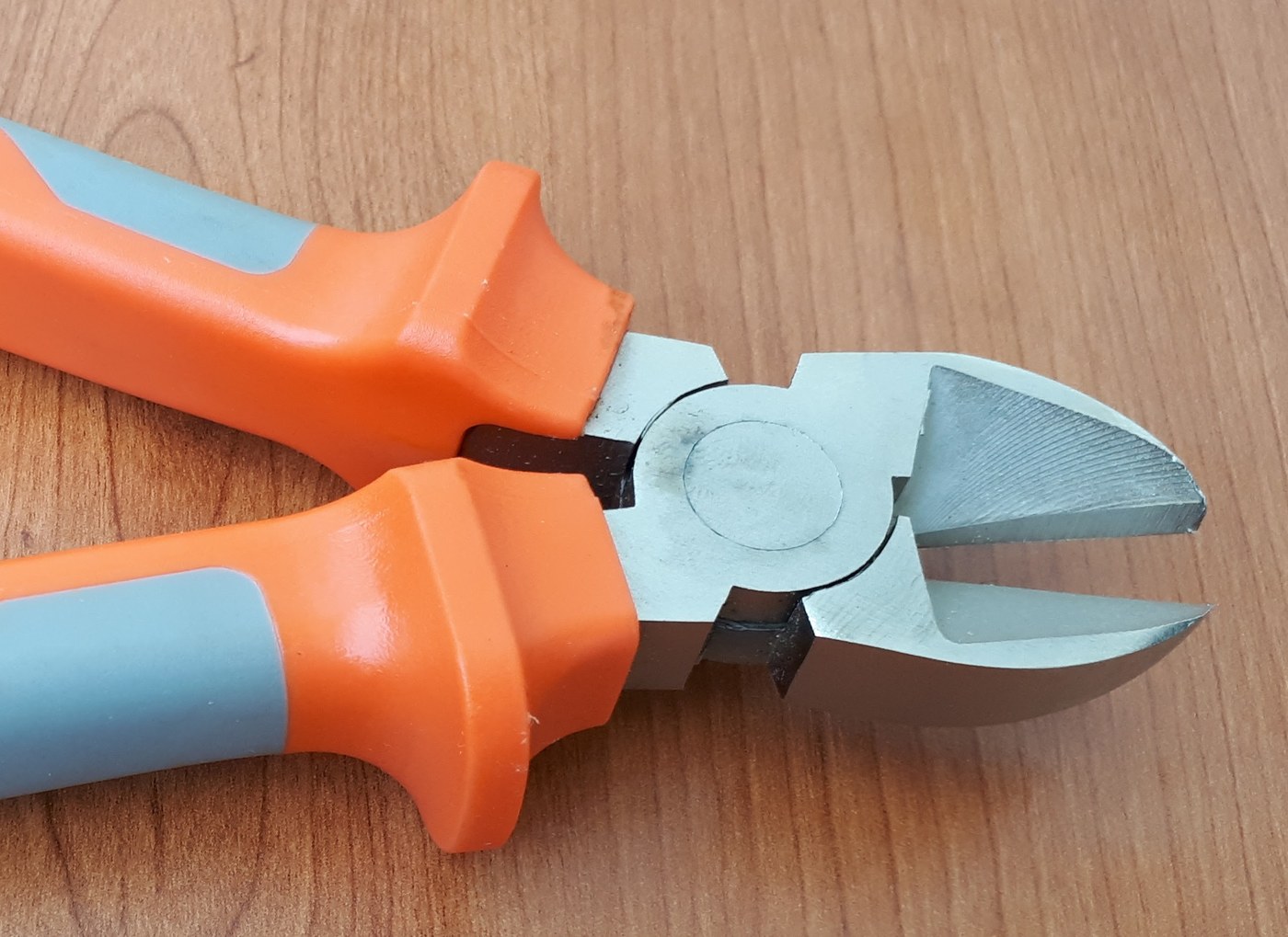


Wire Cutters: Diagonal Pliers Forged with Hardened V-Edged Jaws
Diagonal pliers cut wire by pressing two V-shaped edges into it until it splits, not by shearing like scissors. The edges sit at an angle to the joint rivet, which gives them their name, and the jaws must be hardened or steel wire dents them. Forge two halves from tool steel, rivet them, grind the edges and harden the jaws.
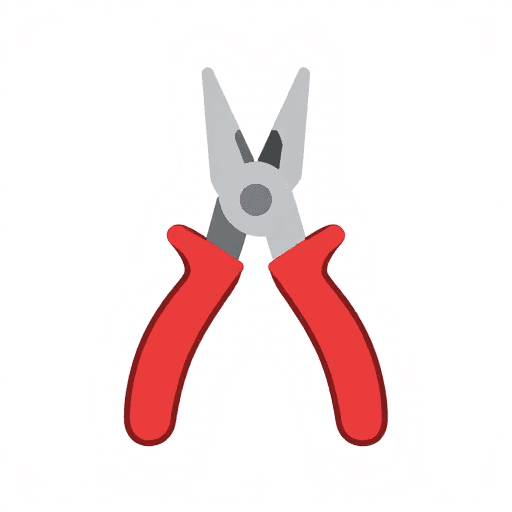
The picture: the jaws and joint of a modern pair; its handles are dipped in plastic, ours are bare steel.
མཐོ་རིམ
Two days
ལམ་སྟོན
1
1
Forge the halves
Forge the halves
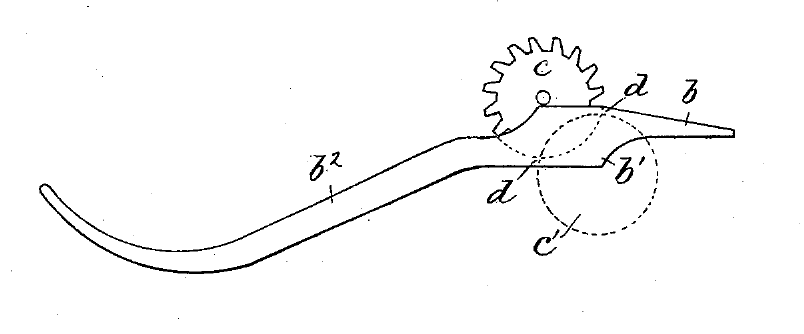
Forge two mirror halves from tool steel: a short, thick jaw set at an angle, a flat boss for the joint, and a handle (our sizes: jaw 18 mm, handle 120 mm from the joint).
གོམ་པ་འདིའི་རྫས་རིགས:
 ལག་ཆས་ལྕགས་ཁར་གྱི་ཡུ་བ་ཟུར་བརྒྱད།0.3 kg
 སོལ་བ།2 as required
ལག་ཆས་དགོས་མཁོ:
 མགར་བའི་ཐབ་ཁུང་།
 མགར་བའི་རྡོ་ལེབ།
 རྒྱབ་ཐིག་གི་ཐོ་བ།
 མགར་བའི་ལག་བཟུང་།
 ཚག་གི་ལག་ཤུབས།
 ཉེན་སྲུང་མིག་ཤེལ།
2
2
Anneal and fit the joint
Anneal and fit the joint
Anneal both halves. File the bosses flat so they lap closely, drill them together and rivet them so the jaws close without play.
གོམ་པ་འདིའི་རྫས་རིགས:
 ལྕགས་ཀྱི་གཟེར།1 དུམ་བུ།
ལག་ཆས་དགོས་མཁོ:
མགར་བའི་ཐབ་ཁུང་། ལྕགས་ཀྱི་དར་མ།
 ལག་འཕྲུལ་ཁུང་བཏོན
 ལྕགས་ཤིང་ལྗིད་ཏོག་ཏོའི་འཛིན་ཆས།རྒྱབ་ཐིག་གི་ཐོ་བ།མགར་བའི་རྡོ་ལེབ།
3
3
Grind the edges
Grind the edges
Grind each jaw to a symmetrical V so the two edges meet along their whole length when closed. Check against the light.
ལག་ཆས་དགོས་མཁོ:
 འཁོར་བའི་གཏར་རྡོལྕགས་ཀྱི་དར་མ།
4
4
Harden the jaws
Harden the jaws
Heat the jaws only to cherry red and quench in water. Polish them bright, then warm the joint and let the colour run to the edges; quench at straw (our temper).
གོམ་པ་འདིའི་རྫས་རིགས:
 ཆུ།10 ལི་ཊར།
ལག་ཆས་དགོས་མཁོ:
མགར་བའི་ཐབ་ཁུང་། སྲ་བཟོའི་ཆུ་སྣོད།མགར་བའི་ལག་བཟུང་།ཚག་གི་ལག་ཤུབས།ཉེན་སྲུང་མིག་ཤེལ།
5
5
Hone and test
Hone and test
Hone the edges lightly on the stone and try them on soft copper wire first. A dent in the edge means the jaw is too soft.
ལག་ཆས་དགོས་མཁོ:
 རྡོ་བརྡར་རྩུབ་ཚད་ ༡༠༠༠
6
6
Force at the edges
Force at the edges
Jupyter ཚང་དེབ་མངོན་གསལ་འབད་དོ་…
རྫས་རིགས
4- ས་ཆ་འཛིན
- 2 as requiredས་ཆ་འཛིན
- 1 དུམ་བུ།ས་ཆ་འཛིན
- 10 ལི་ཊར།ས་ཆ་འཛིན
ལག་ཆས་དགོས་མཁོ
12- ས་ཆ་འཛིན
- ས་ཆ་འཛིན
- ས་ཆ་འཛིན
- ས་ཆ་འཛིན
- ས་ཆ་འཛིན
- ས་ཆ་འཛིན
- ས་ཆ་འཛིན
- ས་ཆ་འཛིན
- ས་ཆ་འཛིན
- ས་ཆ་འཛིན
- ས་ཆ་འཛིན
- ས་ཆ་འཛིན
བིལུ་པིརིན་ཊི་འདི་གིས་བཟོ་མི
འབྲེལ་ཡོད་བིལུ་པིརིན་ཊི
བིལུ་པིརིན་ཊི་འདི་ཚུ་ཐབས་ལམ་དང་རྫས་རིགས། སྤྱི་ཆོས་བགོ་བཤའ་བྱེད
CC0 སྤྱི་དབང
བིལུ་པིརིན་ཊི་འདི་CC0 འོག་བཀྲམས་ཡོད། ཁྱེད་རང་གིས་ཆོག་མཆན་མ་བཞེས་པར་ཕབ་ལེན་དང་བཟོ་བཅོས། བགོ་བཤའ། དགོས་མཁོ་གང་ལའང་བཀོལ་སྤྱོད་བྱས་ཆོག
བཟོ་མཁན་ལ་རྒྱབ་སྐྱོར་བྱེད་པའི་ཆེད་ཁོང་ཚོའི་བིལུ་པིརིན་ཊི་བརྒྱུད་ཐོན་སྐྱེད་ཉོ། བཟོ་མཁན་གྱིས བཟོ་མཁན་གྱི་ཁེ་ཕོགས ཚོང་པས་གཏན་འཁེལ་བྱས་པ། ཡང་ན་བིལུ་པིརིན་ཊི་འདིའི་པར་གསར་བཟོས་ཏེ་ཁྱེད་རང་གི་བིལུ་པིརིན་ཊི་ནང་མཐུད་སྦྲེལ་བྱས་ཏེ་ཡོང་སྒོ་བགོ་བཤའ་བྱེད།