སྒྱུ་རྩལ
མཛེས་སྡུག་དང་བདེ་ཐང
བཟོ་རིག
རིག་གནས་དང་ལོ་རྒྱུས
དགའ་སྟོན
ཁོར་ཡུག
ཟས་དང་བཏུང་རྫས
ཕྱིར་འཕྲུལ་རིག
ཚན་རིག
རྩེད་འགྲན
རིག་རྩལ
གྱོན་རུང
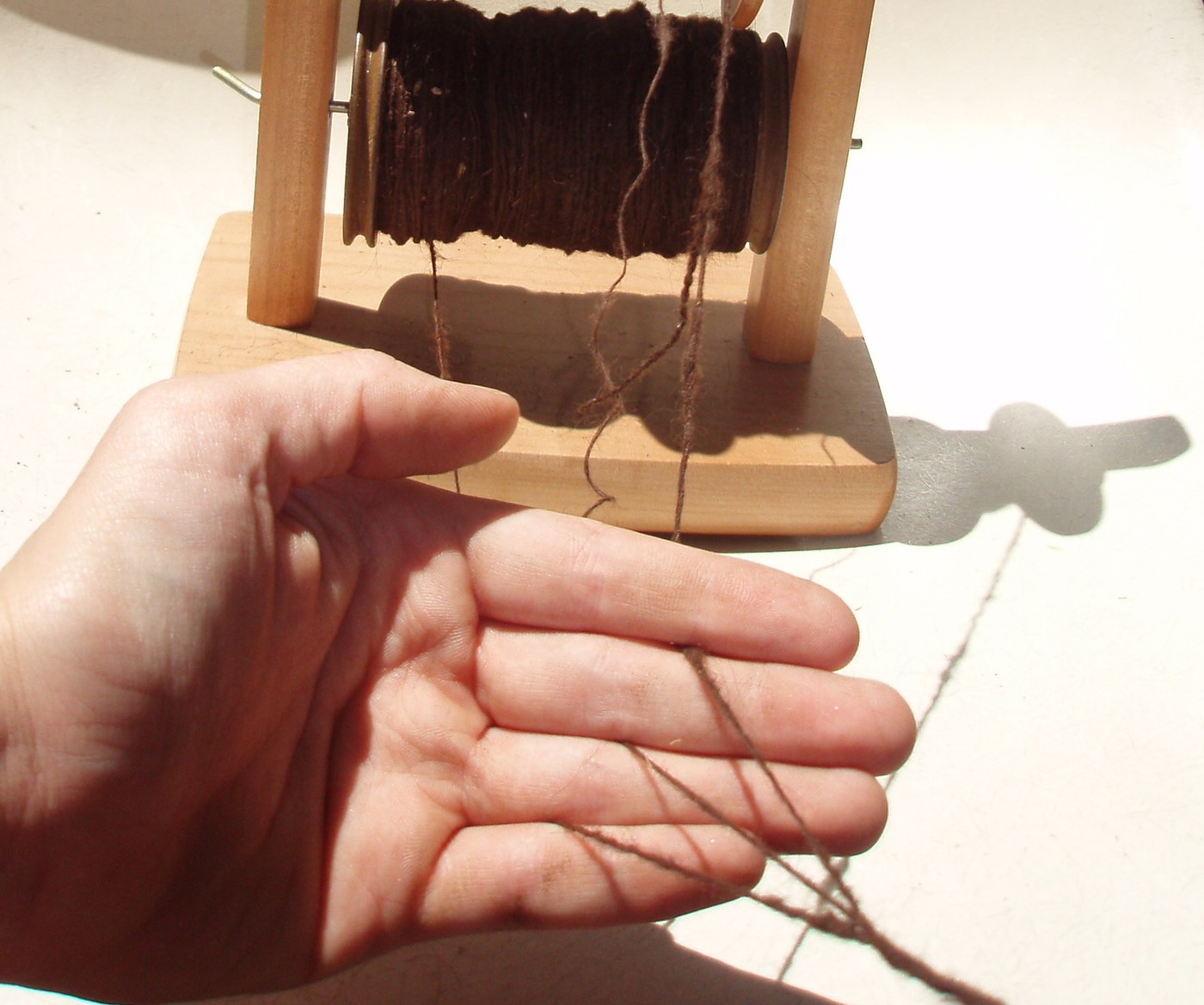


Warp Yarn: Two Wool Singles Plied on a Drop Spindle
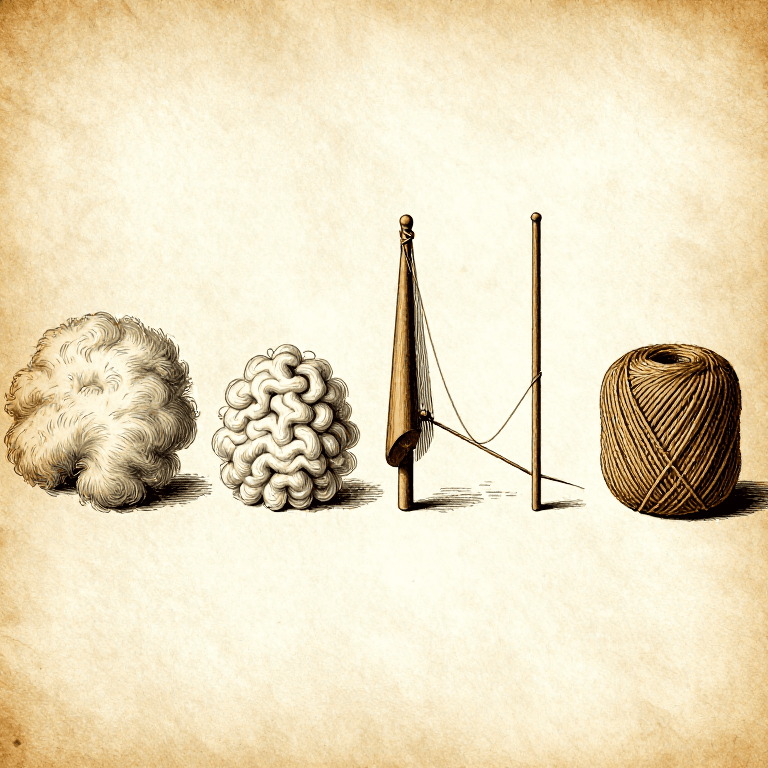
On a loom the warp is held under tension the whole time, while the weft carries almost none, so warp yarn has to be strong: spun and plied. Two singles twisted together the opposite way to their spin make a yarn that is stronger and no longer kinks on itself.
The picture: plying from a lazy kate, the fingers keeping the two strands apart.
འགོ་བཙུགས
An evening per skein
ལམ་སྟོན
1
1
Spin two singles the same way
Spin two singles the same way
Spin two bobbins of wool singles on the drop spindle, both with the same twist, usually Z (spindle turned clockwise).
གོམ་པ་འདིའི་རྫས་རིགས:
 ཚོས་གཞི་མ་བཏང་བའི་བལ་སྐུད2 སྐུད་དྲིལ།
ལག་ཆས་དགོས་མཁོ:
 ལག་པའི་འཁོར་ལོ།
2
2
Set up the lazy kate
Set up the lazy kate
Put both bobbins on a lazy kate so they unwind freely, and tie both ends to the spindle's leader.
ལག་ཆས་དགོས་མཁོ:
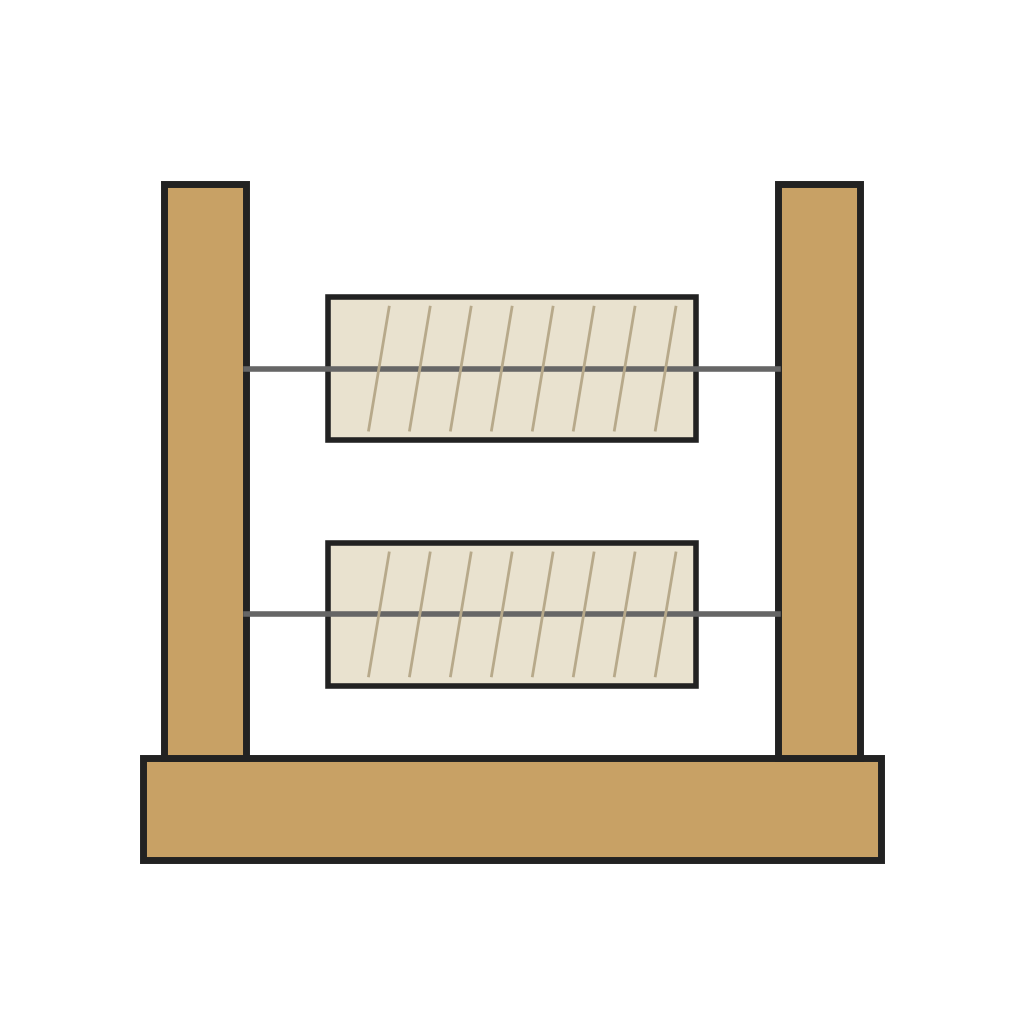 སྐུད་སྒྲིལ་བཞག་ཁྲིལག་པའི་འཁོར་ལོ།
3
3
Ply the opposite way
Ply the opposite way
Turn the spindle the other way (counter-clockwise, S) and let the two strands twist round each other. Keep even tension on both.
ལག་ཆས་དགོས་མཁོ:
ལག་པའི་འཁོར་ལོ།སྐུད་སྒྲིལ་བཞག་ཁྲི4
4
Check the balance
Check the balance
Let a length hang in a loop. If it hangs straight, the ply twist balances the spin; if it twists up on itself, adjust the ply twist.
ལག་ཆས་དགོས་མཁོ:
ལག་པའི་འཁོར་ལོ།རྫས་རིགས
1- 2 སྐུད་དྲིལ།ས་ཆ་འཛིན
བིལུ་པིརིན་ཊི་འདི་གིས་བཟོ་མི

འབྲེལ་ཡོད་བིལུ་པིརིན་ཊི
བིལུ་པིརིན་ཊི་འདི་ཚུ་ཐབས་ལམ་དང་རྫས་རིགས། སྤྱི་ཆོས་བགོ་བཤའ་བྱེད
CC0 སྤྱི་དབང
བིལུ་པིརིན་ཊི་འདི་CC0 འོག་བཀྲམས་ཡོད། ཁྱེད་རང་གིས་ཆོག་མཆན་མ་བཞེས་པར་ཕབ་ལེན་དང་བཟོ་བཅོས། བགོ་བཤའ། དགོས་མཁོ་གང་ལའང་བཀོལ་སྤྱོད་བྱས་ཆོག
བཟོ་མཁན་ལ་རྒྱབ་སྐྱོར་བྱེད་པའི་ཆེད་ཁོང་ཚོའི་བིལུ་པིརིན་ཊི་བརྒྱུད་ཐོན་སྐྱེད་ཉོ། བཟོ་མཁན་གྱིས བཟོ་མཁན་གྱི་ཁེ་ཕོགས ཚོང་པས་གཏན་འཁེལ་བྱས་པ། ཡང་ན་བིལུ་པིརིན་ཊི་འདིའི་པར་གསར་བཟོས་ཏེ་ཁྱེད་རང་གི་བིལུ་པིརིན་ཊི་ནང་མཐུད་སྦྲེལ་བྱས་ཏེ་ཡོང་སྒོ་བགོ་བཤའ་བྱེད།