སྒྱུ་རྩལ
མཛེས་སྡུག་དང་བདེ་ཐང
བཟོ་རིག
རིག་གནས་དང་ལོ་རྒྱུས
དགའ་སྟོན
ཁོར་ཡུག
ཟས་དང་བཏུང་རྫས
ཕྱིར་འཕྲུལ་རིག
ཚན་རིག
རྩེད་འགྲན
རིག་རྩལ
གྱོན་རུང
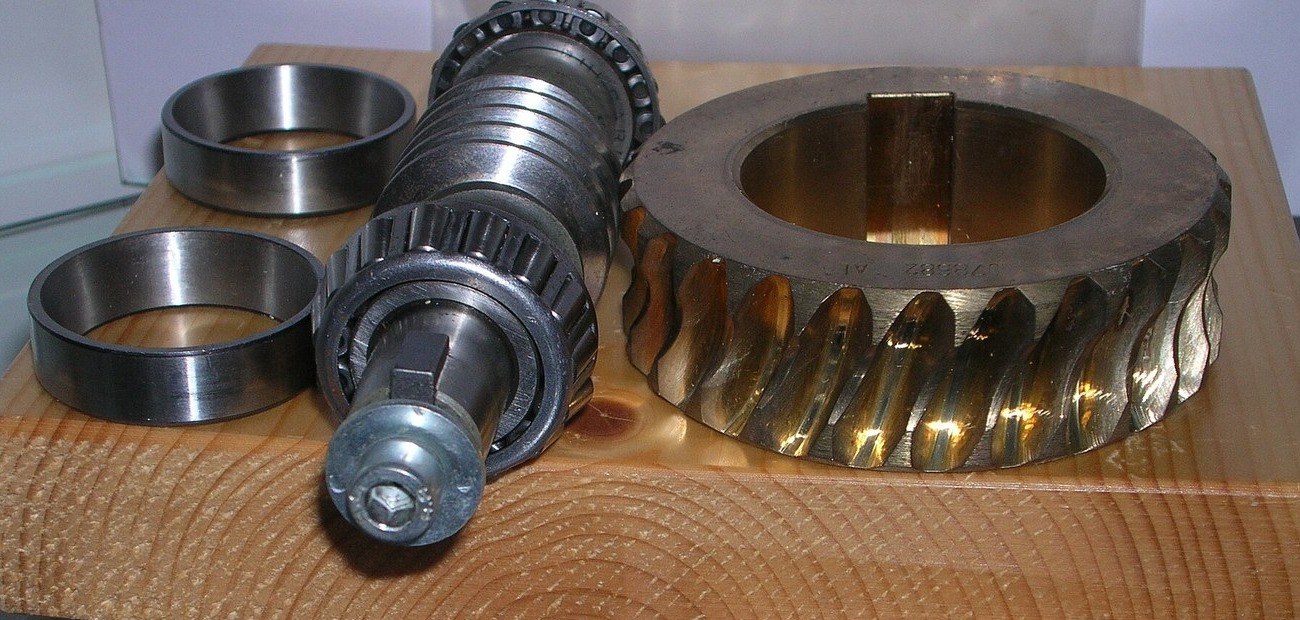


Worm and Worm Wheel: a Steel Screw and a Hobbed Bronze Wheel
A worm is a screw that drives a toothed wheel at right angles; with a single-start worm each turn moves the wheel one tooth, so a 30-tooth wheel gives 30:1. Cut the worm on a screw-cutting lathe, make a hob that is a copy of it with cutting edges, gash the bronze wheel on the dividing head, then run the hob through it to finish the teeth.
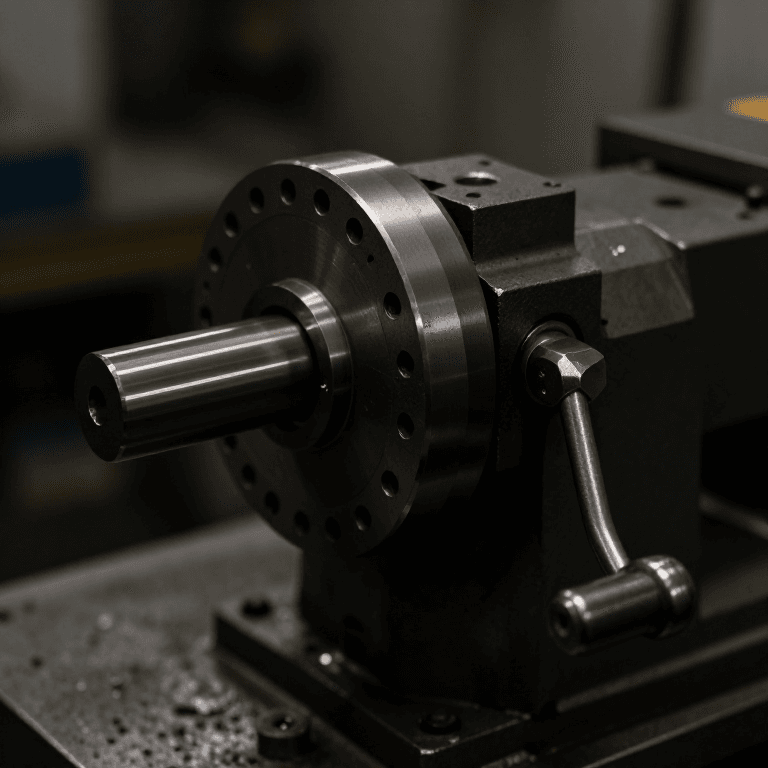
The picture: a worm shaft with its bearings and a hobbed bronze worm wheel from a gearbox.
མཐོ་རིམ
Three to four days
ལམ་སྟོན
1
1
Cut the worm
Cut the worm
Turn the steel bar to the worm's diameter and set the lathe's change gears to the axial pitch (π × module). Cut the single-start thread with a tool ground to the tooth form, checking it with the gauge.
གོམ་པ་འདིའི་རྫས་རིགས:
 ལྕགས་འཇམ་གྱི་ལྕགས་ཕྲེང་སྒོར་སྒོརམ།1 དུམ་བུ།
ལག་ཆས་དགོས་མཁོ:
 ལྕགས་ཀྱི་འཁྲུལ་འཁོར།
 HSS འཁོར་བཟོའི་ལག་ཆས་ཀྱི་ཆ་ཚན
 སྐུད་རིས་ཀྱི་ཚད་འཇལ
 བར་ནི་ཡར་གྱི་འཇལ་ཆས།
 གཏུབ་སྣུམ།
2
2
Make the hob
Make the hob
Cut the same thread a little oversize on tool steel, file four or more lengthwise flutes across it to make cutting edges, back off behind each edge, then harden and temper it.
གོམ་པ་འདིའི་རྫས་རིགས:
 ལག་ཆས་ལྕགས་ཁར་གྱི་ཡུ་བ་ཟུར་བརྒྱད།1 དུམ་བུ།
ལག་ཆས་དགོས་མཁོ:
ལྕགས་ཀྱི་འཁྲུལ་འཁོར། ལྕགས་ཀྱི་དར་མ།
 མགར་བའི་ཐབ་ཁུང་།
 སྲ་བཟོའི་ཆུ་སྣོད།
 ཉེན་སྲུང་མིག་ཤེལ།
3
3
Cast and turn the wheel blank
Cast and turn the wheel blank
Melt bronze in a crucible, cast a round blank, and turn it on a mandrel to the wheel's diameter with a hollow rim to wrap the worm.
གོམ་པ་འདིའི་རྫས་རིགས:
 ལི་མའི་ལྷུ་མ།1 kg
 སོལ་བ།1 as required
ལག་ཆས་དགོས་མཁོ:
མགར་བའི་ཐབ་ཁུང་། འཇིམ་གྱི་ཞུན་སྣོད — མེ་བཟོད།
 བཞུ་སྣོད་ཀྱི་གཟེར་ཆས།
 ལྕགས་བྱང་བུའི་སྒྲོམ།ལྕགས་ཀྱི་འཁྲུལ་འཁོར།
 མཱན་ཌི་རེལ་ཕྲང
 ཚག་གི་ལག་ཤུབས།
4
4
Gash the teeth
Gash the teeth
Mount the blank on the dividing head with the cutter path set at the worm's lead angle and cut a slot for every tooth, nearly to depth.
ལག་ཆས་དགོས་མཁོ:
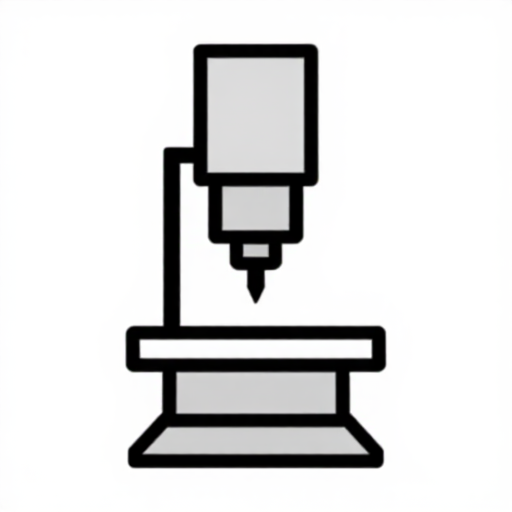 གཤག་གཏུབ་འཁྲུལ་འཁོར།
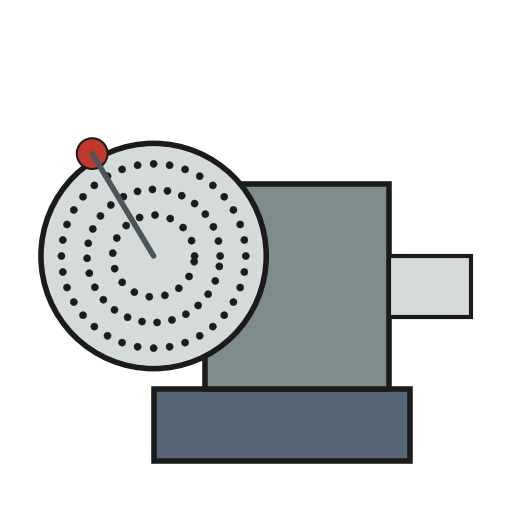 བགོ་བཤའི་མགོ།གཏུབ་སྣུམ།
5
5
Hob to shape
Hob to shape
Run the hob in mesh with the gashed blank, free to turn, feeding it in gradually to full depth: it drives the blank round and generates the true tooth form.
ལག་ཆས་དགོས་མཁོ:
གཤག་གཏུབ་འཁྲུལ་འཁོར།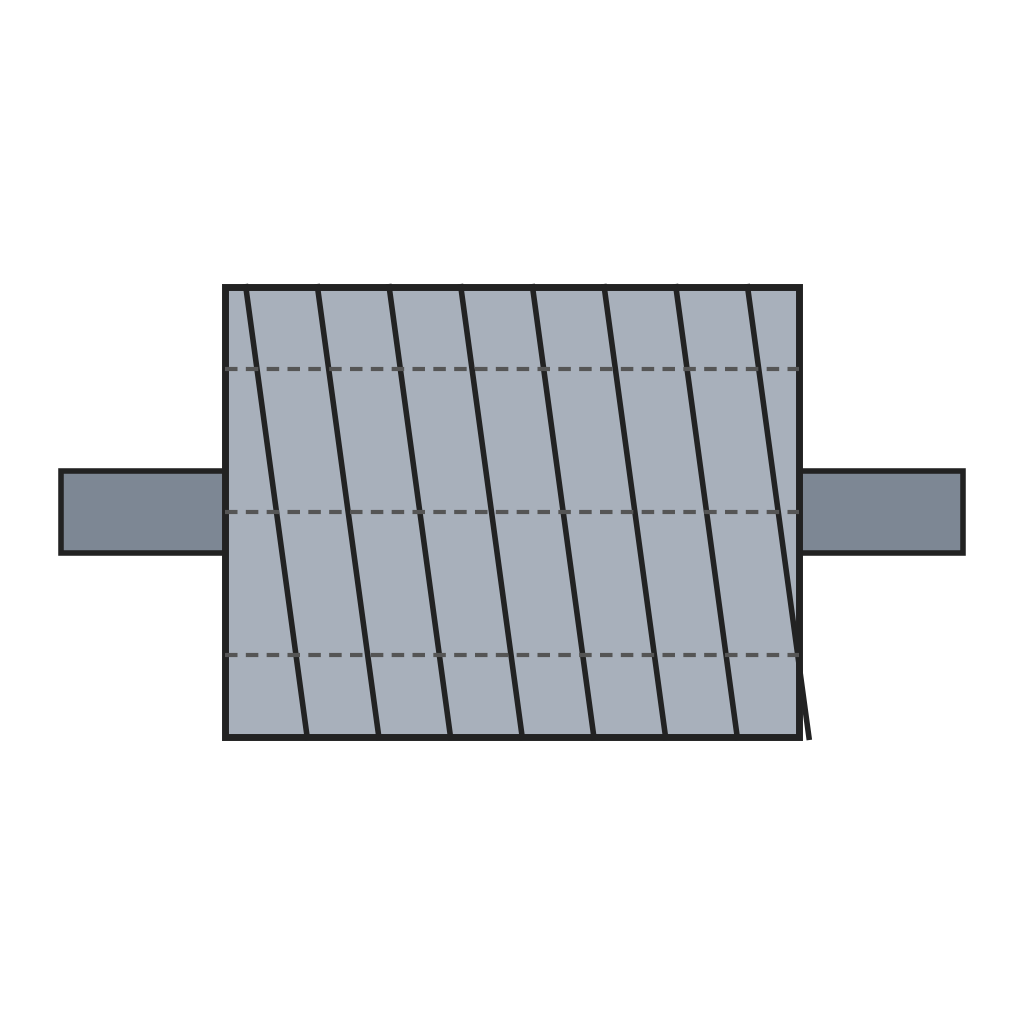 འབུ་གཟེར་འཁོར་ལོའི་སོ་གཏུབ་ཆས།གཏུབ་སྣུམ།
6
6
Sizes for a 30:1 set
Sizes for a 30:1 set
Jupyter ཚང་དེབ་མངོན་གསལ་འབད་དོ་…
7
7
Limits
Limits
Worm drive principles, gashing and hobbing are as Wikipedia describes them; the module, tooth count and making the hob from the worm's own thread are ours. A single-start set like this is usually self-locking, which depends on lead angle and friction.
རྫས་རིགས
4- 1 དུམ་བུ།ས་ཆ་འཛིན
- 1 དུམ་བུ།ས་ཆ་འཛིན
- 1 kgས་ཆ་འཛིན
- 1 as requiredས་ཆ་འཛིན
ལག་ཆས་དགོས་མཁོ
17- ས་ཆ་འཛིན
- ས་ཆ་འཛིན
- ས་ཆ་འཛིན
- ས་ཆ་འཛིན
- ས་ཆ་འཛིན
- ས་ཆ་འཛིན
- ས་ཆ་འཛིན
- ས་ཆ་འཛིན
- ས་ཆ་འཛིན
- ས་ཆ་འཛིན
- ས་ཆ་འཛིན
- ས་ཆ་འཛིན
- ས་ཆ་འཛིན
- ས་ཆ་འཛིན
- ས་ཆ་འཛིན
- ས་ཆ་འཛིན
- ས་ཆ་འཛིན
བིལུ་པིརིན་ཊི་འདི་གིས་བཟོ་མི

འབྲེལ་ཡོད་བིལུ་པིརིན་ཊི
བིལུ་པིརིན་ཊི་འདི་ཚུ་ཐབས་ལམ་དང་རྫས་རིགས། སྤྱི་ཆོས་བགོ་བཤའ་བྱེད


CC0 སྤྱི་དབང
བིལུ་པིརིན་ཊི་འདི་CC0 འོག་བཀྲམས་ཡོད། ཁྱེད་རང་གིས་ཆོག་མཆན་མ་བཞེས་པར་ཕབ་ལེན་དང་བཟོ་བཅོས། བགོ་བཤའ། དགོས་མཁོ་གང་ལའང་བཀོལ་སྤྱོད་བྱས་ཆོག
བཟོ་མཁན་ལ་རྒྱབ་སྐྱོར་བྱེད་པའི་ཆེད་ཁོང་ཚོའི་བིལུ་པིརིན་ཊི་བརྒྱུད་ཐོན་སྐྱེད་ཉོ། བཟོ་མཁན་གྱིས བཟོ་མཁན་གྱི་ཁེ་ཕོགས ཚོང་པས་གཏན་འཁེལ་བྱས་པ། ཡང་ན་བིལུ་པིརིན་ཊི་འདིའི་པར་གསར་བཟོས་ཏེ་ཁྱེད་རང་གི་བིལུ་པིརིན་ཊི་ནང་མཐུད་སྦྲེལ་བྱས་ཏེ་ཡོང་སྒོ་བགོ་བཤའ་བྱེད།