སྒྱུ་རྩལ
མཛེས་སྡུག་དང་བདེ་ཐང
བཟོ་རིག
རིག་གནས་དང་ལོ་རྒྱུས
དགའ་སྟོན
ཁོར་ཡུག
ཟས་དང་བཏུང་རྫས
ཕྱིར་འཕྲུལ་རིག
ཚན་རིག
རྩེད་འགྲན
རིག་རྩལ
གྱོན་རུང
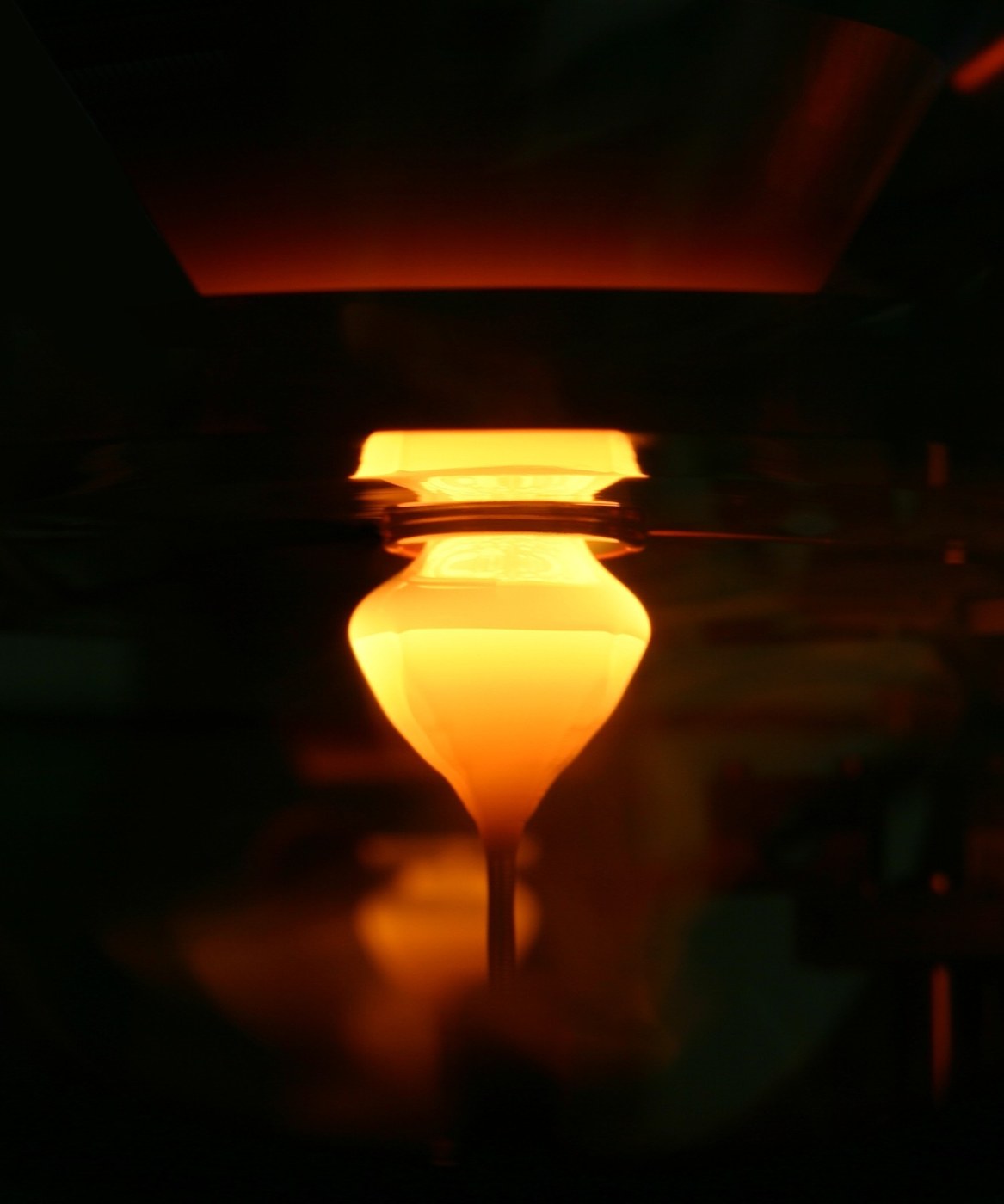


Zone Refining
A transistor needs silicon roughly a billion times purer than anything chemistry had ever been asked to make. Not purer in the ordinary sense — the deliberate dopant that makes silicon useful is added at about one atom in ten million, so every accidental impurity has to sit far below that or it drowns the signal you are trying to create. The target is parts per billion.
No chemical process gets there. Distillation, recrystallisation and precipitation all plateau long before, because each one is fighting an equilibrium that stops favouring you as the concentration falls.
William Pfann at Bell Labs published the answer in 1952, and it is startlingly simple. When a molten solid freezes, most impurities do not divide themselves evenly between the solid and the liquid. They prefer to stay in the melt. Freeze half a bar and the impurities crowd into the half still liquid. That is all zone refining uses — but instead of freezing the whole bar once, you melt a narrow band and walk it slowly from one end to the other. The band picks up impurities at its leading edge, carries them along, and dumps them at the far end. Then you do it again. And again.
The number that governs everything is the segregation coefficient k, the ratio of impurity concentration in the freezing solid to that in the liquid it freezes from. When k is small the sweep is powerful. When k approaches one the impurity barely notices which phase it is in and no number of passes will shift it — which is exactly why boron, with k around 0.8 in silicon, is the impurity that zone refining cannot beat and why it has to be kept out at the chemical stage instead.
You will build a working zone refiner, run a real metal through it, and measure the purification you achieved rather than assuming it.
བར་མ
5 hours
ལམ་སྟོན
1
1
Build the boat, the heater and the drive
Build the boat, the heater and the drive
Three parts, and the hard one is the temperature gradient rather than the temperature.
The charge: use tin, or better a tin-lead or bismuth-tin alloy so there is a measurable impurity to sweep. Pure tin melts at 232 degrees Celsius, which is reachable with an ordinary soldering-iron element. Do not start with silicon. Silicon melts at 1414 degrees, needs an inert atmosphere and a crucible that will not contaminate it, and none of that is bench work — the physics you are about to measure is identical in tin and safe to handle.
The boat: a length of steel or ceramic channel section, 300 mm long and 15 mm wide, that the charge sits in as a bar. Steel is fine for tin. Line it with graphite foil if you want a clean release. The bar must be a bar of even cross-section, because the maths you will do assumes a constant area — cast it in the boat itself by melting the charge and letting it freeze slowly end to end.
The heater: a narrow band, and narrow is the whole point. A 25 mm wide zone on a 300 mm bar gives you twelve zone lengths of travel, and the purification scales with how many zone lengths you sweep. Wrap a resistance heating element — nichrome ribbon, or a cartridge heater in a machined block — so it heats a band no wider than 25 mm, and fit a heat shield either side. A wide, vague heated region is the commonest failure: it melts a long stretch, the sharp freezing interface disappears, and with it the segregation.
Cooling matters as much as heating. The bar must be solid a few millimetres either side of the zone, so run a small fan or a cooled aluminium block along the boat. What you are building is not a heater, it is a steep temperature gradient that happens to peak above the melting point.
The drive: the zone must travel slowly and steadily. 1 to 10 millimetres per minute is the working range and slower is better. A 12 V geared motor turning an M8 threaded rod through a nut on the heater carriage gives about 1.25 mm per revolution — at 4 rpm that is 5 mm per minute. Add a PWM controller so you can change the rate and measure its effect.
Speed is a real trade, not a detail. Too fast and the impurities cannot diffuse out of the freezing interface quickly enough; they get trapped in the solid, the effective k rises towards 1, and the sweep weakens. Too slow and a pass takes all afternoon.
གོམ་པ་འདིའི་རྫས་རིགས:
 གསའི་གདུང་མ།500 gram
 བིསི་མུཐ་གི་གཟུགས་པོ་ ༩༩.༩༩ % གཙང་མ། གྷརམ་ ༤༥༠100 gram
 ནའི་ཀོརོམ་གྱི་ལྕགས་སྐུད།2 metre
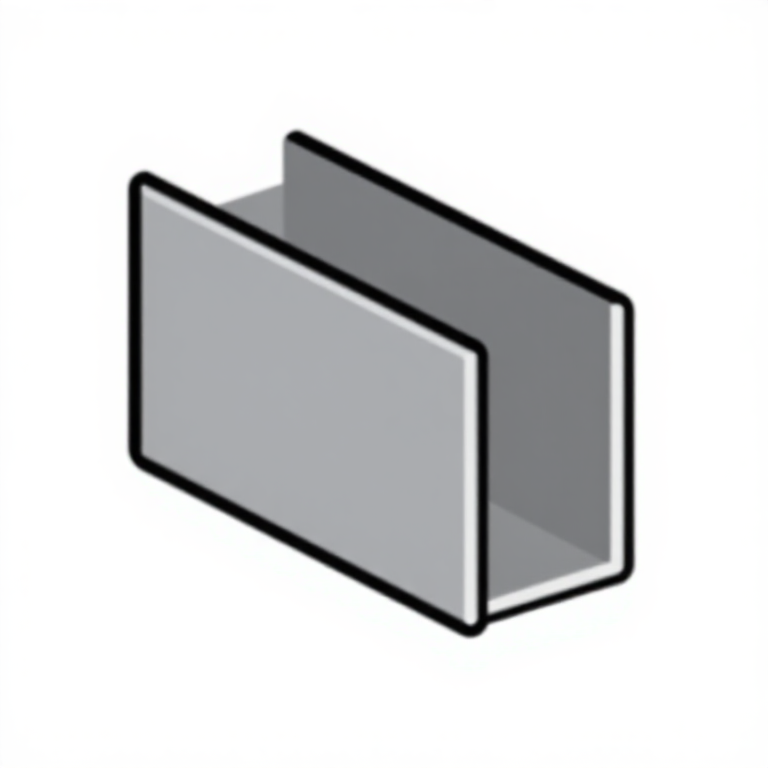 U བཟོ་རྣམ་གྱི་ལྕགས1 དུམ་བུ།
 གྷ་རཱ་ཕའིཊ་ཤོག་ལེབ།1 དུམ་བུ།
 ཚད་གཟུང་ཡོད་པའི་ DC འཕྲུལ་འཁོར།1 དུམ་བུ།
 PWM འཕྲུལ་འཁོར་གྱི་མགྱོགས་ཚད་ཚོད་འཛིན་ཆས།1 དུམ་བུ།
 ཊི་རུའི་དབྱུག་ཏོ།1 metre
ལག་ཆས་དགོས་མཁོ:
 ཐག་མེད་ཕུག་འཕྲུལ།
 ལྕགས་གཏུབ་སོག་ལེ།
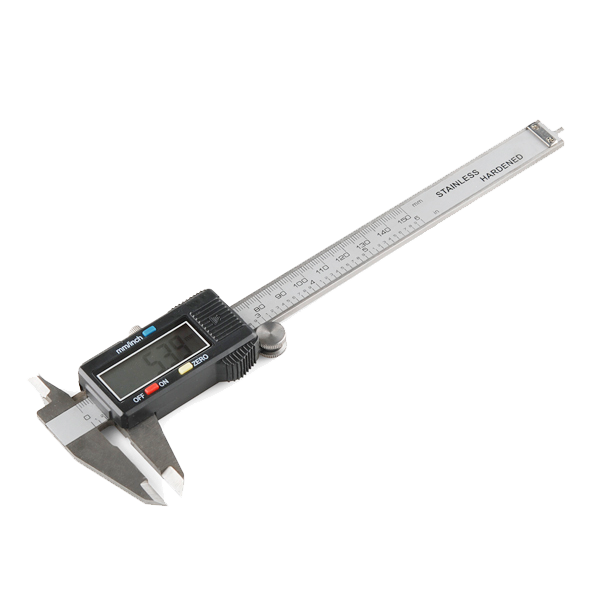 Digital Calipers - 152.4 mm
 དམར་མདངས་འོག་གི་ཚ་གྲང་འཇལ་ཆས།
 ཞིབ་དཔྱད་ཁང་ཚད་གཞི་ཅན་གྱི་ཨང་རྟགས་སྣ་མང་འཇལ་ཆས།
 ཚ་བཟོད་ཀྱི་ལག་ཤུབས།
2
2
The segregation coefficient, and how many passes it costs you
The segregation coefficient, and how many passes it costs you
Jupyter ཚང་དེབ་མངོན་གསལ་འབད་དོ་…
ལག་ཆས་དགོས་མཁོ:
 ཅོག་ཙེའི་གློག་རིག
3
3
Run the passes and measure what you achieved
Run the passes and measure what you achieved
Cast the bar first, and cast it deliberately. Melt the whole charge in the boat and let it freeze from one end so you begin with a bar of even composition and known cross-section. Cut a 5 mm sample from each end and keep them; they are your before.
Now run a pass. Bring the heater to about 40 degrees above the melting point of your alloy and let it establish. You want a molten band you can see, 20 to 25 mm long, with solid metal either side of it. Start the drive at 2 mm per minute and let it travel the full length. A 300 mm bar takes about two and a half hours.
Watch the zone rather than the clock. It should be a clearly bounded pool with a visible meniscus, travelling steadily. Two things go wrong and both are visible. If the molten region keeps growing you are putting in more heat than the cooling either side can remove, and you will end up with half a molten bar and no interface. If the zone breaks into two pools you have a cold spot, usually a thin patch in the bar where it has necked.
Run at least six passes, all in the same direction. Direction matters: the whole point is to sweep impurities towards one end and keep them there. A pass in the opposite direction brings them back.
Expect the bar to change appearance. The head end usually becomes visibly brighter and more uniform. The tail often develops a dull, coarse-grained or discoloured section in the last zone length or so — that is where all the impurity has gone, and in industry that end is simply sawn off and remelted.
Now measure. Cut a fresh 5 mm sample from each end. For each of your four samples — head before, tail before, head after, tail after — melt it in a small crucible with a thermocouple in the melt, then let it cool slowly while logging temperature every second. Plot the cooling curve.
A pure metal shows a flat arrest at its freezing point: the temperature stops falling while latent heat comes out, then resumes. Impurity does two things to that arrest. It lowers the temperature at which freezing begins, by an amount proportional to the impurity concentration for dilute solutions, and it smears the flat plateau into a slope because the freezing happens over a range instead of at a point.
So the comparison you want is simple and it is quantitative. The head sample after refining should show a HIGHER and FLATTER arrest than it did before. The tail should show a lower and more sloped one. The difference between head and tail after six passes is your purification, measured on equipment you built, and it is the same measurement Pfann was making in 1952 before anyone had a mass spectrometer good enough to check him.
གོམ་པ་འདིའི་རྫས་རིགས:
གསའི་གདུང་མ།500 gramབིསི་མུཐ་གི་གཟུགས་པོ་ ༩༩.༩༩ % གཙང་མ། གྷརམ་ ༤༥༠100 gram MAX6675 མོ་ཌུལ་དང་བཅས་པའི་K རིགས་ཀྱི་དྲོད་གཉིས་སྦྱོར།2 དུམ་བུ།
ལག་ཆས་དགོས་མཁོ:
དམར་མདངས་འོག་གི་ཚ་གྲང་འཇལ་ཆས།ཞིབ་དཔྱད་ཁང་ཚད་གཞི་ཅན་གྱི་ཨང་རྟགས་སྣ་མང་འཇལ་ཆས།ལྕགས་གཏུབ་སོག་ལེ།ཚ་བཟོད་ཀྱི་ལག་ཤུབས། ཞིབ་དཔྱད་ཁང་གི་ཉེན་སྲུང་མིག་ཤེལ།
 ཆུ་ཚོད་བཀག་ཆས།
4
4
Where the bench version and the industrial one part company
Where the bench version and the industrial one part company
You have built a real zone refiner and measured a real segregation effect. It is worth being exact about which parts of the industrial process you have reproduced and which you have not, because the gap is where the engineering lives.
What is identical: the physics. Segregation, the effective k rising with speed, the diminishing return of extra passes, the dirty tail that gets cut off. All of it is the same in tin at 232 degrees as in silicon at 1414.
What is different, and each difference is a hard problem someone had to solve:
Silicon does not sit in a boat. Molten silicon dissolves almost every crucible material offered to it, and whatever it dissolves becomes the impurity you were trying to remove. The answer was to abolish the container: FLOAT-ZONE refining holds the rod vertically and supports the molten zone by its own surface tension alone, with a radio-frequency induction coil melting a band that touches nothing. Silicon's high surface tension and low density make that possible, and it is why float-zone silicon is the purest bulk material humans make.
Atmosphere matters. Tin in air grows an oxide skin and shrugs. Silicon at 1414 degrees will take oxygen, nitrogen and carbon from anything nearby, so the whole process runs under argon or vacuum.
Heating is inductive, not resistive. An RF coil couples energy into the silicon itself, so the heat is generated in the workpiece rather than conducted into it from outside — which gives the sharp, controllable zone the process needs.
And the destination is different. Your bar comes out purer and still polycrystalline: a mass of crystal grains in random orientations, with grain boundaries between them. Grain boundaries scatter carriers, trap impurities and ruin devices. Purity was necessary but it was never sufficient, and the next blueprint in this chain solves the other half of the problem.
Flow
Loading...
5
5
Compendium — the questions a curious maker asks next
Compendium — the questions a curious maker asks next
WHY DO IMPURITIES PREFER THE LIQUID AT ALL? Because a crystal is a specific arrangement with specific spacings, and a foreign atom of the wrong size or valence costs energy to fit into it. A liquid has no long-range order and accommodates almost anything. The system minimises its free energy by leaving the misfit in the phase that does not care. Impurities that happen to fit the lattice well have a k near 1 — which is precisely the case for boron in silicon, where the boron atom is a reasonable substitute for a silicon atom.
WHY IS OXYGEN'S k GREATER THAN 1? It means oxygen prefers the SOLID. Silicon dissolves oxygen readily into interstitial sites, so zone refining concentrates oxygen at the head rather than sweeping it to the tail. This is not a curiosity: it is one reason float-zone silicon, grown without a quartz crucible, has far lower oxygen content than Czochralski silicon, and why float-zone material is chosen for high-voltage power devices where oxygen-related defects matter.
WHY NOT JUST MAKE THE ZONE VERY SHORT? Purification scales with the number of zone lengths swept, so a shorter zone on the same bar means more zone lengths and better cleaning. In practice the zone must be long enough to stay stable — surface tension has to hold it in float-zone work, and in a boat it has to survive small variations in bar cross-section. Below a few millimetres it breaks up.
WHY DOES THE TAIL GET THROWN AWAY RATHER THAN REPROCESSED? It is reprocessed, but not by zone refining. The tail carries a concentrated mixture of everything the bar contained, and running it back through the same process just moves the problem. It goes back to the chemical purification stage upstream.
WHAT ABOUT THE k VALUES CHANGING? They do. The segregation coefficient is a thermodynamic quantity that depends on temperature and, at high concentrations, on the concentration itself. The tabulated values assume dilute solution near the melting point, which is exactly the regime that matters here, but a heavily contaminated feedstock will not follow them.
COULD YOU ZONE-REFINE SOMETHING OTHER THAN METALS? Yes, and it is done. Organic chemists zone-refine high-purity organics — anthracene, naphthalene, benzoic acid — for scintillators and reference standards, using exactly the same apparatus at much lower temperatures. If your workshop cannot reach 232 degrees safely, naphthalene at 80 degrees demonstrates the identical physics and the cooling-curve measurement works just as well.
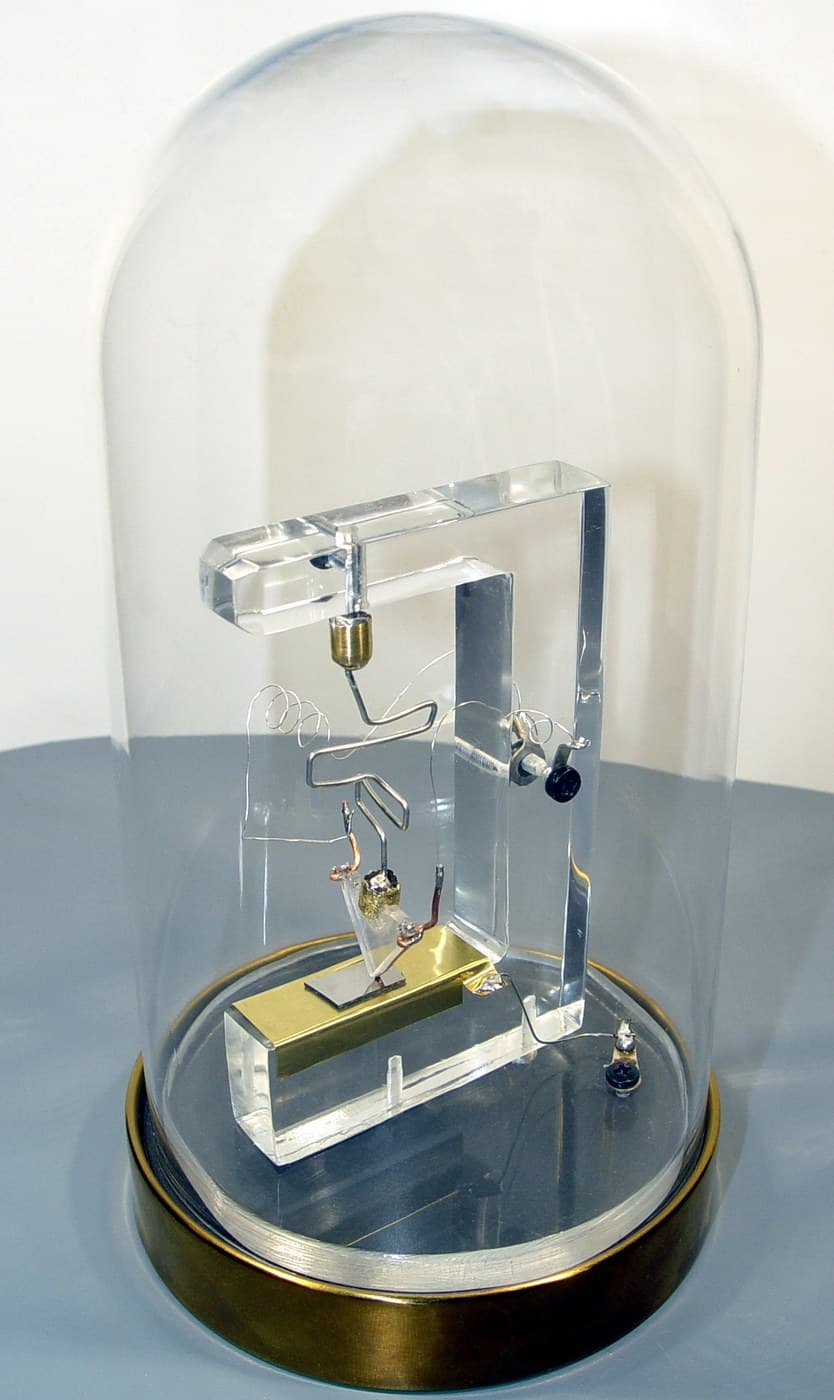
WHAT DID THIS ACTUALLY UNLOCK? Pfann's process is the reason the transistor left the laboratory. The 1947 point-contact device worked on germanium that was pure by the standards of the day and wildly variable device to device, because nobody could control what was in the crystal. Zone refining made the material reproducible, and reproducibility is what turns a physics demonstration into an industry. Everything in this batch that follows assumes it.
རྫས་རིགས
9- 500 gramས་ཆ་འཛིན
- ས་ཆ་འཛིན
- 2 metreས་ཆ་འཛིན
- 1 དུམ་བུ།ས་ཆ་འཛིན
- 1 དུམ་བུ།ས་ཆ་འཛིན
- ས་ཆ་འཛིན
- ས་ཆ་འཛིན
- 1 metreས་ཆ་འཛིན
- ས་ཆ་འཛིན
ལག་ཆས་དགོས་མཁོ
9- 1 vendor sell this, none ship to you yetས་ཆ་འཛིན
- ས་ཆ་འཛིན
- Digital Calipers - 152.4 mmཁེ་ཕོགས 10%$14.19
- ས་ཆ་འཛིན
- ས་ཆ་འཛིན
- ས་ཆ་འཛིན
- ས་ཆ་འཛིན
- ས་ཆ་འཛིན
འབྲེལ་ཡོད་བིལུ་པིརིན་ཊི
བིལུ་པིརིན་ཊི་འདི་ཚུ་ཐབས་ལམ་དང་རྫས་རིགས། སྤྱི་ཆོས་བགོ་བཤའ་བྱེད

CC0 སྤྱི་དབང
བིལུ་པིརིན་ཊི་འདི་CC0 འོག་བཀྲམས་ཡོད། ཁྱེད་རང་གིས་ཆོག་མཆན་མ་བཞེས་པར་ཕབ་ལེན་དང་བཟོ་བཅོས། བགོ་བཤའ། དགོས་མཁོ་གང་ལའང་བཀོལ་སྤྱོད་བྱས་ཆོག
བཟོ་མཁན་ལ་རྒྱབ་སྐྱོར་བྱེད་པའི་ཆེད་ཁོང་ཚོའི་བིལུ་པིརིན་ཊི་བརྒྱུད་ཐོན་སྐྱེད་ཉོ། བཟོ་མཁན་གྱིས བཟོ་མཁན་གྱི་ཁེ་ཕོགས ཚོང་པས་གཏན་འཁེལ་བྱས་པ། ཡང་ན་བིལུ་པིརིན་ཊི་འདིའི་པར་གསར་བཟོས་ཏེ་ཁྱེད་རང་གི་བིལུ་པིརིན་ཊི་ནང་མཐུད་སྦྲེལ་བྱས་ཏེ་ཡོང་སྒོ་བགོ་བཤའ་བྱེད།