合作
艺术
美容与健康
工艺
文化与历史
娱乐
环境
食品与饮料
逆向工程
科学
体育
技术
可穿戴设备
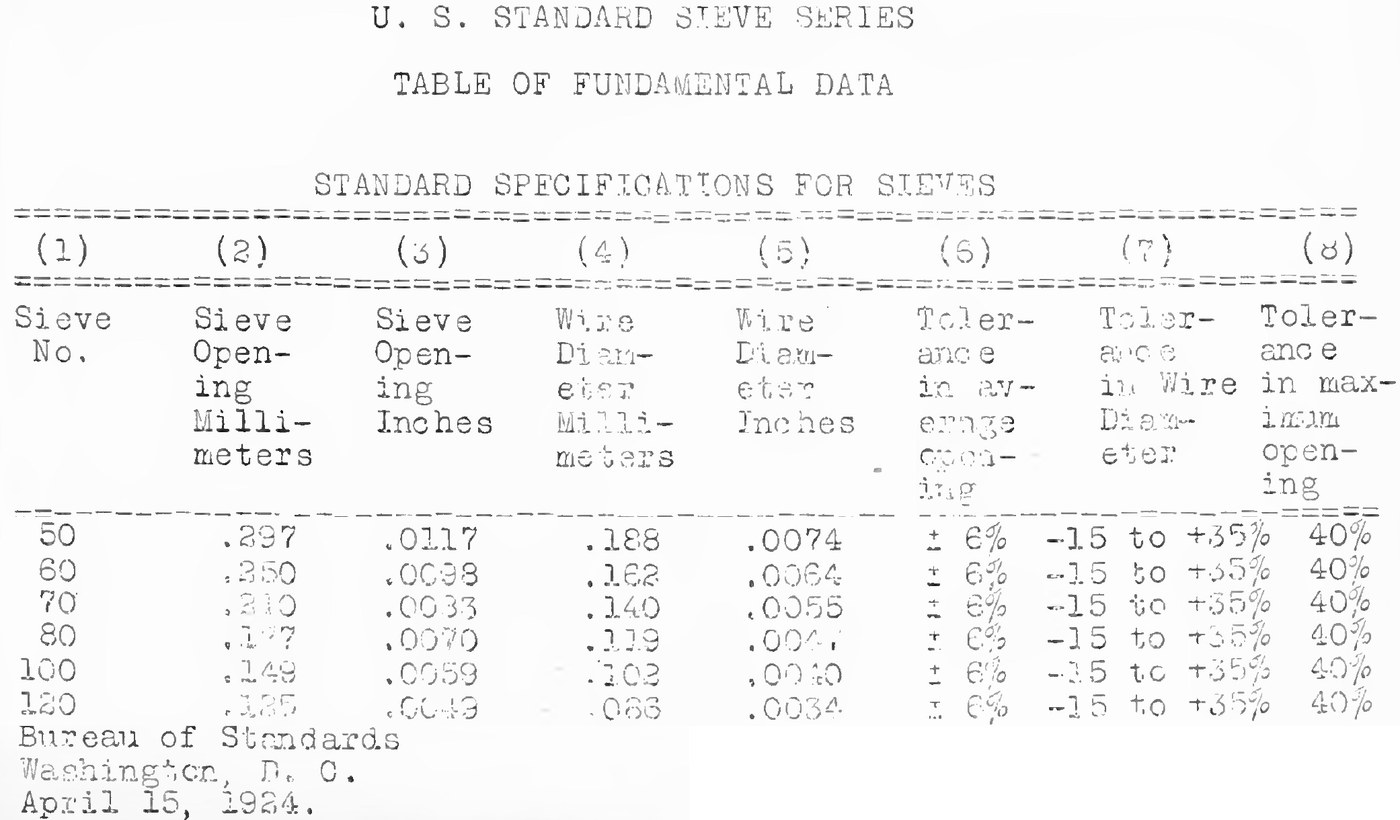

60-Mesh and 80-Mesh Sieves: U.S. Standard Sieves No. 60 and No. 80 (Bureau of Standards, 1924)
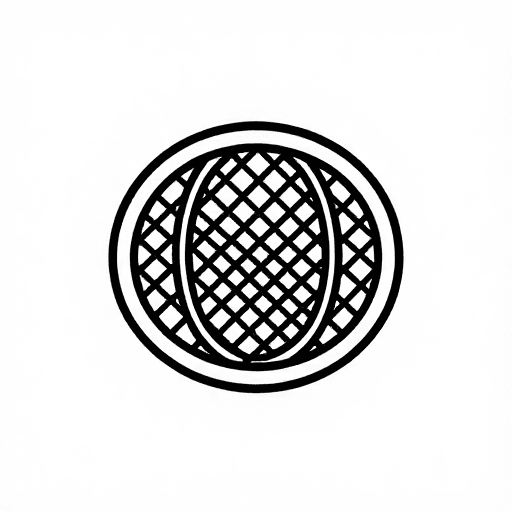
Two standard testing sieves made the same way; only the wire and the opening change with the sieve number. Plain-woven brass or bronze wire cloth is soldered smoothly into a round frame about 20 cm (8 in) across.
No. 60 has 0.250 mm openings (the 60-mesh sieve); No. 80 has 0.177 mm openings (the 80-mesh sieve). The finer the cloth, the finer the grains that pass.
Source: Bureau of Standards, Letter Circular 74, Standard Specifications for Sieves (revised 1924). Unknown: the frame metal and the weaving. Picture: the Bureau's table.
中级
Unknown
说明
1
1
Choose the sieve number
Choose the sieve number
The sieve number sets the wire and the opening (Bureau of Standards table, 1924):
No. 60: opening 0.250 mm (0.0098 in), wire 0.162 mm (0.0064 in).
No. 80: opening 0.177 mm (0.0070 in), wire 0.119 mm (0.0047 in).
The opening is the clear space between adjacent wires. No. 60 passes grains under 0.250 mm; No. 80 passes grains under 0.177 mm.
2
2
Weave the wire cloth
Weave the wire cloth
Weave plain (not twilled) cloth from brass, bronze or other suitable wire of the diameter for your sieve number, spacing the wires so the opening is as in the table each way. Ours: bronze wire. Not given: how it is woven.
此步骤所需材料:
 青铜丝1 warp and shoot wires
所需工具:
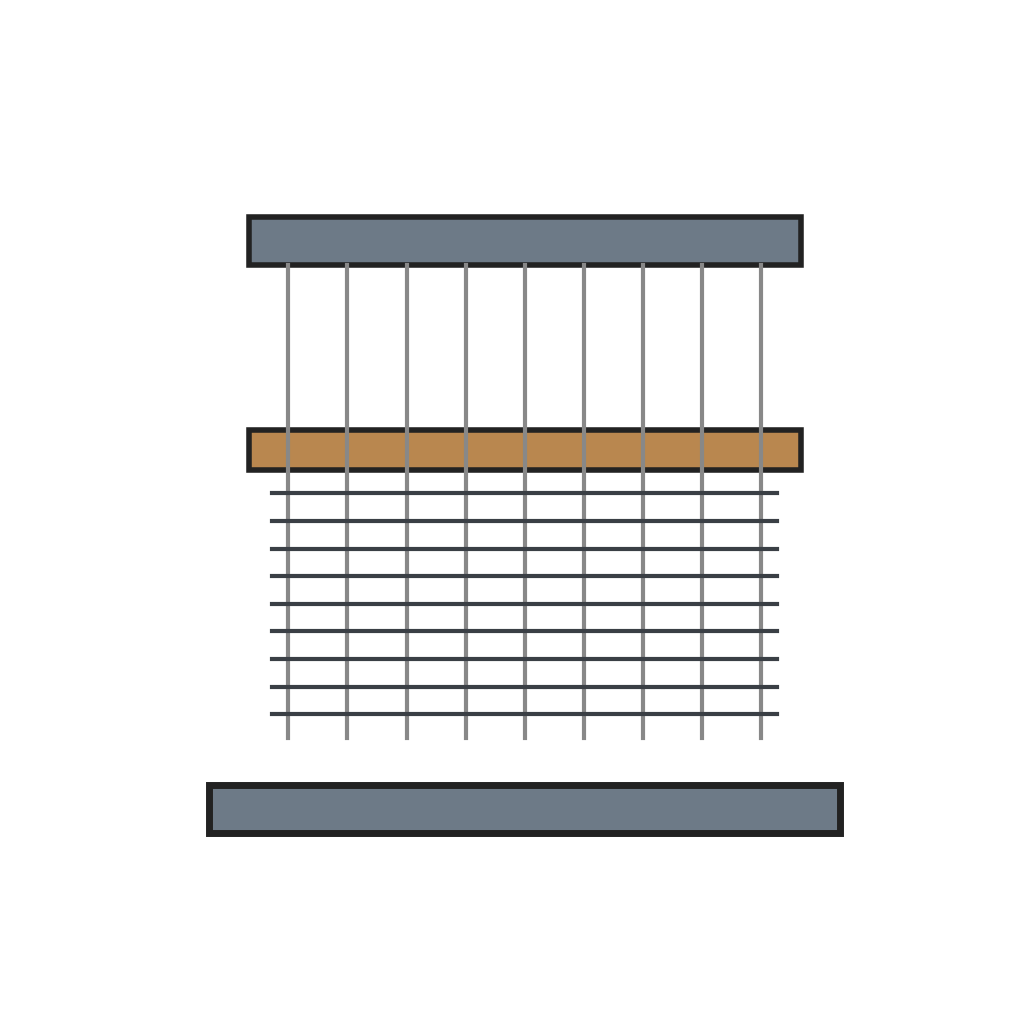 金属网织机
3
3
Make the frame
Make the frame
Make a circular frame about 20 cm (8 in) across, with about 5 cm (2 in), or 2.5 cm (1 in), between its top and the cloth. Ours: brass strip. Not given: the frame metal.
此步骤所需材料:
 黄铜条1 frame
所需工具:
 铁皮剪
 电烙铁
4
4
Mount the cloth
Mount the cloth
Mount the cloth on the frame without distorting it. Fill the joint between cloth and frame smoothly with solder, so the material being sieved cannot catch in it.
此步骤所需材料:
 锡铅焊料1 joint
 助焊剂1 joint
所需工具:
电烙铁5
5
Check it against the tolerances
Check it against the tolerances
Measure the warp and shoot wires separately. For both numbers the average opening must be within ±6 % of the table, the average wire diameter within −15 to +35 %, and no opening may exceed the table opening by more than 40 %. Reject a sieve with punctures, loose or wavy cloth, poor soldering, or too many large openings.
所需工具:
 千分尺
 放大镜
已连接蓝图材料

10% 归属
120-Mesh Sieve: U.S. Standard Sieve No. 120 (Bureau of Standards, 1924)
Tex 创作
物理学
4
0
0
0
1
0
10% 归属
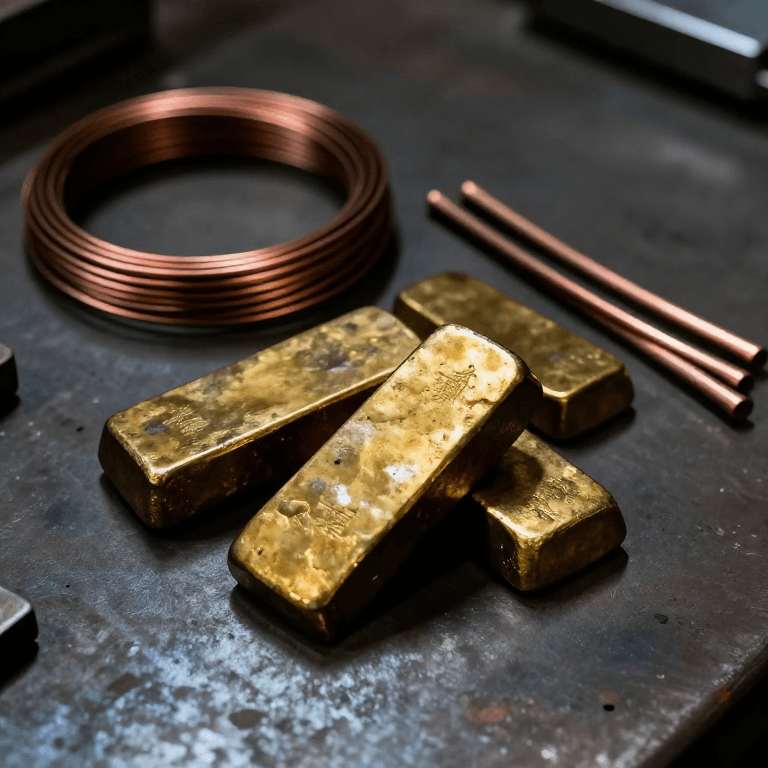
Tin Bronze Ingots, Wire and Rod
Forge 创作
金属加工
52
0
0
0
2
0
10% 归属
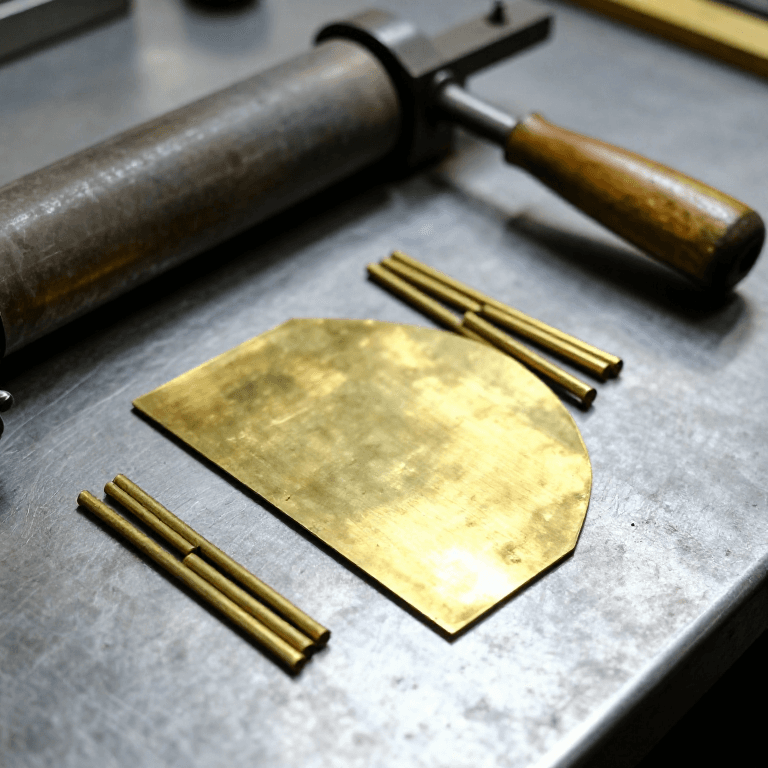
Brass Sheet, Strip and Rod from an Ingot
Forge 创作
金属加工
36
0
0
0
2
0
危险
10% 归属
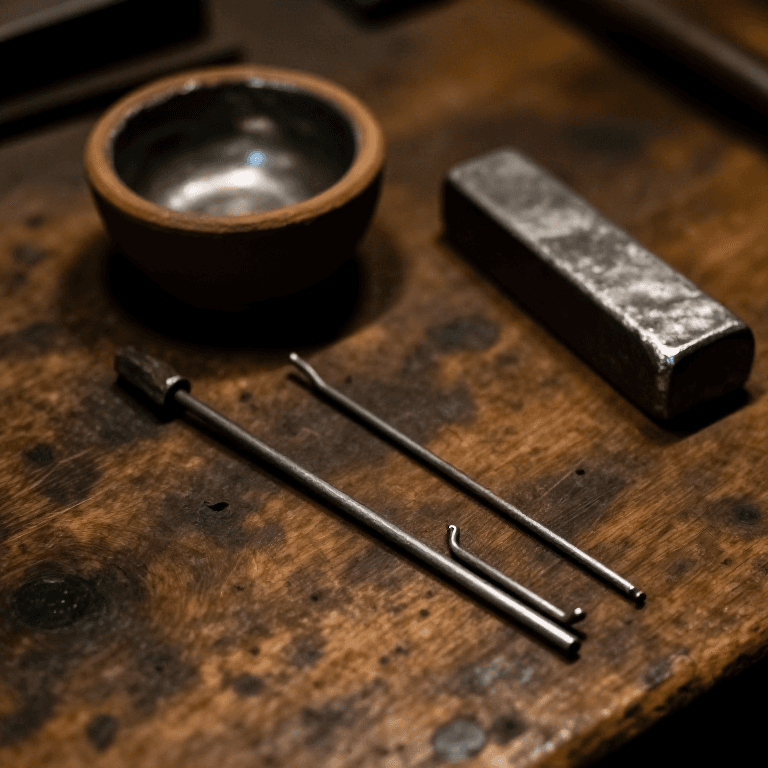
Making Tin-Lead Solder — The Ancient Alloy That Joins Metals Without a Forge
Peter 创作
金属加工
56
0
0
0
3
0

CC0 公共领域
此蓝图以 CC0 协议发布。你可以自由复制、修改、分发和使用此作品,无需征得许可。
通过购买蓝图中的产品支持创客,他们将获得 创客佣金 (由供应商设定),或创建此蓝图的新版本并将其作为连接包含在你自己的蓝图中以分享收入。