艺术
美容与健康
工艺
文化与历史
娱乐
环境
食品与饮料
逆向工程
科学
体育
技术
可穿戴设备


Abaca Twine: Two-Ply Reverse Wrap from Manila Hemp
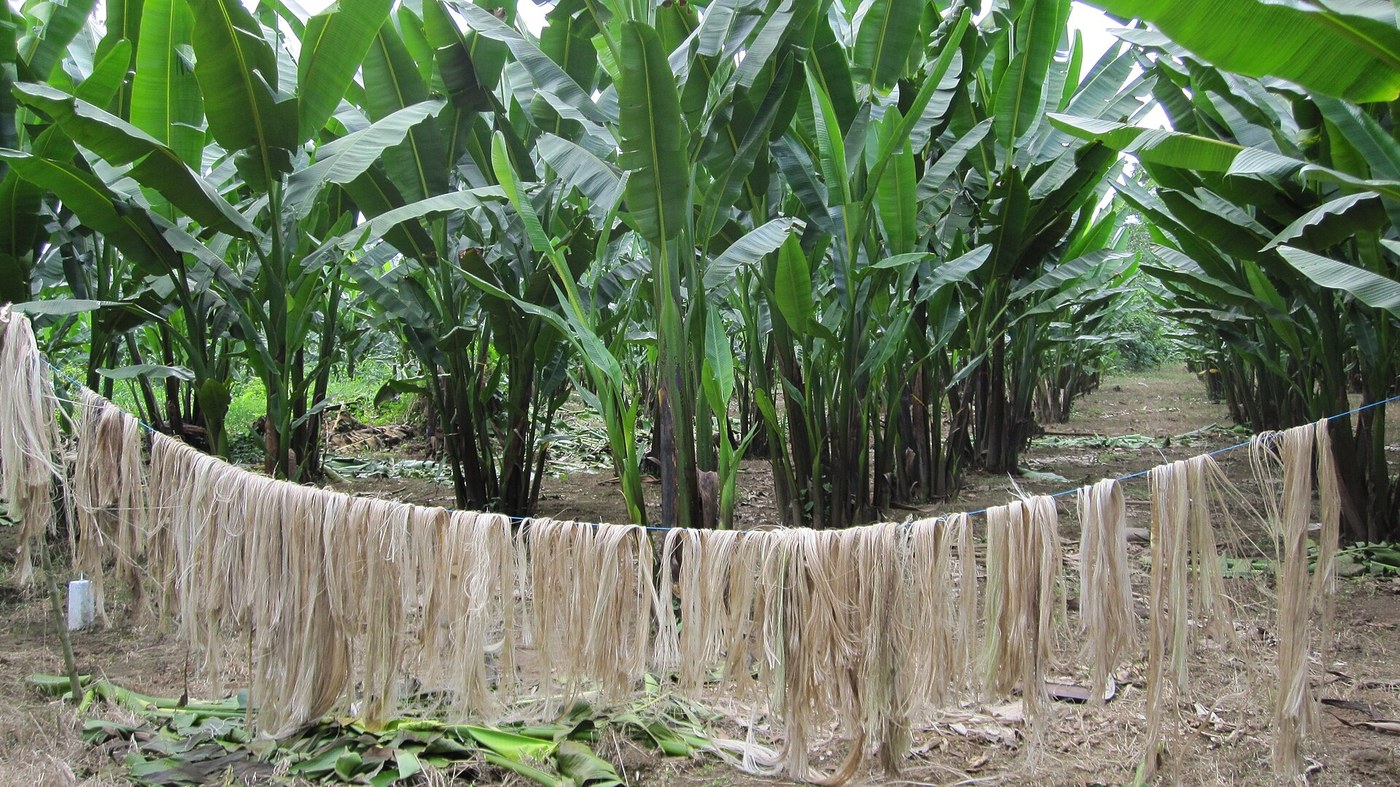
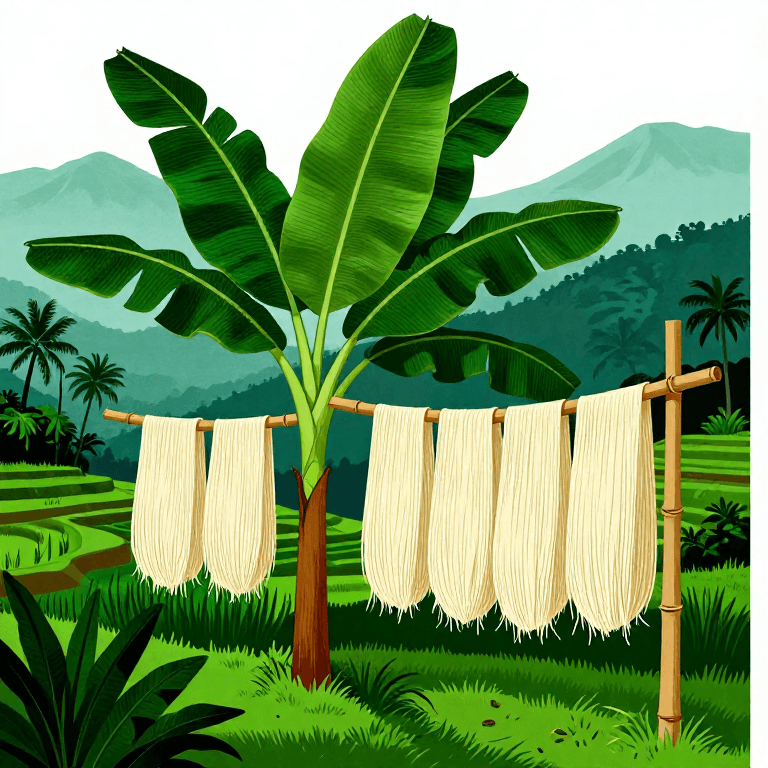
Abaca, Manila hemp, is a banana plant whose leaf-sheath fibre is stronger than hemp and stands up to salt water, which is why ships' ropes were made of it. Its fibres are 1.8 to 3.7 metres long, so a twine twisted from them needs few splices. This twine is made by the same two-ply reverse wrap as our bark rope.
The picture: abaca fibre drying on a line among the plants, Costa Rica.
初学者
An hour for a few metres
说明
1
1
Dampen and split the fibre
Dampen and split the fibre
Dip a hank of abaca fibre in water so it twists without springing back, and split off thin strands, a few fibres each.
此步骤所需材料:
 马尼拉麻纤维50 克
 水1 as required
所需工具:
 碗
碗2
2
Reverse-wrap it into two-ply twine
Reverse-wrap it into two-ply twine
Fold a strand bundle at its middle and reverse-wrap it as the bark rope is made: twist one ply away from you until it kinks, wrap it back over the other, and repeat. Splice in new fibre with 5 to 8 cm of overlap, never on both plies at the same point.
3
3
Finish and trim
Finish and trim
Tie an overhand knot at the end, trim the loose fibre ends close and wind the twine into a ball.
所需工具:
 美工刀
美工刀此蓝图制作
相关蓝图
这些蓝图共享知识——技术、材料或原理


CC0 公共领域
此蓝图以 CC0 协议发布。你可以自由复制、修改、分发和使用此作品,无需征得许可。
通过购买蓝图中的产品支持创客,他们将获得 创客佣金 (由供应商设定),或创建此蓝图的新版本并将其作为连接包含在你自己的蓝图中以分享收入。