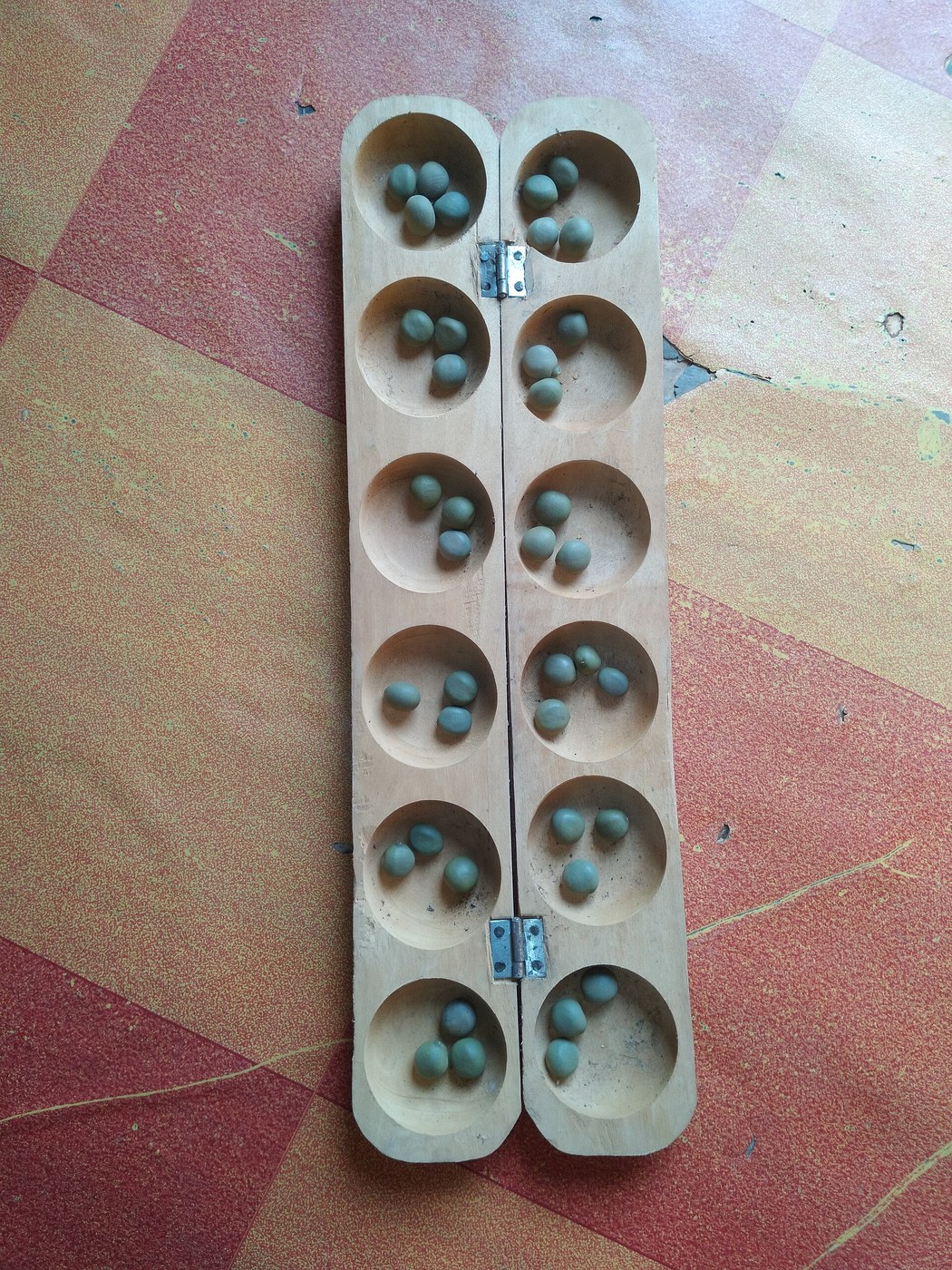
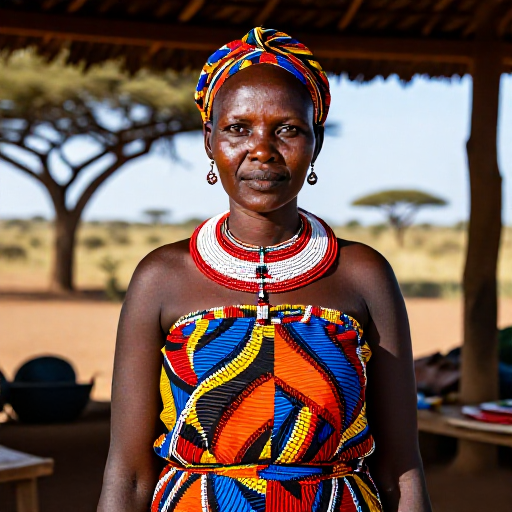

Bao la Mancala — Ubao wa Mbao na Mbegu
Mancala si mchezo mmoja. Ni familia kubwa ya michezo ya kupanda — unachukua mbegu kutoka shimo moja, unaziweka moja moja kwenye mashimo yanayofuata, kama mkulima anayepanda shambani. Ndiyo maana jina la kitaalamu ni "sowing games".
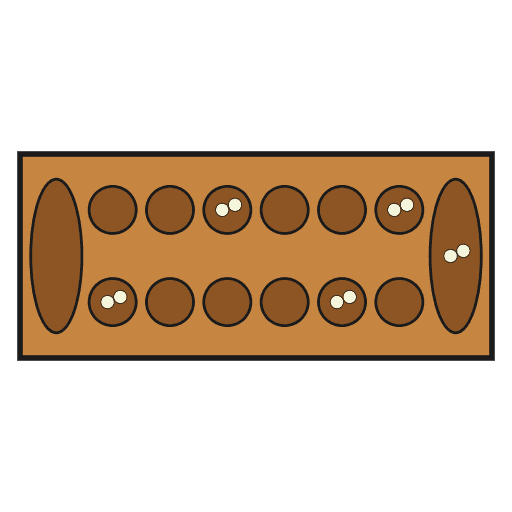
Ubao ni rahisi: safu mbili za mashimo sita, na hazina moja kila upande. Mbegu ni chochote — maharagwe, kokoto, makombe. Mashimo yanaweza kuchimbwa ardhini tu, na ndivyo mchezo ulivyochezwa kwa karne nyingi. Ubao wa mbao ni anasa.
Kanuni moja tu ndiyo huamua mchezo: mbegu ya mwisho ikitua kwenye shimo tupu upande wako, unachukua mbegu zote zilizo kwenye shimo lililo mkabala nalo. Hesabu vizuri kabla ya kupanda.
说明
Chagua ubao wa mbao
Chagua ubao wa mbao
Chukua ubao wa mbao ngumu, urefu sentimita 50, upana sentimita 18, unene sentimita 4. Unene unahitajika kwa sababu mashimo yatachimbwa ndani yake.
此步骤所需材料:
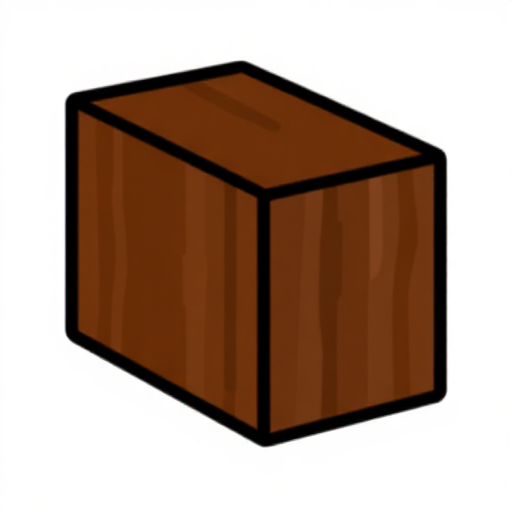 硬木块1 个
Panga mashimo kumi na mawili
Panga mashimo kumi na mawili
Chora safu mbili, kila safu mashimo sita. Kipenyo cha kila shimo sentimita 5, nafasi kati yao sentimita 1.5.
所需工具:
 直尺
直尺Panga hazina mbili
Panga hazina mbili
Chora hazina moja kubwa kila upande wa mwisho wa ubao. Hapa ndipo kila mchezaji anahifadhi mbegu alizovuna.
Chimba mashimo kwa patasi
Chimba mashimo kwa patasi
Chimba kila shimo kina sentimita 2.5 kwa patasi ya mviringo. Chimba kutoka katikati kuelekea pembeni ili usipasue mbao.
所需工具:
 圆凿
圆凿 雕刻木槌
雕刻木槌Fanya mashimo yawe mviringo ndani
Fanya mashimo yawe mviringo ndani
Laini ndani ya kila shimo liwe kama bakuli. Shimo lenye pembe kali hushikilia mbegu na mkono hauwezi kuzitoa zote kwa mpigo mmoja.
所需工具:
圆凿Sugua ubao
Sugua ubao
Sugua kwa sandarusi 120 kisha 220. Mikono itagusa ubao huu maelfu ya mara — laini ni muhimu.
此步骤所需材料:
 砂纸1 张砂纸1 张
Paka mafuta
Paka mafuta
Paka mafuta ya kitani, subiri dakika 20, kisha futa yaliyobaki. Mafuta hulinda mbao dhidi ya unyevu wa mikono.
此步骤所需材料:
 熟亚麻籽油50 毫升
Tayarisha mbegu 48
Tayarisha mbegu 48
Hesabu mbegu 48 zinazofanana — maharagwe au kokoto. Mbegu nne kila shimo, mashimo kumi na mawili.
此步骤所需材料:
 菜豆48 个
Gawa mbegu
Gawa mbegu
Weka mbegu nne kila shimo. Hazina zibaki tupu mwanzoni.
Panda mbegu
Panda mbegu
Chukua mbegu zote za shimo moja upande wako. Weka moja moja kwenye mashimo yanayofuata, ukizunguka ubao kinyume cha saa, ukipitia hazina yako lakini si ya mpinzani.
Jifunze kanuni ya kuvuna
Jifunze kanuni ya kuvuna
Mbegu ya mwisho ikitua kwenye shimo tupu upande wako, unachukua mbegu hiyo na zote za shimo lililo mkabala nalo. Zote zinaenda hazina yako.
Cheza mchezo kamili
Cheza mchezo kamili
Mchezo unaisha upande mmoja unapokuwa mtupu. Mchezaji mwingine anachukua mbegu zilizobaki upande wake. Mwenye mbegu nyingi hazinani ameshinda.
Historia na maelezo
Historia na maelezo
Familia, si mchezo mmoja. Mancala ni jina la kifamilia la michezo ya "kupanda na kuvuna" iliyoenea Afrika, Mashariki ya Kati, Asia na kwingineko. Kila eneo lina jina lake na kanuni zake: bao Afrika Mashariki, oware Afrika Magharibi, ayoayo, omweso. Kusema "kanuni za mancala" ni kama kusema "kanuni za michezo ya karata" — hakuna moja.
Umri wake. Ushahidi wa kiakiolojia unaonyesha aina za mancala zilichezwa tangu karne ya 6 au 7 BK, na wataalamu wengine wanadai mizizi ya zamani zaidi, hadi enzi ya kale. Kuna ushahidi kwamba michezo ya aina hii ilikuwepo Misri ya Kale. Tatizo la kuthibitisha ni kwamba ubao wa mancala mara nyingi ulikuwa mashimo yaliyochimbwa ardhini au juu ya jiwe — na mashimo hayabaki kwenye rekodi ya kiakiolojia kwa uhakika. Safu mbili za mashimo kwenye jiwe zinaweza kuwa ubao, au zinaweza kuwa kitu kingine kabisa.
Ubao wa 2x6. Aina nyingi hutumia ubao wa safu mbili za mashimo sita na mbegu 48. Kwenye ubao wa safu mbili, kila mchezaji anadhibiti upande wake, ingawa mara nyingi anacheza pia upande wa mpinzani. Hii ndiyo aina iliyoenea zaidi na ndiyo tuliyojenga hapa.
Hesabu, si bahati. Mancala haina kete wala karata. Kila kitu kinaonekana wazi mezani, na mchezaji anaweza kuhesabu matokeo ya kila hatua mbele. Hii inaifanya kuwa mchezo wa mkakati kamili, kama chess — bahati haipo kabisa. Wachezaji wazoefu huhesabu hatua kadhaa mbele, wakitafuta pale mbegu ya mwisho itakapotua kwenye shimo tupu.
Ardhi na mbegu. Umuhimu wa mancala ni kwamba hauhitaji chochote. Mashimo kumi na mawili ardhini na kokoto arobaini na nane — mchezo umeanza. Ndiyo maana umeenea kote na umedumu: gharama ya kuanza ni sifuri, na kanuni hufundishwa kwa kuonyesha, si kwa kuandika.
此蓝图制作
CC0 公共领域
此蓝图以 CC0 协议发布。你可以自由复制、修改、分发和使用此作品,无需征得许可。
通过购买蓝图中的产品支持创客,他们将获得 创客佣金 (由供应商设定),或创建此蓝图的新版本并将其作为连接包含在你自己的蓝图中以分享收入。